
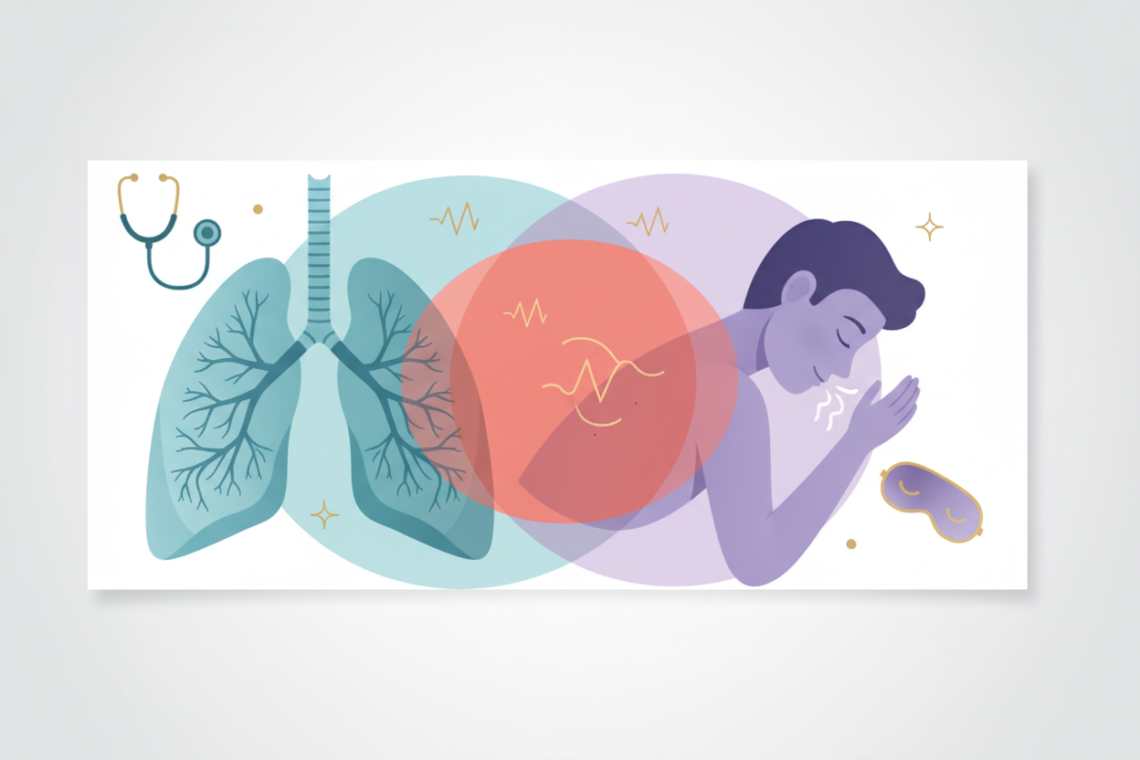
Double Trouble: Advanced Treatment Strategies for COPD-Sleep Apnea Overlap
When breathing becomes a challenge both day and night, you might be dealing with one of medicine’s most complex respiratory puzzles: COPD-sleep apnea overlap syndrome. This condition affects millions worldwide, yet many patients struggle to find effective treatment approaches that address both disorders simultaneously. If you’re waking up exhausted despite using a CPAP machine, or if your COPD symptoms seem worse than they should be, you could be experiencing this double burden that requires specialized care.
The intersection of chronic obstructive pulmonary disease (COPD) and obstructive sleep apnea (OSA) creates unique challenges that go far beyond simply having two separate conditions. Research shows that patients with overlap syndrome face significantly higher risks of cardiovascular complications, more frequent hospitalizations, and reduced quality of life compared to those with either condition alone. Understanding how these conditions interact and learning about advanced treatment strategies can be life-changing for patients navigating this complex landscape.
Understanding COPD-Sleep Apnea Overlap Syndrome
COPD-sleep apnea overlap syndrome occurs when a patient simultaneously experiences chronic obstructive pulmonary disease and obstructive sleep apnea. While each condition presents its own set of challenges, their combination creates a particularly troublesome scenario where breathing difficulties compound throughout the 24-hour cycle.
During the day, COPD patients struggle with airflow limitations, chronic inflammation, and reduced lung function. When night falls, the addition of sleep apnea brings repeated episodes of upper airway collapse, leading to fragmented sleep and dramatic drops in oxygen levels. This creates a vicious cycle where poor sleep quality worsens COPD symptoms, while COPD-related inflammation and structural changes can worsen sleep apnea severity.
The prevalence of overlap syndrome is higher than you might expect. Studies indicate that approximately 10-15% of COPD patients also have significant sleep apnea, while the reverse is also true. What makes this particularly concerning is that patients with overlap syndrome experience more severe oxygen desaturation during sleep, increased carbon dioxide retention, and greater strain on the cardiovascular system.
Recognizing the Warning Signs and Symptoms
Identifying overlap syndrome can be tricky because many symptoms overlap between COPD and sleep apnea. However, certain red flags should prompt healthcare providers and patients to investigate further. Excessive daytime sleepiness in a COPD patient, especially one whose disease seems well-controlled, often signals the presence of concurrent sleep apnea.
Patients frequently report feeling unrefreshed despite adequate sleep duration, experiencing morning headaches, or having difficulty concentrating during the day. Family members might notice loud snoring, gasping, or breathing interruptions during sleep. From a clinical perspective, patients with overlap syndrome often have more frequent COPD exacerbations, higher rates of emergency department visits, and greater difficulty achieving optimal disease control with standard COPD treatments alone.
The physical examination might reveal signs of both conditions: enlarged neck circumference, crowded upper airway anatomy, evidence of right heart strain, and signs of chronic hypoxemia. Laboratory findings often show elevated carbon dioxide levels and evidence of chronic respiratory acidosis, which can be more pronounced than expected for the degree of COPD severity.
Comprehensive Diagnostic Approaches
Diagnosing overlap syndrome requires a thorough evaluation that goes beyond standard testing for either condition alone. The gold standard remains overnight polysomnography, but the interpretation must account for the unique challenges posed by underlying COPD. Sleep studies in COPD patients often show more complex patterns of oxygen desaturation and may require longer monitoring periods to capture the full picture.
Pulmonary function testing provides crucial baseline information about COPD severity, but additional tests like arterial blood gas analysis during wakefulness and sleep can reveal the extent of nocturnal hypoventilation. Some patients benefit from home sleep apnea testing, though this approach has limitations in COPD patients who may have central sleep apnea components or complex sleep-related breathing patterns.
Advanced diagnostic tools are increasingly being used to better characterize overlap syndrome. Overnight capnography can provide detailed information about carbon dioxide retention patterns, while transcutaneous monitoring offers continuous assessment of gas exchange throughout the sleep period. These tools help clinicians understand not just whether sleep apnea is present, but how it specifically interacts with underlying COPD pathophysiology.
Advanced PAP Therapy Strategies
Positive airway pressure (PAP) therapy remains the cornerstone of treatment for overlap syndrome, but standard CPAP approaches often fall short of addressing the complex needs of these patients. Advanced PAP strategies have revolutionized treatment outcomes for patients who previously struggled with conventional therapy.
Bilevel PAP therapy offers significant advantages for overlap syndrome patients by providing different pressures for inspiration and expiration. This approach can help overcome the increased work of breathing associated with COPD while maintaining upper airway patency. The inspiratory pressure support assists with the effort required to breathe through compromised lungs, while the expiratory pressure prevents airway collapse.
Newer adaptive servo-ventilation (ASV) devices and volume-assured pressure support (VAPS) technologies represent cutting-edge approaches for complex cases. These devices automatically adjust pressure delivery based on real-time monitoring of breathing patterns, potentially offering superior outcomes for patients with mixed sleep apnea patterns or significant nocturnal hypoventilation.
The integration of supplemental oxygen with PAP therapy has shown remarkable results in overlap syndrome patients. This combination approach addresses both the mechanical aspects of airway collapse and the gas exchange abnormalities that characterize severe cases. However, oxygen titration must be carefully managed to avoid suppressing the respiratory drive in COPD patients.
Innovative Non-PAP Treatment Options
While PAP therapy remains first-line treatment, innovative alternatives are expanding the therapeutic toolkit for overlap syndrome management. Hypoglossal nerve stimulation represents a breakthrough for patients who cannot tolerate PAP therapy, though careful patient selection is crucial in the COPD population.
Oral appliance therapy has shown promise in select overlap syndrome patients, particularly those with mild to moderate sleep apnea and well-controlled COPD. These devices work by advancing the mandible and tongue, helping to maintain upper airway patency during sleep. The advantage lies in their ease of use and high patient acceptance rates, though effectiveness may be limited in severe cases.
Positional therapy and weight management, while seemingly simple interventions, can provide significant benefits when integrated into a comprehensive treatment plan. Many overlap syndrome patients show position-dependent sleep apnea, and avoiding supine sleep positions can reduce apnea severity. Similarly, even modest weight reduction can improve both COPD symptoms and sleep apnea severity.
Integrated Medication Management
Managing medications in overlap syndrome requires careful coordination between pulmonary and sleep medicine specialists. Traditional COPD medications may need adjustment when sleep apnea is present, as some bronchodilators can affect sleep quality or interact with sleep apnea treatments.
Long-acting bronchodilators remain essential for COPD management, but timing and dosing may require modification to optimize both daytime symptom control and nighttime breathing patterns. Inhaled corticosteroids play a crucial role in reducing airway inflammation, which may benefit both conditions, though the risk-benefit profile must be carefully considered.
Emerging therapies targeting inflammation pathways show promise for overlap syndrome patients. Anti-inflammatory medications that address both systemic and airway inflammation may provide synergistic benefits. Additionally, medications targeting sleep quality and respiratory drive are being investigated as adjunctive treatments.
Careful attention must be paid to medications that can worsen sleep apnea, such as certain sedatives or muscle relaxants that might be prescribed for other COPD-related symptoms. The goal is achieving optimal symptom control while avoiding therapeutic conflicts between treatments for each condition.
Lifestyle Interventions and Holistic Care
Successful management of overlap syndrome extends far beyond medical devices and medications. Lifestyle interventions play a crucial role in optimizing outcomes and improving overall quality of life. Sleep hygiene education becomes particularly important for these patients, who often struggle with sleep quality even when their breathing disorders are well-treated.
Pulmonary rehabilitation programs specifically designed for overlap syndrome patients can provide significant benefits. These programs combine traditional exercise training with sleep education, breathing techniques, and strategies for managing both conditions. Patients learn energy conservation techniques, proper use of respiratory equipment, and how to recognize signs of worsening in either condition.
Nutritional counseling addresses the unique challenges faced by overlap syndrome patients, including the increased metabolic demands of breathing work and the potential for weight gain associated with improved sleep quality. A registered dietitian familiar with both conditions can help develop sustainable eating plans that support overall health goals.
Smoking cessation remains absolutely critical for COPD patients and can significantly improve sleep apnea severity. Comprehensive smoking cessation programs that address the unique challenges of quitting while managing chronic disease provide the best chances for success.
Monitoring and Long-term Management
Long-term success in overlap syndrome management requires ongoing monitoring and treatment adjustments. Regular follow-up appointments should assess both COPD control and sleep apnea treatment effectiveness. This might include periodic sleep studies to ensure continued treatment efficacy, pulmonary function testing to monitor COPD progression, and cardiovascular assessments given the increased risk in this population.
Home monitoring technologies are increasingly valuable for overlap syndrome patients. Modern PAP devices provide detailed data about treatment adherence and effectiveness, while home pulse oximetry can help detect changes in nighttime oxygen levels. Some patients benefit from home spirometry monitoring to track COPD stability between office visits.
Patient education about recognizing signs of worsening in either condition empowers individuals to seek timely medical attention. This includes understanding when changes in sleep quality, daytime symptoms, or exercise tolerance warrant medical evaluation. Regular medication reviews ensure that treatments remain optimized as both conditions evolve over time.
Conclusion
COPD-sleep apnea overlap syndrome represents one of the most challenging scenarios in respiratory medicine, but advanced treatment strategies offer hope for significantly improved outcomes. The key to success lies in recognizing the complex interactions between these conditions and implementing comprehensive, individualized treatment approaches that address both disorders simultaneously.
From sophisticated PAP technologies to innovative non-PAP alternatives, the therapeutic landscape continues to evolve rapidly. The integration of advanced diagnostics, personalized medication management, and holistic lifestyle interventions creates opportunities for patients to achieve better symptom control and improved quality of life than ever before.
If you suspect you might have overlap syndrome, don’t hesitate to discuss your symptoms with healthcare providers familiar with both COPD and sleep disorders. Early recognition and appropriate treatment can prevent complications, reduce hospitalizations, and help you reclaim restful nights and energetic days. Remember, while overlap syndrome presents double the challenge, today’s advanced treatment strategies offer double the opportunity for effective management and improved outcomes.
Take Control of Your Nighttime Breathing
Don’t let sleep apnea silently accelerate your lung disease. Discover the natural breathing protocol that thousands of respiratory patients are using to restore healthy sleep patterns and protect their lung function.
