
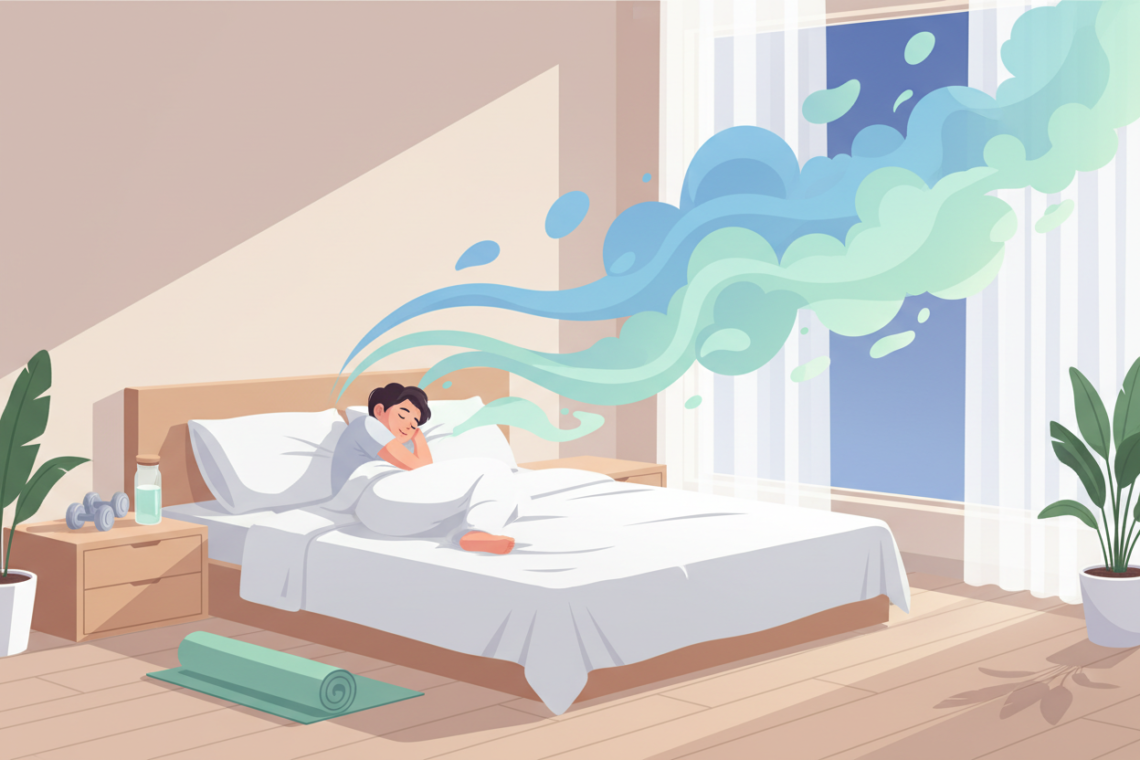
Bedroom Breathing Bootcamp: At-Home Exercises for Sleep Apnea
If you’re one of the millions of people who struggle with sleep apnea, you know how exhausting it can be to wake up feeling like you haven’t slept at all. The constant interruptions to your breathing during sleep don’t just affect your rest – they impact your entire quality of life. While CPAP machines and medical treatments are often necessary, there’s something empowering about taking control of your condition through simple, at-home exercises that can strengthen your breathing muscles and potentially reduce sleep apnea symptoms.
Think of your throat and breathing muscles like any other muscle group in your body. Just as you might do bicep curls to strengthen your arms or squats to build leg muscles, targeted exercises can help tone and strengthen the muscles involved in breathing and keeping your airway open during sleep. This bedroom breathing bootcamp isn’t about replacing medical treatment – it’s about complementing it with proactive steps you can take every day.
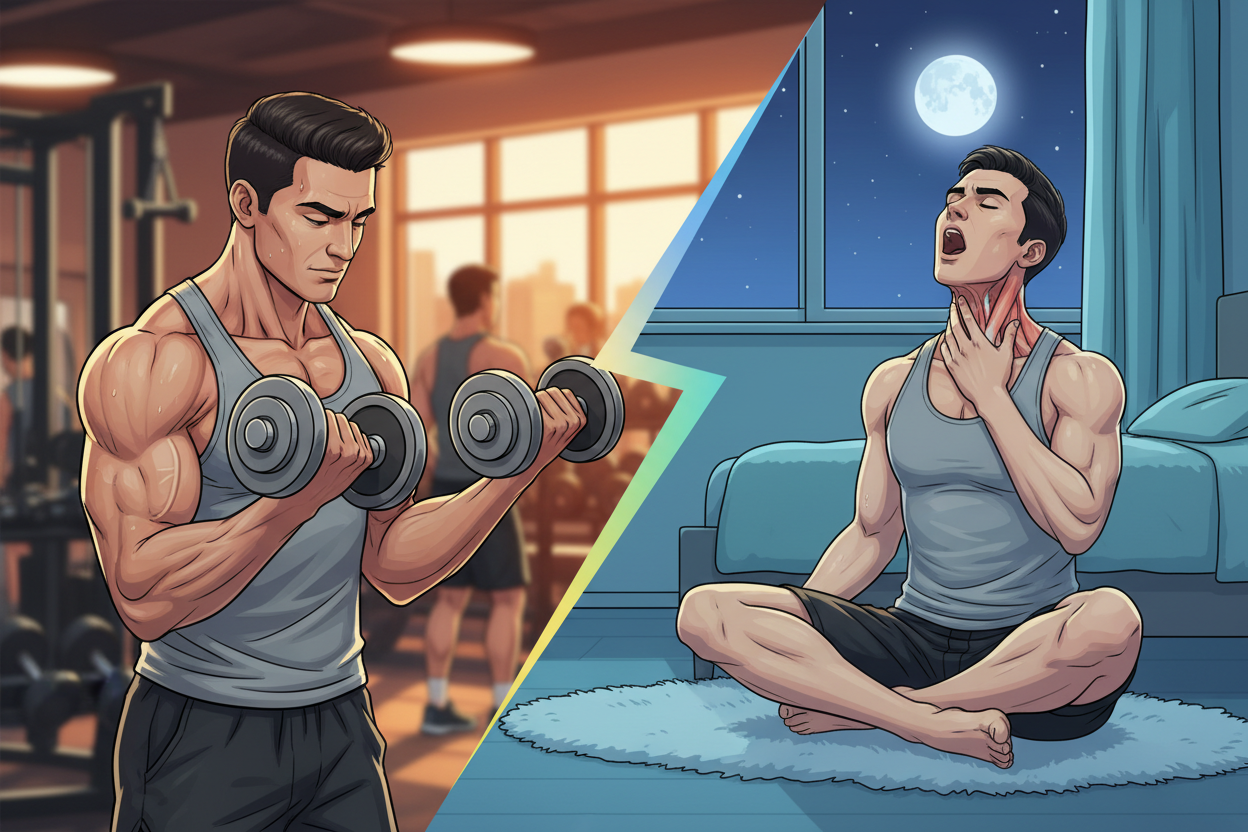
Understanding Sleep Apnea and How Exercise Helps
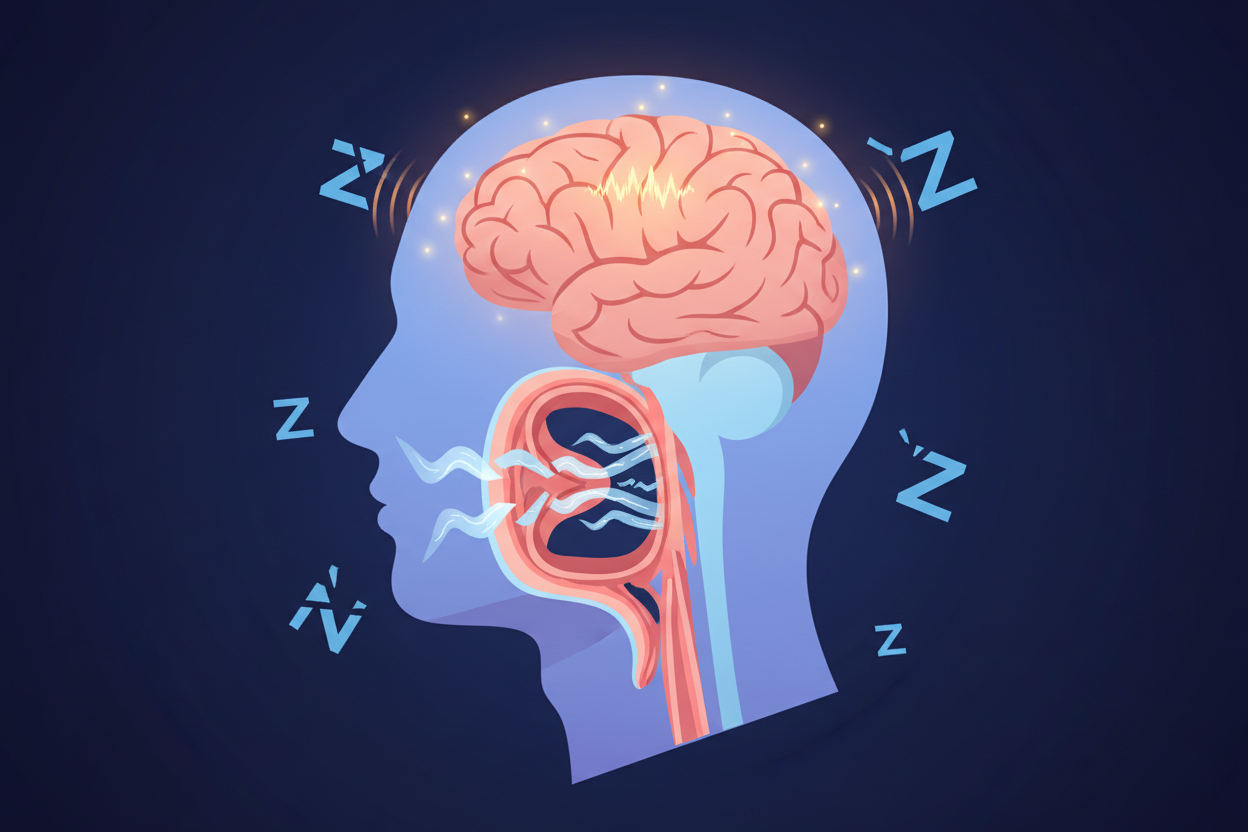
Sleep apnea occurs when your airway becomes partially or completely blocked during sleep, causing your breathing to stop and start repeatedly throughout the night. This happens because the muscles in your throat relax too much, allowing soft tissues to collapse and obstruct airflow. The result? Your brain constantly has to wake you up just enough to restart breathing, fragmenting your sleep cycle.
Breathing exercises work by strengthening the muscles around your airway, improving muscle tone, and teaching you better breathing patterns. Research has shown that consistent practice of specific exercises can reduce the severity of sleep apnea symptoms in some people. While these exercises aren’t a cure-all, they’re a valuable tool in your sleep apnea management toolkit.
The beauty of these exercises lies in their simplicity and accessibility. You don’t need expensive equipment or a gym membership. Your bedroom becomes your personal training ground, and consistency matters more than intensity. Even just 10-15 minutes of daily practice can make a meaningful difference over time.
Throat and Tongue Strengthening Exercises
Your tongue is a powerful muscle that plays a crucial role in keeping your airway open. When tongue muscles are weak, they’re more likely to fall back and block your throat during sleep. These exercises focus on building tongue strength and improving its positioning.
Start with tongue slides, which are surprisingly effective despite their simplicity. Place the tip of your tongue against the back of your top front teeth, then slowly slide it backward along the roof of your mouth. Hold for three seconds, then return to the starting position. Repeat this movement 10-15 times. You’ll feel the muscles at the base of your tongue working – that’s exactly what you want.
Tongue presses are another excellent exercise. Press your entire tongue firmly against the roof of your mouth and hold for 10 seconds. This engages multiple muscle groups in your mouth and throat. As you get stronger, you can increase the hold time to 15 or even 20 seconds. Aim for 10 repetitions during each session.
Don’t forget about tongue stretches. Stick your tongue out as far as possible and try to touch your chin, then your nose, then each corner of your mouth. Hold each position for 10 seconds. This might feel silly at first, but you’re actually working muscles that rarely get targeted in daily activities.
Jaw and Facial Muscle Workouts
Your jaw muscles work closely with your throat muscles to maintain proper airway positioning. Weak jaw muscles can contribute to mouth breathing and poor tongue posture, both of which can worsen sleep apnea symptoms.
Jaw resistance exercises are particularly effective. Place your thumb under your chin and gently push down while trying to open your mouth. Hold this resistance for 10 seconds, then relax. This creates isometric tension that strengthens the muscles responsible for jaw positioning. Perform this exercise 10 times, twice daily.
Chewing exercises might sound strange, but they’re incredibly beneficial. Pretend you’re chewing gum, but exaggerate the movements. Open your mouth wider than normal, close it more deliberately, and really engage those jaw muscles. Do this for 2-3 minutes at a time. You can even incorporate actual sugar-free gum during the day to naturally strengthen these muscles.
Facial muscle stretches help improve overall muscle tone in your face and neck area. Try opening your mouth as wide as possible and holding for 10 seconds, then pursing your lips tightly for another 10 seconds. Alternate between these positions 10 times. These exercises improve muscle coordination and can help prevent the muscle relaxation that leads to airway collapse.
Breathing Pattern Training Techniques
Learning proper breathing techniques doesn’t just help during exercise – it can improve your breathing patterns throughout the day and potentially carry over into sleep. Many people with sleep apnea have developed inefficient breathing habits that these exercises can help correct.
Diaphragmatic breathing forms the foundation of good breathing technique. Lie on your back with one hand on your chest and one on your belly. Breathe in slowly through your nose, focusing on making the hand on your belly rise while keeping the chest hand relatively still. This ensures you’re using your diaphragm effectively rather than relying on shallow chest breathing. Practice this for 5-10 minutes daily.
The 4-7-8 breathing technique is particularly helpful for people with sleep apnea because it promotes relaxation while strengthening respiratory muscles. Inhale through your nose for 4 counts, hold your breath for 7 counts, then exhale through your mouth for 8 counts. This pattern helps regulate your nervous system and can improve your overall breathing efficiency.
Pursed lip breathing is another valuable technique. Breathe in through your nose for 2 counts, then breathe out through pursed lips for 4 counts, as if you’re whistling. This creates back-pressure that helps keep your airways open and strengthens the muscles involved in controlled breathing.
Neck and Throat Stretching Routines
Tension and tightness in your neck and throat area can contribute to sleep apnea by affecting the positioning of your airway. Regular stretching helps maintain flexibility and proper alignment of the structures involved in breathing.
Neck rotations are simple but effective. Slowly rotate your head in a complete circle, taking about 10 seconds for each rotation. Do 5 rotations in each direction. This helps loosen tight muscles and improves blood flow to the area. Be gentle – this isn’t about forcing movement, but rather encouraging natural mobility.
Throat stretches target the muscles directly involved in airway maintenance. Tilt your head back gently and swallow several times. You’ll feel the muscles in your throat working to complete the swallowing motion. This exercise strengthens the muscles that help keep your airway clear during sleep.
Shoulder shrugs might seem unrelated, but tension in your shoulders and upper back can affect your breathing posture. Lift your shoulders toward your ears, hold for 5 seconds, then release. The relaxation that follows helps reduce overall tension that might be affecting your breathing patterns.
Creating Your Daily Exercise Routine
Consistency trumps intensity when it comes to breathing exercises for sleep apnea. It’s better to do a shorter routine every day than a longer one sporadically. Start with just 10 minutes each day and gradually increase as the exercises become more natural.
Morning sessions can help you start the day with better breathing awareness and muscle activation. Spend 5-7 minutes doing tongue and jaw exercises when you first wake up. Your muscles are fresh, and you’re more likely to remember this routine if it’s tied to your morning habits.
Evening sessions should focus more on relaxation and breathing pattern work. The 4-7-8 breathing technique and gentle stretches are perfect for winding down before bed. This timing also means the muscle strengthening effects are more likely to carry over into your sleep period.
Track your progress in a simple notebook or phone app. Note which exercises you did, how they felt, and any changes in your sleep quality or daytime energy levels. This information can be valuable to share with your healthcare provider and helps you stay motivated as you see improvements over time.
When to Expect Results and Additional Tips
Patience is crucial when starting a breathing exercise routine for sleep apnea. Unlike some fitness goals where you might see quick changes, respiratory muscle strengthening is a gradual process. Most people begin noticing subtle improvements in sleep quality after 4-6 weeks of consistent practice.
Pay attention to indirect signs of improvement, not just sleep quality. You might notice that you’re less likely to breathe through your mouth during the day, or that you feel less tension in your jaw and neck. These are positive indicators that your exercises are working, even if your sleep apnea symptoms haven’t dramatically improved yet.
Combine your exercise routine with other healthy sleep habits for maximum benefit. Maintain a consistent sleep schedule, create a comfortable sleep environment, and avoid alcohol and sedatives that can worsen sleep apnea. Your breathing exercises work best as part of a comprehensive approach to better sleep health.
Don’t hesitate to modify exercises based on your comfort level and physical limitations. If you have TMJ or other jaw issues, focus more on tongue and breathing exercises. If neck problems limit your range of motion, work within comfortable boundaries. The goal is consistent practice, not perfect execution.
Conclusion
Your bedroom breathing bootcamp represents hope and empowerment in managing sleep apnea. While these exercises aren’t a replacement for medical treatment, they offer a proactive way to potentially improve your symptoms and overall sleep quality. The combination of strengthening exercises, breathing technique training, and stretching routines addresses multiple aspects of sleep apnea from muscle weakness to breathing pattern inefficiency.
Remember that every person’s experience with sleep apnea is unique, and what works best for you might require some experimentation and adjustment. Stay consistent with your practice, be patient with the process, and maintain open communication with your healthcare provider about your exercise routine and any changes in your symptoms.
Starting tonight, you can begin taking control of your sleep apnea with nothing more than a few minutes of focused exercise. Your future well-rested self will thank you for the commitment you make today to better breathing and better sleep.
Take Control of Your Nighttime Breathing
Don’t let sleep apnea silently accelerate your lung disease. Discover the natural breathing protocol that thousands of respiratory patients are using to restore healthy sleep patterns and protect their lung function.
