
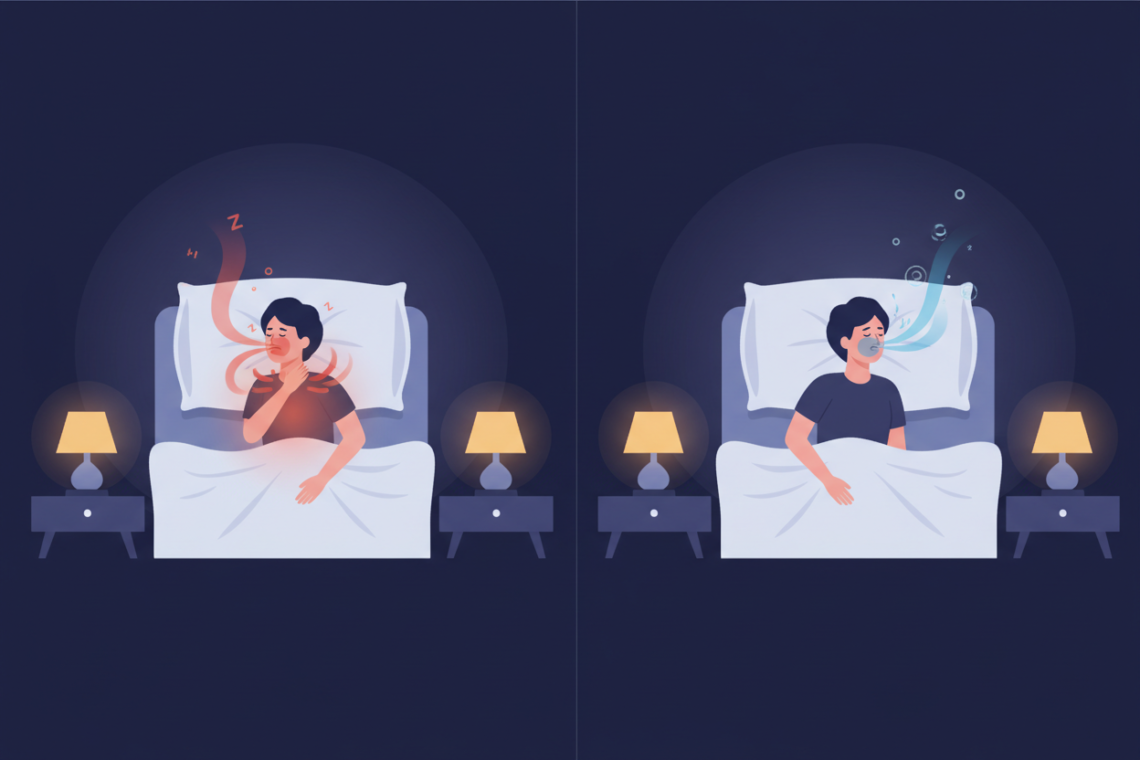
Why Sleep Apnea Makes Asthma Worse at Night (And How to Stop It)
If you’ve ever found yourself gasping for air in the middle of the night, struggling with both breathing difficulties and chest tightness, you might be dealing with a double whammy that affects millions of people worldwide. The connection between sleep apnea and asthma is more common than most people realize, and when these two conditions collide, they can create a perfect storm of nighttime breathing problems that leave you exhausted and frustrated.
As someone who has witnessed countless patients struggle with this challenging combination, I can tell you that understanding the relationship between sleep apnea and asthma is crucial for getting the restful sleep you deserve. The good news? Once you know what’s happening and why, there are effective strategies to break this cycle and reclaim your nights.

Understanding the Sleep Apnea and Asthma Connection
Sleep apnea and asthma might seem like completely separate conditions, but they’re actually intimately connected in ways that can significantly impact your quality of life. Sleep apnea occurs when your breathing repeatedly stops and starts during sleep, while asthma involves inflammation and narrowing of the airways that makes breathing difficult.
Research shows that people with asthma are significantly more likely to develop sleep apnea, and those with sleep apnea often experience worsening asthma symptoms. This isn’t just coincidence – there are real physiological reasons why these conditions feed off each other, particularly during nighttime hours when your body’s natural defenses are at their lowest.

The relationship becomes even more complex when you consider that both conditions can disrupt your sleep architecture, leading to fragmented rest that further compromises your respiratory system’s ability to function optimally. It’s a vicious cycle that can leave you feeling like you’re fighting an uphill battle every single night.
How Sleep Apnea Triggers Nighttime Asthma Attacks
When sleep apnea strikes during the night, it sets off a cascade of events that can trigger or worsen asthma symptoms. The repeated episodes of stopped breathing create significant stress on your cardiovascular system, leading to increased heart rate and blood pressure fluctuations that can affect your airways.
During an apnea episode, oxygen levels in your blood drop while carbon dioxide levels rise. This chemical imbalance triggers your body’s emergency response system, releasing stress hormones like adrenaline and cortisol. While these hormones help wake you up to resume breathing, they also cause inflammation throughout your body, including in your already sensitive airways.
The sudden awakening from sleep apnea episodes often involves gasping or choking sensations that can irritate your throat and upper airways. For someone with asthma, this irritation can quickly escalate into bronchospasm – the tightening of muscles around your airways that makes breathing even more difficult.
Additionally, the fragmented sleep caused by sleep apnea prevents your body from entering the deeper stages of sleep where natural anti-inflammatory processes occur. Without adequate deep sleep, your immune system becomes hyperactive, making your airways more reactive to triggers and more likely to become inflamed.
The Inflammatory Response: Why Everything Gets Worse at Night
Nighttime presents unique challenges for people dealing with both sleep apnea and asthma because of how our bodies naturally function during sleep. Your circadian rhythm influences inflammation levels throughout the day, with inflammatory markers typically peaking during the early morning hours – precisely when many people experience their worst asthma symptoms.
Sleep apnea amplifies this natural inflammatory response by creating additional oxidative stress each time your breathing stops and starts. Think of it like repeatedly holding your breath and then gasping for air – your body interprets these episodes as threats and responds with increased inflammation to protect itself.
This inflammatory cascade doesn’t just affect your airways directly. It also impacts your nervous system, making you more sensitive to asthma triggers like dust mites, pet dander, or changes in temperature and humidity. What might not bother you during the day can suddenly become a significant trigger when your inflammatory levels are elevated from sleep apnea episodes.
The positioning changes that occur during sleep can also contribute to the problem. Lying flat can cause gastroesophageal reflux, which is more common in people with sleep apnea. When stomach acid backs up into your esophagus and potentially reaches your airways, it can trigger asthma symptoms and create additional inflammation.
Recognizing the Warning Signs and Symptoms
Identifying whether sleep apnea is contributing to your nighttime asthma symptoms requires paying attention to specific patterns and warning signs. Many people dismiss these symptoms as just “bad asthma nights,” but recognizing the connection can be the first step toward better treatment.
Classic signs that sleep apnea might be worsening your asthma include waking up multiple times during the night with breathing difficulties, morning headaches, excessive daytime fatigue despite spending adequate time in bed, and a partner reporting that you snore loudly or stop breathing during sleep.
You might also notice that your asthma symptoms seem worse in the early morning hours, typically between 4 AM and 6 AM. This timing coincides with both natural circadian rhythm changes and the period when sleep apnea episodes often become more frequent and severe.
Other red flags include difficulty concentrating during the day, mood changes like irritability or depression, and finding that your usual asthma medications seem less effective at night. Some people also experience a dry mouth upon waking, which can indicate mouth breathing due to nasal obstruction – a common contributor to both conditions.
Proven Strategies to Break the Cycle
Breaking the cycle of sleep apnea worsening asthma requires a multi-faceted approach that addresses both conditions simultaneously. The most effective strategy often involves treating the sleep apnea first, as improving your sleep quality can significantly reduce nighttime asthma symptoms.
Continuous Positive Airway Pressure (CPAP) therapy remains the gold standard for treating moderate to severe sleep apnea. By keeping your airways open throughout the night, CPAP prevents the oxygen drops and inflammatory responses that trigger asthma symptoms. Many patients report dramatic improvements in their nighttime asthma within just a few weeks of starting CPAP therapy.
Weight management plays a crucial role in managing both conditions. Even modest weight loss can reduce the severity of sleep apnea while also improving asthma control. The reduced inflammation that comes with maintaining a healthy weight benefits both your airways and your overall sleep quality.
Optimizing your sleep environment is equally important. Keep your bedroom cool, ideally between 65-68 degrees Fahrenheit, and maintain humidity levels between 40-50%. Use allergen-proof covers on your mattress and pillows, and consider an air purifier to reduce airborne triggers that could worsen asthma symptoms during vulnerable nighttime hours.
Medical Treatment Options That Work
Working with healthcare providers who understand the connection between sleep apnea and asthma is essential for developing an effective treatment plan. This often requires coordination between your primary care physician, pulmonologist, and potentially a sleep specialist.
For sleep apnea treatment, options beyond CPAP include oral appliances that reposition your jaw and tongue to keep airways open, and in some cases, surgical interventions to remove excess tissue or correct structural abnormalities. The right choice depends on the severity of your sleep apnea and your individual anatomy.
Asthma management in the context of sleep apnea often requires adjusting medication timing and types. Long-acting bronchodilators taken before bedtime can help keep airways open throughout the night, while inhaled corticosteroids help reduce the baseline inflammation that makes you more susceptible to sleep apnea-triggered symptoms.
Some patients benefit from combination therapy that includes both asthma controller medications and sleep apnea treatment devices. Your healthcare team can help determine the optimal combination based on your specific symptoms and sleep study results.
Lifestyle Changes for Better Sleep and Breathing
Simple lifestyle modifications can have a profound impact on both sleep apnea and asthma symptoms. Establishing a consistent sleep schedule helps regulate your circadian rhythm and can reduce the inflammatory peaks that occur during nighttime hours.
Avoiding alcohol and sedatives before bedtime is particularly important when you have both conditions. These substances relax the muscles in your throat, making sleep apnea worse, while also potentially interfering with your body’s natural response to asthma triggers.
Sleeping position matters more than you might think. Elevating the head of your bed by 6-8 inches can help reduce both sleep apnea episodes and gastroesophageal reflux that might trigger asthma symptoms. Side sleeping is generally better than back sleeping for people with sleep apnea.
Regular exercise, particularly activities that strengthen your respiratory muscles, can improve both conditions over time. However, timing matters – exercising too close to bedtime can increase inflammation and make sleep more difficult. Aim to finish vigorous exercise at least 3-4 hours before your planned bedtime.
Taking Control of Your Nighttime Breathing
Living with both sleep apnea and asthma doesn’t have to mean accepting poor sleep and constant nighttime struggles. Understanding how these conditions interact gives you the power to address them effectively and reclaim your nights.
The key is recognizing that treating one condition in isolation often isn’t enough – you need a comprehensive approach that addresses both the sleep apnea and the asthma simultaneously. This might seem overwhelming at first, but with the right medical support and commitment to lifestyle changes, most people see significant improvements in their symptoms.
Remember that improvement takes time, and what works for one person might need adjustment for another. Be patient with the process, keep detailed records of your symptoms and treatments, and maintain open communication with your healthcare team. With persistence and the right approach, you can break the cycle of sleep apnea worsening your asthma and finally get the restful, restorative sleep your body needs to heal and thrive.
Take Control of Your Nighttime Breathing
Don’t let sleep apnea silently accelerate your lung disease. Discover the natural breathing protocol that thousands of respiratory patients are using to restore healthy sleep patterns and protect their lung function.
