
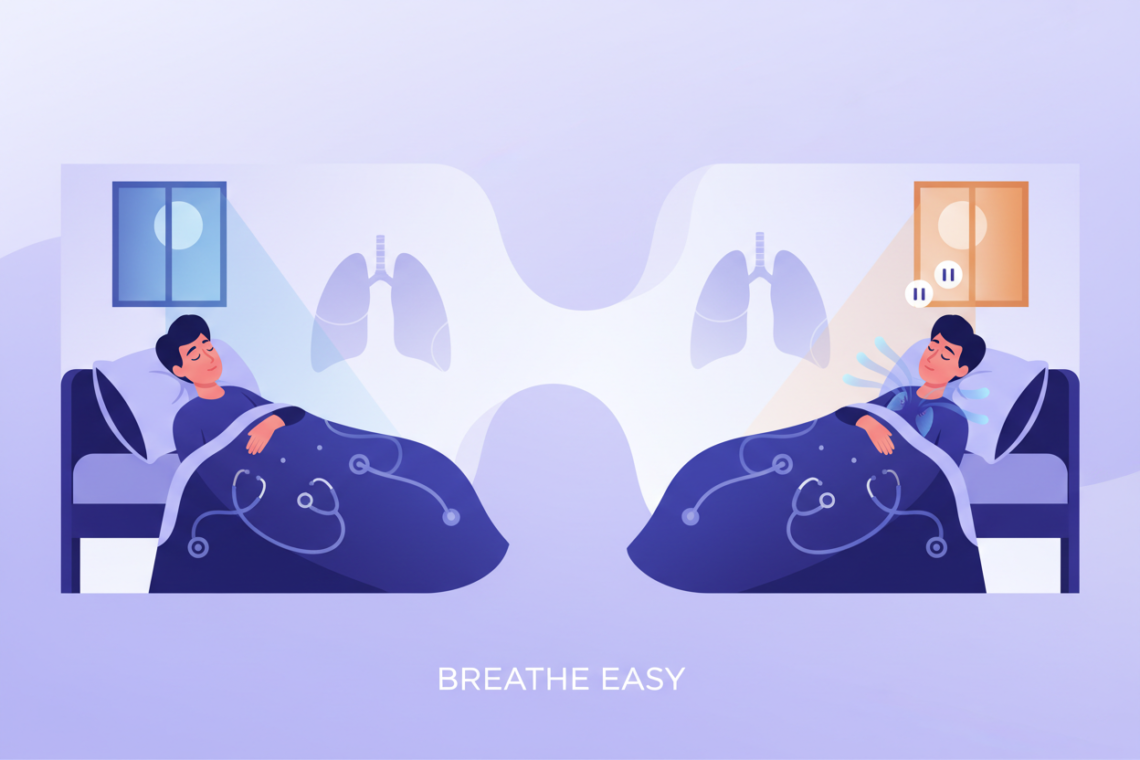
Symptom Spotting: A COPD Patient’s Guide to Sleep Apnea Recognition
Living with Chronic Obstructive Pulmonary Disease (COPD) already presents daily challenges with breathing, energy levels, and overall quality of life. However, many COPD patients face an additional complication that often goes undiagnosed: sleep apnea. The overlap between these two conditions creates what medical professionals call “overlap syndrome,” affecting up to 15% of COPD patients and significantly impacting their health outcomes.
If you’re managing COPD, understanding the warning signs of sleep apnea becomes crucial for your overall respiratory health. While both conditions affect your breathing, they do so in different ways and at different times, making recognition particularly challenging. This guide will help you identify the subtle and not-so-subtle symptoms that might indicate you’re dealing with both conditions simultaneously.
Understanding the COPD and Sleep Apnea Connection
The relationship between COPD and sleep apnea isn’t coincidental. Both conditions share common risk factors, including smoking history, obesity, and age-related changes in respiratory function. When you have COPD, your airways are already compromised due to inflammation and structural changes. Adding sleep apnea to the mix creates a perfect storm of breathing difficulties.
Sleep apnea occurs when your upper airway repeatedly collapses during sleep, causing breathing interruptions that can last from seconds to minutes. For someone with COPD, these interruptions become even more problematic because your lungs are already working harder to maintain adequate oxygen levels. The combination can lead to more severe oxygen drops during sleep and increased strain on your cardiovascular system.
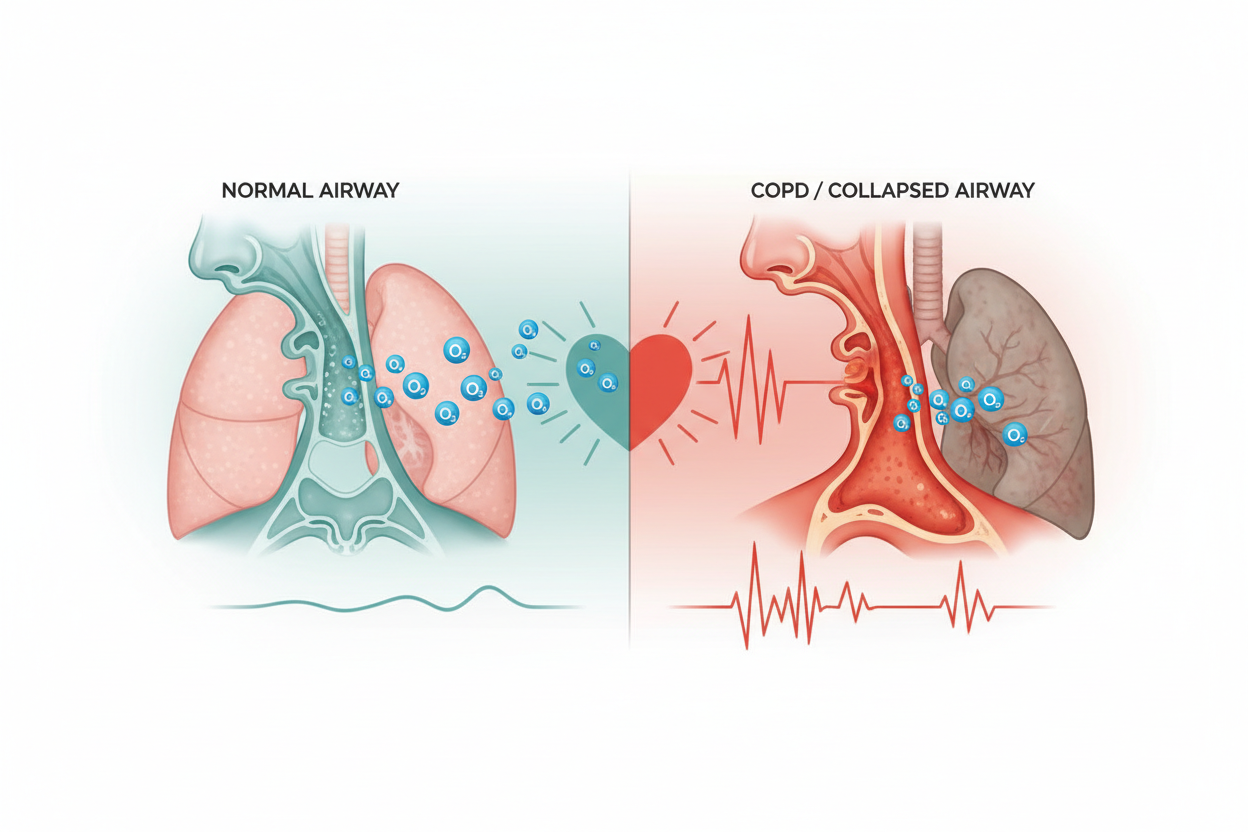
Research shows that COPD patients with concurrent sleep apnea experience worse outcomes, including more frequent hospitalizations, increased mortality risk, and accelerated disease progression. This makes early recognition and treatment of sleep apnea symptoms particularly important for anyone managing COPD.
Nighttime Symptoms That Shouldn’t Be Ignored
While you might attribute poor sleep to your COPD symptoms, certain nighttime signs specifically point toward sleep apnea. The most obvious symptom is loud, chronic snoring that’s punctuated by periods of silence followed by gasping or choking sounds. However, as a COPD patient, you might already experience some breathing irregularities during sleep, making this distinction challenging.
Pay attention to witnessed breathing interruptions. If your partner notices that you stop breathing for periods during the night, this is a strong indicator of sleep apnea. These pauses typically last 10 seconds or longer and are often followed by loud snorts or gasps as breathing resumes. The frequency of these events determines the severity of sleep apnea.
Night sweats and frequent urination can also signal sleep apnea in COPD patients. The repeated oxygen drops trigger stress responses in your body, leading to increased sweating and hormone fluctuations that affect kidney function. If you’re waking up drenched in sweat or making multiple bathroom trips nightly, these symptoms warrant investigation beyond your COPD management.
Restless sleep and frequent position changes might seem normal when you’re dealing with COPD-related breathing difficulties, but they can also indicate sleep apnea. Your body instinctively tries to find positions that keep airways open, leading to tossing and turning throughout the night.
Daytime Warning Signs and Symptoms
The effects of sleep apnea extend well beyond nighttime hours, creating daytime symptoms that can significantly overlap with COPD-related fatigue and cognitive issues. However, certain patterns can help distinguish sleep apnea symptoms from those caused solely by COPD.
Excessive daytime sleepiness represents one of the most common and disruptive symptoms of sleep apnea. While COPD can certainly cause fatigue due to increased work of breathing, sleep apnea-related sleepiness tends to be more severe and unrefreshing. You might find yourself falling asleep during conversations, while watching television, or even during activities that require attention.
Morning headaches occur frequently in people with sleep apnea due to elevated carbon dioxide levels that build up during breathing interruptions. These headaches typically occur upon waking and gradually improve throughout the morning. If you’re experiencing regular morning headaches that differ from your usual COPD-related symptoms, this could indicate concurrent sleep apnea.
Cognitive changes, including difficulty concentrating, memory problems, and irritability, can result from the fragmented sleep caused by sleep apnea. While COPD can also affect cognitive function due to chronic oxygen level fluctuations, sleep apnea tends to cause more pronounced issues with attention and short-term memory.
Mood changes, particularly depression and anxiety, are common in both COPD and sleep apnea patients. However, the combination of both conditions can create a more severe psychological impact. The chronic sleep disruption from sleep apnea, combined with the stress of managing COPD, can lead to significant mood disorders that require professional attention.
Physical Signs and Risk Factors
Certain physical characteristics and risk factors increase the likelihood of developing sleep apnea, especially in COPD patients. Understanding these factors can help you assess your personal risk and communicate more effectively with your healthcare provider.
Neck circumference plays a significant role in sleep apnea risk. Men with neck circumferences greater than 17 inches and women with measurements exceeding 16 inches face increased risk. The extra tissue around the neck can contribute to airway collapse during sleep, particularly when combined with the inflammatory changes already present in COPD patients.
Weight gain, even modest amounts, can significantly impact sleep apnea risk in COPD patients. Extra weight around the chest and abdomen increases the work of breathing, while weight around the neck and throat can contribute to airway obstruction. Many COPD patients experience weight fluctuations due to medication effects, reduced activity levels, or appetite changes, making weight monitoring particularly important.
Facial structure and airway anatomy also influence sleep apnea risk. A receding chin, enlarged tongue, or narrow airway can predispose you to breathing interruptions during sleep. While you can’t change these anatomical features, being aware of them helps your healthcare team assess your risk and recommend appropriate screening.
Age-related changes affect both COPD and sleep apnea risk. As we age, muscle tone decreases throughout the body, including the muscles that keep our airways open during sleep. For COPD patients, who may already have compromised respiratory muscle function, these age-related changes can have a more pronounced impact on sleep breathing.
When Symptoms Overlap: Distinguishing Between Conditions
The challenge for many COPD patients lies in distinguishing between symptoms caused by their existing lung disease and those that might indicate concurrent sleep apnea. Both conditions can cause shortness of breath, fatigue, and sleep disturbances, making self-assessment difficult.
Timing of symptoms provides important clues. COPD symptoms typically worsen with physical activity and may improve with rest and proper medication use. Sleep apnea symptoms, however, are most pronounced upon waking and during periods of inactivity. If you notice that your worst symptoms occur in the morning or that you feel most tired despite adequate rest, sleep apnea might be contributing to your overall symptom burden.
The pattern of breathing difficulties also differs between conditions. COPD-related breathing problems are usually consistent and related to airflow obstruction and inflammation. Sleep apnea breathing interruptions are episodic and specifically occur during sleep, though the effects carry over into daytime hours.
Response to COPD treatments can also provide clues. If you’re compliant with your COPD medications and treatments but continue to experience worsening fatigue, poor sleep quality, or declining overall health, sleep apnea might be an unaddressed contributing factor.
The Importance of Professional Evaluation
While recognizing potential sleep apnea symptoms is important, professional evaluation remains essential for accurate diagnosis and treatment planning. Sleep apnea diagnosis requires objective testing that measures breathing patterns, oxygen levels, and sleep architecture throughout the night.
A sleep study, either conducted in a sleep laboratory or through home testing, provides the definitive diagnosis of sleep apnea. For COPD patients, these studies are particularly valuable because they can identify the specific type and severity of sleep apnea, as well as how it interacts with existing COPD symptoms.
Your pulmonologist or primary care physician can help coordinate sleep apnea evaluation and ensure that any treatment recommendations integrate well with your existing COPD management plan. This coordinated approach is crucial because treatments for both conditions need to work together rather than against each other.
Early diagnosis and treatment of sleep apnea in COPD patients can lead to significant improvements in quality of life, reduced hospitalization rates, and better overall disease management. The sooner you address potential sleep apnea symptoms, the sooner you can experience these benefits.
Moving Forward: Next Steps for Better Sleep and Breathing
If you recognize several of the symptoms described in this guide, don’t wait to seek evaluation. Keep a detailed symptom diary for a few weeks, noting sleep quality, daytime fatigue levels, and any breathing difficulties during different times of day. This information will be valuable when discussing your concerns with healthcare providers.
Consider asking your sleep partner or family members to observe your sleep patterns and report any concerning behaviors like loud snoring, breathing interruptions, or restless sleep. Their observations can provide crucial information that you might not be aware of during sleep.
Remember that having both COPD and sleep apnea doesn’t mean your situation is hopeless. Effective treatments exist for both conditions, and managing sleep apnea can actually improve your COPD symptoms and overall quality of life. Many patients report significant improvements in energy levels, mood, and breathing once their sleep apnea is properly treated.
Taking charge of your respiratory health means addressing all potential contributing factors, including sleep-related breathing disorders. By staying vigilant about symptoms and working closely with your healthcare team, you can optimize your treatment approach and enjoy better sleep, breathing, and overall well-being. Your journey with COPD is challenging enough without the added burden of undiagnosed sleep apnea – recognizing the signs is the first step toward comprehensive respiratory care.
Take Control of Your Nighttime Breathing
Don’t let sleep apnea silently accelerate your lung disease. Discover the natural breathing protocol that thousands of respiratory patients are using to restore healthy sleep patterns and protect their lung function.
