
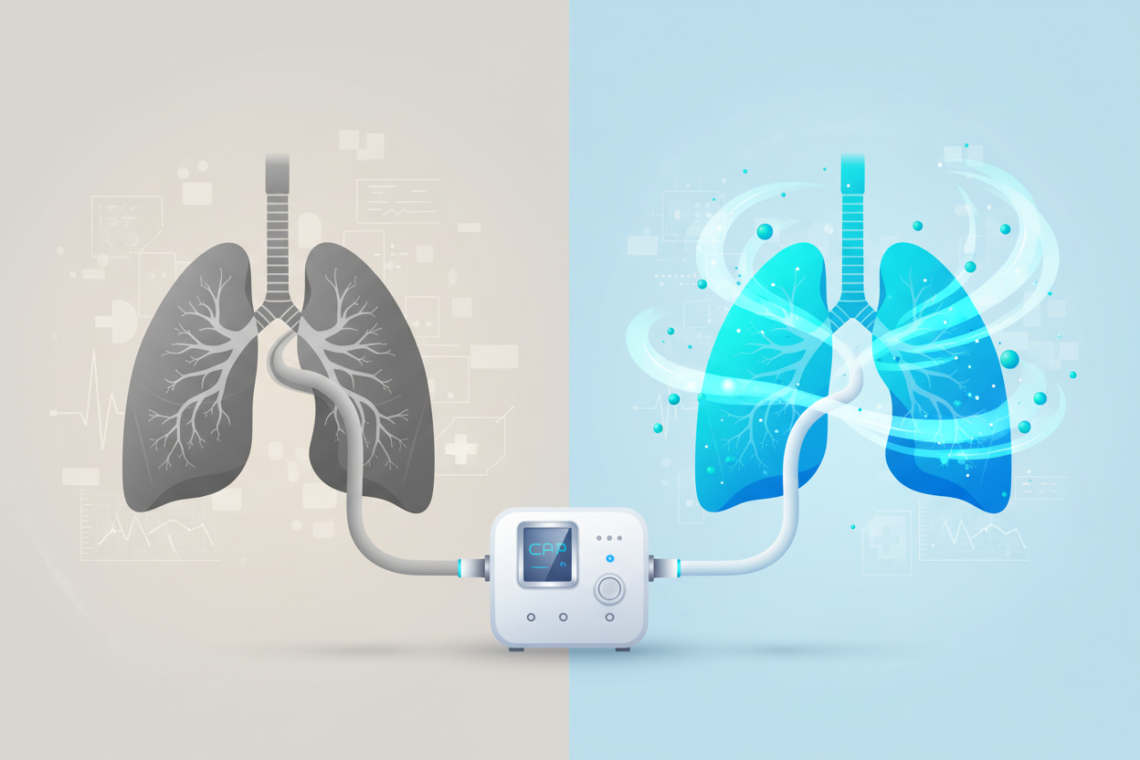
CPAP Chronicles: Documenting Lung Function Improvements in COPD
Living with Chronic Obstructive Pulmonary Disease (COPD) can feel like running a marathon while breathing through a straw. Every breath becomes precious, and sleep often turns into a battlefield where oxygen levels drop and restless nights become the norm. However, there’s a growing body of evidence suggesting that Continuous Positive Airway Pressure (CPAP) therapy, traditionally used for sleep apnea, might offer unexpected benefits for COPD patients. Let’s explore how this remarkable device is changing lives and improving lung function in ways that medical professionals are just beginning to fully understand.
Understanding the COPD-Sleep Connection
COPD affects millions of people worldwide, making it increasingly difficult for the lungs to move air in and out effectively. What many don’t realize is that sleep becomes particularly challenging for those battling this condition. During sleep, our breathing naturally becomes shallower and less regular. For someone with already compromised lung function, this can lead to dangerous drops in blood oxygen levels.

The relationship between COPD and sleep disorders is more intertwined than most people imagine. Studies show that up to 65% of COPD patients experience some form of sleep-disordered breathing. This creates a vicious cycle where poor sleep quality leads to increased inflammation, weakened immune function, and accelerated disease progression.
When Sarah, a 58-year-old teacher from Portland, first started using CPAP therapy, she wasn’t expecting miracles. Her primary concern was addressing her newly diagnosed sleep apnea. However, within weeks, she noticed something remarkable happening to her COPD symptoms. Her morning coughing fits became less severe, and she found herself reaching for her rescue inhaler far less frequently during the day.
How CPAP Therapy Works for COPD Patients
CPAP machines work by delivering a constant stream of pressurized air through a mask, keeping the airways open throughout the night. While this mechanism was originally designed to prevent the airway collapse seen in sleep apnea, researchers have discovered that the benefits extend far beyond simple airway maintenance for COPD patients.
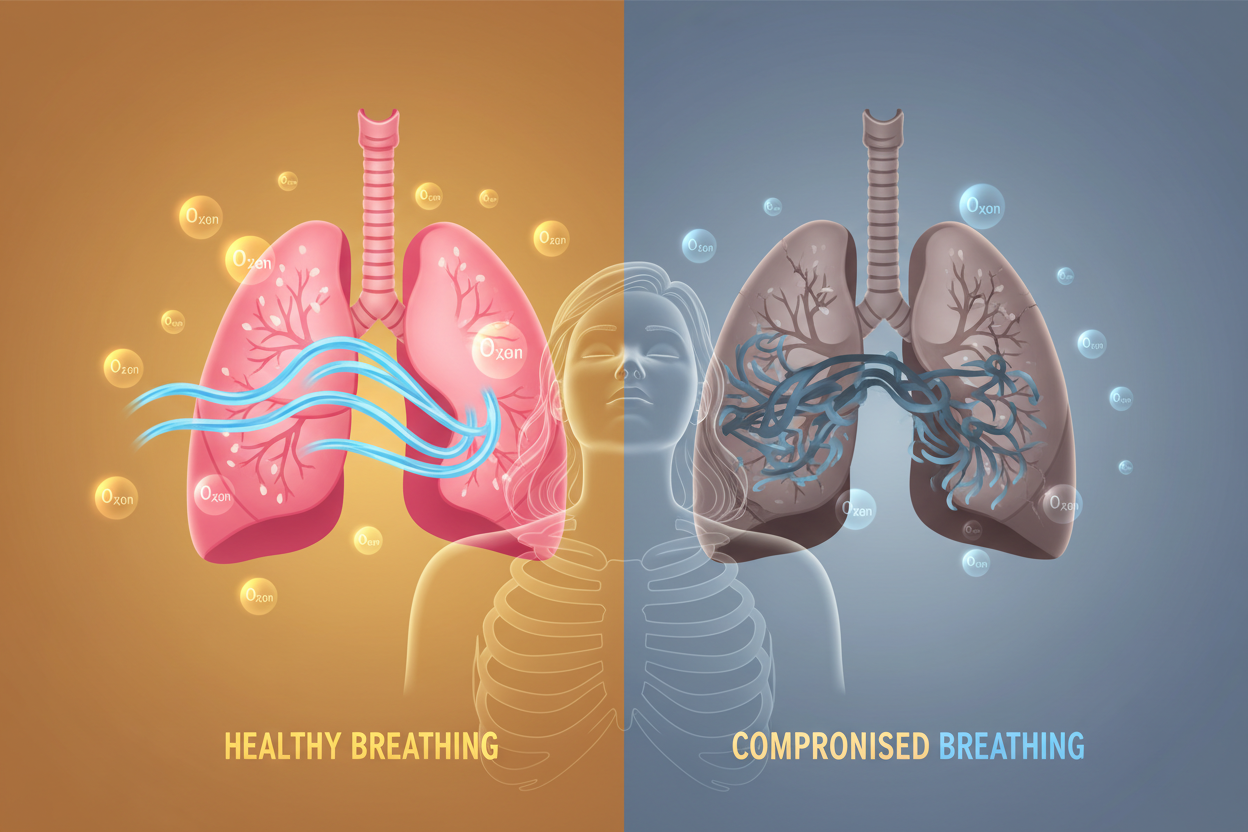
The continuous positive pressure serves multiple functions for those with compromised lung function. First, it helps maintain optimal oxygen saturation levels throughout the night, preventing the dangerous dips that can strain the heart and other organs. Second, the positive pressure can actually assist with the mechanics of breathing, reducing the work load on already fatigued respiratory muscles.
Dr. Michael Chen, a pulmonologist at Johns Hopkins, explains it this way: “Think of CPAP as a gentle helper for tired lungs. It’s not doing the breathing for the patient, but it’s making each breath more efficient and less taxing on the system.”
Real-World Success Stories and Clinical Evidence
The evidence supporting CPAP use in COPD patients continues to mount, with both clinical studies and personal testimonials painting an encouraging picture. A recent study published in the American Journal of Respiratory Medicine followed 200 COPD patients using CPAP therapy for six months. The results were striking: 78% showed measurable improvements in lung function tests, while 85% reported better sleep quality and daytime energy levels.
Take the case of Robert, a 65-year-old retired mechanic who had been struggling with moderate COPD for over a decade. His pulmonary function tests showed a steady decline year after year, despite following his medication regimen religiously. After starting CPAP therapy, his next set of tests showed the first improvement in his FEV1 scores in five years. More importantly to Robert, he could finally sleep through the night without waking up gasping for air.
These improvements aren’t just statistical anomalies. They represent real changes in quality of life that extend far beyond the bedroom. Patients report having more energy for daily activities, experiencing fewer COPD exacerbations, and requiring less frequent adjustments to their medication regimens.
Measuring and Tracking Lung Function Improvements
Documenting improvements in lung function requires a systematic approach that goes beyond simply feeling better. Healthcare providers use several key metrics to assess progress in COPD patients using CPAP therapy. The most common measurements include Forced Expiratory Volume in one second (FEV1), Forced Vital Capacity (FVC), and overnight oxygen saturation levels.
Many patients find it helpful to maintain a daily symptom journal, tracking factors like morning cough severity, shortness of breath during activities, and overall energy levels. Modern CPAP machines also provide detailed data about usage patterns, air leak rates, and breathing events, creating a comprehensive picture of treatment effectiveness.
Margaret, a 62-year-old artist from Seattle, started keeping detailed records when she began CPAP therapy. Her spreadsheet tracked everything from her peak flow readings to how many flights of stairs she could climb without stopping. Over six months, she documented a 15% improvement in her peak flow readings and went from managing only one flight of stairs to confidently tackling three.
Optimizing CPAP Settings for COPD Benefits
Not all CPAP therapy is created equal, especially when it comes to COPD patients. The pressure settings, mask selection, and even the timing of therapy can significantly impact the benefits received. Working closely with a sleep medicine specialist or pulmonologist becomes crucial for maximizing the therapeutic potential.
Some COPD patients benefit from BiPAP (Bilevel Positive Airway Pressure) machines, which provide different pressure levels for inhalation and exhalation. This can be particularly helpful for those who struggle with the constant pressure of traditional CPAP machines or have more severe respiratory compromise.
The mask selection process also requires special consideration for COPD patients. Those who are mouth breathers or experience frequent congestion might benefit from full-face masks, while others find nasal masks more comfortable and less claustrophobic. The key is finding a setup that promotes consistent, nightly use.
Overcoming Common Challenges and Concerns
Starting CPAP therapy isn’t always smooth sailing, and COPD patients may face unique challenges that require patience and persistence. Some worry that the additional air pressure might worsen their breathing difficulties, while others struggle with mask comfort or feelings of claustrophobia.
The adjustment period typically lasts anywhere from a few days to several weeks. During this time, it’s common to experience some nasal congestion, dry mouth, or difficulty falling asleep with the mask. However, most patients find these issues resolve as they become accustomed to the therapy.
Tom, a 59-year-old construction supervisor, almost gave up on CPAP therapy after his first week. The mask felt uncomfortable, and he worried the air pressure was making his COPD symptoms worse. His sleep technician worked with him to try different masks and gradually increase the pressure settings. By week three, Tom was sleeping better than he had in years, and his morning COPD symptoms had noticeably improved.
The Future of COPD and CPAP Integration
As our understanding of the relationship between sleep and respiratory health continues to evolve, the integration of CPAP therapy into comprehensive COPD management plans is becoming more sophisticated. Researchers are exploring advanced algorithms that can adjust pressure settings in real-time based on breathing patterns, potentially offering even greater benefits for COPD patients.
Telemedicine integration is also changing how patients receive support and monitoring. Many newer CPAP machines can transmit usage data directly to healthcare providers, allowing for remote monitoring and timely adjustments without requiring frequent office visits.
The development of more comfortable, quieter, and user-friendly CPAP devices continues to improve compliance rates. Some manufacturers are even exploring portable options that could provide therapeutic benefits during daytime rest periods, potentially offering around-the-clock respiratory support for severe COPD patients.
Building Your COPD-CPAP Success Plan
If you’re considering CPAP therapy as part of your COPD management strategy, the first step is having an honest conversation with your pulmonologist or primary care physician. They can help determine if you’re a good candidate for therapy and coordinate the necessary sleep studies and equipment fitting.
Preparation is key to success. Before starting therapy, create a comfortable sleep environment, establish a consistent bedtime routine, and set realistic expectations for the adjustment period. Remember that the benefits often take time to become apparent, and consistency is crucial for achieving optimal results.
Consider connecting with support groups, either in person or online, where you can share experiences and tips with other COPD patients using CPAP therapy. The encouragement and practical advice from others who understand your journey can be invaluable during challenging moments.
Conclusion: Breathing Easier Through the Night and Beyond
The intersection of COPD management and CPAP therapy represents an exciting frontier in respiratory medicine. While not every COPD patient will benefit from CPAP therapy, the growing evidence suggests that for many, it can offer significant improvements in lung function, sleep quality, and overall quality of life.
The stories of Sarah, Robert, Margaret, and Tom illustrate the very real potential for positive change that CPAP therapy can bring to COPD patients. Their experiences remind us that sometimes the most profound improvements come from addressing the fundamental need for restorative sleep.
As we continue to document and understand these lung function improvements, one thing becomes clear: the relationship between sleep and respiratory health is far more significant than we once realized. For COPD patients struggling with nighttime breathing difficulties, CPAP therapy might just be the key to unlocking better days through better nights.
If you’re living with COPD and experiencing sleep difficulties, don’t hesitate to explore whether CPAP therapy might be right for you. The journey to better breathing might begin with a single good night’s sleep.
Take Control of Your Nighttime Breathing
Don’t let sleep apnea silently accelerate your lung disease. Discover the natural breathing protocol that thousands of respiratory patients are using to restore healthy sleep patterns and protect their lung function.
