

Beyond CPAP: 10 Non-Invasive Treatments for Overlap Syndrome
If you’ve been diagnosed with overlap syndrome—the challenging combination of chronic obstructive pulmonary disease (COPD) and obstructive sleep apnea (OSA)—you’re likely familiar with the traditional CPAP therapy recommendation. While continuous positive airway pressure machines remain a cornerstone treatment, many patients find themselves searching for alternatives due to discomfort, compliance issues, or simply wanting to explore additional therapeutic options.
Living with overlap syndrome affects approximately 1% of the general population, but this percentage jumps significantly among COPD patients. The condition creates a perfect storm of breathing difficulties that can severely impact your quality of life, leading to increased hospitalizations, cardiovascular complications, and daytime fatigue that goes beyond what either condition would cause alone.
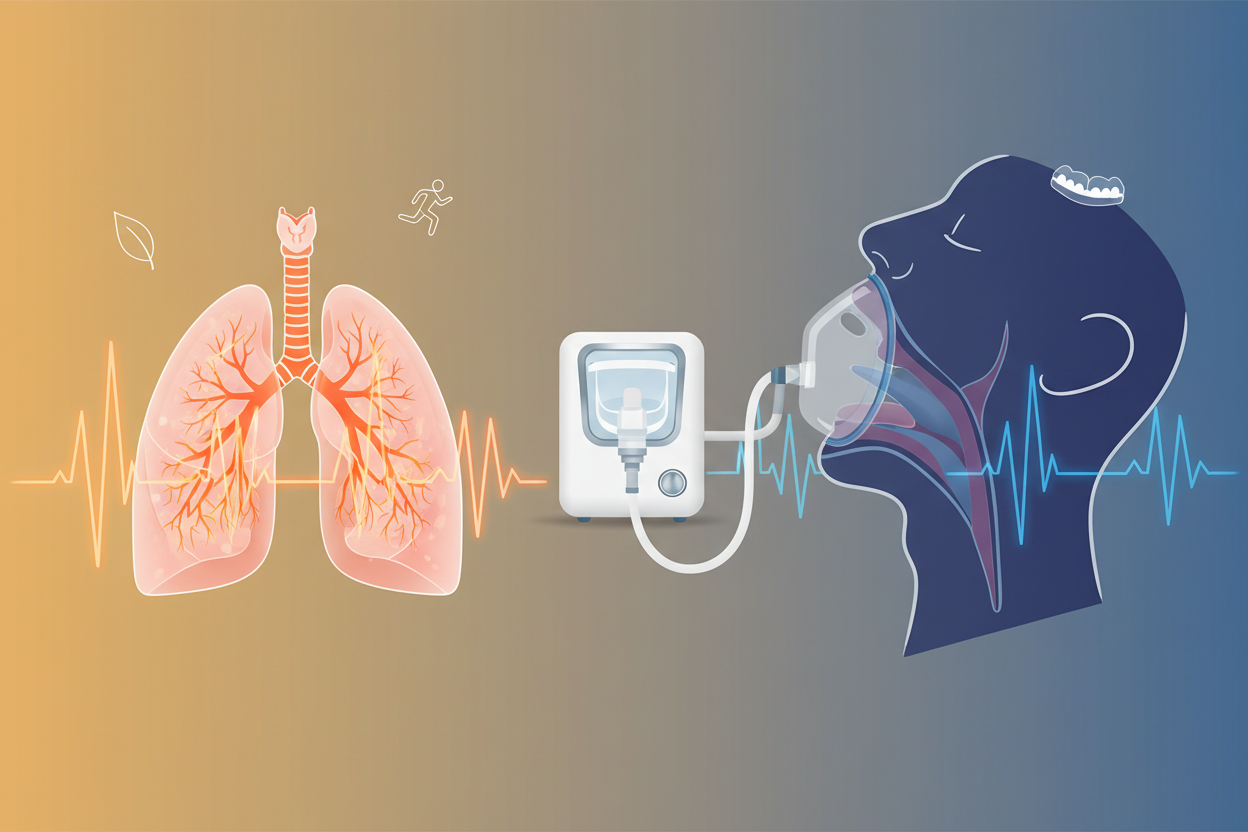
The good news? Medical advances have opened doors to numerous non-invasive treatments that can complement or, in some cases, serve as alternatives to traditional CPAP therapy. Let’s explore ten evidence-based approaches that might help you breathe easier and sleep better.
Understanding Overlap Syndrome: Why Standard Treatments Fall Short
Before diving into alternative treatments, it’s crucial to understand why overlap syndrome presents unique challenges. When COPD meets sleep apnea, patients experience what researchers call “double trouble.” During sleep, the already compromised breathing from COPD combines with the airway collapses characteristic of sleep apnea, creating prolonged periods of dangerously low oxygen levels.

Traditional CPAP therapy, while effective for many, can feel overwhelming for COPD patients who already struggle with breathing difficulties. The pressurized air can sometimes worsen the sensation of breathlessness, leading to poor compliance rates. This is where alternative approaches become not just helpful, but necessary for comprehensive care.
1. Bilevel Positive Airway Pressure (BiPAP) Therapy
Think of BiPAP as CPAP’s more sophisticated cousin. Unlike CPAP, which delivers constant pressure, BiPAP provides two different pressure levels—higher pressure during inhalation and lower pressure during exhalation. This breathing pattern feels more natural for COPD patients and can significantly improve comfort and compliance.
Many patients report that BiPAP feels less claustrophobic and more like natural breathing. The technology has evolved to include auto-adjusting features that respond to your breathing patterns throughout the night, making it an excellent stepping stone for those who struggle with traditional CPAP.
2. Adaptive Servo-Ventilation (ASV) Technology
Adaptive servo-ventilation represents the cutting edge of sleep therapy technology. This intelligent system continuously monitors your breathing patterns and adjusts support in real-time. For overlap syndrome patients who experience complex breathing irregularities, ASV can provide precisely the right amount of support when needed.
What makes ASV particularly appealing is its ability to prevent both obstructive events and the central sleep apnea episodes that sometimes develop in COPD patients. It’s like having a personalized breathing coach that works while you sleep.
3. Positional Sleep Therapy Solutions
Sometimes the simplest solutions prove most effective. Research shows that many people with overlap syndrome experience significantly fewer breathing events when sleeping on their side rather than their back. Modern positional therapy goes far beyond the old “tennis ball sewn to pajamas” approach.
Today’s positional devices include comfortable chest-worn sensors that gently vibrate when you roll onto your back, smart pillows that inflate to encourage side sleeping, and even smartphone apps that track your sleep position. These solutions work particularly well for patients whose sleep apnea is primarily positional.
4. Oral Appliance Therapy: Custom Solutions for Better Sleep
Dental sleep medicine has revolutionized treatment options for many overlap syndrome patients. Custom-fitted oral appliances work by gently repositioning your jaw and tongue to keep airways open during sleep. These devices look similar to sports mouth guards but are precisely calibrated for your unique anatomy.
The beauty of oral appliances lies in their simplicity and portability. There’s no electricity required, no masks to worry about, and they’re perfect for travel. Many patients find them particularly appealing because they don’t interfere with their ability to breathe through their mouth, which can be important for COPD patients during respiratory flares.
5. Inspiratory Muscle Training Programs
Your breathing muscles, like any other muscles in your body, can be strengthened through targeted exercise. Inspiratory muscle training involves using specialized devices that create resistance as you breathe in, gradually building the strength and endurance of your diaphragm and other respiratory muscles.
Studies have shown that stronger inspiratory muscles can help reduce the severity of both COPD symptoms and sleep apnea events. These training programs typically involve 15-30 minutes of daily exercises and can be done while watching television or reading. The improvement in breathing strength often translates to better sleep quality and reduced daytime fatigue.
6. Weight Management and Metabolic Optimization
While not always the complete answer, weight management plays a crucial role in managing overlap syndrome. Excess weight, particularly around the neck and abdomen, can worsen both COPD symptoms and sleep apnea severity. Even modest weight loss—as little as 10% of body weight—can lead to significant improvements in breathing during sleep.
The challenge for many overlap syndrome patients is that traditional exercise can be difficult due to breathing limitations. This is where medically supervised weight management programs become invaluable, incorporating breathing techniques, modified exercise programs, and nutritional counseling specifically designed for people with respiratory conditions.
7. Sleep Hygiene and Environmental Modifications
Creating the optimal sleep environment can significantly impact overlap syndrome symptoms. This goes beyond basic sleep hygiene to include specific modifications that address both COPD and sleep apnea challenges. Elevating the head of your bed, maintaining optimal humidity levels, and ensuring excellent air quality become critical factors.
Many patients find relief by using air purifiers to reduce respiratory irritants, adjusting bedroom temperature to prevent overheating (which can worsen sleep apnea), and establishing consistent sleep schedules that work with their COPD medication timing. These environmental changes, while seemingly simple, can provide substantial improvements in sleep quality.
8. Breathing Technique Training and Pulmonary Rehabilitation
Learning proper breathing techniques can be transformative for overlap syndrome patients. Pulmonary rehabilitation programs teach methods like pursed-lip breathing, diaphragmatic breathing, and paced breathing that can improve both daytime COPD management and nighttime breathing stability.
These programs typically run 6-12 weeks and combine education, exercise training, and breathing technique instruction. Participants often report not only improved breathing during the day but also better sleep quality and reduced anxiety around breathing difficulties. The techniques learned become lifelong tools for managing symptoms.
9. Pharmacological Sleep Optimization
While not involving devices or procedures, careful medication management represents a non-invasive approach to improving overlap syndrome symptoms. This might include optimizing COPD medications to reduce nighttime symptoms, addressing gastroesophageal reflux that can worsen both conditions, or carefully managing sleep medications that don’t suppress breathing.
Working with healthcare providers experienced in overlap syndrome is crucial, as many common sleep medications can actually worsen breathing problems in COPD patients. The goal is finding medications that improve sleep quality without compromising respiratory function.
10. Combination Therapy Approaches
Perhaps the most promising approach involves combining multiple non-invasive treatments tailored to your specific needs. This might mean using an oral appliance along with positional therapy, combining inspiratory muscle training with optimized sleep hygiene, or integrating weight management with breathing technique training.
The key to successful combination therapy lies in working with a healthcare team that understands the complex interplay between COPD and sleep apnea. What works best varies significantly from person to person, and finding your optimal combination often requires patience and systematic trial of different approaches.
Making the Right Choice for Your Situation
Choosing among these treatment options isn’t about finding a one-size-fits-all solution—it’s about discovering what works best for your unique situation, lifestyle, and preferences. Some patients thrive with high-tech solutions like ASV, while others find their answer in simpler approaches like positional therapy or breathing exercises.
The most successful patients often start with comprehensive evaluation by a sleep medicine specialist familiar with overlap syndrome, followed by systematic trials of different approaches. Keep detailed sleep and symptom diaries to track what helps and what doesn’t. Remember that what works may change over time as your condition evolves or as new treatments become available.
Living with overlap syndrome doesn’t mean you’re limited to uncomfortable CPAP therapy or poor sleep quality. These ten non-invasive treatment options offer hope for better nights and more energetic days. The key is staying informed, working closely with knowledgeable healthcare providers, and remaining open to trying different approaches until you find your path to better sleep and breathing.
Your journey with overlap syndrome is unique, and your treatment plan should be too. Don’t hesitate to advocate for yourself and explore these alternatives if traditional treatments aren’t meeting your needs. Better sleep and easier breathing may be closer than you think.
Take Control of Your Nighttime Breathing
Don’t let sleep apnea silently accelerate your lung disease. Discover the natural breathing protocol that thousands of respiratory patients are using to restore healthy sleep patterns and protect their lung function.
