
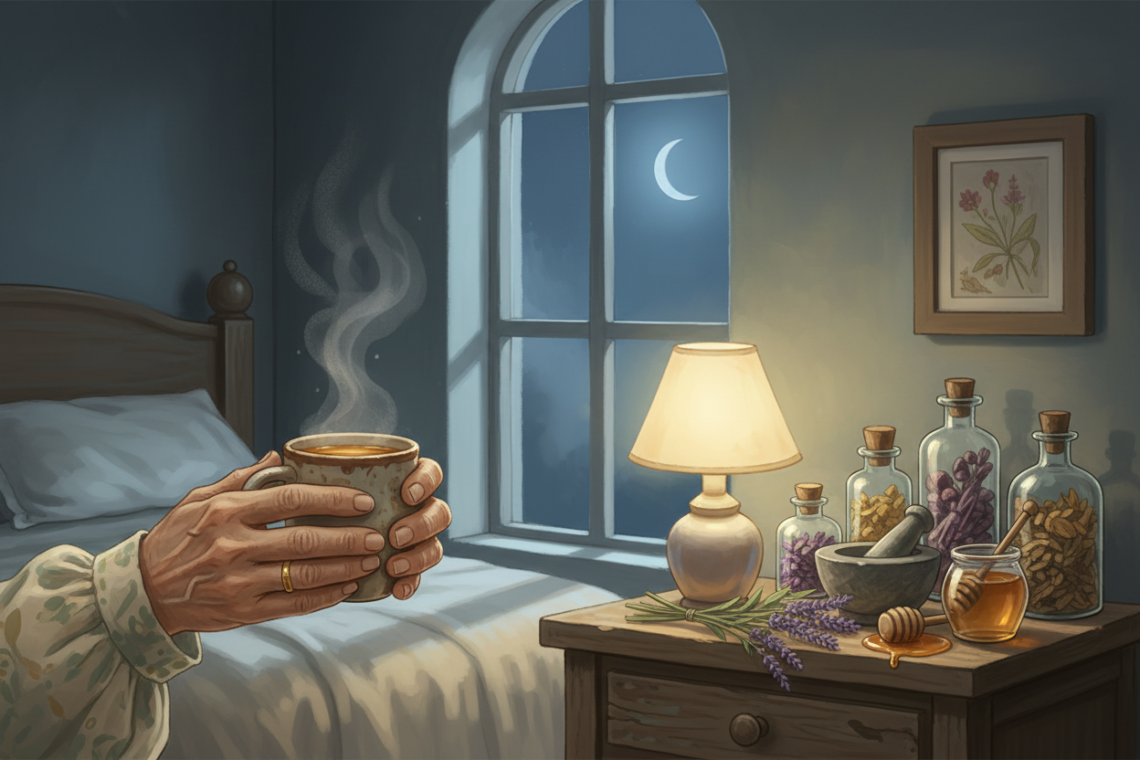
Grandma’s Remedies: Time-Tested Home Cures for Nocturnal Desaturation
There’s something profoundly comforting about the wisdom passed down through generations, especially when it comes to health remedies that have stood the test of time. If you’ve ever experienced that unsettling feeling of waking up gasping for air or noticed your loved one struggling with nighttime breathing issues, you’re not alone. Nocturnal desaturation – the drop in blood oxygen levels during sleep – affects millions of people worldwide, and our grandmothers often knew exactly what to do about it, long before modern medicine had a name for the condition.
While medical intervention is crucial for severe cases, many traditional home remedies can complement professional treatment and provide natural support for better nighttime breathing. These time-honored approaches, refined through generations of use, offer gentle yet effective ways to improve sleep quality and maintain healthier oxygen levels throughout the night.
Understanding Nocturnal Desaturation Through Traditional Eyes
Our ancestors might not have had pulse oximeters or sleep studies, but they certainly recognized the signs of poor nighttime breathing. They observed restless sleep, morning headaches, daytime fatigue, and that telltale blue tinge around the lips and fingernails that indicated insufficient oxygen. What they called “night troubles” or “poor sleep breathing” is what we now understand as nocturnal desaturation.
This condition occurs when blood oxygen levels drop below normal ranges during sleep, often due to sleep apnea, chronic obstructive pulmonary disease (COPD), or other respiratory conditions. The beauty of traditional remedies lies in their holistic approach – they don’t just address symptoms but work to support overall respiratory health and sleep quality.
The Power of Herbal Steam Therapy
One of grandma’s most trusted weapons against nighttime breathing troubles was the humble steam treatment. Long before modern humidifiers existed, our ancestors understood that moist, warm air could work wonders for congested airways and labored breathing.
The classic eucalyptus steam treatment involves adding a few drops of eucalyptus oil to a bowl of steaming hot water, then carefully inhaling the vapors while draped under a towel. This practice helps open airways, reduce inflammation, and clear mucus that might be contributing to nighttime oxygen drops. The menthol-like properties of eucalyptus act as natural bronchodilators, helping air flow more freely through the respiratory system.
For those sensitive to strong scents, a simple salt water steam can be equally effective. Dissolving a teaspoon of sea salt in hot water creates a gentle saline vapor that helps reduce airway inflammation and promotes clearer breathing. Many grandmothers swore by performing this ritual an hour before bedtime to prepare the respiratory system for a night of better breathing.
Positioning and Sleep Environment Wisdom
Perhaps no remedy is more universally recognized across cultures than the importance of proper sleep positioning. Grandmothers worldwide seemed to instinctively understand that how we position ourselves during sleep directly impacts our ability to breathe effectively throughout the night.
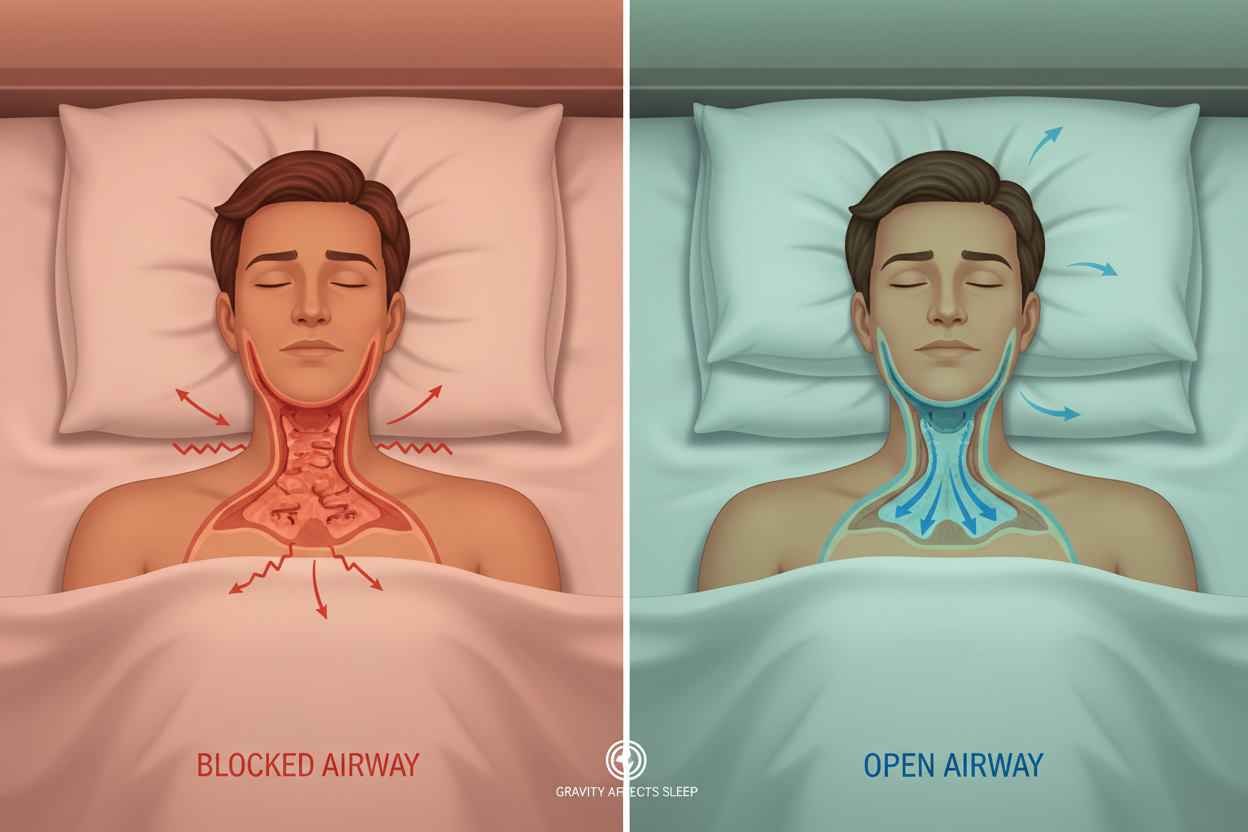
The elevated head position remains one of the most effective traditional approaches to preventing nocturnal desaturation. By propping the head and upper torso up with an extra pillow or two, gravity helps keep airways open and reduces the likelihood of soft tissue collapse that can obstruct breathing. This simple adjustment can make a remarkable difference for those experiencing mild to moderate nighttime oxygen drops.
Side sleeping, particularly on the left side, was another piece of ancestral wisdom that modern sleep medicine has validated. This position helps prevent the tongue and soft palate from falling backward and blocking the airway, while also improving circulation and reducing pressure on the diaphragm.
Kitchen Cabinet Remedies for Better Breathing
The traditional kitchen was essentially a pharmacy, stocked with ingredients that could address various health concerns. For nighttime breathing issues, several common household items served as powerful allies in maintaining healthy oxygen levels during sleep.
Honey, that golden elixir beloved by grandmothers everywhere, possesses remarkable anti-inflammatory and antimicrobial properties that can help soothe irritated airways. A tablespoon of raw honey mixed with warm water or herbal tea before bedtime can help reduce throat inflammation and promote clearer breathing passages. The thick consistency of honey also helps coat and protect the throat, reducing the irritation that can contribute to sleep disruption.
Ginger tea, another staple in traditional medicine cabinets, serves as a natural expectorant and anti-inflammatory agent. Preparing fresh ginger tea by simmering sliced ginger root in hot water for 10-15 minutes creates a warming beverage that helps clear respiratory passages and reduce inflammation that might be contributing to nighttime oxygen drops.
Apple cider vinegar, diluted in warm water with a touch of honey, was often used as an evening tonic to help alkalinize the body and reduce mucus production. While the taste might take some getting used to, many people find that this simple remedy helps them breathe more easily throughout the night.
Breathing Exercises and Relaxation Techniques
Long before pranayama became a household term, grandmothers understood the power of controlled breathing exercises to improve respiratory function and promote better sleep. These techniques, passed down through generations, help strengthen the diaphragm, improve lung capacity, and train the body to breathe more efficiently during sleep.
The 4-7-8 breathing technique, though it has ancient roots, was commonly practiced in various forms across different cultures. This involves inhaling for four counts, holding the breath for seven counts, and exhaling for eight counts. Performing this exercise several times before bed helps activate the parasympathetic nervous system, promoting relaxation while also training the respiratory muscles for more efficient nighttime breathing.
Diaphragmatic breathing, or “belly breathing,” was another fundamental practice that grandmothers often taught without even realizing its scientific benefits. By placing one hand on the chest and another on the belly, and focusing on expanding the lower hand while keeping the upper hand relatively still, this technique helps strengthen the primary breathing muscle and promotes more efficient oxygen exchange.
Environmental Modifications for Better Sleep Breathing
Traditional wisdom recognized that the sleeping environment plays a crucial role in maintaining healthy breathing throughout the night. Before central heating and air conditioning, our ancestors developed various strategies to optimize bedroom conditions for better respiratory health.
Maintaining proper humidity levels was a constant concern, especially during dry winter months. Grandmothers often placed bowls of water near heat sources or hung damp towels in the bedroom to add moisture to the air. Dry air can irritate respiratory passages and make breathing more difficult, while properly humidified air helps keep airways moist and functioning optimally.
The practice of keeping bedrooms cool and well-ventilated was another piece of ancestral wisdom that modern sleep science has validated. Cool, fresh air is easier to breathe and helps prevent the stuffiness that can contribute to nighttime breathing difficulties. Opening windows slightly, even in cooler weather, helps ensure adequate oxygen levels in the sleeping space.
Dietary Approaches and Timing Considerations
Traditional healing systems have always recognized the connection between what we eat, when we eat it, and how well we sleep and breathe. Grandmothers seemed to intuitively understand that certain foods and eating patterns could either support or hinder nighttime breathing.
The practice of avoiding large meals close to bedtime wasn’t just about preventing indigestion – it was about ensuring that the diaphragm could move freely during sleep. When the stomach is full, it can push up against the diaphragm, making it more difficult to breathe deeply and efficiently throughout the night.
Anti-inflammatory foods were often emphasized in traditional evening meals. Turmeric milk, a warming beverage made with milk, turmeric, and often a pinch of black pepper and honey, was commonly consumed before bed to reduce inflammation throughout the body, including in the respiratory system. The curcumin in turmeric has powerful anti-inflammatory properties that can help keep airways clear and functioning optimally.
The Role of Gentle Movement and Stretching
Physical activity, even in gentle forms, was recognized by traditional healers as essential for maintaining good respiratory health. Grandmothers often encouraged light stretching or gentle movement in the evening to help prepare the body for restful, well-oxygenated sleep.
Simple chest-opening stretches, such as gently arching the back while seated or standing with arms stretched wide, help counteract the forward posture that many people maintain throughout the day. This type of gentle stretching helps expand the chest cavity and allows for deeper, more efficient breathing during sleep.
Neck and shoulder rolls were another common practice, helping to release tension that can contribute to restricted breathing. When the muscles around the neck and shoulders are tight, they can indirectly affect breathing mechanics and contribute to nighttime oxygen desaturation.
When Traditional Remedies Meet Modern Medicine
While these time-tested remedies offer valuable support for better nighttime breathing, it’s important to recognize when professional medical intervention is necessary. Grandma’s wisdom works best as a complement to, not a replacement for, appropriate medical care when dealing with significant nocturnal desaturation.
Severe sleep apnea, advanced COPD, or other serious respiratory conditions require proper medical diagnosis and treatment. However, many of these traditional approaches can work beautifully alongside medical interventions such as CPAP therapy or prescribed medications, often enhancing their effectiveness and improving overall quality of life.
The key is finding the right balance between honoring traditional wisdom and embracing modern medical advances. Many healthcare providers are increasingly recognizing the value of integrative approaches that combine the best of both worlds.
Implementing Grandma’s Wisdom in Modern Life
Incorporating these traditional remedies into contemporary life doesn’t require a complete lifestyle overhaul. Start with one or two approaches that resonate with you and gradually build a personalized routine that supports better nighttime breathing and overall sleep quality.
Consider creating an evening ritual that combines several of these elements: perhaps a warm ginger tea while practicing gentle breathing exercises, followed by a brief eucalyptus steam treatment before settling into bed with proper pillow positioning. The consistency of routine itself can be therapeutic, signaling to your body that it’s time to prepare for restorative sleep.
Remember that what worked for one grandmother might not work for everyone – traditional medicine has always recognized the importance of individualization. Pay attention to how your body responds to different remedies and adjust accordingly.
Conclusion: Breathing Easy with Ancient Wisdom
The remedies our grandmothers used for nighttime breathing troubles weren’t just old wives’ tales – they were carefully observed, time-tested approaches to supporting respiratory health and improving sleep quality. These gentle, natural methods offer valuable tools for managing nocturnal desaturation, whether used alone for mild cases or as supportive therapy alongside medical treatment for more serious conditions.
As we navigate an increasingly complex healthcare landscape, there’s profound comfort and practical value in returning to these simple, accessible remedies. They remind us that healing often comes not from complicated interventions, but from understanding and working with our body’s natural processes.
By incorporating these traditional approaches into our modern lives, we honor the wisdom of previous generations while taking active steps toward better sleep and healthier breathing. After all, a good night’s rest with steady, peaceful breathing is one of life’s most fundamental gifts – and sometimes the oldest remedies are still the best ones for helping us achieve it.
Take Control of Your Nighttime Breathing
Don’t let sleep apnea silently accelerate your lung disease. Discover the natural breathing protocol that thousands of respiratory patients are using to restore healthy sleep patterns and protect their lung function.
