
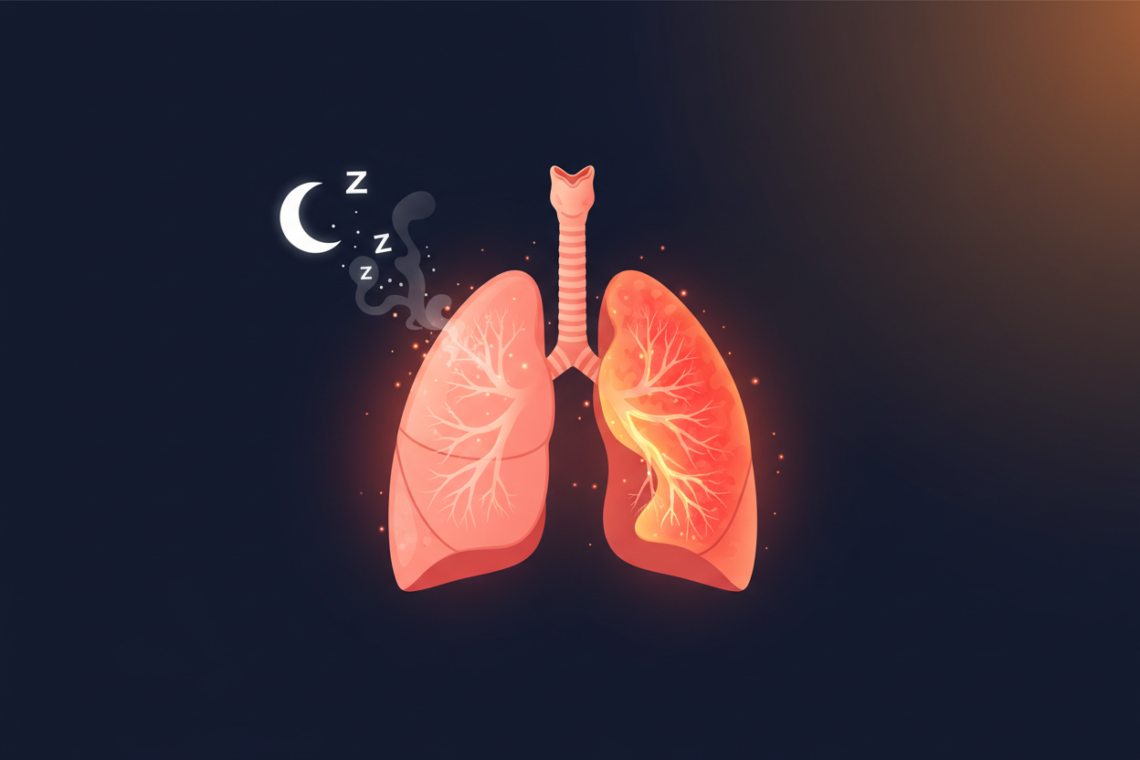
Fire in the Airways: How Sleep Apnea Ignites Chronic Lung Inflammation
If you’ve ever watched someone with sleep apnea struggle through the night, you know it’s far from peaceful. The gasping, the sudden awakenings, the restless tossing and turning – it’s exhausting just to witness. But what’s happening beneath the surface goes beyond disrupted sleep. Recent research reveals a troubling connection between sleep apnea and chronic lung inflammation, creating what experts describe as a “fire in the airways” that can have lasting health consequences.
While most people associate sleep apnea with snoring and daytime fatigue, the reality is much more complex. This common sleep disorder doesn’t just interrupt your rest – it triggers a cascade of inflammatory responses throughout your respiratory system. Understanding this connection isn’t just academic curiosity; it’s crucial knowledge that could help millions of people protect their long-term health.
Understanding Sleep Apnea: More Than Just Loud Snoring
Sleep apnea affects approximately 22 million Americans, yet many cases remain undiagnosed. The condition occurs when your breathing repeatedly stops and starts during sleep, creating a cycle of oxygen deprivation and recovery that your body experiences dozens or even hundreds of times each night.
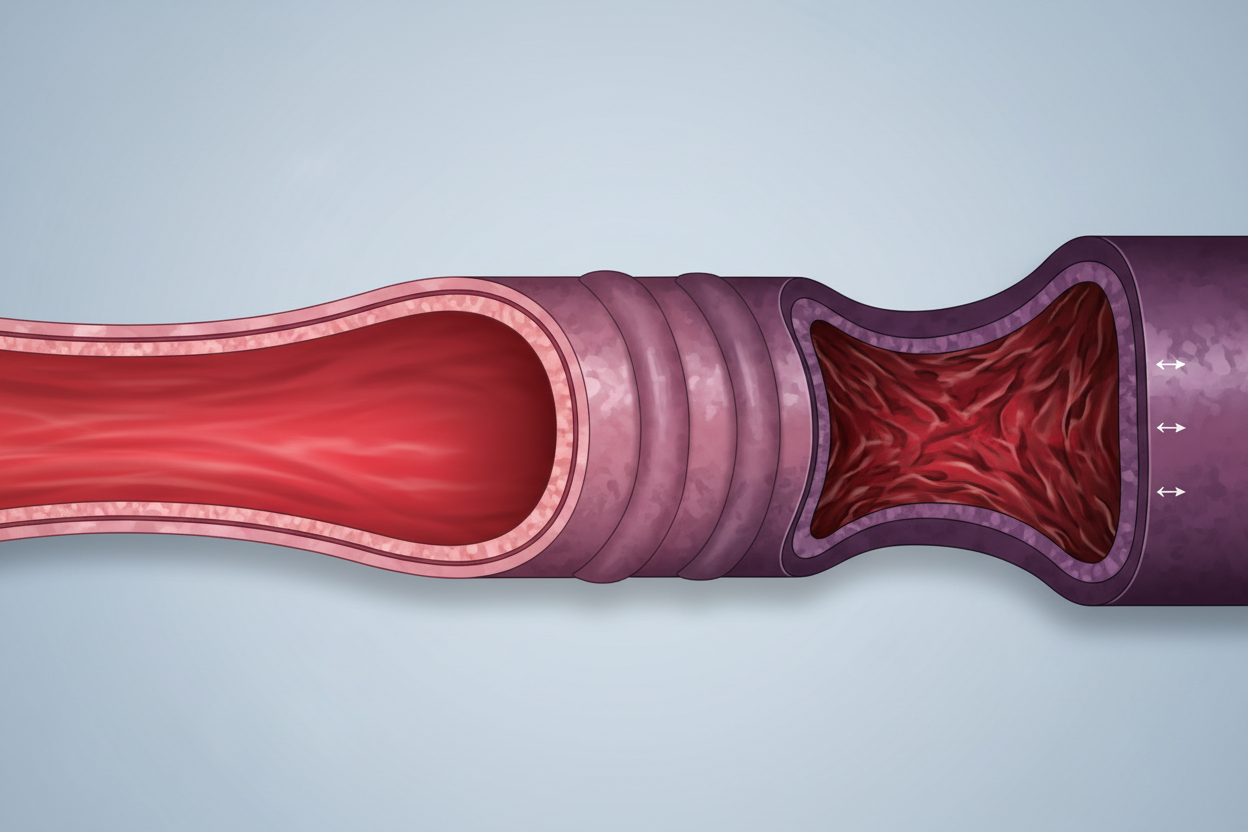
There are three main types of sleep apnea, but obstructive sleep apnea (OSA) is by far the most common. In OSA, the muscles in your throat relax excessively during sleep, causing the airway to collapse or become blocked. This blockage prevents air from flowing normally, leading to those characteristic gasping episodes that wake you up throughout the night.
What makes this particularly concerning is that many people don’t realize they have sleep apnea. They might blame their chronic fatigue on work stress or aging, not realizing that their airways are literally fighting for breath every single night. Meanwhile, this nightly battle is setting off inflammatory processes that extend far beyond the immediate breathing difficulties.
The Inflammatory Response: When Your Airways Fight Back
Every time your airway collapses during a sleep apnea episode, your body launches an emergency response. Think of it like repeatedly pulling the fire alarm in your respiratory system – eventually, the constant state of alert begins to damage the very system it’s trying to protect.
During each apnea episode, oxygen levels in your blood drop significantly. This condition, called hypoxemia, triggers your body’s inflammatory response mechanisms. White blood cells rush to the scene, releasing inflammatory molecules called cytokines. While this response is meant to be protective, the repetitive nature of sleep apnea means these inflammatory signals never get a chance to calm down.
The intermittent hypoxia characteristic of sleep apnea creates what researchers call “oxidative stress.” This occurs when your body produces more free radicals than it can neutralize with antioxidants. These unstable molecules damage cellular structures throughout your respiratory system, from the delicate tissues lining your airways to the tiny air sacs in your lungs where oxygen exchange occurs.
Chronic Inflammation: The Hidden Damage in Your Lungs
The inflammatory fire ignited by sleep apnea doesn’t stay localized to your throat. It spreads throughout your entire respiratory system, creating a state of chronic inflammation that can persist even during your waking hours. This systemic inflammation affects multiple aspects of lung function and overall respiratory health.
One of the most significant impacts is on the pulmonary blood vessels. The repeated cycles of oxygen deprivation and restoration cause these vessels to constrict and dilate repeatedly, leading to structural changes over time. The vessel walls become thicker and less flexible, a condition that can contribute to pulmonary hypertension – dangerously high blood pressure in the arteries serving your lungs.
The inflammation also affects the alveoli, the tiny air sacs where oxygen enters your bloodstream. Chronic inflammatory processes can cause these delicate structures to become scarred and less efficient at gas exchange. This means that even when you’re awake and breathing normally, your lungs may not be working as effectively as they should.
Research has shown that people with untreated sleep apnea often have elevated levels of inflammatory markers in their blood, including C-reactive protein and interleukin-6. These markers indicate that the inflammatory process extends beyond the respiratory system, potentially affecting cardiovascular health, immune function, and metabolic processes throughout the body.
The Vicious Cycle: How Inflammation Worsens Sleep Apnea
Perhaps most troubling is that chronic lung inflammation doesn’t just result from sleep apnea – it can actually make the condition worse, creating a self-perpetuating cycle that becomes increasingly difficult to break without intervention.
Inflammatory processes cause swelling in the tissues lining your airways. When these tissues are inflamed and swollen, your airway becomes narrower even when you’re awake. During sleep, when muscle tone naturally decreases, these already-narrowed airways are even more likely to collapse completely, leading to more frequent and severe apnea episodes.
The inflammation also affects the neural pathways that control breathing. Chronic inflammatory signals can interfere with the brain’s ability to properly regulate respiratory muscles, making it harder for your body to maintain stable breathing patterns during sleep. This neurological impact helps explain why some people with sleep apnea continue to have breathing irregularities even after physical airway obstructions are addressed.
Additionally, the chronic fatigue and stress associated with poor sleep quality can weaken your immune system’s ability to regulate inflammatory responses effectively. When your body is constantly tired and stressed, it becomes less capable of turning off inflammatory signals when they’re no longer needed, allowing the cycle to continue indefinitely.
Long-term Health Consequences: Beyond Tired Days
The chronic lung inflammation triggered by sleep apnea has implications that extend far beyond feeling tired the next day. Research continues to uncover connections between untreated sleep apnea and a range of serious health conditions, many of which are linked to the persistent inflammatory state.
Cardiovascular disease is perhaps the most well-established consequence. The combination of intermittent hypoxia, oxidative stress, and chronic inflammation creates perfect conditions for atherosclerosis – the buildup of plaque in arteries that can lead to heart attacks and strokes. People with untreated sleep apnea have significantly higher rates of heart disease, high blood pressure, and irregular heart rhythms.
The inflammatory processes also appear to interfere with glucose metabolism, helping to explain the strong connection between sleep apnea and type 2 diabetes. Chronic inflammation can make cells less responsive to insulin, leading to elevated blood sugar levels and increased diabetes risk.
There’s growing evidence that the chronic inflammation associated with sleep apnea may also contribute to cognitive decline and dementia. The brain requires a steady supply of oxygen to function properly, and the repeated episodes of hypoxia combined with inflammatory damage may accelerate age-related cognitive changes.
Breaking the Cycle: Treatment and Prevention Strategies
The good news is that addressing sleep apnea can significantly reduce chronic lung inflammation and its associated health risks. The key is recognizing the problem early and pursuing appropriate treatment before the inflammatory damage becomes irreversible.
Continuous Positive Airway Pressure (CPAP) therapy remains the gold standard for treating moderate to severe sleep apnea. By providing a steady stream of pressurized air through a mask, CPAP machines keep airways open throughout the night, preventing the collapse that triggers inflammatory responses. Studies show that consistent CPAP use can reduce inflammatory markers within weeks of starting treatment.
For people with mild sleep apnea or those who cannot tolerate CPAP, oral appliances can be effective alternatives. These custom-fitted devices reposition the jaw and tongue to help keep airways open during sleep. While they may not be as effective as CPAP for severe cases, they can significantly reduce apnea episodes and associated inflammation.
Lifestyle modifications can also play a crucial role in reducing both sleep apnea severity and lung inflammation. Weight loss is particularly important, as excess weight around the neck and chest can contribute to airway collapse. Even modest weight reduction can lead to significant improvements in sleep apnea symptoms.
Anti-inflammatory strategies may also help break the cycle of chronic inflammation. This includes maintaining a diet rich in antioxidants, engaging in regular exercise (which has natural anti-inflammatory effects), and managing stress through techniques like meditation or yoga.
The Road to Better Sleep and Healthier Lungs
Understanding the connection between sleep apnea and chronic lung inflammation represents a crucial step forward in protecting long-term health. This isn’t just about getting better sleep – it’s about preventing a cascade of inflammatory damage that can affect virtually every system in your body.
If you suspect you might have sleep apnea, don’t wait to seek evaluation. The signs include loud snoring, witnessed breathing interruptions during sleep, excessive daytime sleepiness, morning headaches, and difficulty concentrating. A sleep study can provide definitive diagnosis and help determine the most appropriate treatment approach.
Remember that treating sleep apnea isn’t just about feeling more rested – it’s about extinguishing the inflammatory fire that burns in your airways night after night. By addressing this condition promptly and effectively, you can protect not only your sleep quality but also your long-term respiratory and cardiovascular health. Your lungs, your heart, and your overall well-being will thank you for taking action before the damage becomes irreversible.
Take Control of Your Nighttime Breathing
Don’t let sleep apnea silently accelerate your lung disease. Discover the natural breathing protocol that thousands of respiratory patients are using to restore healthy sleep patterns and protect their lung function.
