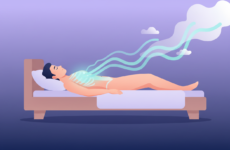
[Affiliate Disclosure: This article may contain affiliate links. If you purchase through them, we may earn a commission at no extra cost to you.] [Medical Disclaimer: This content is for informational purposes only and is not a substitute for professional medical advice, diagnosis, or treatment. Always consult your doctor or sleep specialist.]
The Viral Trend That Doctors Watch Nervously
Mouth taping, placing tape over the lips at night to force nasal breathing, exploded from obscure biohacker practice to mainstream trend, promoted for snoring, dry mouth, and ‘better oxygen.’ The medical establishment’s response has been a careful ‘it depends’ that trend coverage rarely includes: for the right person it’s a cheap, useful tool; for the wrong person it’s genuinely dangerous. The entire difference is one question: can your nose actually breathe, and is your airway otherwise safe? This guide sorts the evidence from the enthusiasm.
The Theory: Why Nose Beats Mouth
The physiology favouring nasal breathing is real: the nose filters, warms, and humidifies air; nasal breathing generates nitric oxide (which supports oxygen uptake and airway defence); and mouth breathing in sleep dries the mouth, worsens snoring, and collapses the airway more easily. Chronic mouth breathing is genuinely worth fixing; the question is whether tape is the fix, and what’s driving the mouth breathing in the first place. Mouth breathing is often a symptom: of nasal obstruction (allergies, septum, congestion) or of sleep-disordered breathing itself (the body mouth-breathing around a struggling airway). Taping a symptom without diagnosing it is where the danger lives.
The Evidence: Thin but Pointing Somewhere
Honest assessment: research on mouth taping itself is limited. Small studies suggest it can reduce snoring and improve mild sleep-disordered breathing in carefully selected (mild, non-apneic) mouth breathers, and it has a legitimate role as an adjunct for CPAP users on nasal masks whose mouths leak open (see our dry mouth guide). What the evidence does not support: mouth taping as a treatment for actual sleep apnea (it can worsen obstruction and dangerously reduce ventilation in untreated apnea), or the grander online claims about facial transformation and disease prevention. Useful adjunct, specific population, not a cure.
The Safety Rules (Non-Negotiable)
Rule one: rule out sleep apnea first: if you snore heavily, wake gasping, or have unexplained fatigue, get assessed before taping; tape on an apneic airway is the dangerous scenario doctors fear. Rule two: your nose must breathe freely; the test is simple: tape briefly while awake and breathing calmly; any struggle or air hunger means no. Rule three: use purpose-made, gentle, skin-safe tape (porous, easy-release; never duct tape, never anything that seals hard). Rule four: never tape with nasal congestion, after alcohol or sedatives (arousal responses matter), when ill with respiratory infection, or in children without paediatric guidance. Rule five: any night of struggling, panic, or waking breathless ends the experiment permanently.
The Better Order of Operations
The sequence that makes sense: address the nose first (saline rinses, allergy treatment, nasal strips, ENT evaluation for structural blockage), address sleep position (side-sleeping reduces both snoring and mouth opening), screen for apnea if any signs exist, and then, for confirmed simple mouth breathers with clear noses, trial tape as a finishing tool, or a chin strap as the gentler first option. Many people fix everything at step one and never need the tape: the mouth opened because the nose was closed.
Frequently Asked Questions
Is mouth taping dangerous?
For people with untreated sleep apnea or nasal obstruction, yes, genuinely. For healthy clear-nosed snorers with proper tape, risk is low; screening is what separates the groups.
Will it stop my snoring?
If your snoring is simple mouth-breathing snoring, possibly; if it’s apnea snoring, tape is the wrong and risky tool, so the study comes first.
What tape should I use?
Purpose-made sleep tape or gentle porous medical tape, applied vertically or partially so breathing escape remains easy; hard seals are for parcels, not people.
The Bottom Line
Nose first, apnea ruled out, proper tape only, any struggle ends it; then and only then is mouth taping a legitimate tool. The trend skipped the screening; don’t.