
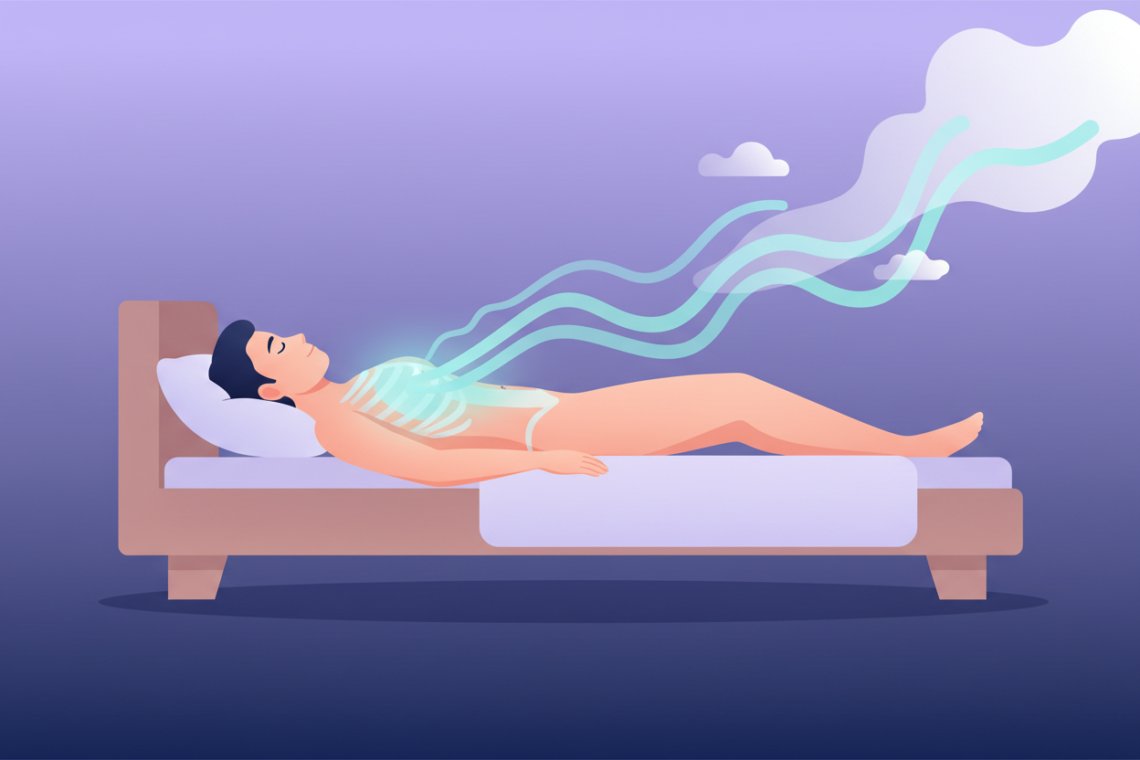
Core Breathing Revolution: Diaphragm Training for Sleep Disorders
If you’ve ever found yourself staring at the ceiling at 3 AM, your mind racing despite your exhausted body, you’re not alone. Millions of people worldwide struggle with sleep disorders, often turning to medications or expensive treatments for relief. But what if I told you that the solution might be as simple as learning to breathe properly? Welcome to the core breathing revolution, where diaphragm training is transforming how we approach sleep disorders.
The connection between breathing and sleep quality isn’t just some new-age wellness trend – it’s backed by solid science. Your diaphragm, that dome-shaped muscle sitting beneath your lungs, plays a crucial role in not only how you breathe but how well you sleep. When we learn to harness its power through targeted training, we can unlock a natural pathway to better rest and recovery.
Understanding the Diaphragm’s Role in Sleep Quality
Your diaphragm is essentially the CEO of your respiratory system, but its influence extends far beyond just moving air in and out of your lungs. This powerful muscle directly impacts your nervous system, particularly the vagus nerve, which controls your body’s relaxation response. When your diaphragm functions optimally, it sends calming signals throughout your body, preparing you for restorative sleep.
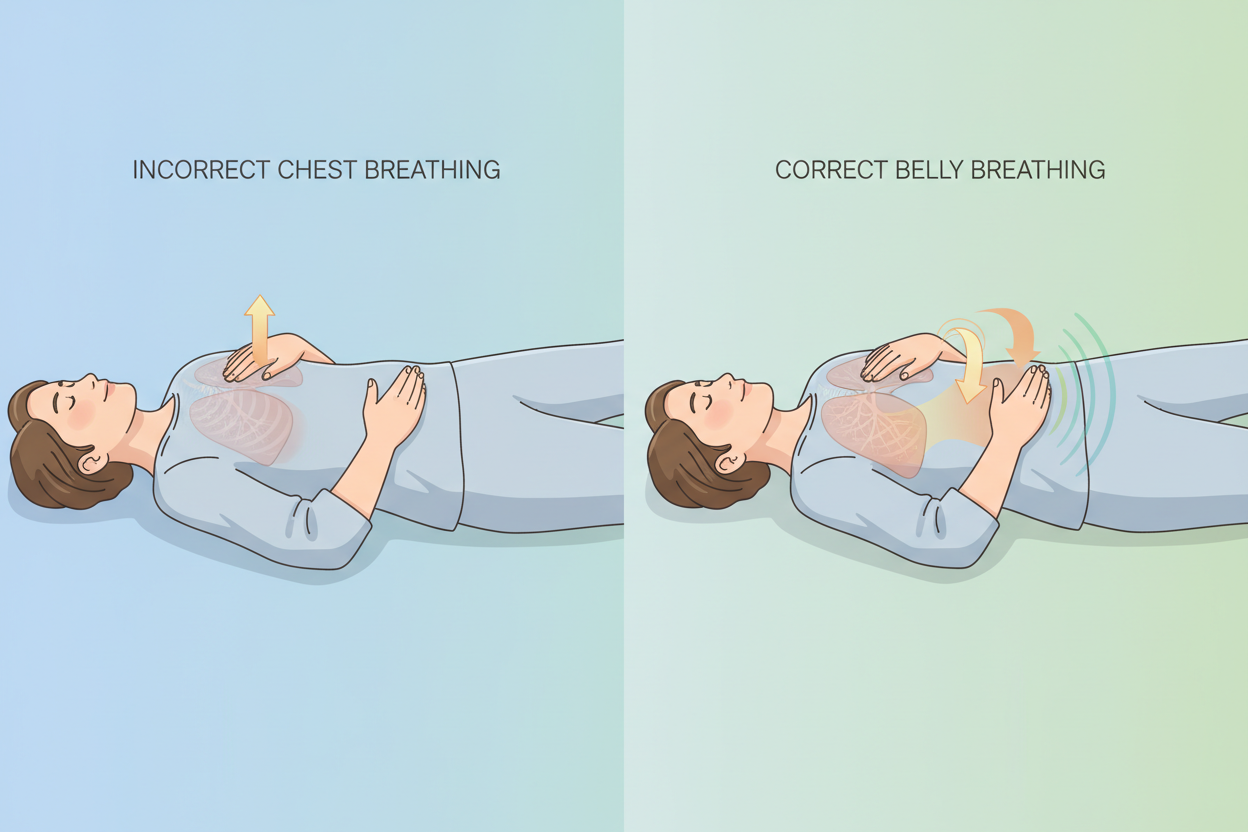
Most of us have forgotten how to breathe naturally. Years of stress, poor posture, and shallow chest breathing have weakened our diaphragms, creating a cascade of problems that can severely impact sleep quality. When we breathe shallowly, we activate our sympathetic nervous system – the same system responsible for our fight-or-flight response. This keeps our bodies in a state of alertness when we should be winding down for sleep.
Research published in the Journal of Clinical Medicine has shown that diaphragmatic breathing can significantly reduce cortisol levels, lower heart rate, and activate the parasympathetic nervous system. These physiological changes create the perfect conditions for falling asleep faster and achieving deeper, more restorative sleep cycles.
The Science Behind Diaphragm Training for Better Sleep
The relationship between proper breathing and sleep goes deeper than you might imagine. When you engage in diaphragmatic breathing, several important processes occur simultaneously. First, the mechanical action of the diaphragm creates a gentle massage effect on your internal organs, promoting better circulation and reducing physical tension that can interfere with sleep.
Additionally, deep diaphragmatic breathing increases oxygen efficiency in your bloodstream while promoting the release of nitric oxide, a compound that helps relax blood vessels and further calms the nervous system. This biochemical response naturally prepares your body for sleep by lowering blood pressure and reducing the production of stress hormones.
Studies have also revealed that consistent diaphragm training can help regulate your circadian rhythm – your body’s internal clock. By practicing specific breathing techniques at consistent times, you’re essentially training your body to recognize when it’s time to sleep and when it’s time to be alert.
Common Sleep Disorders That Benefit from Diaphragm Training
Diaphragm training isn’t just helpful for occasional sleeplessness – it can be particularly beneficial for several specific sleep disorders. Insomnia sufferers often find that incorporating diaphragmatic breathing into their bedtime routine helps quiet racing thoughts and physical restlessness that keep them awake.
For those dealing with sleep apnea, strengthening the diaphragm can improve overall respiratory function and reduce the severity of breathing interruptions during sleep. While diaphragm training shouldn’t replace medical treatment for sleep apnea, it can serve as a valuable complementary therapy.
Anxiety-related sleep disturbances respond particularly well to diaphragm training. The calming effect of proper breathing helps break the cycle of worry and physical tension that often prevents anxious individuals from falling asleep. Many people report that practicing diaphragmatic breathing helps them feel more in control of their anxiety, leading to improved sleep confidence.
Even restless leg syndrome and periodic limb movement disorder can benefit from diaphragm training. The overall relaxation response triggered by proper breathing can help reduce muscle tension and the uncomfortable sensations that characterize these conditions.
Essential Diaphragm Training Techniques for Sleep
Learning to train your diaphragm doesn’t require expensive equipment or complicated procedures. The beauty of diaphragm training lies in its simplicity and accessibility. Here are some fundamental techniques that can revolutionize your sleep quality.
The basic diaphragmatic breathing technique starts with proper positioning. Lie on your back with one hand on your chest and another on your belly. As you breathe in slowly through your nose, focus on expanding your belly rather than your chest. The hand on your chest should remain relatively still while the hand on your belly rises. Exhale slowly through pursed lips, allowing your belly to fall naturally.
The 4-7-8 breathing technique has gained popularity for its sleep-inducing properties. Inhale through your nose for 4 counts, hold your breath for 7 counts, then exhale through your mouth for 8 counts. This pattern activates your parasympathetic nervous system and can help you fall asleep within minutes when practiced consistently.
Box breathing, also known as square breathing, involves inhaling for 4 counts, holding for 4 counts, exhaling for 4 counts, and holding empty for 4 counts. This technique helps regulate your nervous system and can be particularly effective for those whose minds tend to race at bedtime.
Creating Your Personal Diaphragm Training Routine
Developing an effective diaphragm training routine requires consistency and patience. Start by dedicating just 5-10 minutes each day to focused breathing practice, gradually increasing the duration as your diaphragm strength improves. The best times to practice are typically in the morning to set a calm tone for your day and in the evening as part of your bedtime routine.
Begin with basic diaphragmatic breathing for the first week, focusing on proper form rather than duration. Many people initially struggle with belly breathing because years of shallow breathing have weakened their diaphragm. Don’t get discouraged if it feels awkward at first – like any muscle, your diaphragm needs time to strengthen and retrain.
As you become more comfortable with basic diaphragmatic breathing, incorporate the 4-7-8 technique into your evening routine. Practice this technique 30-60 minutes before your intended bedtime to give your nervous system time to respond. Some people find it helpful to dim the lights and eliminate electronic devices during their breathing practice to enhance the sleep-promoting effects.
Track your progress by noting changes in how quickly you fall asleep, how often you wake during the night, and how rested you feel in the morning. Many people begin noticing improvements within the first week of consistent practice, though significant changes typically occur after 2-4 weeks of regular training.
Advanced Breathing Strategies for Chronic Sleep Issues
For those dealing with more persistent sleep challenges, advanced diaphragm training techniques can provide additional support. Progressive muscle relaxation combined with diaphragmatic breathing creates a powerful synergy for sleep induction. Start at your toes and work your way up your body, tensing each muscle group for 5 seconds while maintaining deep belly breathing, then releasing the tension completely.
Visualization breathing involves imagining your breath as a warm, golden light that fills your body with each inhale and carries away tension and stress with each exhale. This technique engages both your breathing muscles and your imagination, creating a meditative state that naturally leads to sleep.
For those whose sleep issues stem from chronic pain or physical discomfort, breath-focused body scanning can be incredibly helpful. As you practice diaphragmatic breathing, mentally scan your body from head to toe, sending your breath to areas of tension or discomfort. This technique helps redirect your attention away from pain signals while promoting physical relaxation.
Lifestyle Integration and Long-term Success
The true power of diaphragm training for sleep disorders emerges when breathing practices become integrated into your daily life rather than just a bedtime activity. Consider incorporating brief breathing breaks throughout your day, especially during stressful moments. This consistent practice helps maintain a calmer baseline nervous system state, making it easier to transition into sleep mode each evening.
Your sleep environment also plays a crucial role in the effectiveness of diaphragm training. Ensure your bedroom is cool, dark, and quiet, and consider using aromatherapy or gentle background sounds to enhance your breathing practice. Some people find that practicing their breathing techniques in the same location each night helps create a stronger sleep association.
Remember that diaphragm training for sleep disorders is a skill that improves with time and consistency. While some people experience immediate benefits, others may need several weeks of regular practice to see significant changes. The key is maintaining realistic expectations while staying committed to your daily practice.
Conclusion: Breathing Your Way to Better Sleep
The core breathing revolution represents a return to one of our most fundamental and powerful tools for health and wellness. By learning to properly train and engage your diaphragm, you’re not just improving your breathing – you’re accessing a natural, drug-free pathway to better sleep that can transform your overall quality of life.
The beauty of diaphragm training lies in its simplicity and accessibility. You don’t need expensive equipment, complicated schedules, or medical supervision to begin experiencing the benefits. All you need is the commitment to practice consistently and the patience to allow your body to remember how to breathe naturally.
As you embark on your diaphragm training journey, remember that every person’s experience is unique. What works best for others may need to be adapted to fit your specific needs and circumstances. The techniques outlined in this post provide a solid foundation, but don’t hesitate to experiment and find the approaches that resonate most strongly with your body and lifestyle.
Whether you’re dealing with occasional sleeplessness or chronic sleep disorders, diaphragm training offers a safe, natural, and effective tool for improvement. By investing just a few minutes each day in proper breathing practice, you’re taking a powerful step toward reclaiming the restorative sleep your body needs and deserves. Sweet dreams are just a breath away.
Take Control of Your Nighttime Breathing
Don’t let sleep apnea silently accelerate your lung disease. Discover the natural breathing protocol that thousands of respiratory patients are using to restore healthy sleep patterns and protect their lung function.
