

Overlap Syndrome Warriors: Conquering COPD and Sleep Apnea Naturally
Living with both COPD and sleep apnea simultaneously feels like fighting a battle on two fronts. This challenging combination, medically known as overlap syndrome, affects millions of people worldwide, yet many don’t even realize they’re dealing with both conditions. If you’re reading this, chances are you or someone you love is navigating this complex health journey, searching for answers and hope.
The good news? While overlap syndrome presents unique challenges, there are powerful natural strategies that can help you reclaim your nights and energize your days. This isn’t just about managing symptoms – it’s about transforming your approach to breathing, sleeping, and living with intention and vitality.
Understanding Overlap Syndrome: When Two Worlds Collide
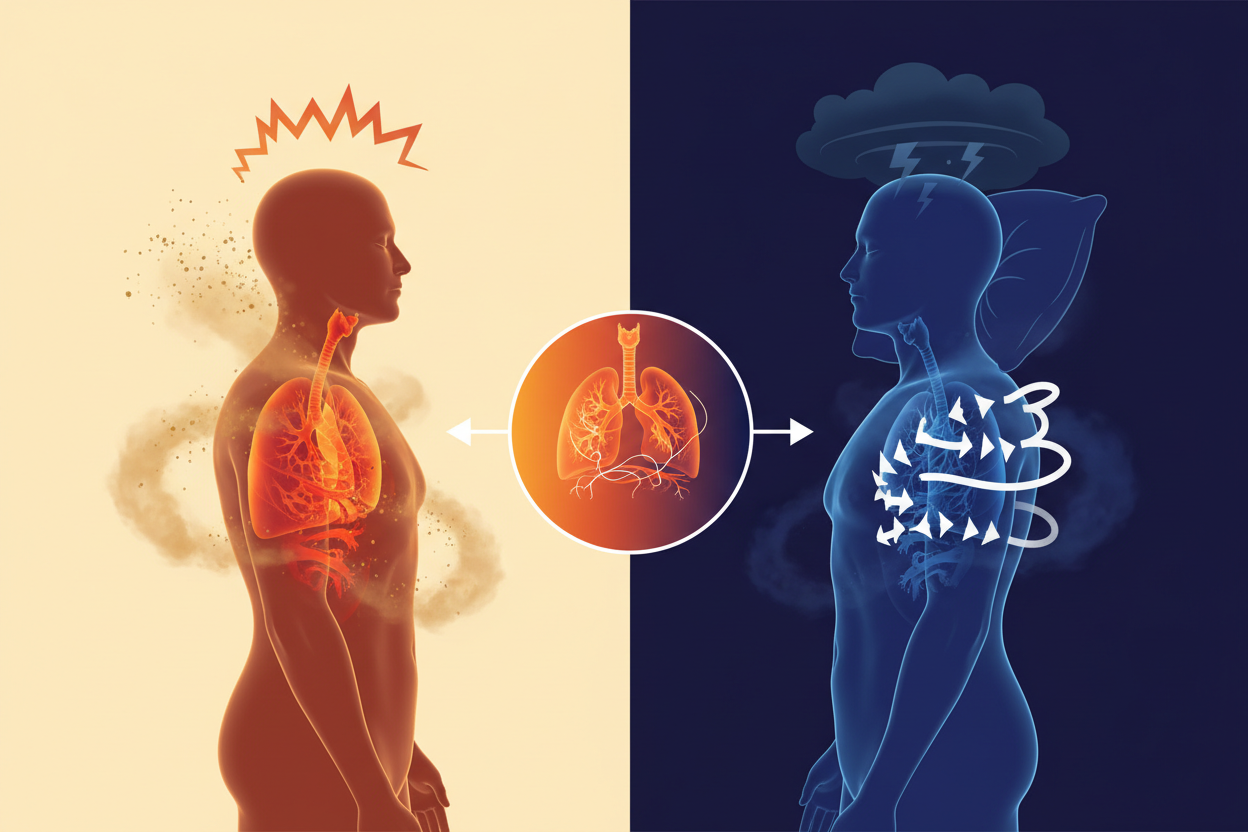
Overlap syndrome occurs when chronic obstructive pulmonary disease (COPD) meets obstructive sleep apnea (OSA) in the same person. Think of it as a perfect storm where your breathing challenges don’t clock out when you go to bed – they actually intensify. During the day, COPD makes it difficult to breathe due to damaged airways and reduced lung function. At night, sleep apnea causes repeated breathing interruptions that can last from seconds to minutes.
What makes this combination particularly challenging is how these conditions feed off each other. The oxygen drops from sleep apnea can worsen COPD symptoms, while COPD-related inflammation can contribute to upper airway instability during sleep. It’s like having two bullies that team up to make your life more difficult.
Research shows that people with overlap syndrome face higher risks of cardiovascular problems, more frequent hospitalizations, and reduced quality of life compared to those with either condition alone. However, understanding this connection is the first step toward taking control of your health journey.
Recognizing the Signs: Your Body’s SOS Signals
Your body is constantly communicating with you, sending signals that something needs attention. With overlap syndrome, these messages might seem confusing at first because symptoms can overlap and mask each other. You might experience excessive daytime fatigue that goes beyond typical COPD tiredness, morning headaches that feel different from your usual discomfort, or find yourself waking up gasping for air more frequently.
Many people describe feeling like they’re drowning even when they’re on dry land. You might notice that your COPD symptoms seem worse after a poor night’s sleep, or that your sleep quality has deteriorated as your breathing difficulties have progressed. Some individuals report feeling foggy or unfocused during the day, which can be attributed to the fragmented sleep caused by repeated breathing interruptions.
The key is paying attention to patterns. Do you snore loudly? Does your partner notice you stopping breathing during sleep? Are you experiencing more anxiety or depression alongside your physical symptoms? These could all be pieces of the overlap syndrome puzzle.
The Power of Breathing: Natural Techniques That Transform Lives
Breathing might seem like the most basic human function, but when you’re dealing with overlap syndrome, learning how to breathe properly becomes a superpower. The beauty of breathing exercises lies in their simplicity and accessibility – you can practice them anywhere, anytime, without expensive equipment or medications.
Diaphragmatic breathing, also known as belly breathing, serves as the foundation for all other techniques. Place one hand on your chest and another on your belly. As you breathe in slowly through your nose, focus on expanding your belly rather than your chest. This technique helps strengthen your diaphragm, the primary muscle responsible for breathing, and can improve oxygen efficiency throughout your body.
Pursed lip breathing offers another powerful tool in your arsenal. Inhale slowly through your nose for two counts, then exhale through pursed lips for four counts, as if you’re blowing out a candle. This technique helps keep your airways open longer, allowing trapped air to escape and reducing the work of breathing.
The 4-7-8 breathing technique can be particularly helpful for improving sleep quality. Inhale through your nose for four counts, hold your breath for seven counts, then exhale through your mouth for eight counts. This pattern activates your body’s relaxation response, potentially making it easier to fall asleep and stay asleep.
Sleep Positioning Strategies: Finding Your Sweet Spot
The position you sleep in can dramatically impact both your COPD and sleep apnea symptoms. It’s amazing how something as simple as adjusting your sleeping position can lead to significant improvements in your breathing and sleep quality.
Elevating your head and upper body is often the game-changer many people with overlap syndrome have been searching for. Using a wedge pillow or adjustable bed to raise your torso 30 to 45 degrees can help gravity work in your favor, reducing airway collapse and making it easier for your lungs to expand. Some people find that sleeping in a recliner chair provides the perfect angle for comfortable breathing throughout the night.
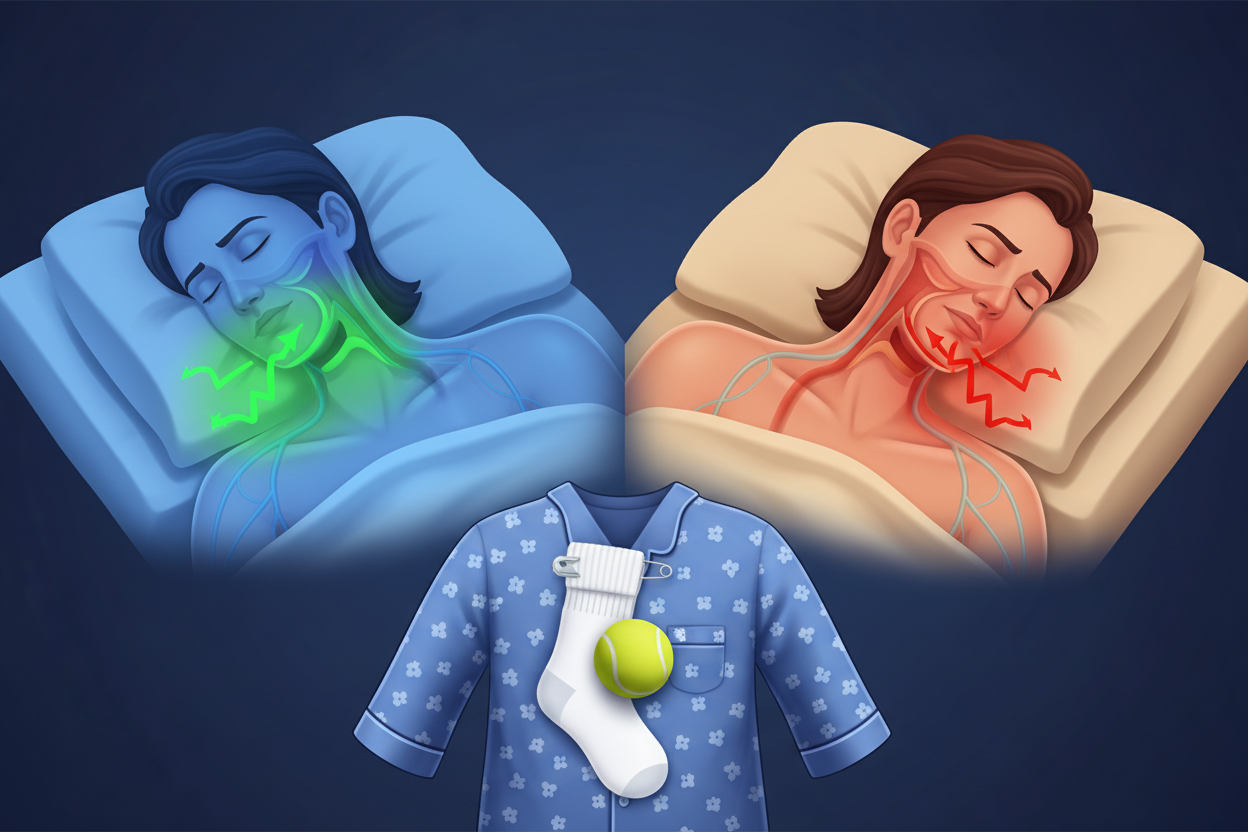
Side sleeping, particularly on your left side, can also provide relief. This position helps prevent your tongue and soft tissues from falling back and blocking your airway, while also improving circulation and reducing pressure on your lungs. If you’re a natural back sleeper, try placing a tennis ball in a sock and pinning it to the back of your pajamas – this old trick can help train you to stay on your side.
Creating a comfortable sleep environment goes beyond positioning. Consider using multiple pillows strategically – one between your knees to align your spine, one to hug for comfort and support, and perhaps a small pillow under your arm to prevent shoulder strain.
Nutrition as Medicine: Fueling Your Healing Journey
What you eat directly impacts your body’s ability to fight inflammation, maintain healthy weight, and support optimal breathing function. Think of nutrition as your internal medicine cabinet – every meal is an opportunity to either support or hinder your healing process.
Anti-inflammatory foods should become your best friends. Fatty fish rich in omega-3 fatty acids, such as salmon, mackerel, and sardines, can help reduce the inflammation that contributes to both COPD and sleep apnea. Colorful fruits and vegetables packed with antioxidants – think berries, leafy greens, and bell peppers – provide the nutrients your body needs to repair and protect itself.
Maintaining a healthy weight is crucial for managing overlap syndrome. Extra weight, particularly around the neck and midsection, can worsen sleep apnea by putting additional pressure on your airways. Focus on nutrient-dense, whole foods that provide sustained energy without causing blood sugar spikes that can interfere with sleep.
Timing matters too. Eating large meals close to bedtime can worsen both COPD and sleep apnea symptoms. Try to finish eating at least three hours before sleep, and if you need a bedtime snack, choose something light and easily digestible like a small handful of nuts or a piece of fruit.
Movement and Exercise: Gentle Ways to Build Strength
Exercise might seem daunting when you’re struggling to breathe, but appropriate physical activity can actually improve both COPD and sleep apnea symptoms. The key is finding the right balance – enough activity to strengthen your respiratory muscles and improve overall health, but not so much that you become overly fatigued or short of breath.
Pulmonary rehabilitation exercises form the cornerstone of COPD management. Simple activities like walking, swimming, or cycling at a comfortable pace can improve your lung capacity and overall endurance. Start small – even five minutes of gentle movement is better than none. Listen to your body and gradually increase duration and intensity as you build strength.
Yoga and tai chi offer particularly beneficial options for people with overlap syndrome. These practices combine gentle movement with focused breathing, helping to improve flexibility, reduce stress, and enhance respiratory function. The mindful aspect of these activities can also help you develop better awareness of your breathing patterns and body signals.
Upper body strengthening exercises can be especially helpful for improving respiratory muscle function. Simple arm circles, shoulder rolls, and gentle stretching can help maintain mobility in your chest and shoulder areas, making it easier for your lungs to expand fully.
Stress Management: Calming the Storm Within
Living with overlap syndrome can create a cycle of anxiety and stress that actually worsens your symptoms. When you’re worried about your breathing, your body tenses up, making it even harder to breathe effectively. Breaking this cycle requires developing effective stress management strategies that work for your lifestyle and preferences.
Mindfulness meditation doesn’t require you to sit in complicated positions or chant – it’s simply about being present in the moment and observing your thoughts and sensations without judgment. Even five minutes of focused attention on your breath can help activate your body’s relaxation response and reduce the stress hormones that can worsen inflammation.
Progressive muscle relaxation involves systematically tensing and then releasing different muscle groups throughout your body. This technique can help you identify areas where you hold tension and learn to consciously relax them, which can improve both your sleep quality and breathing efficiency.
Creating a calming bedtime routine signals to your body that it’s time to wind down. This might include gentle stretching, reading a book, listening to soothing music, or practicing gratitude. The key is consistency – your body learns to associate these activities with sleep, making it easier to transition from wakefulness to rest.
Environmental Modifications: Creating Your Healing Sanctuary
Your environment plays a crucial role in managing overlap syndrome symptoms. Small changes in your surroundings can lead to significant improvements in your breathing and sleep quality, turning your home into a healing sanctuary that supports your health goals.
Air quality should be your top priority. Invest in a high-quality air purifier with HEPA filtration to remove allergens, dust, and other particles that can irritate your airways. Keep humidity levels between 30-50% using a humidifier or dehumidifier as needed – air that’s too dry can irritate your respiratory system, while air that’s too humid can promote mold growth.
Your bedroom deserves special attention since this is where you’ll spend roughly one-third of your life. Keep it cool, dark, and quiet to promote better sleep. Consider blackout curtains, a white noise machine, or earplugs if needed. Remove potential allergens like dust-collecting items, and wash bedding weekly in hot water to eliminate dust mites.
Plants can serve as natural air purifiers while adding life and beauty to your space. Spider plants, peace lilies, and snake plants are known for their air-cleaning properties and require minimal maintenance.
Building Your Support Network: You Don’t Have to Go It Alone
Managing overlap syndrome is not a solo journey, and building a strong support network can make all the difference in your success and quality of life. This network might include healthcare providers who understand both conditions, family and friends who offer emotional support, and fellow warriors who truly understand what you’re going through.
Consider joining support groups, either in person or online, where you can connect with others facing similar challenges. Sharing experiences, tips, and encouragement with people who truly understand can provide both practical advice and emotional relief. Many people find that helping others actually helps them feel more empowered in their own journey.
Don’t hesitate to communicate openly with your healthcare team about how your symptoms affect your daily life. Keep a symptom diary that tracks your sleep quality, energy levels, and breathing difficulties. This information can help your providers make more informed decisions about your care and identify patterns you might not notice on your own.
Embracing Your Journey Forward
Living with overlap syndrome requires courage, patience, and a willingness to experiment with different approaches until you find what works best for your unique situation. Remember that healing is rarely linear – there will be good days and challenging days, and that’s perfectly normal.
The natural strategies outlined here aren’t just about managing symptoms; they’re about reclaiming your power and taking an active role in your health journey. Every breathing exercise you practice, every healthy meal you choose, and every good night’s sleep you achieve is a victory worth celebrating.
Start small, be consistent, and be patient with yourself as you implement these changes. Your body has an incredible capacity for healing and adaptation when given the right support. With dedication and the right tools, you can transform from simply surviving with overlap syndrome to truly thriving despite it. You are stronger than you know, and every step forward is a testament to your warrior spirit.
Take Control of Your Nighttime Breathing
Don’t let sleep apnea silently accelerate your lung disease. Discover the natural breathing protocol that thousands of respiratory patients are using to restore healthy sleep patterns and protect their lung function.
