
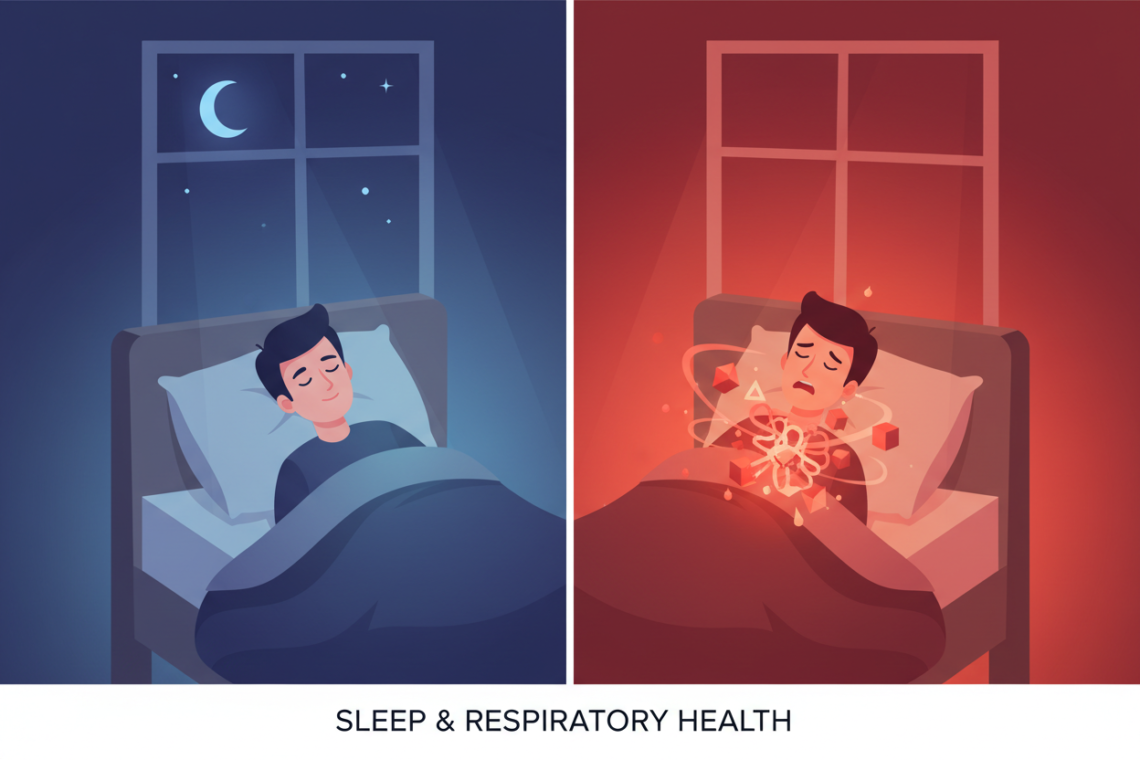
Midnight Mayhem: Why Asthma Symptoms Spike During Sleep Apnea Episodes
If you’ve ever found yourself gasping for air in the middle of the night, caught between the suffocating grip of asthma and the breathing interruptions of sleep apnea, you’re not alone. This nighttime respiratory double-whammy affects millions of people worldwide, creating a perfect storm of breathing difficulties that can turn peaceful sleep into a nightly battle for air.
The relationship between asthma and sleep apnea is more complex than many realize. While these conditions can exist independently, when they occur together, they create a dangerous cycle that can significantly impact your quality of life and overall health. Understanding why asthma symptoms intensify during sleep apnea episodes is crucial for anyone dealing with these overlapping conditions.

The Hidden Connection Between Sleep Apnea and Asthma
Sleep apnea and asthma share a surprisingly intimate relationship that goes beyond mere coincidence. Research shows that people with asthma are significantly more likely to develop sleep apnea, and vice versa. This isn’t just bad luck – there are real physiological reasons why these conditions often go hand in hand.
When you have sleep apnea, your airway repeatedly collapses during sleep, causing breathing to stop and start throughout the night. These interruptions don’t just affect your sleep quality; they create a cascade of physiological changes that can trigger and worsen asthma symptoms. The constant struggle to breathe puts enormous stress on your respiratory system, making it more reactive and prone to asthmatic responses.
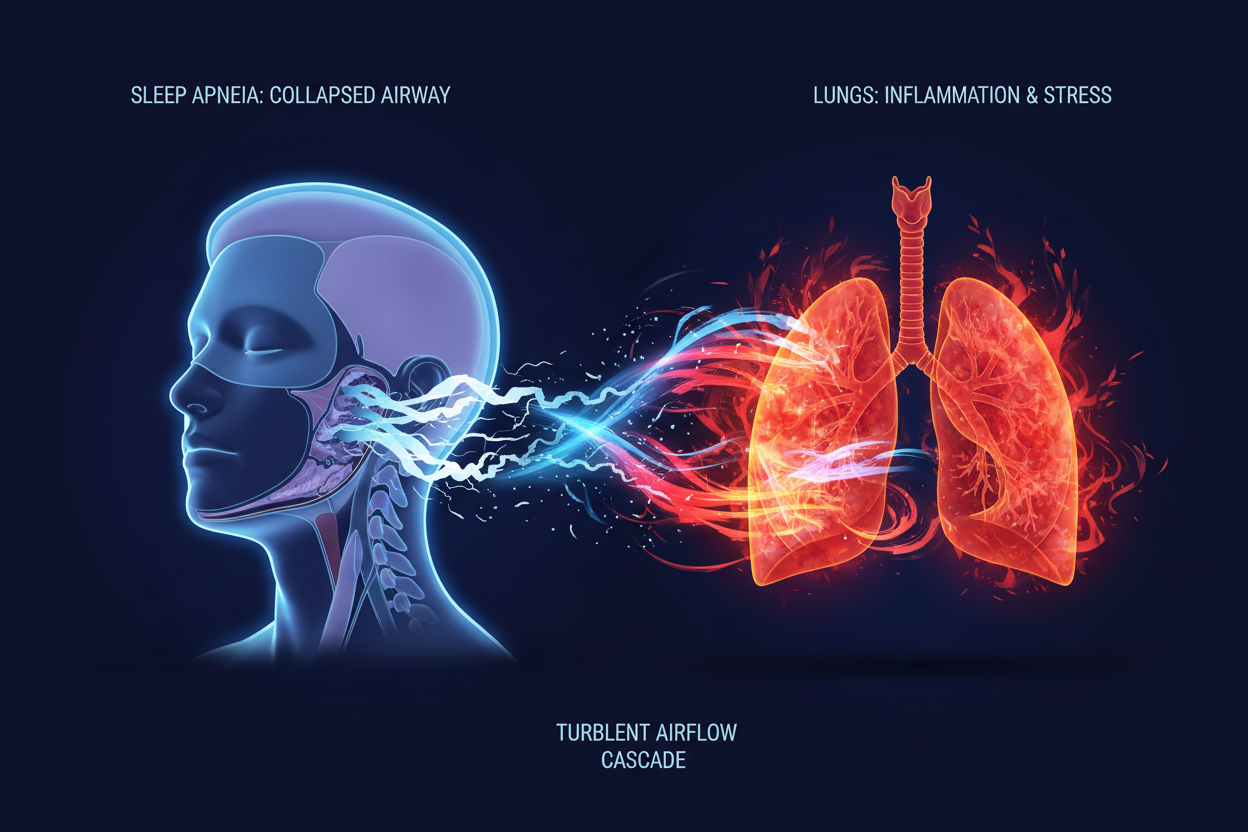
What makes this connection particularly troubling is how each condition can worsen the other. Sleep apnea episodes can trigger asthma attacks, while asthma symptoms can make sleep apnea more severe. It’s like being caught in a respiratory feedback loop where each condition feeds off the other, creating increasingly difficult nights.
Understanding the Physiological Mechanisms
To grasp why asthma symptoms spike during sleep apnea episodes, we need to dive into what’s happening inside your body during these events. When sleep apnea causes your breathing to stop, several critical changes occur that directly impact asthma.
First, there’s the issue of oxygen desaturation. During apnea episodes, your blood oxygen levels drop significantly. This oxygen deprivation triggers your body’s stress response, releasing hormones like adrenaline and cortisol. While these hormones help wake you up to resume breathing, they also increase inflammation throughout your body, including in your already sensitive airways.
The repeated awakening process, known as arousal response, is particularly harsh on asthmatic airways. Each time you wake up gasping for air, your nervous system goes into overdrive. This hyperactivation can cause your bronchial tubes to constrict more readily, making them hypersensitive to any potential triggers in your environment.
Additionally, the negative pressure created in your chest when trying to breathe against a closed airway during sleep apnea can cause gastroesophageal reflux. This acid reflux can travel up to your throat and even be aspirated into your lungs, directly irritating your airways and triggering asthma symptoms.
The Inflammatory Response: A Double-Edged Sword
Inflammation plays a central role in both sleep apnea and asthma, and when these conditions coexist, the inflammatory response becomes amplified. Sleep apnea episodes create what researchers call “intermittent hypoxia” – repeated cycles of low oxygen followed by reoxygenation. This process is incredibly inflammatory, similar to repeatedly starting and stopping a fire in your respiratory system.
The chronic inflammation caused by sleep apnea doesn’t stay localized to your upper airway. It becomes systemic, affecting your entire body including your lower airways where asthma primarily occurs. This widespread inflammation makes your bronchial tubes more reactive and prone to constriction, essentially priming them for asthma attacks.
What’s particularly concerning is that this inflammatory process continues even during the day. The damage done during nighttime sleep apnea episodes creates a state of chronic inflammation that makes your asthma harder to control around the clock. Many people notice that their daytime asthma symptoms become more difficult to manage when their sleep apnea is untreated.
Nocturnal Asthma: When Night Becomes Your Enemy
Nocturnal asthma, or nighttime asthma, affects up to 75% of people with asthma, and the presence of sleep apnea makes this condition significantly worse. There are natural circadian rhythm changes that already make nighttime challenging for people with asthma – hormone levels fluctuate, airways naturally narrow slightly, and exposure to bedroom allergens increases.
When you add sleep apnea to this mix, these natural nighttime challenges become magnified. The breathing interruptions of sleep apnea occur most frequently during REM sleep, which is also when your natural asthma symptoms tend to be at their worst. This timing creates a perfect storm of respiratory distress.
Many people describe their nighttime symptoms as feeling like they’re drowning or suffocating. The combination of sleep apnea’s breathing interruptions with asthma’s airway constriction can create a terrifying experience that leaves you afraid to fall back asleep. This fear and anxiety can actually make both conditions worse, creating additional stress that further inflames your airways.
Recognizing the Warning Signs
Identifying when asthma symptoms are being triggered by sleep apnea episodes isn’t always straightforward, especially since much of this occurs while you’re asleep. However, there are several warning signs that suggest your conditions may be interacting in dangerous ways.
Morning symptoms are often the most telling indicator. If you consistently wake up with a tight chest, wheezing, or feeling like you haven’t gotten enough air during the night, this could signal that sleep apnea is triggering your asthma. Many people also report waking up with a dry mouth, sore throat, or feeling like they’ve been holding their breath.
Daytime fatigue that goes beyond normal tiredness is another red flag. When sleep apnea repeatedly interrupts your sleep and triggers asthma symptoms, the quality of rest you get is severely compromised. You might find yourself feeling exhausted even after what seemed like a full night’s sleep, or needing to use your rescue inhaler more frequently during the day.
Changes in your asthma control, particularly if your symptoms become harder to manage despite following your treatment plan, could indicate that sleep apnea is interfering with your respiratory health. Some people notice that their asthma medications seem less effective, or that they need to use their rescue inhaler more often, especially in the morning hours.
Breaking the Cycle: Treatment Approaches That Work
The good news is that treating sleep apnea can significantly improve asthma symptoms, and vice versa. The most effective approach typically involves addressing both conditions simultaneously rather than treating them as separate issues.
CPAP (Continuous Positive Airway Pressure) therapy, the gold standard treatment for sleep apnea, has shown remarkable benefits for people with both conditions. By keeping your airway open throughout the night, CPAP prevents the oxygen drops and inflammatory responses that trigger asthma symptoms. Many people report dramatic improvements in their nighttime and daytime asthma control within weeks of starting CPAP therapy.
However, CPAP therapy isn’t without its challenges for people with asthma. Some individuals find that the forced air pressure initially worsens their asthma symptoms, particularly if they have allergies to dust or other particles that might be in the CPAP system. Working with your healthcare team to properly clean and maintain your CPAP equipment, and possibly using heated humidification, can help minimize these issues.
Optimizing your asthma treatment is equally important. This might involve adjusting your medication timing to provide better nighttime control, using a long-acting bronchodilator before bed, or addressing environmental triggers in your bedroom. Some people benefit from keeping their rescue inhaler within easy reach and using it before sleep apnea episodes can fully develop into asthma attacks.
Lifestyle Modifications for Better Sleep and Breathing
Beyond medical treatments, several lifestyle changes can help reduce both sleep apnea episodes and asthma symptoms. Weight management is particularly important, as excess weight can worsen both conditions. Even modest weight loss can reduce the severity of sleep apnea and improve asthma control.
Creating an optimal sleep environment is crucial for managing both conditions. This includes maintaining good air quality in your bedroom, using allergen-proof bedding covers, keeping humidity levels between 30-50%, and ensuring your sleeping area is free from asthma triggers like dust, pet dander, or strong scents.
Sleep positioning can also make a significant difference. Sleeping on your side rather than your back can reduce sleep apnea episodes, while elevating your head slightly can help prevent acid reflux that might trigger asthma symptoms. Some people find that using a wedge pillow or adjustable bed helps them maintain better positioning throughout the night.
When to Seek Professional Help
If you suspect that sleep apnea might be worsening your asthma, it’s important to seek professional evaluation promptly. A sleep study can definitively diagnose sleep apnea and determine its severity, while pulmonary function tests can assess how much the condition is impacting your asthma control.
Don’t wait for symptoms to become severe before seeking help. The longer sleep apnea and asthma interact without proper treatment, the more difficult both conditions can become to manage. Early intervention can prevent the development of more serious complications and significantly improve your quality of life.
Working with a healthcare team that understands the connection between these conditions is essential. This might include a pulmonologist who specializes in both asthma and sleep disorders, or coordinated care between your asthma specialist and a sleep medicine physician.
Taking Control of Your Nighttime Breathing
Living with both sleep apnea and asthma doesn’t have to mean accepting poor sleep and difficult breathing as your new normal. Understanding why these conditions interact and taking proactive steps to address both can dramatically improve your nighttime rest and overall respiratory health.
The key is recognizing that these aren’t just two separate problems happening to occur at the same time – they’re interconnected conditions that require a coordinated treatment approach. By addressing the sleep apnea that’s triggering your asthma symptoms, you can often achieve better control of both conditions than you might have thought possible.
Remember that everyone’s experience with these conditions is unique. What works best for you might require some trial and adjustment, and that’s completely normal. The important thing is to stay committed to finding the right combination of treatments that allows you to breathe easily and sleep soundly through the night.
Your journey to better nighttime breathing starts with understanding the connection between sleep apnea and asthma, but it doesn’t end there. With proper treatment, lifestyle modifications, and ongoing medical care, you can break free from the cycle of midnight mayhem and reclaim your nights for the restorative sleep your body needs.
Take Control of Your Nighttime Breathing
Don’t let sleep apnea silently accelerate your lung disease. Discover the natural breathing protocol that thousands of respiratory patients are using to restore healthy sleep patterns and protect their lung function.
