
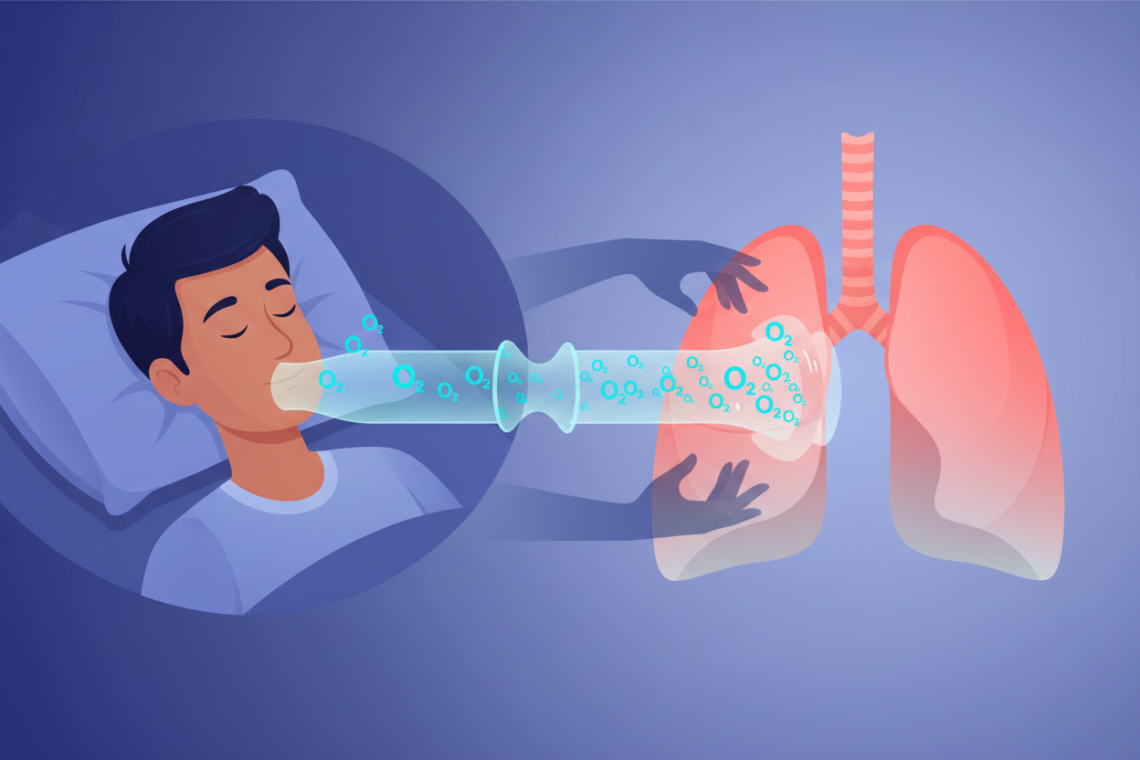
The Oxygen Thief: How Sleep Apnea Robs Your Body of Essential Air
Picture this: you’re peacefully sleeping, dreaming of your next vacation, when suddenly your body becomes its own worst enemy. Without warning, your breathing stops for 10, 20, even 60 seconds at a time. Your brain frantically signals for air, jolting you awake just enough to gasp for breath before the cycle repeats. This isn’t a nightmare – it’s the reality for millions of people living with sleep apnea, a condition that literally steals the oxygen your body desperately needs.
Sleep apnea affects approximately 22 million Americans, yet many don’t even realize they have it. This silent oxygen thief operates under the cover of darkness, systematically robbing your body of the restful sleep and adequate oxygen levels essential for optimal health. Understanding how this condition works and recognizing its impact on your well-being is the first step toward reclaiming your nights and revitalizing your days.
Understanding Sleep Apnea: When Breathing Becomes a Battle
Sleep apnea occurs when your breathing repeatedly stops and starts during sleep. The term “apnea” literally means “without breath” in Greek, which perfectly captures the essence of this condition. These breathing interruptions can happen dozens or even hundreds of times per night, each episode lasting anywhere from a few seconds to over a minute.
There are three main types of sleep apnea, with obstructive sleep apnea (OSA) being by far the most common. In OSA, the muscles in your throat relax excessively during sleep, causing the airway to narrow or completely close. Central sleep apnea, less common but equally serious, occurs when your brain fails to send proper signals to the muscles that control breathing. Mixed sleep apnea combines elements of both types.
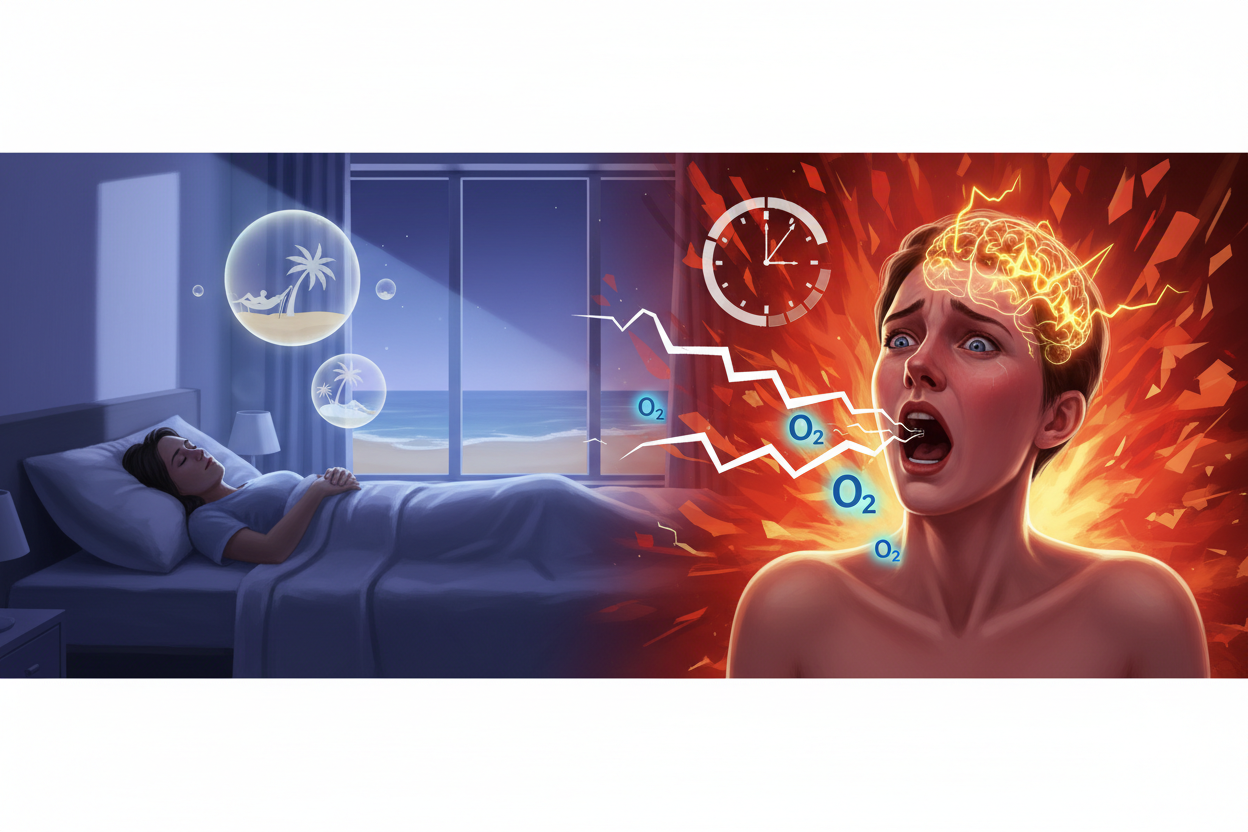
What makes sleep apnea particularly insidious is that most sufferers are completely unaware of these breathing interruptions. You might sleep for eight hours and wake up feeling exhausted, never realizing that your body spent the night fighting for air. It’s like having a thief in your bedroom who steals your oxygen while you’re unconscious, leaving behind only the evidence of a restless night.
The Oxygen Debt Crisis: How Your Body Suffers
When sleep apnea strikes, your body enters a state of oxygen debt that has far-reaching consequences. Each time your breathing stops, your blood oxygen levels drop significantly. This condition, known as hypoxemia, triggers a cascade of physiological responses as your body desperately tries to compensate for the lack of oxygen.
Your heart works overtime during these episodes, beating faster and harder to pump oxygen-depleted blood throughout your body. Blood pressure spikes as your cardiovascular system struggles to maintain adequate oxygen delivery to vital organs. Meanwhile, your brain – which consumes about 20% of your body’s oxygen supply – begins to suffer from this chronic oxygen starvation.
The fragmented sleep patterns caused by repeated awakenings prevent your body from reaching the deep, restorative sleep stages it needs. During these crucial phases, your body typically repairs tissues, consolidates memories, and releases important hormones. When sleep apnea interrupts these processes night after night, the cumulative effect on your health becomes profound and potentially dangerous.
Silent Symptoms: Recognizing the Oxygen Thief’s Calling Cards
Sleep apnea is a master of disguise, often masquerading as other conditions or simply the effects of a busy lifestyle. However, there are telltale signs that this oxygen thief has been visiting your bedroom. Loud, chronic snoring is often the first clue, particularly when it’s punctuated by gasping or choking sounds.
Daytime fatigue that persists despite seemingly adequate sleep is another major red flag. You might find yourself nodding off during meetings, struggling to concentrate on simple tasks, or feeling like you’re operating in a mental fog. This isn’t just being tired – it’s your brain crying out for the oxygen it was denied during the night.
Morning headaches are common among sleep apnea sufferers, resulting from the overnight oxygen deprivation and elevated carbon dioxide levels in the blood. You might also notice mood changes, including increased irritability, depression, or anxiety. These emotional shifts aren’t character flaws; they’re direct consequences of chronic sleep disruption and oxygen debt.
Physical symptoms extend beyond fatigue and can include frequent nighttime urination, dry mouth upon waking, and difficulty staying asleep. Some people experience night sweats as their body works harder to maintain oxygen levels. Partners often report witnessing breathing interruptions, loud snoring, or restless tossing and turning throughout the night.
The Domino Effect: Long-Term Health Consequences
The impact of chronic oxygen deprivation extends far beyond feeling tired the next day. Sleep apnea sets off a domino effect of health problems that can significantly reduce both quality of life and lifespan if left untreated. Understanding these consequences helps illustrate why addressing sleep apnea is so crucial for overall health.
Cardiovascular disease tops the list of serious complications. The repeated stress of oxygen deprivation and the resulting blood pressure spikes put enormous strain on your heart and blood vessels. Studies show that people with untreated sleep apnea have a significantly higher risk of heart attacks, strokes, and irregular heart rhythms. The condition essentially forces your cardiovascular system into a state of chronic stress.
Type 2 diabetes risk also increases substantially with sleep apnea. The fragmented sleep and stress hormones released during breathing interruptions interfere with your body’s ability to regulate blood sugar effectively. This creates a vicious cycle where diabetes can worsen sleep apnea symptoms, and sleep apnea can make diabetes harder to control.
Weight gain becomes both a cause and consequence of sleep apnea. The condition disrupts hormones that regulate hunger and satiety, leading to increased appetite and cravings for high-calorie foods. Excess weight, particularly around the neck, can worsen airway obstruction, creating another self-perpetuating cycle that’s difficult to break without proper treatment.
Fighting Back: Effective Treatments for Sleep Apnea
The good news is that sleep apnea is highly treatable, and addressing it can dramatically improve your quality of life and long-term health outcomes. The key is finding the right treatment approach for your specific type and severity of sleep apnea. Most treatments focus on keeping your airway open during sleep or supporting your breathing patterns.
Continuous Positive Airway Pressure (CPAP) therapy remains the gold standard for treating moderate to severe obstructive sleep apnea. This treatment involves wearing a mask connected to a machine that delivers a steady stream of pressurized air, keeping your airway open throughout the night. While it may take some adjustment, CPAP therapy can be life-changing for many people, immediately restoring normal oxygen levels and sleep quality.
For those who find CPAP challenging, alternative treatments include oral appliances that reposition the jaw and tongue to keep the airway open. These custom-fitted devices are particularly effective for mild to moderate sleep apnea and are often better tolerated than CPAP machines. Some people benefit from positional therapy, which involves training to sleep in positions that naturally keep the airway more open.
Lifestyle modifications can significantly impact sleep apnea severity. Weight loss, even modest amounts, can dramatically reduce symptoms for overweight individuals. Avoiding alcohol and sedatives before bedtime helps prevent excessive muscle relaxation in the throat. Establishing good sleep hygiene practices and treating nasal congestion can also improve breathing during sleep.
Taking Action: Steps Toward Better Sleep and Health
If you suspect that sleep apnea might be stealing your oxygen and sabotaging your health, taking action sooner rather than later is crucial. The first step is typically a sleep study, which can be conducted in a sleep center or, in many cases, at home using portable monitoring equipment. These studies provide detailed information about your breathing patterns, oxygen levels, and sleep stages throughout the night.
Don’t let embarrassment or fear of treatment options prevent you from seeking help. Modern sleep apnea treatments are more comfortable and effective than ever before. Many people report feeling dramatically better within days of starting treatment, experiencing improved energy levels, better mood, and enhanced cognitive function.
Working with a sleep specialist ensures you receive a comprehensive evaluation and personalized treatment plan. They can help you navigate the various treatment options and find an approach that fits your lifestyle and preferences. Remember, treating sleep apnea isn’t just about sleeping better – it’s about protecting your long-term health and potentially adding years to your life.
Reclaiming Your Nights and Your Health
Sleep apnea may be a stealthy oxygen thief, but it doesn’t have to continue robbing you of restful sleep and good health. By understanding how this condition affects your body and recognizing its symptoms, you’re already taking the first step toward reclaiming control over your sleep and well-being.
The journey from diagnosis to effective treatment might seem daunting, but millions of people have successfully managed their sleep apnea and experienced dramatic improvements in their quality of life. Better sleep leads to improved energy, enhanced cognitive function, better mood regulation, and reduced risk of serious health complications.
Don’t let another night pass with this oxygen thief operating in the shadows. If you recognize the signs of sleep apnea in yourself or a loved one, reach out to a healthcare provider or sleep specialist. Your body deserves the restorative sleep and adequate oxygen it needs to function at its best. Take back your nights, protect your health, and start breathing easier – both literally and figuratively. The investment in proper diagnosis and treatment will pay dividends in improved health, energy, and overall life satisfaction for years to come.
Take Control of Your Nighttime Breathing
Don’t let sleep apnea silently accelerate your lung disease. Discover the natural breathing protocol that thousands of respiratory patients are using to restore healthy sleep patterns and protect their lung function.
