
Lung Logic: The Physiological Impact of Sleep Apnea on Respiratory Health
Picture this: you’re lying in bed, finally drifting off to sleep after a long day, when suddenly your breathing stops. Not by choice, but because your airway has collapsed. Seconds tick by before your brain jolts you awake just enough to gasp for air. This cycle repeats dozens, sometimes hundreds of times throughout the night. Welcome to the world of sleep apnea – a condition that affects millions of people worldwide and wreaks havoc on their respiratory system in ways many never realize.
Sleep apnea isn’t just about loud snoring or feeling tired the next day. It’s a serious medical condition that fundamentally alters how your lungs function, creating a cascade of physiological changes that can impact your health for years to come. Understanding these changes is crucial for anyone dealing with sleep apnea or supporting someone who is.
Understanding Sleep Apnea and Its Types
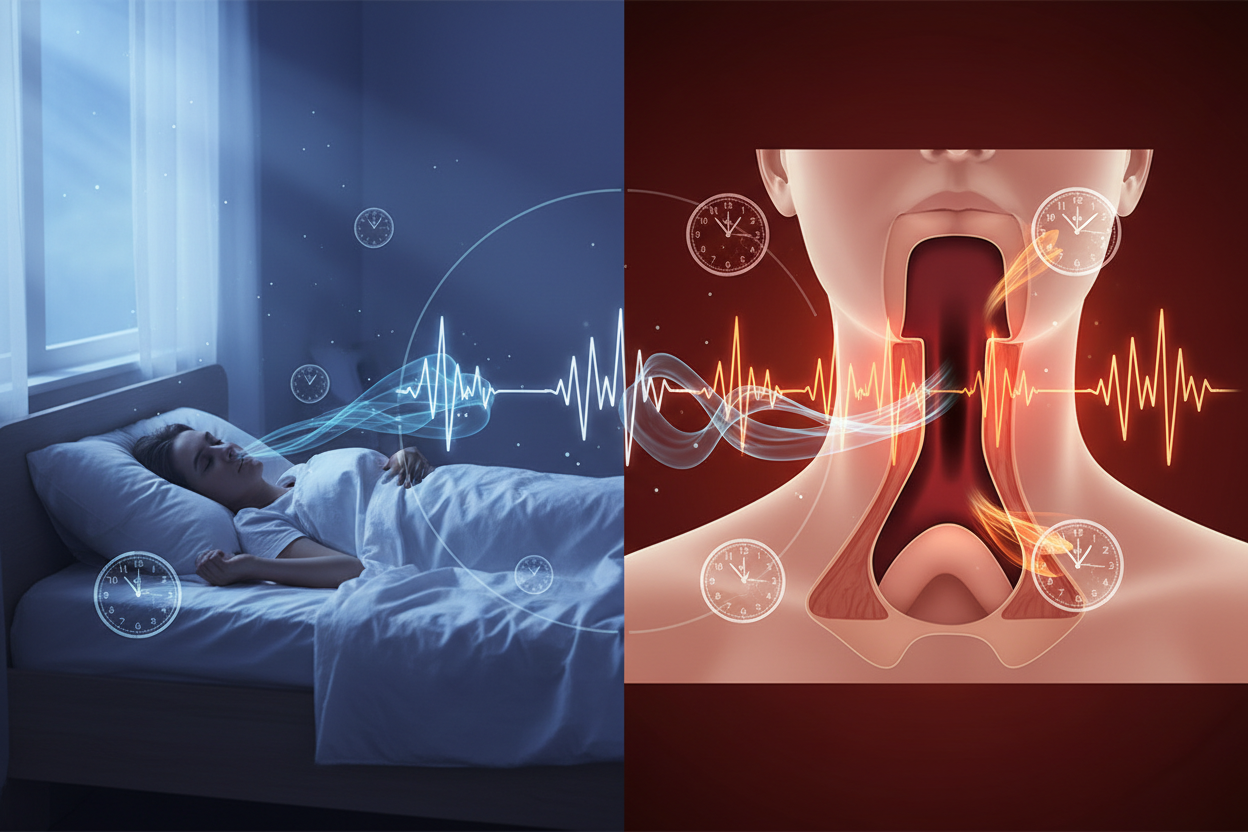
Sleep apnea occurs when your breathing repeatedly stops and starts during sleep. The most common form, obstructive sleep apnea (OSA), happens when throat muscles relax too much, causing the soft tissue in the back of the throat to collapse and block the airway. Central sleep apnea, less common but equally concerning, occurs when your brain fails to send proper signals to the muscles that control breathing.
What makes this condition particularly insidious is that many people don’t even know they have it. They might wake up feeling unrested, experience morning headaches, or find themselves dozing off during the day, but they rarely connect these symptoms to what’s happening in their lungs while they sleep.
The severity of sleep apnea is measured by the Apnea-Hypopnea Index (AHI), which counts the number of breathing interruptions per hour. Mild sleep apnea involves 5-15 events per hour, moderate ranges from 15-30, and severe cases can involve 30 or more interruptions hourly. Imagine your respiratory system trying to function normally when it’s being disrupted every two minutes throughout the night.
The Immediate Respiratory Response to Apnea Events
When an apnea event occurs, your body doesn’t just passively wait for breathing to resume. Instead, it launches into emergency mode, triggering a complex series of physiological responses that put tremendous strain on your respiratory system.
During the apnea event itself, oxygen levels in your blood begin to drop – a condition called hypoxemia. Your body’s oxygen saturation, which should ideally stay above 95%, can plummet to dangerous levels. Meanwhile, carbon dioxide builds up in your bloodstream, creating a state called hypercapnia. This combination signals your brain that something is seriously wrong.
The arousal response that follows is your body’s desperate attempt to restore normal breathing. Your sympathetic nervous system kicks into high gear, releasing stress hormones like adrenaline and increasing your heart rate. Your diaphragm and other respiratory muscles work harder than ever to overcome the airway obstruction, creating negative pressure in your chest cavity that can reach levels three to four times higher than normal.
This increased respiratory effort doesn’t just happen once or twice a night. In severe cases, these dramatic physiological swings occur hundreds of times, turning what should be a restorative period of sleep into an exhausting respiratory workout that your lungs were never designed to handle.
Long-term Changes in Lung Function and Structure
The repeated stress of sleep apnea events doesn’t just disappear when morning comes. Over time, these nightly respiratory battles begin to reshape your lung function and structure in measurable ways.
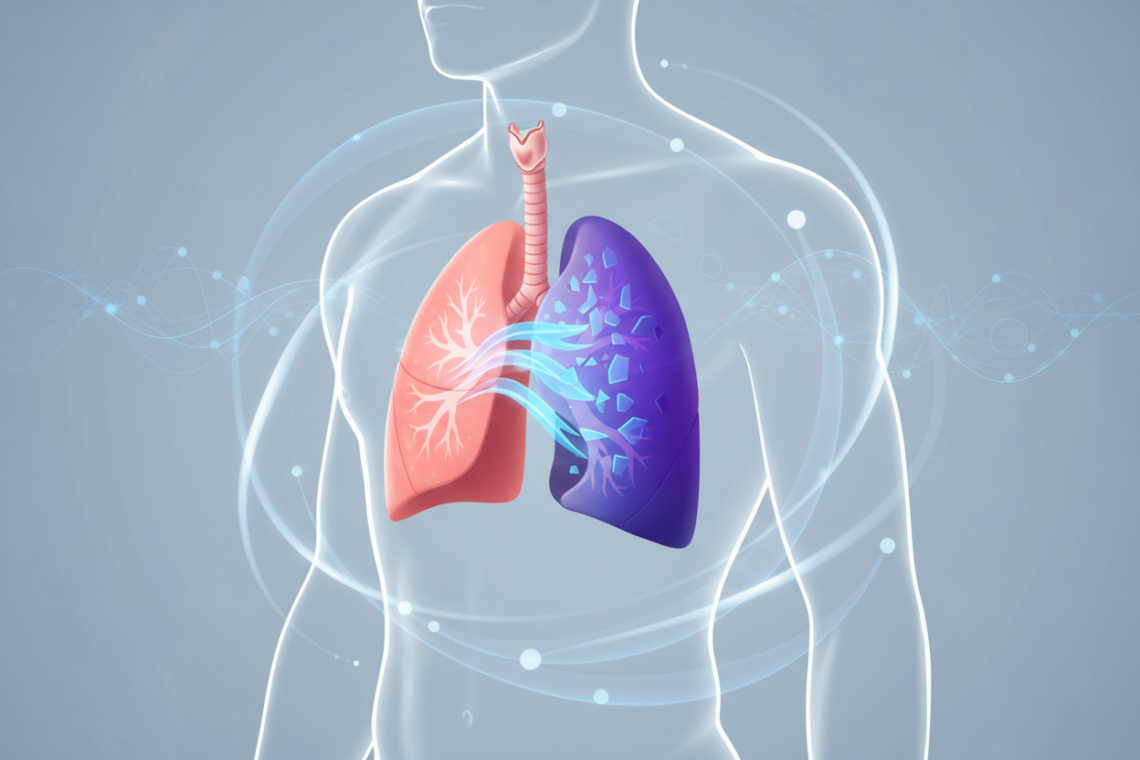
One of the most significant changes occurs in lung compliance – essentially, how easily your lungs can expand and contract. The repeated negative pressure created during apnea events can lead to structural changes in lung tissue, making your lungs stiffer and less efficient at gas exchange. Think of it like repeatedly over-inflating a balloon; eventually, the material becomes less elastic and doesn’t return to its original shape as easily.
Chronic intermittent hypoxia – the repeated drops in oxygen levels – also triggers inflammatory responses in lung tissue. This inflammation can lead to oxidative stress, damaging the delicate alveoli where oxygen and carbon dioxide are exchanged. Over years of untreated sleep apnea, this can result in measurable decreases in lung capacity and efficiency.
Research has shown that people with severe sleep apnea often develop changes in their pulmonary blood vessels as well. The repeated episodes of low oxygen and high carbon dioxide can cause these vessels to become less responsive, affecting how well blood flows through the lungs and how efficiently oxygen is delivered to the rest of the body.
The Cardiovascular-Respiratory Connection
Your respiratory and cardiovascular systems work so closely together that problems in one inevitably affect the other. Sleep apnea creates a perfect storm of conditions that strain both systems simultaneously.
Each apnea event triggers a surge in blood pressure as your heart works harder to pump blood through a system that’s not getting enough oxygen. This repeated stress can lead to sustained hypertension, even during waking hours. The right side of your heart, which pumps blood to your lungs, faces particular strain as it works against the changing pressures in your chest cavity during apnea events.
Over time, this can lead to a condition called cor pulmonale – enlargement and strain of the right ventricle due to lung disease. The connection becomes a vicious cycle: sleep apnea strains the cardiovascular system, which in turn makes it harder for your lungs to function efficiently, which worsens the sleep apnea.
The intermittent hypoxia also affects how your body regulates blood flow to different organs. During apnea events, blood flow is redirected away from less critical areas to ensure vital organs like the brain and heart continue receiving oxygen. This repeated redistribution can affect overall circulation and contribute to the fatigue and cognitive issues many sleep apnea patients experience.
Impact on Gas Exchange and Oxygen Delivery
At the most fundamental level, your lungs exist to facilitate gas exchange – bringing oxygen into your body and removing carbon dioxide. Sleep apnea disrupts this process in ways that extend far beyond the apnea events themselves.
The repeated episodes of hypoxemia don’t just represent temporary drops in oxygen levels; they actually change how efficiently your lungs can extract oxygen from the air you breathe. The inflammation and structural changes caused by chronic sleep apnea can thicken the walls between your alveoli and blood vessels, making it harder for oxygen to pass through.
Carbon dioxide elimination becomes problematic as well. During apnea events, CO2 builds up in your bloodstream, and your body’s normal mechanisms for regulating these levels become disrupted. Some people with sleep apnea develop a condition called sleep apnea-related hypoventilation, where they don’t breathe deeply enough even when their airway is open, leading to chronically elevated CO2 levels.
The efficiency of your respiratory muscles also changes over time. The diaphragm and intercostal muscles that drive breathing become fatigued from the nightly struggle against airway obstruction. This fatigue can persist into waking hours, making normal breathing feel more effortful than it should.
Sleep Apnea’s Role in Respiratory Comorbidities
Having sleep apnea doesn’t just affect healthy lungs – it can also worsen existing respiratory conditions and increase the risk of developing new ones. The relationship between sleep apnea and other respiratory diseases creates complex challenges for both patients and healthcare providers.
Chronic obstructive pulmonary disease (COPD) and sleep apnea often occur together, a combination sometimes called “overlap syndrome.” When these conditions coexist, patients face a double burden: COPD affects their ability to breathe effectively during waking hours, while sleep apnea disrupts breathing during sleep. The combination can accelerate the progression of both conditions and significantly impact quality of life.
Asthma symptoms often worsen in people with untreated sleep apnea. The chronic inflammation caused by repeated apnea events can make airways more reactive and prone to asthma attacks. Additionally, the gastroesophageal reflux that commonly accompanies sleep apnea can trigger asthma symptoms, creating another layer of respiratory complications.
Sleep apnea has also been linked to an increased risk of developing lung infections. The disrupted sleep patterns and compromised immune function associated with chronic sleep deprivation can make it harder for your body to fight off respiratory infections. The repeated trauma to throat tissues from snoring and apnea events can also create opportunities for bacteria to take hold.
Recovery and Treatment Effects on Respiratory Health
The good news is that many of the respiratory changes caused by sleep apnea can improve with proper treatment. However, the extent of recovery depends on several factors, including how long the condition went untreated and how severe it was.
Continuous positive airway pressure (CPAP) therapy, the gold standard treatment for sleep apnea, can begin improving respiratory function within days of starting treatment. By keeping airways open throughout the night, CPAP eliminates the repeated episodes of hypoxia and the associated stress on respiratory muscles. Many patients notice improved energy levels and better breathing within the first week of consistent CPAP use.
Studies have shown that effective sleep apnea treatment can lead to improvements in lung function tests, reduced inflammation markers, and better oxygen saturation levels. The structural changes in lung tissue may take longer to reverse, and some changes might be permanent if the condition was severe and long-standing.
Alternative treatments like oral appliances, positional therapy, or surgical interventions can also provide respiratory benefits, though their effectiveness varies depending on the individual case. The key is finding a treatment approach that consistently keeps the airway open during sleep, allowing the respiratory system to function normally.
Conclusion
Sleep apnea’s impact on respiratory health extends far beyond the obvious symptoms of snoring and daytime fatigue. This condition creates a nightly assault on your respiratory system, triggering immediate physiological responses that, over time, can lead to lasting changes in lung function and structure.
From the moment an apnea event begins, your lungs and the muscles that control breathing are thrown into emergency mode, working against collapsed airways and fluctuating oxygen levels. The repeated stress of these events can lead to inflammation, reduced lung compliance, and changes in gas exchange efficiency that persist even during waking hours.
Understanding these physiological impacts underscores why sleep apnea should never be dismissed as just a sleep problem or a minor inconvenience. It’s a serious medical condition that affects one of your body’s most vital functions – breathing. The interconnected nature of respiratory and cardiovascular health means that untreated sleep apnea can set off a cascade of health problems that extend well beyond the bedroom.
However, the story doesn’t have to end with decline and complications. With proper diagnosis and treatment, many of the respiratory changes caused by sleep apnea can be halted or even reversed. The key is recognizing the symptoms, seeking professional evaluation, and committing to consistent treatment.
If you suspect you or someone you care about might have sleep apnea, don’t wait to seek help. Your lungs – and your overall health – depend on the restorative power of truly restful sleep. Every night of untreated sleep apnea is another night your respiratory system is fighting a battle it was never meant to fight.
Take Control of Your Nighttime Breathing
Don’t let sleep apnea silently accelerate your lung disease. Discover the natural breathing protocol that thousands of respiratory patients are using to restore healthy sleep patterns and protect their lung function.
