
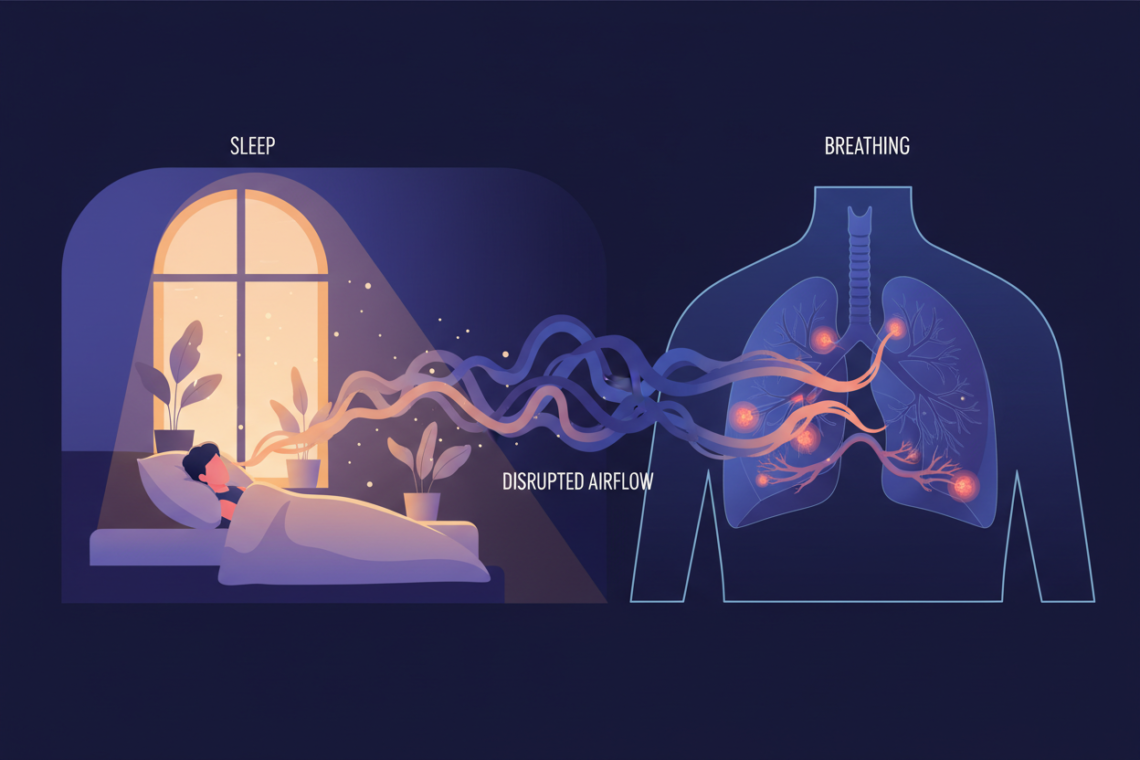
Nighttime Asthma Attacks: The Sleep Apnea Connection Explained
If you’ve ever jolted awake gasping for air, your heart racing as you struggle to breathe, you know how terrifying nighttime asthma attacks can be. What many people don’t realize is that these frightening episodes might be more connected to sleep apnea than they initially thought. The relationship between asthma and sleep apnea is complex, intertwined, and often misunderstood – but understanding this connection could be the key to finally getting the restful sleep you deserve.
As someone who has worked with countless patients experiencing both conditions, I’ve witnessed firsthand how the overlap between nighttime asthma and sleep apnea can create a perfect storm of sleep disruption. The good news? Once you understand what’s happening in your body during those dark hours, you can take meaningful steps toward better breathing and better sleep.
Understanding Nighttime Asthma: More Than Just Bad Timing
Nighttime asthma, also known as nocturnal asthma, affects up to 75% of people with asthma. It’s not simply a matter of your regular asthma symptoms happening to occur at night – there are specific physiological reasons why your airways become more reactive when the sun goes down.
During nighttime hours, your body’s natural circadian rhythms cause several changes that can trigger asthma symptoms. Your cortisol levels drop significantly between midnight and 4 AM, reducing your body’s natural anti-inflammatory response. Meanwhile, your airways naturally narrow during sleep, and lying flat can cause mucus to pool in your lungs. These factors combine to create the perfect environment for an asthma attack.
But here’s where things get interesting – and complicated. Many of the symptoms we attribute to nighttime asthma might actually be signs of sleep apnea, or worse, both conditions working together to disrupt your sleep and health.
Sleep Apnea: The Hidden Culprit Behind Breathing Problems
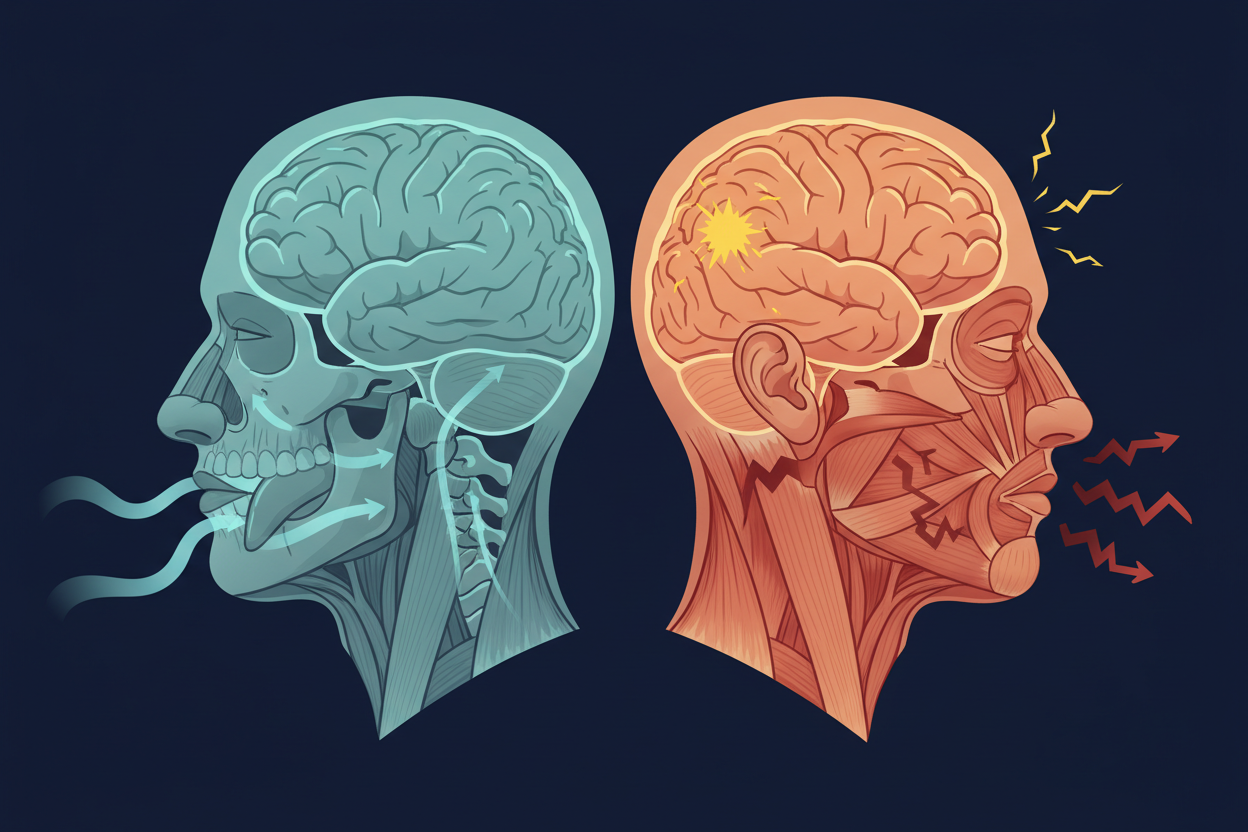
Sleep apnea is a condition where your breathing repeatedly stops and starts during sleep. The most common type, obstructive sleep apnea (OSA), occurs when the muscles in your throat relax too much, causing your airway to narrow or close completely. When this happens, your brain jolts you awake just enough to restart your breathing – often without you even realizing it.
What makes sleep apnea particularly sneaky is that its symptoms can mirror those of nighttime asthma. Both conditions can cause you to wake up gasping, feeling short of breath, or experiencing chest tightness. The key difference lies in what’s actually happening in your airways during these episodes.
Research shows that people with asthma are significantly more likely to develop sleep apnea than those without asthma. In fact, studies indicate that individuals with asthma have nearly a 40% higher risk of developing sleep apnea. This isn’t just coincidence – there are real, measurable reasons why these two conditions often go hand in hand.
The Dangerous Dance: How Asthma and Sleep Apnea Feed Each Other
The relationship between asthma and sleep apnea isn’t just about having two separate conditions – it’s about how they interact and potentially make each other worse. This creates what medical professionals call a “vicious cycle” that can be challenging to break without proper understanding and treatment.
When you have untreated sleep apnea, the repeated episodes of stopped breathing create inflammation throughout your respiratory system. This inflammation can trigger asthma symptoms and make your airways more sensitive to other triggers. Additionally, the sleep fragmentation caused by sleep apnea can weaken your immune system, making you more susceptible to respiratory infections that often trigger asthma attacks.
On the flip side, poorly controlled asthma can contribute to sleep apnea development. Chronic inflammation in your airways can lead to structural changes that make airway collapse more likely during sleep. Asthma medications, particularly oral corticosteroids, can also contribute to weight gain, which is a major risk factor for sleep apnea.
Recognizing the Warning Signs: Is It Asthma, Sleep Apnea, or Both?
Distinguishing between nighttime asthma attacks and sleep apnea episodes can be tricky, but there are some telltale signs that can help you and your healthcare provider determine what’s really going on during your sleep.
Classic nighttime asthma symptoms include waking up with wheezing, coughing, chest tightness, or shortness of breath. You might find yourself reaching for your rescue inhaler multiple times during the night, and these symptoms often respond well to asthma medications.
Sleep apnea symptoms, however, tend to be broader and may include loud snoring, choking or gasping during sleep, morning headaches, excessive daytime fatigue, and difficulty concentrating during the day. Your partner might notice that you stop breathing for periods during the night, followed by loud gasps or snorts as you resume breathing.
When both conditions are present, you might experience a combination of these symptoms. You may wake up feeling like you can’t breathe, but your rescue inhaler doesn’t provide the relief you expect. You might also notice that your asthma seems harder to control overall, despite following your treatment plan diligently.
The Impact on Your Overall Health and Quality of Life
The combination of nighttime asthma and sleep apnea doesn’t just affect your sleep – it can have far-reaching consequences for your overall health and daily functioning. Poor sleep quality affects every system in your body, from your cardiovascular health to your mental well-being.
People with both conditions often report feeling exhausted during the day, even after what seems like a full night’s sleep. This fatigue isn’t just inconvenient – it can affect your work performance, relationships, and ability to manage your health conditions effectively. Chronic sleep deprivation also increases your risk of accidents, depression, and other serious health problems.
From a respiratory standpoint, the combination can create a downward spiral. Poor sleep weakens your immune system, making you more susceptible to respiratory infections that can trigger severe asthma attacks. Meanwhile, untreated sleep apnea can worsen asthma control, leading to more frequent symptoms and potentially more serious complications.
Diagnostic Approaches: Getting to the Root of Your Breathing Problems
If you suspect that sleep apnea might be contributing to your nighttime breathing problems, it’s crucial to work with healthcare professionals who understand the connection between these conditions. A comprehensive evaluation typically involves both your pulmonologist or allergist and a sleep medicine specialist.
Your doctor will likely start with a detailed sleep history, asking about your symptoms, sleep patterns, and how your current asthma treatments are working. They may recommend keeping a sleep diary to track your symptoms and identify patterns.
A sleep study, either in a lab or at home, is often necessary to definitively diagnose sleep apnea. During this study, various aspects of your sleep are monitored, including your breathing patterns, oxygen levels, heart rate, and brain activity. This comprehensive data helps determine whether sleep apnea is present and how severe it might be.
It’s important to continue working closely with your asthma care team during this process. Sometimes, optimizing asthma control can improve sleep apnea symptoms, and vice versa. The key is taking a coordinated approach that addresses both conditions simultaneously.
Treatment Strategies: A Multi-Pronged Approach to Better Sleep
Successfully managing both nighttime asthma and sleep apnea requires a comprehensive treatment approach that addresses both conditions while considering how they interact with each other.
For sleep apnea, continuous positive airway pressure (CPAP) therapy is often the gold standard treatment. CPAP machines deliver pressurized air through a mask, keeping your airways open during sleep. Interestingly, many people with both conditions find that CPAP therapy not only improves their sleep apnea but also helps reduce nighttime asthma symptoms.
Asthma management remains crucial and may need to be adjusted when sleep apnea is also present. Your doctor might recommend optimizing your controller medications, ensuring you’re using proper inhaler technique, and identifying and avoiding triggers that might be worse at night, such as dust mites or pet dander in your bedroom.
Lifestyle modifications can benefit both conditions significantly. Maintaining a healthy weight reduces sleep apnea severity and can improve asthma control. Creating an optimal sleep environment – cool, dark, and free from allergens – supports both better breathing and better sleep quality.
Taking Control: Your Path to Better Nighttime Breathing
Understanding the connection between nighttime asthma attacks and sleep apnea is the first step toward reclaiming your sleep and your health. If you’re experiencing frequent nighttime breathing problems, don’t assume it’s just your asthma acting up – it could be something more complex that requires a different approach.
The journey to better sleep might require patience and collaboration with multiple healthcare providers, but the results are worth it. Many people find that addressing both conditions simultaneously leads to dramatic improvements not just in their sleep, but in their overall quality of life, energy levels, and ability to manage their health effectively.
Remember, you don’t have to accept poor sleep as an inevitable part of having asthma. With proper evaluation, diagnosis, and treatment, those frightening nighttime episodes can become a thing of the past. Take the first step by discussing your nighttime symptoms with your healthcare provider – your future well-rested self will thank you.
Take Control of Your Nighttime Breathing
Don’t let sleep apnea silently accelerate your lung disease. Discover the natural breathing protocol that thousands of respiratory patients are using to restore healthy sleep patterns and protect their lung function.
