
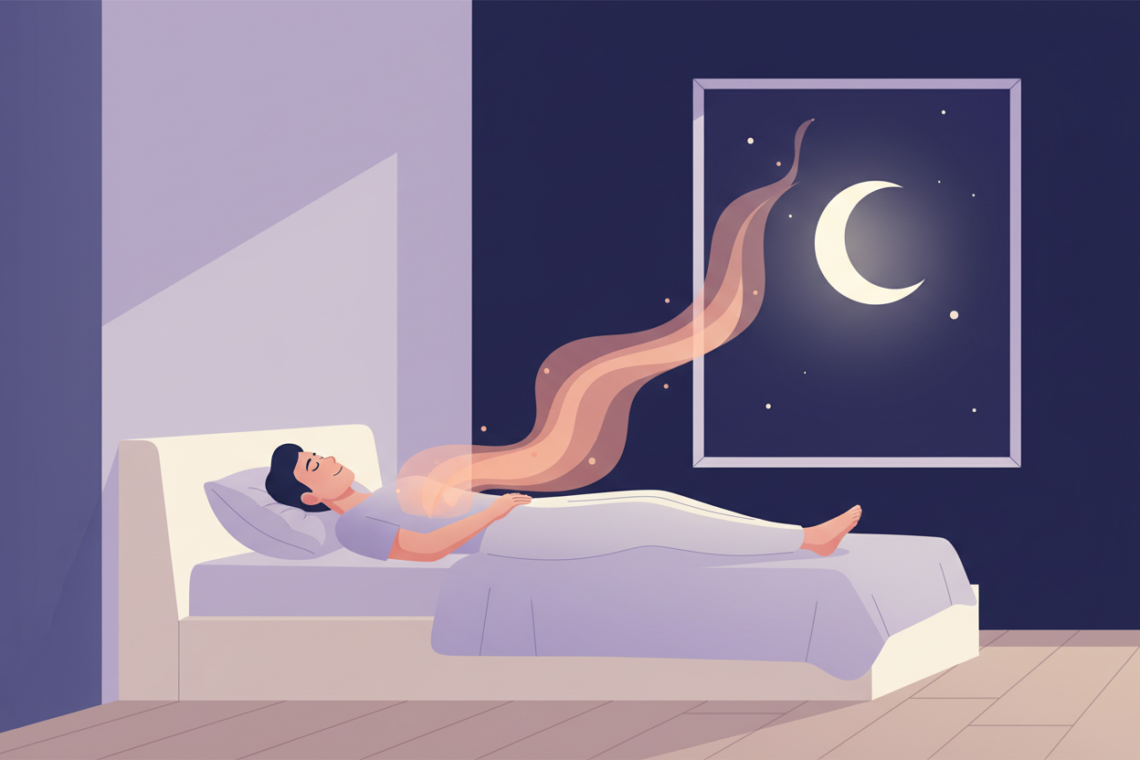
Belly Breathing Breakthrough: Diaphragm Exercises for Better Sleep
If you’ve ever found yourself lying awake at 2 AM, mind racing while your body feels exhausted, you’re not alone. Millions of people struggle with sleep issues, often turning to medications or expensive gadgets for relief. But what if I told you that one of the most effective sleep aids is already inside you, working 24/7 without you even thinking about it? Your diaphragm – that dome-shaped muscle beneath your lungs – holds the key to transforming your sleep quality through the power of belly breathing.
The ancient practice of diaphragmatic breathing, also known as belly breathing, has been helping people relax and sleep better for thousands of years. Modern science has finally caught up with this wisdom, revealing exactly how proper breathing techniques can shift your nervous system from high alert to deep relaxation mode. Tonight could be the night you discover your own breathing breakthrough.
Understanding the Science Behind Diaphragm Breathing and Sleep
Your breathing pattern directly influences your nervous system, and here’s where things get fascinating. When you breathe shallow, quick breaths into your chest – which most of us do during stressful days – you’re essentially telling your brain that danger is near. This activates your sympathetic nervous system, the same system responsible for your fight-or-flight response.
Diaphragmatic breathing does the complete opposite. When you breathe deeply into your belly, engaging your diaphragm fully, you activate your parasympathetic nervous system. This is your body’s “rest and digest” mode, the state where healing happens, stress hormones decrease, and sleep becomes possible.

Research published in the Journal of Clinical Medicine found that participants who practiced diaphragmatic breathing for just eight weeks showed significant improvements in sleep quality, reduced cortisol levels, and decreased anxiety. The beauty lies in its simplicity – you’re literally breathing your way to better sleep.
The Hidden Connection Between Stress, Shallow Breathing, and Insomnia
Most people don’t realize they’re breathing incorrectly until someone points it out. Throughout the day, especially during stressful moments, we tend to breathe high up in our chests using only the top portion of our lungs. This shallow breathing pattern becomes so habitual that we carry it into bedtime, keeping our nervous system in a state of subtle alertness.
Think about the last time you felt really stressed. Did you notice your breathing becoming faster and shallower? This creates a vicious cycle: stress leads to poor breathing, which signals more stress to your brain, which makes sleep nearly impossible. Your diaphragm, meanwhile, becomes weak and underused, like a muscle that’s been sitting on the couch for months.
Breaking this cycle requires retraining your breathing patterns, and the good news is that your diaphragm is incredibly responsive to practice. Within just a few days of consistent belly breathing exercises, many people notice they’re falling asleep faster and staying asleep longer.
Essential Diaphragm Exercises for Deep, Restorative Sleep
The Basic Belly Breathing Technique
Let’s start with the foundation – basic diaphragmatic breathing. This technique is so simple you can do it anywhere, but it’s particularly powerful when practiced before bedtime.
Begin by lying on your back with your knees slightly bent. Place one hand on your chest and the other on your belly, just below your ribcage. As you breathe in slowly through your nose, focus on expanding your belly while keeping your chest relatively still. The hand on your belly should rise significantly more than the hand on your chest.
Exhale slowly through slightly pursed lips, allowing your belly to fall naturally. Don’t force the breath out – let it flow like air slowly leaving a balloon. Continue this pattern for 5-10 minutes, gradually increasing the length of each exhale. Many people find that making their exhale longer than their inhale enhances the relaxation response.
The 4-7-8 Sleep Breathing Method
This technique, popularized by Dr. Andrew Weil, is specifically designed to promote sleep. It’s like a natural sedative for your nervous system, and the results can be surprisingly quick.
Start by exhaling completely through your mouth. Close your mouth and inhale quietly through your nose for a count of 4. Hold your breath for a count of 7. Exhale completely through your mouth for a count of 8, making a whooshing sound. This completes one cycle.
Repeat this cycle 3-4 times when you’re first learning, gradually working up to 8 cycles. The key is maintaining the ratio – if counting to 7 feels too long, try 2-3.5-4 instead. The extended exhale is what triggers your parasympathetic nervous system, telling your body it’s time to wind down.
Progressive Diaphragm Strengthening
Just like any muscle, your diaphragm becomes stronger and more efficient with targeted exercise. This progressive technique helps build your diaphragm’s endurance while deepening your relaxation response.
Lie comfortably and place a light book or small pillow on your belly. Practice your basic belly breathing, focusing on lifting the object with each inhale and lowering it with each exhale. Start with 2-3 minutes and gradually increase to 10-15 minutes. As your diaphragm strengthens, you can add slightly more weight or practice in different positions – sitting up or even standing.
The goal isn’t to strain or force your breathing, but to create smooth, controlled movements that feel effortless over time. This exercise is particularly beneficial for people who’ve been chest breathers for years and need to retrain their breathing muscles.
Creating Your Personalized Bedtime Breathing Routine
The most effective breathing routine is one you’ll actually stick to, which means it needs to fit seamlessly into your existing bedtime habits. Start by choosing one technique that resonates with you – whether it’s basic belly breathing or the 4-7-8 method – and commit to practicing it for at least one week.
Timing matters more than you might think. Begin your breathing exercises about 30-60 minutes before you want to fall asleep. This gives your nervous system time to shift gears gradually rather than expecting an instant switch from day mode to sleep mode.
Create a consistent environment for your practice. Dim the lights, put away electronic devices, and perhaps play soft, instrumental music or nature sounds. Your brain loves routine, and these environmental cues will eventually trigger relaxation responses even before you begin breathing.
Consider keeping a simple sleep journal to track your progress. Note which techniques work best for you, how long it takes to fall asleep, and how rested you feel in the morning. This isn’t about perfection – some nights will be better than others – but about building awareness and finding what works for your unique body and lifestyle.
Common Mistakes and How to Avoid Them
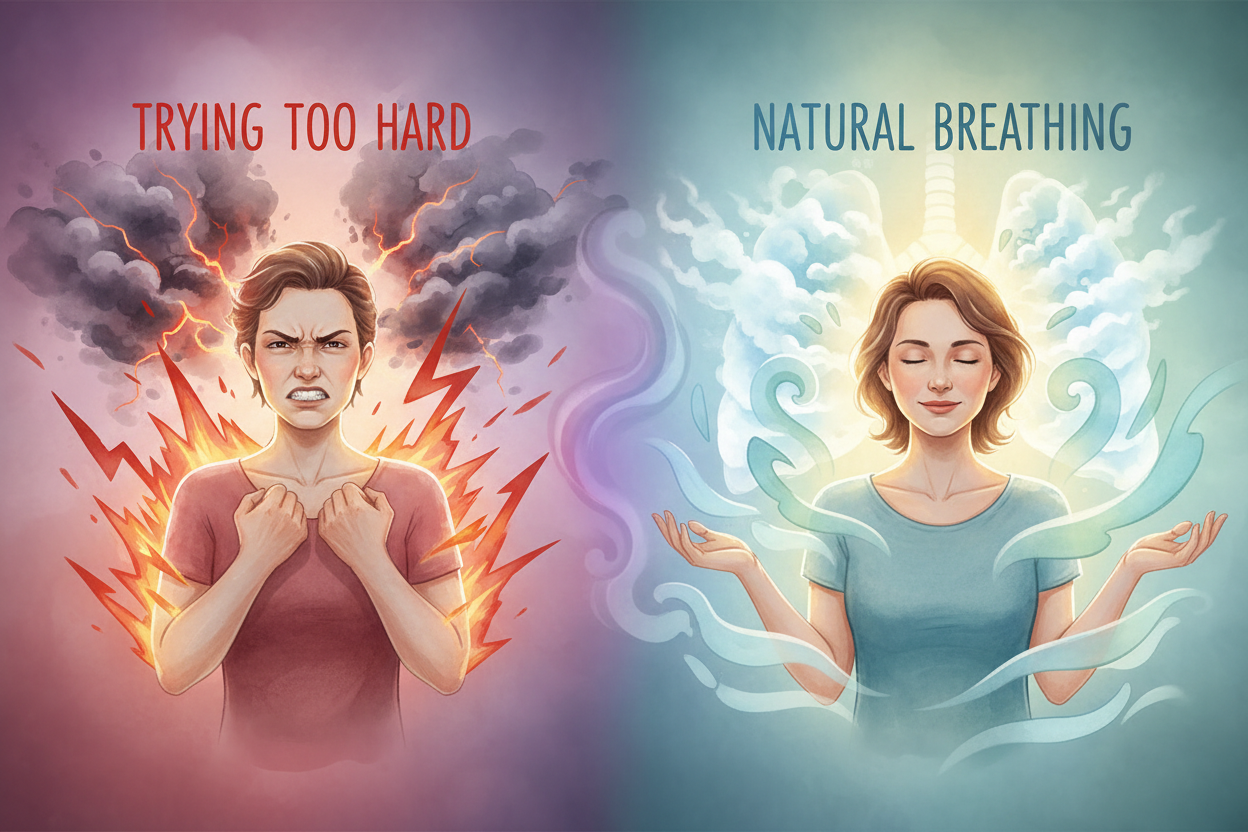
Even with the best intentions, it’s easy to develop habits that work against you. One of the most common mistakes is trying too hard. Breathing exercises should feel gentle and natural, not like a workout. If you find yourself getting frustrated or feeling like you’re not doing it “right,” take a step back and remember that any conscious breathing is better than unconscious shallow breathing.
Another pitfall is expecting immediate results. While some people notice improvements within days, others may need several weeks of consistent practice. Your breathing patterns have likely been developing for years or decades, so be patient with the retraining process.
Don’t practice intensive breathing exercises if you’re feeling anxious or panicked – this can sometimes make anxiety worse initially. Instead, start with very gentle, slow breathing and gradually work up to longer sessions as you become more comfortable with the techniques.
Advanced Techniques for Chronic Sleep Issues
If basic diaphragmatic breathing helps but you’re still struggling with persistent sleep problems, consider incorporating some advanced techniques. Box breathing, used by Navy SEALs and emergency responders, involves breathing in for 4 counts, holding for 4, exhaling for 4, and holding empty for 4. This creates a deeply meditative state that can be particularly effective for racing thoughts.
Coherent breathing, where you breathe at a rate of 5 breaths per minute (6 seconds in, 6 seconds out), has been shown to optimize heart rate variability and promote deep relaxation. This technique requires more practice but can be incredibly powerful for people with chronic insomnia or anxiety-related sleep issues.
For those dealing with sleep apnea or other breathing-related sleep disorders, diaphragmatic breathing exercises can be a valuable complement to medical treatment, but should never replace proper medical care. Always consult with a healthcare provider if you suspect you have a sleep disorder.
Conclusion: Your Journey to Better Sleep Starts Tonight
The path to better sleep doesn’t require expensive gadgets, complicated routines, or prescription medications – though these certainly have their place for some people. Sometimes the most powerful solutions are the simplest ones, and learning to breathe properly is perhaps the most fundamental skill you can develop for improving your sleep quality.
Your diaphragm is already working for you every moment of every day. By learning to work with it consciously, especially during those crucial pre-sleep hours, you’re tapping into your body’s natural ability to shift into rest and recovery mode. The breathing breakthrough you’re looking for isn’t some distant goal – it’s as close as your next breath.
Start tonight with just five minutes of basic belly breathing. Pay attention to how your body feels, notice any changes in your stress levels, and be curious about the process rather than judgmental about your performance. Remember, every expert was once a beginner, and every small step toward better breathing is a step toward better sleep.
Sweet dreams begin with conscious breaths. Your journey to more restful, restorative sleep starts now.
Take Control of Your Nighttime Breathing
Don’t let sleep apnea silently accelerate your lung disease. Discover the natural breathing protocol that thousands of respiratory patients are using to restore healthy sleep patterns and protect their lung function.
