Affiliate disclosure: This article contains affiliate links. We may earn a commission if you purchase through them, at no extra cost to you.
Nocturnal Nemesis: How Sleep Apnea Sabotages Asthma Control
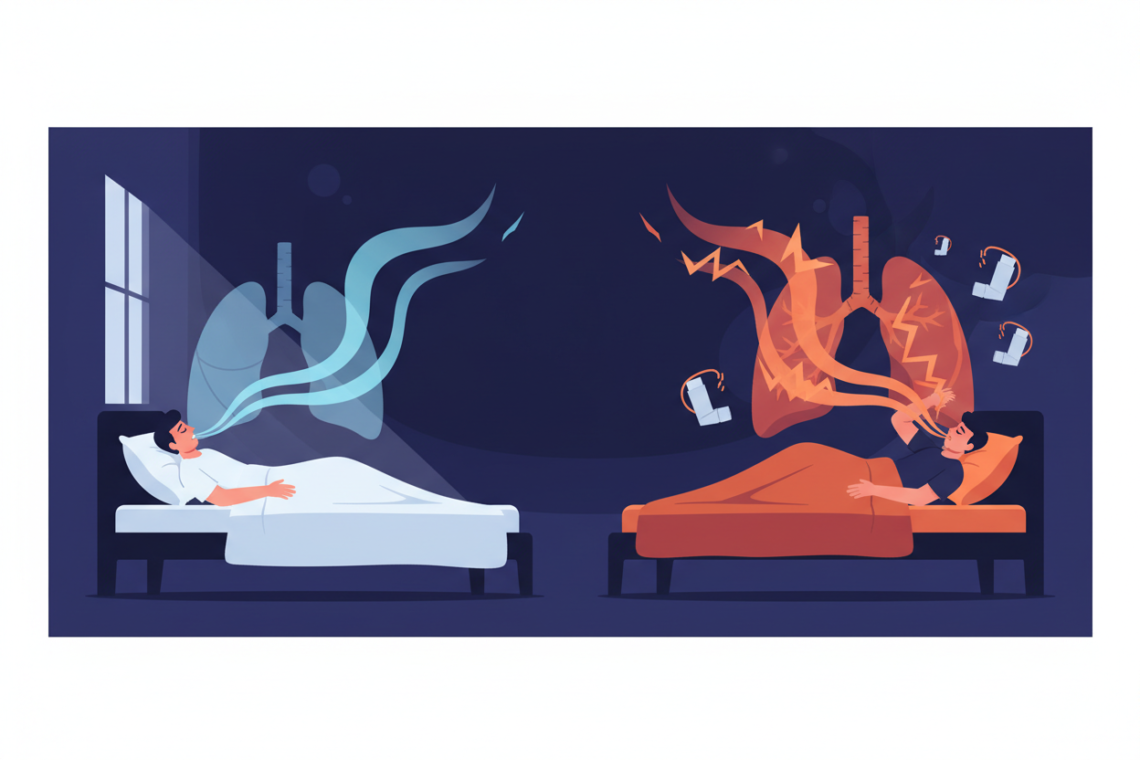
Picture this: you’ve finally gotten your asthma under control with the perfect combination of medications and lifestyle changes. Your peak flow readings are stable, you’re sleeping through the night, and life feels manageable again. Then suddenly, your symptoms start creeping back despite following your treatment plan religiously. What’s going on? The culprit might be lurking in your sleep patterns, specifically a condition called sleep apnea that’s quietly undermining all your hard work.
Sleep apnea and asthma form a particularly troublesome partnership that affects millions of people worldwide. While these conditions might seem unrelated at first glance, research reveals they’re more intertwined than most people realize. Understanding this connection could be the key to finally achieving the respiratory health you’ve been striving for.
The Hidden Connection Between Sleep Apnea and Asthma
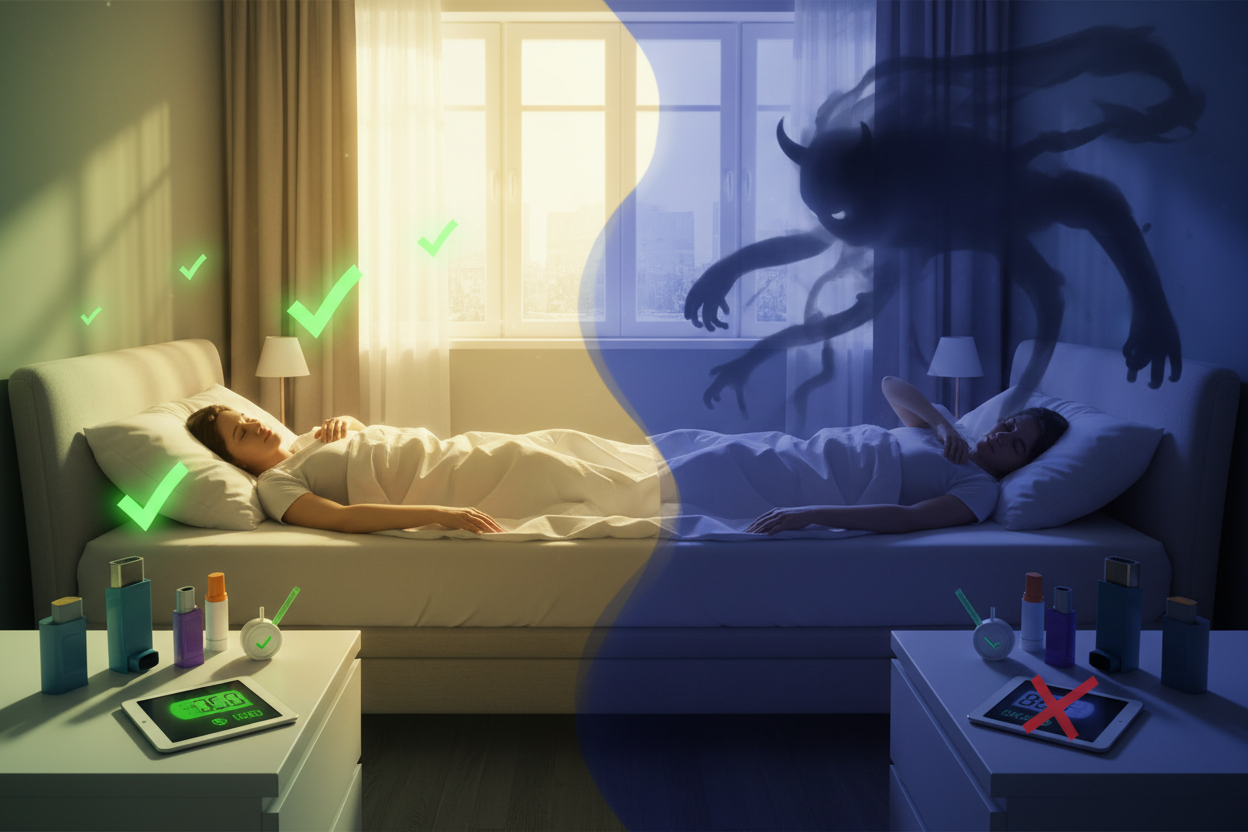
Sleep apnea occurs when your breathing repeatedly stops and starts during sleep, often without you even realizing it’s happening. The most common type, obstructive sleep apnea, happens when throat muscles relax and block your airway. What makes this particularly problematic for asthma sufferers is that both conditions involve compromised breathing, creating a vicious cycle that can spiral out of control.
Studies show that people with asthma are significantly more likely to develop sleep apnea compared to those without asthma. The numbers are striking: research indicates that up to 95% of people with difficult-to-control asthma also have sleep apnea. This isn’t just coincidence; there are real physiological reasons why these conditions feed off each other.
When you have untreated sleep apnea, your body experiences repeated episodes of oxygen deprivation throughout the night. This chronic stress triggers inflammation throughout your respiratory system, making your already sensitive asthmatic airways even more reactive. It’s like adding fuel to a fire that’s already burning.
How Sleep Apnea Undermines Your Asthma Management
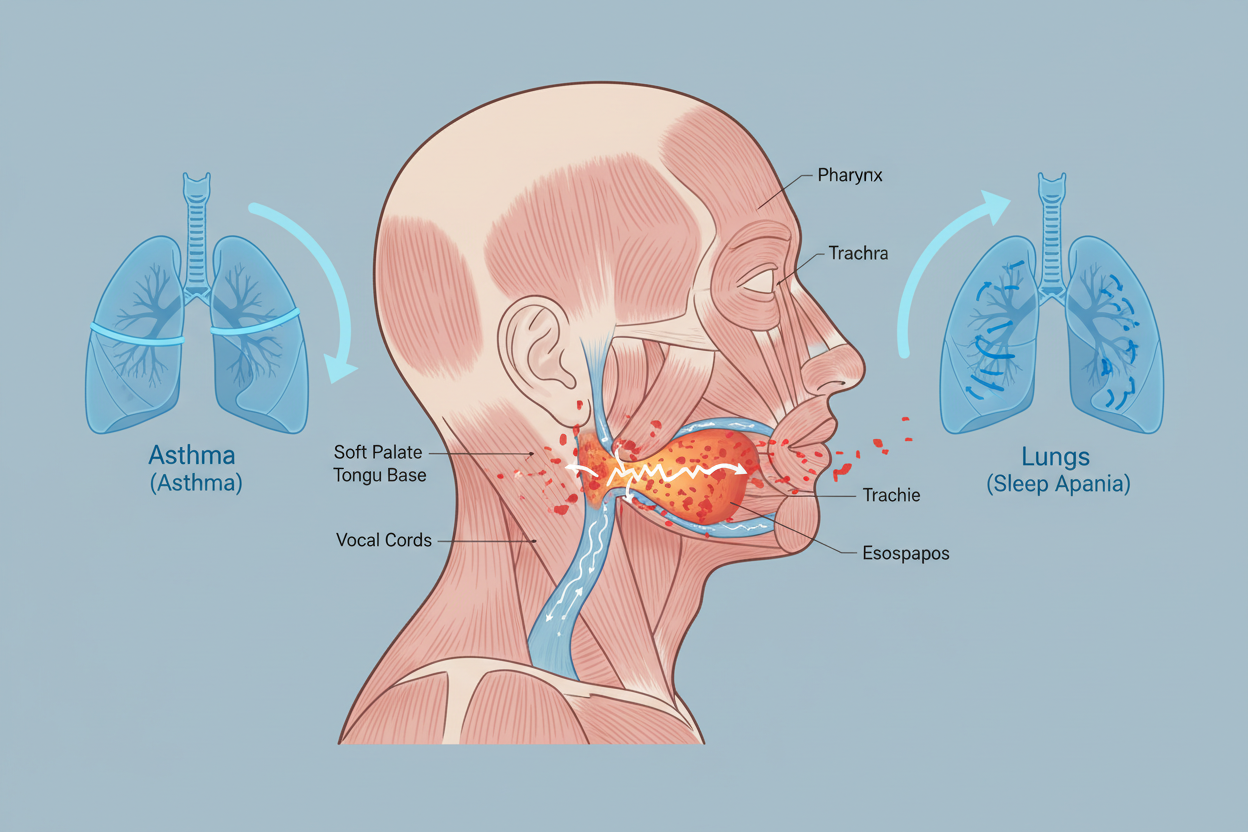
The relationship between sleep apnea and asthma isn’t just about shared symptoms; it’s about how one condition actively sabotages the other. Sleep apnea disrupts your body’s natural healing processes that typically occur during deep sleep. When you’re constantly waking up due to breathing interruptions, your body never gets the restorative rest it needs to repair inflamed airways.
Additionally, sleep apnea often leads to gastroesophageal reflux disease (GERD), where stomach acid backs up into your esophagus and can even reach your airways. This acid irritation can trigger asthma symptoms, especially at night. Many people don’t realize that their nighttime asthma flare-ups might actually be caused by acid reflux triggered by sleep apnea.
The fragmented sleep caused by sleep apnea also affects your immune system’s ability to function properly. A weakened immune system means you’re more susceptible to respiratory infections, which are notorious triggers for asthma attacks. It becomes a domino effect where poor sleep quality leads to increased vulnerability, which leads to more frequent asthma symptoms.
Recognizing the Warning Signs
Identifying sleep apnea when you already have asthma can be challenging because many symptoms overlap. However, there are specific warning signs that suggest sleep apnea might be complicating your asthma management. Loud snoring is often the most obvious sign, especially if your partner notices periods where your breathing stops completely during sleep.
Morning headaches are another telltale sign of sleep apnea. These occur because your brain isn’t getting enough oxygen during the night. If you’re waking up with headaches despite getting what seems like adequate sleep, it’s worth investigating further. Excessive daytime fatigue, even after a full night in bed, is also a red flag.
Pay attention to changes in your asthma patterns too. If your nighttime symptoms are worsening or if you’re experiencing more frequent morning asthma attacks, sleep apnea could be the underlying cause. Some people notice they need to use their rescue inhaler more often during the night or first thing in the morning.
Difficulty concentrating, mood changes, and increased irritability can also indicate that sleep apnea is affecting your sleep quality. These cognitive symptoms occur because your brain isn’t getting the restorative sleep it needs to function optimally.
The Science Behind Nighttime Breathing Battles
Understanding the physiological mechanisms at play helps explain why sleep apnea and asthma create such a problematic combination. During sleep apnea episodes, the repeated collapse and reopening of your airway creates negative pressure changes in your chest. These pressure changes can trigger bronchoconstriction, causing your already sensitive asthmatic airways to narrow further.
The intermittent hypoxia (low oxygen levels) caused by sleep apnea also increases oxidative stress in your body. This oxidative stress promotes inflammation, which is already a key component of asthma. Essentially, sleep apnea keeps your inflammatory pathways constantly activated, making it nearly impossible for your asthma medications to work effectively.
Furthermore, the stress response triggered by repeated awakenings causes your body to release stress hormones like cortisol at inappropriate times. While cortisol can have anti-inflammatory effects, chronic elevation disrupts your natural circadian rhythms and can actually worsen asthma control over time.
Treatment Strategies That Address Both Conditions
The good news is that treating sleep apnea often leads to significant improvements in asthma control. Continuous Positive Airway Pressure (CPAP) therapy is the gold standard treatment for sleep apnea, and studies show it can reduce asthma symptoms, decrease the need for rescue medications, and improve overall quality of life for people with both conditions.
CPAP works by providing a constant stream of pressurized air that keeps your airway open throughout the night. This prevents the repeated collapse and reopening that triggers inflammation and asthma symptoms. Many people notice improvements in their asthma control within just a few weeks of starting CPAP therapy.
Weight management plays a crucial role in treating both conditions. Excess weight, particularly around the neck and chest area, can worsen both sleep apnea and asthma. Even modest weight loss can lead to significant improvements in both conditions. A comprehensive approach that includes dietary changes and appropriate exercise can be transformative.
Positional therapy is another strategy that can help some people. Sleeping on your side rather than your back can reduce the severity of sleep apnea episodes. Special pillows or devices can help maintain proper sleep positioning throughout the night.
Lifestyle Modifications for Better Sleep and Breathing
Beyond medical treatments, several lifestyle modifications can help improve both sleep apnea and asthma simultaneously. Establishing good sleep hygiene practices creates an environment conducive to better breathing. This includes maintaining a consistent sleep schedule, creating a cool and comfortable sleeping environment, and avoiding large meals close to bedtime.
Elevating the head of your bed by 6-8 inches can help reduce both sleep apnea episodes and nighttime asthma symptoms. This position helps prevent acid reflux and makes it easier for your airways to stay open during sleep. Many people find this simple change makes a noticeable difference in their nighttime symptoms.
Avoiding alcohol and sedatives before bedtime is crucial, as these substances relax the throat muscles and can worsen sleep apnea. They can also interfere with your asthma medications and make breathing difficulties worse during sleep.
Regular exercise, when done appropriately for your asthma condition, can strengthen respiratory muscles and improve overall cardiovascular health. However, it’s important to work with your healthcare provider to develop an exercise plan that won’t trigger asthma symptoms while still providing benefits for sleep apnea.
When to Seek Professional Help
If you suspect that sleep apnea might be affecting your asthma control, it’s important to seek professional evaluation. A sleep study can definitively diagnose sleep apnea and determine its severity. These studies can be conducted in a sleep lab or, in some cases, at home using portable monitoring equipment.
Your healthcare team should ideally include both a pulmonologist who specializes in asthma and a sleep medicine specialist. Coordinated care between these specialists ensures that treatments for both conditions work together rather than against each other. Sometimes medications used to treat one condition can affect the other, so professional oversight is essential.
Don’t wait to seek help if your asthma symptoms are worsening despite following your treatment plan. The sooner sleep apnea is identified and treated, the sooner you can regain control over both your sleep and your breathing.
Breaking Free from the Cycle
Living with both sleep apnea and asthma doesn’t have to mean accepting poor sleep and compromised breathing as your new normal. Understanding the connection between these conditions is the first step toward breaking the cycle that keeps you from achieving optimal respiratory health.
The journey to better sleep and breathing might require patience and persistence, but the improvements in quality of life are well worth the effort. Many people find that addressing their sleep apnea is the missing piece that finally allows their asthma medications to work effectively.
Remember that every person’s situation is unique, and what works for one individual might need to be modified for another. Working closely with your healthcare providers to develop a personalized treatment plan that addresses both conditions simultaneously offers the best chance for success.
By taking control of your sleep health, you’re not just improving your nights; you’re setting the foundation for better breathing, increased energy, and improved overall health during your waking hours. The nocturnal nemesis of sleep apnea doesn’t have to sabotage your asthma control any longer.
Take Control of Your Nighttime Breathing
Don’t let sleep apnea silently accelerate your lung disease. Discover the natural breathing protocol that thousands of respiratory patients are using to restore healthy sleep patterns and protect their lung function.