
The Complete Guide to Sleep Apnea’s Impact on Respiratory Health
If you’ve ever woken up gasping for air or been told you snore loud enough to wake the neighbors, you might be dealing with something more serious than just a noisy night’s sleep. Sleep apnea affects millions of people worldwide, yet many don’t realize how profoundly this condition can impact their respiratory health and overall well-being.
Think of your respiratory system as a finely tuned orchestra – when sleep apnea disrupts the rhythm, the entire performance suffers. From your lungs working overtime to your heart struggling to keep pace, the ripple effects can be both immediate and long-lasting. Understanding these connections isn’t just academic curiosity; it’s essential knowledge that could transform your health journey.
Understanding Sleep Apnea: More Than Just Snoring
Sleep apnea isn’t simply about making noise while you sleep – it’s a serious medical condition where your breathing repeatedly stops and starts throughout the night. These interruptions, called apneic events, can occur anywhere from five to over a hundred times per hour, depending on the severity of your condition.
There are three main types of sleep apnea, each affecting your respiratory system differently. Obstructive sleep apnea, the most common form, happens when your throat muscles relax too much during sleep, causing a physical blockage. Central sleep apnea occurs when your brain fails to send proper signals to your breathing muscles. Mixed sleep apnea combines elements of both types, creating a complex challenge for your respiratory system.
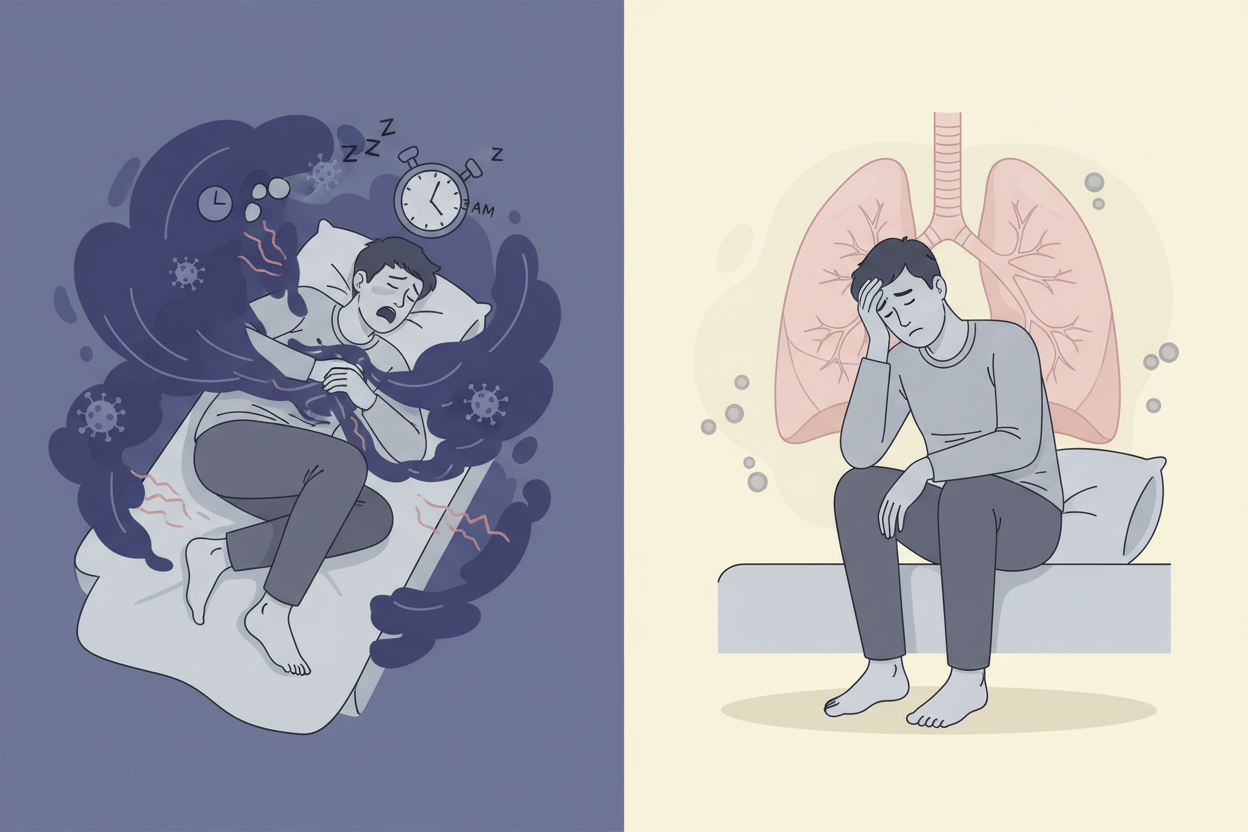
What makes this condition particularly insidious is how it operates in the shadows. While you’re unconscious, your body is fighting a nightly battle for adequate oxygen, often without your awareness. Many people live with sleep apnea for years before receiving a proper diagnosis, all while their respiratory health gradually deteriorates.
The Immediate Respiratory Consequences
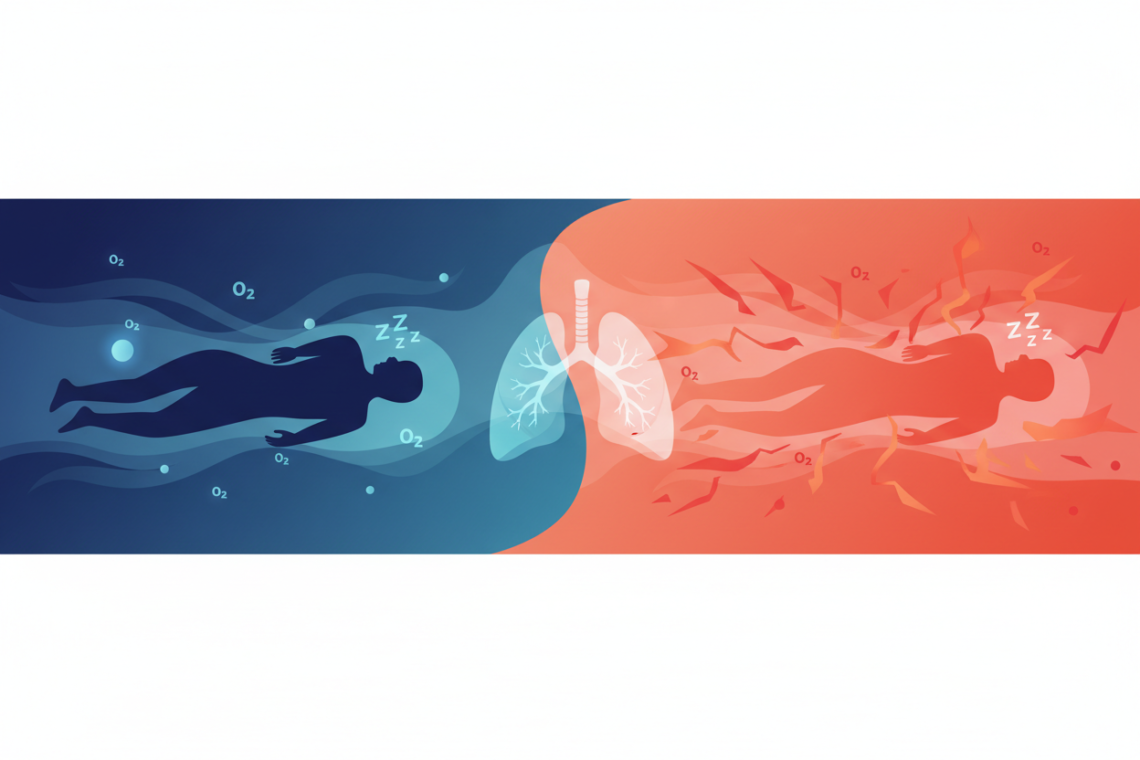
When sleep apnea strikes, your respiratory system immediately goes into crisis mode. Each time your airway becomes blocked or your brain fails to signal for breathing, your oxygen levels plummet. This creates what medical professionals call intermittent hypoxia – repeated episodes of low oxygen that trigger a cascade of physiological responses.
Your body doesn’t take these oxygen drops lying down. It activates emergency protocols, releasing stress hormones and increasing heart rate to compensate for the lack of oxygen. This constant state of alarm puts tremendous strain on your respiratory muscles, which must work harder to overcome the resistance or lack of neural signals.
The fragmentation of your sleep also means your respiratory system never gets the restorative rest it needs. During normal sleep, your breathing naturally slows and deepens, allowing your respiratory muscles to recover from the day’s work. Sleep apnea robs you of this recovery time, leaving your system perpetually exhausted and overworked.
Long-Term Effects on Lung Function
Over time, the repeated stress of sleep apnea can fundamentally alter your lung function. The constant struggle for adequate airflow can lead to inflammation in your airways, making them more sensitive and reactive. This inflammation doesn’t just disappear when you wake up – it becomes a chronic condition that affects your breathing throughout the day.
Research has shown that people with untreated sleep apnea often develop reduced lung capacity and decreased efficiency in gas exchange. Your lungs become less effective at delivering oxygen to your bloodstream and removing carbon dioxide, creating a vicious cycle where your respiratory system must work even harder to meet your body’s needs.
The mechanical effects are equally concerning. The repeated forceful attempts to breathe against blocked airways can cause structural changes in your chest wall and respiratory muscles. Some people develop what’s known as “negative pressure pulmonary edema,” where the intense suction created by trying to breathe through blocked airways actually pulls fluid into the lungs.
Cardiovascular Complications and Respiratory Health
Your heart and lungs work as an integrated team, so when sleep apnea affects one, the other inevitably suffers. The repeated drops in oxygen levels force your heart to pump harder and faster, leading to elevated blood pressure that persists even during waking hours. This increased cardiovascular workload has direct implications for your respiratory health.
High blood pressure in the pulmonary arteries, known as pulmonary hypertension, can develop as a result of chronic sleep apnea. This condition makes it harder for your heart to pump blood through your lungs, reducing the efficiency of oxygen exchange and creating additional strain on your respiratory system.
The relationship becomes even more complex when you consider that many people with sleep apnea also develop heart rhythm abnormalities. These irregular heartbeats can affect blood flow to the lungs, further compromising respiratory function and creating a downward spiral of declining health.
Sleep Apnea’s Connection to Other Respiratory Conditions
Sleep apnea rarely travels alone – it often brings along other respiratory companions that compound the health challenges. People with sleep apnea have significantly higher rates of asthma, and the two conditions can create a particularly troublesome partnership. Sleep apnea can trigger asthma attacks, while asthma inflammation can worsen sleep apnea symptoms.
Chronic obstructive pulmonary disease (COPD) is another frequent companion of sleep apnea. This combination, sometimes called “overlap syndrome,” is particularly dangerous because both conditions independently reduce oxygen levels and impair breathing. When they occur together, the respiratory impact is magnified, often requiring more intensive treatment approaches.
Even common respiratory infections can become more severe and prolonged in people with sleep apnea. The chronic inflammation and compromised immune function associated with poor sleep quality make it harder for your body to fight off respiratory illnesses, leading to more frequent and severe episodes of bronchitis, pneumonia, and other infections.
The Inflammation Factor
One of the most significant ways sleep apnea impacts respiratory health is through chronic inflammation. The repeated cycles of low oxygen followed by reoxygenation create what scientists call oxidative stress – essentially, your cells are being damaged by unstable molecules called free radicals.
This oxidative stress triggers inflammatory responses throughout your respiratory system. Your airways become swollen and irritated, mucus production increases, and the delicate tissues in your lungs become more susceptible to damage. This inflammation isn’t limited to your respiratory tract – it’s systemic, affecting your entire body and contributing to a wide range of health problems.
The inflammatory cascade also affects your immune system’s ability to protect your respiratory health. Chronic inflammation can suppress certain immune functions while overactivating others, creating an imbalanced response that leaves you more vulnerable to respiratory infections and slower to recover from illness.
Recognizing the Warning Signs
Understanding how sleep apnea affects your respiratory health is crucial, but recognizing the warning signs is equally important. Many symptoms that people attribute to aging, stress, or other conditions might actually be related to sleep apnea’s impact on respiratory function.
Daytime shortness of breath, especially during mild exertion, can be an early sign that your respiratory system is struggling. You might notice that climbing stairs leaves you more winded than it used to, or that you need to catch your breath after activities that never bothered you before.
Frequent respiratory infections, persistent coughing (especially at night or in the morning), and a feeling of never quite catching your breath can all be indicators that sleep apnea is affecting your respiratory health. Morning headaches, while often attributed to sleep apnea’s effect on oxygen levels, can also signal that your respiratory system isn’t functioning optimally during sleep.
Treatment Options and Respiratory Recovery
The good news is that treating sleep apnea can lead to significant improvements in respiratory health, often more quickly than you might expect. Continuous Positive Airway Pressure (CPAP) therapy, the gold standard treatment for obstructive sleep apnea, can begin reversing some respiratory effects within weeks of consistent use.
CPAP therapy works by providing a constant stream of pressurized air that keeps your airways open throughout the night. This eliminates the repeated episodes of low oxygen and allows your respiratory system to function normally during sleep. Many people report improved daytime breathing, reduced respiratory infections, and better exercise tolerance within the first month of treatment.
Alternative treatments like oral appliances, positional therapy, and surgical interventions can also provide respiratory benefits, depending on the type and severity of your sleep apnea. The key is finding the right treatment approach and using it consistently to give your respiratory system the chance to heal and recover.
Lifestyle Changes for Better Respiratory Health
While medical treatment is often necessary for sleep apnea, lifestyle modifications can significantly enhance respiratory recovery and overall health outcomes. Weight management plays a crucial role, as excess weight around the neck and chest can worsen both sleep apnea symptoms and respiratory function.
Regular exercise, particularly aerobic activities that strengthen your cardiovascular and respiratory systems, can help improve lung function and reduce the severity of sleep apnea symptoms. Even modest improvements in fitness can lead to better sleep quality and enhanced respiratory health.
Avoiding alcohol and sedatives, especially in the evening, can prevent the additional relaxation of throat muscles that worsens sleep apnea. Smoking cessation is particularly important, as tobacco use compounds the inflammatory effects of sleep apnea and significantly increases the risk of respiratory complications.
The Path Forward: Taking Control of Your Respiratory Health
Understanding sleep apnea’s impact on respiratory health is the first step toward reclaiming your well-being. This condition affects far more than just your sleep – it influences every breath you take, every step you climb, and every day you live. The interconnected nature of sleep, breathing, and overall health means that addressing sleep apnea can create positive ripple effects throughout your entire system.
If you suspect that sleep apnea might be affecting your respiratory health, don’t wait for symptoms to worsen. Early intervention can prevent many of the long-term complications and help restore your respiratory system to optimal function. Remember, every night of untreated sleep apnea is another night your respiratory system struggles unnecessarily.
Your respiratory health is too important to leave to chance. By understanding these connections and taking proactive steps toward diagnosis and treatment, you’re not just improving your sleep – you’re investing in your ability to breathe freely and live fully for years to come. The journey to better respiratory health through sleep apnea treatment isn’t always easy, but it’s one of the most valuable investments you can make in your long-term well-being.
Take Control of Your Nighttime Breathing
Don’t let sleep apnea silently accelerate your lung disease. Discover the natural breathing protocol that thousands of respiratory patients are using to restore healthy sleep patterns and protect their lung function.
