

Overlap Syndrome Survival Guide: Managing COPD and Sleep Apnea Together
Living with one chronic condition is challenging enough, but when you’re dealing with both Chronic Obstructive Pulmonary Disease (COPD) and sleep apnea simultaneously, the complexity multiplies exponentially. This combination, known medically as overlap syndrome, affects approximately 1% of the general population and up to 15% of people already diagnosed with COPD. If you’re reading this, chances are you or someone you care about is navigating this difficult terrain.
The good news? While overlap syndrome presents unique challenges, understanding how these conditions interact and implementing the right management strategies can significantly improve your quality of life. This comprehensive guide will walk you through everything you need to know about managing COPD and sleep apnea together, from recognizing symptoms to developing an effective treatment plan that works for your lifestyle.
Understanding Overlap Syndrome: When Two Conditions Collide
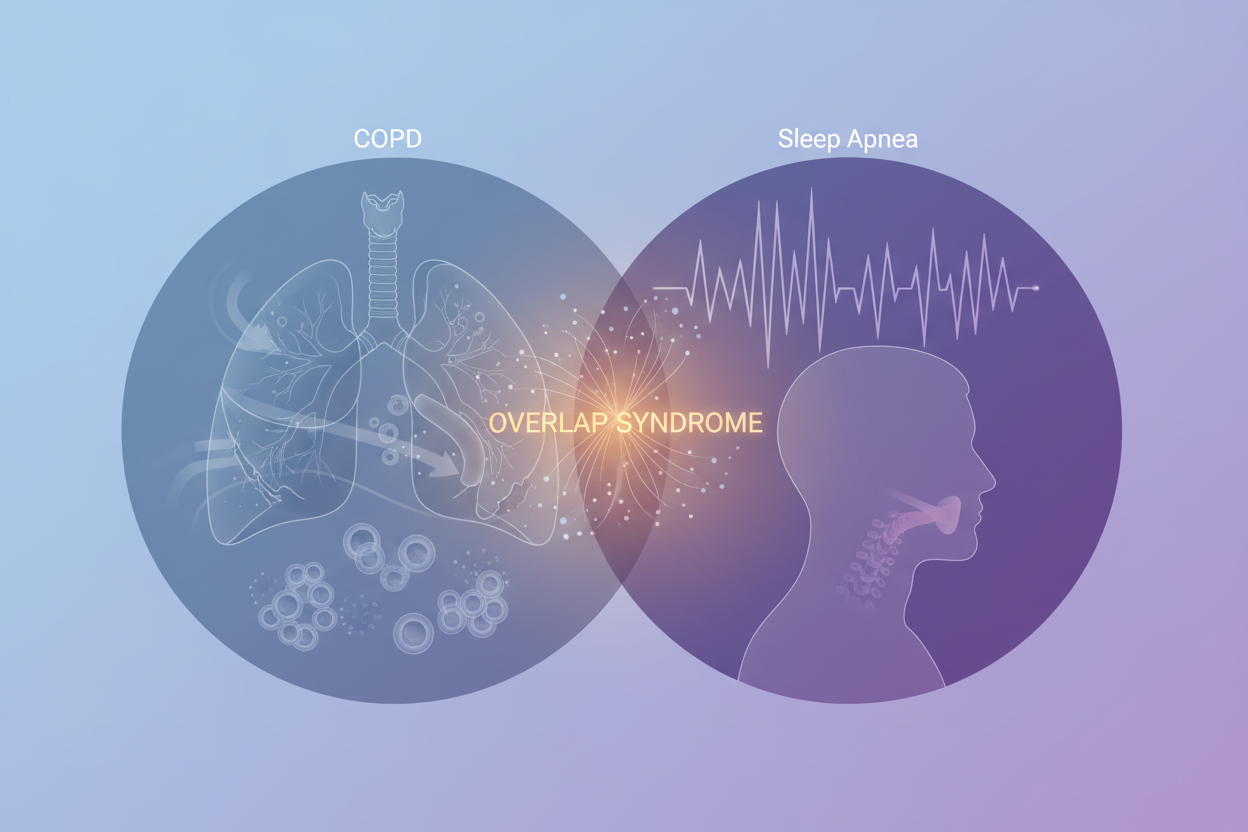
Overlap syndrome isn’t simply having two separate conditions that happen to coexist. These disorders create a complex interplay that can worsen both conditions if left untreated. COPD primarily affects your ability to breathe during waking hours, causing airway inflammation and reduced lung function. Sleep apnea, on the other hand, disrupts your breathing patterns during sleep, leading to repeated episodes of oxygen deprivation throughout the night.
When these conditions combine, they create what doctors call a “vicious cycle.” Poor sleep quality from sleep apnea can worsen COPD symptoms during the day, while COPD-related breathing difficulties can make sleep apnea episodes more severe and frequent. This combination significantly increases your risk of cardiovascular problems, hospitalizations, and overall mortality compared to having either condition alone.
The statistics are sobering but important to understand. People with overlap syndrome have a five-fold increased risk of developing heart problems and are more likely to experience severe oxygen drops during sleep. However, with proper diagnosis and treatment, these risks can be substantially reduced.
Recognizing the Warning Signs and Symptoms
Identifying overlap syndrome can be tricky because many symptoms overlap between COPD and sleep apnea. However, certain red flags should prompt you to discuss the possibility with your healthcare provider. The most common symptoms include excessive daytime sleepiness that doesn’t improve with COPD treatment alone, loud snoring accompanied by breathing pauses during sleep, and morning headaches that persist despite using COPD medications.
You might also notice that your COPD symptoms seem worse than expected based on your lung function tests, or that you’re experiencing more frequent COPD exacerbations requiring hospitalization. Many patients describe feeling like they’re constantly tired, no matter how much rest they think they’re getting. This bone-deep fatigue often stems from the poor sleep quality caused by untreated sleep apnea.
Family members or sleep partners often provide crucial observations. They might report witnessing breathing interruptions during sleep, gasping or choking sounds, or restless sleep with frequent position changes. If your loved ones express concern about your breathing during sleep, it’s worth taking their observations seriously and discussing them with your doctor.
The Diagnostic Journey: What to Expect
Getting an accurate diagnosis of overlap syndrome typically requires a multi-step approach. Your pulmonologist or primary care physician will likely start with a comprehensive evaluation of your COPD status, including pulmonary function tests and arterial blood gas analysis. These tests help establish the severity of your COPD and identify any concerning oxygen or carbon dioxide levels.
The next step usually involves a sleep study, either conducted in a specialized sleep laboratory or through a home sleep apnea test. During an in-lab polysomnography, technicians monitor multiple body functions throughout the night, including brain waves, eye movements, muscle activity, heart rhythm, breathing patterns, and oxygen levels. This comprehensive monitoring provides detailed information about sleep quality and breathing disruptions.
Home sleep tests offer a more convenient alternative for many patients, particularly those with mobility limitations or anxiety about sleeping in an unfamiliar environment. While not as comprehensive as in-lab studies, home tests can effectively diagnose moderate to severe sleep apnea in most cases. Your doctor will determine which type of sleep study is most appropriate based on your specific symptoms and medical history.
Treatment Strategies: A Comprehensive Approach
Successfully managing overlap syndrome requires addressing both conditions simultaneously rather than treating them as separate entities. The cornerstone of treatment typically involves Continuous Positive Airway Pressure (CPAP) therapy, which has been shown to provide remarkable benefits for people with overlap syndrome. CPAP therapy not only treats sleep apnea but can also improve COPD symptoms by reducing the work of breathing and improving overall oxygenation.
Studies have demonstrated that people with overlap syndrome who use CPAP therapy consistently experience fewer COPD exacerbations, reduced hospitalizations, and improved survival rates. The key is finding the right pressure settings and mask fit, which may require several adjustments and follow-up appointments with your sleep medicine team.
Your COPD treatment regimen will likely continue alongside CPAP therapy, potentially with some modifications. Your doctor might adjust your bronchodilator medications or modify your oxygen therapy prescription based on how well you respond to CPAP treatment. Some patients find they need less supplemental oxygen during the day once their sleep apnea is effectively treated.
Lifestyle Modifications That Make a Real Difference
While medical treatments form the foundation of overlap syndrome management, lifestyle modifications can significantly enhance your overall treatment success. Weight management deserves special attention, as excess weight can worsen both COPD and sleep apnea symptoms. Even modest weight loss of 10-15 pounds can lead to meaningful improvements in breathing and sleep quality.
Sleep hygiene becomes critically important when managing overlap syndrome. Establishing a consistent sleep schedule, creating a comfortable sleep environment, and avoiding alcohol or sedatives before bedtime can all contribute to better sleep quality. Many patients find that sleeping with their head elevated helps reduce both COPD-related breathing difficulties and sleep apnea episodes.
Regular, appropriate exercise plays a crucial role in managing both conditions. While intense exercise might not be suitable for everyone with COPD, gentle activities like walking, swimming, or tai chi can improve lung function, cardiovascular health, and sleep quality. Pulmonary rehabilitation programs often provide excellent guidance on safe, effective exercise routines tailored to your specific limitations and capabilities.
Building Your Healthcare Team
Managing overlap syndrome effectively requires coordination between multiple healthcare providers. Your team might include a pulmonologist for COPD management, a sleep medicine specialist for sleep apnea treatment, and potentially a cardiologist if heart complications develop. Clear communication between these providers is essential for optimal care coordination.
Don’t underestimate the value of other healthcare professionals in your journey. Respiratory therapists can provide invaluable assistance with CPAP equipment setup and troubleshooting, while registered dietitians can help develop nutrition strategies that support both weight management and overall health. Physical therapists specializing in pulmonary rehabilitation can design exercise programs that accommodate your breathing limitations while improving your overall fitness.
Consider joining support groups, either in-person or online, where you can connect with others facing similar challenges. These communities often provide practical tips, emotional support, and motivation that can be incredibly valuable in managing chronic conditions long-term.
Monitoring Progress and Adjusting Treatment
Successful overlap syndrome management requires ongoing monitoring and treatment adjustments. Regular follow-up appointments with your healthcare team allow for assessment of treatment effectiveness and identification of any emerging issues. Your doctors will likely monitor your oxygen levels, COPD symptom control, sleep quality metrics, and overall quality of life indicators.
Technology can be your ally in tracking progress. Many modern CPAP machines provide detailed data about your sleep patterns, mask leak rates, and breathing events. Learning to interpret this data, with guidance from your healthcare team, can help you identify patterns and make informed decisions about your treatment.
Keep a symptom diary noting your energy levels, breathing difficulties, sleep quality, and any concerning symptoms. This information becomes invaluable during medical appointments and can help your healthcare providers make more informed treatment decisions. Don’t hesitate to report new or worsening symptoms promptly, as early intervention often prevents more serious complications.
Looking Forward: Living Well with Overlap Syndrome
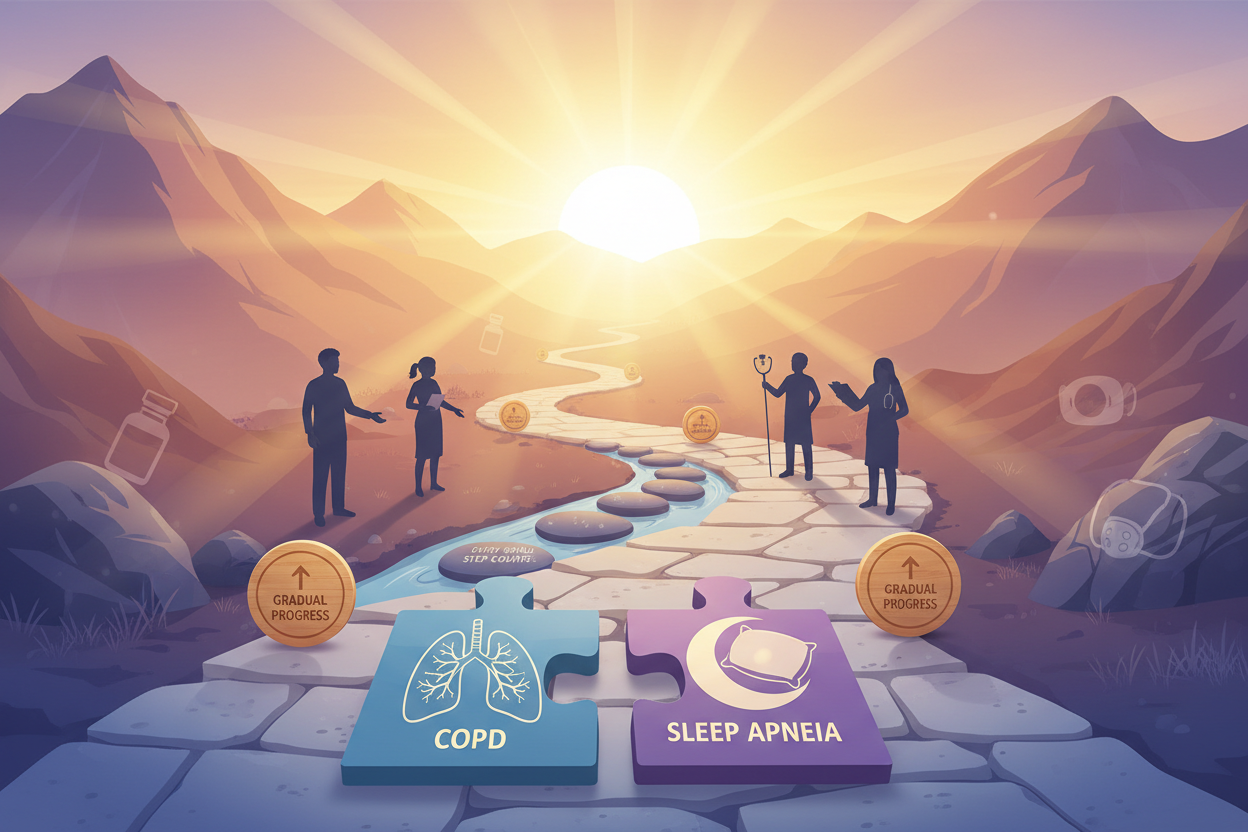
While overlap syndrome presents significant challenges, many people successfully manage both conditions and maintain active, fulfilling lives. The key lies in understanding that this is a marathon, not a sprint. Treatment adherence, lifestyle modifications, and regular medical follow-up form the foundation of long-term success.
Remember that treatment technology continues to advance rapidly. Newer CPAP machines are quieter and more comfortable than ever before, and emerging treatments for both COPD and sleep apnea offer hope for even better outcomes in the future. Stay engaged with your healthcare team about new treatment options that might benefit your specific situation.
Most importantly, don’t let overlap syndrome define your limitations. While you may need to make adjustments to accommodate your conditions, many people with overlap syndrome continue to work, travel, exercise, and enjoy meaningful relationships. The goal isn’t perfection but rather finding the right balance that allows you to live as fully as possible while managing your health effectively.
Managing overlap syndrome successfully requires patience, persistence, and a collaborative approach with your healthcare team. By understanding how COPD and sleep apnea interact, implementing comprehensive treatment strategies, and making appropriate lifestyle modifications, you can significantly improve your symptoms and quality of life. Remember that every small step forward counts, and with the right support and treatment plan, you can navigate this challenging condition while maintaining hope for a healthier future.
Take Control of Your Nighttime Breathing
Don’t let sleep apnea silently accelerate your lung disease. Discover the natural breathing protocol that thousands of respiratory patients are using to restore healthy sleep patterns and protect their lung function.
