
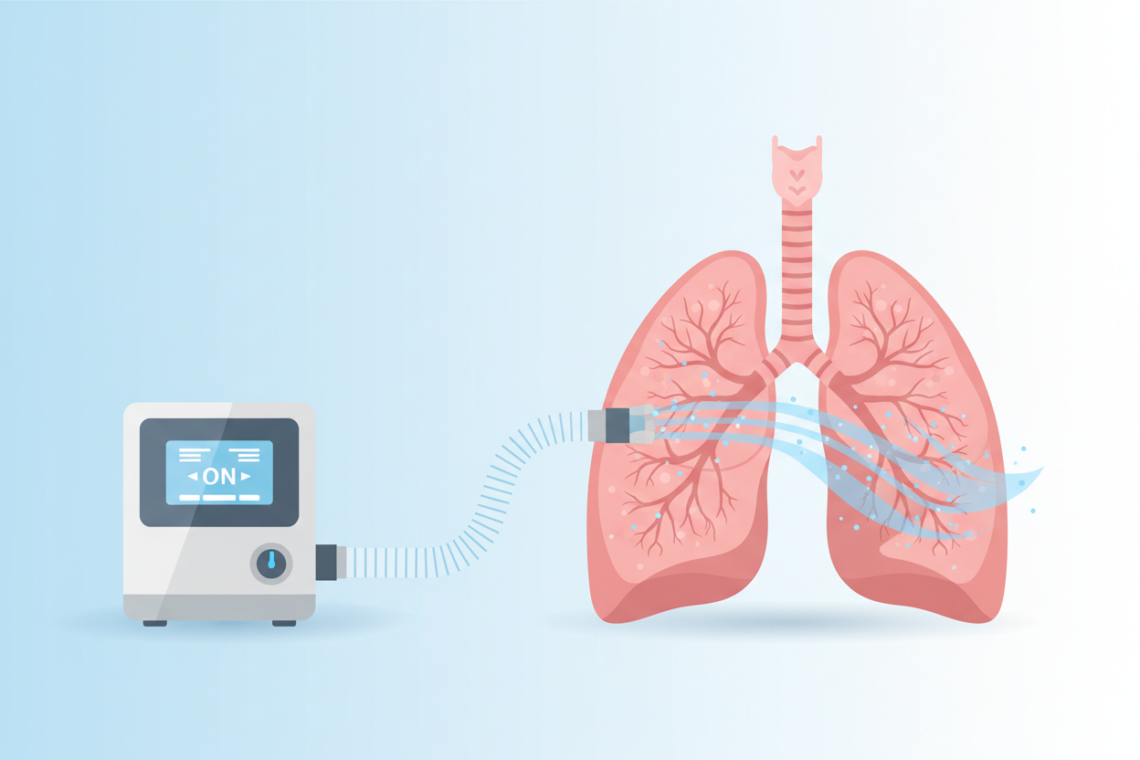
Does CPAP Really Improve Lung Function in COPD? The Science Explained
If you’re living with COPD or caring for someone who is, you’ve likely heard conflicting information about CPAP therapy. While CPAP machines are commonly associated with sleep apnea treatment, their role in managing chronic obstructive pulmonary disease remains a topic of ongoing research and debate among healthcare professionals.
The relationship between CPAP therapy and COPD isn’t as straightforward as you might expect. Unlike sleep apnea, where CPAP provides clear benefits by keeping airways open during sleep, COPD presents unique challenges that make the effectiveness of continuous positive airway pressure more complex to evaluate.
In this comprehensive guide, we’ll dive deep into the scientific evidence surrounding CPAP therapy for COPD patients, exploring both the potential benefits and limitations. Whether you’re considering CPAP as a treatment option or simply want to understand the latest research, this article will provide you with the evidence-based information you need to make informed decisions about your respiratory health.
Understanding COPD and Its Impact on Lung Function
Chronic obstructive pulmonary disease affects millions of people worldwide, making it one of the leading causes of death globally. This progressive condition primarily includes two main components: chronic bronchitis and emphysema. Both conditions work together to create significant breathing difficulties that worsen over time.
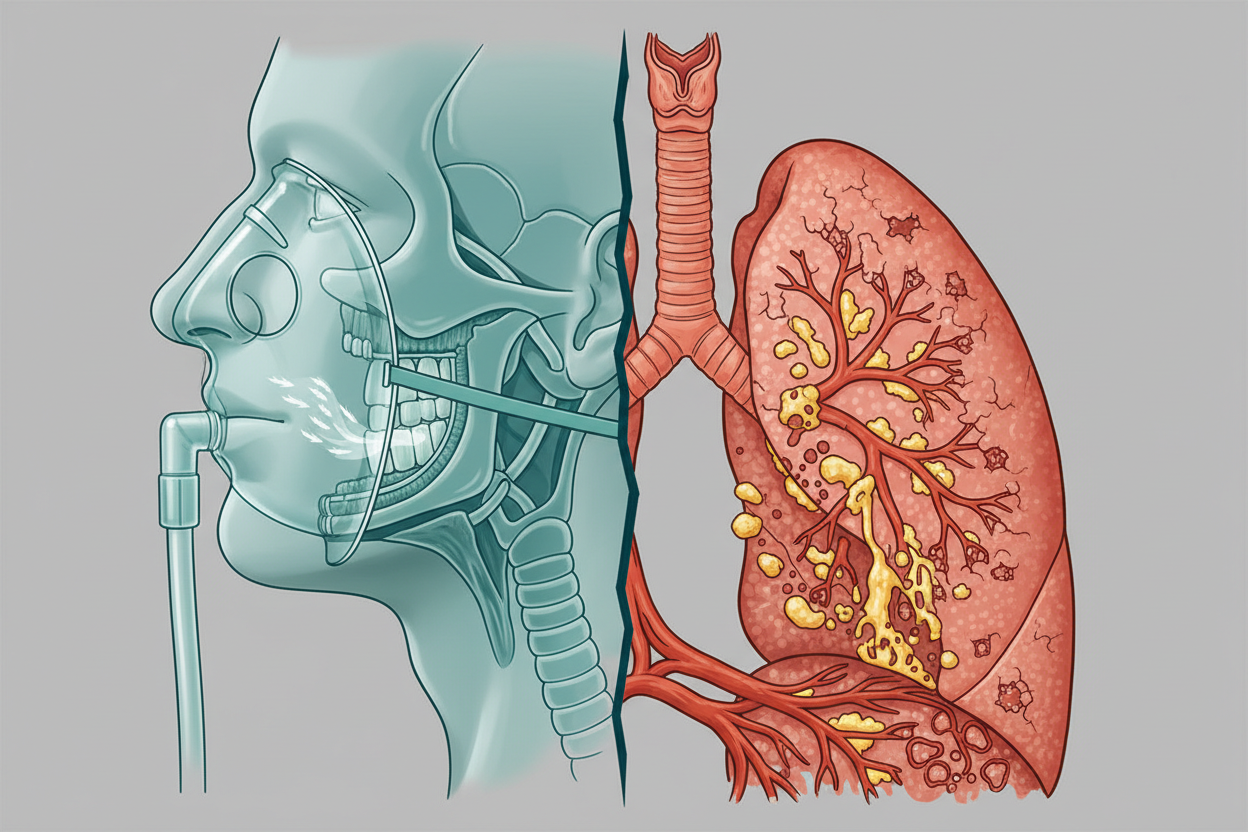
In COPD, the airways become inflamed and thickened, while the tiny air sacs in the lungs lose their elasticity. This double-edged problem makes it increasingly difficult for air to flow in and out of the lungs efficiently. Unlike healthy lungs that naturally recoil to push air out, COPD-damaged lungs struggle with this process, leading to air trapping and reduced oxygen exchange.
The hallmark symptoms of COPD include persistent cough, excessive mucus production, shortness of breath, and fatigue. As the disease progresses, these symptoms can severely impact quality of life, making simple activities like climbing stairs or walking short distances extremely challenging. Understanding this baseline helps us appreciate why researchers have investigated whether CPAP therapy might offer relief.
How CPAP Therapy Works: The Mechanism Behind the Machine
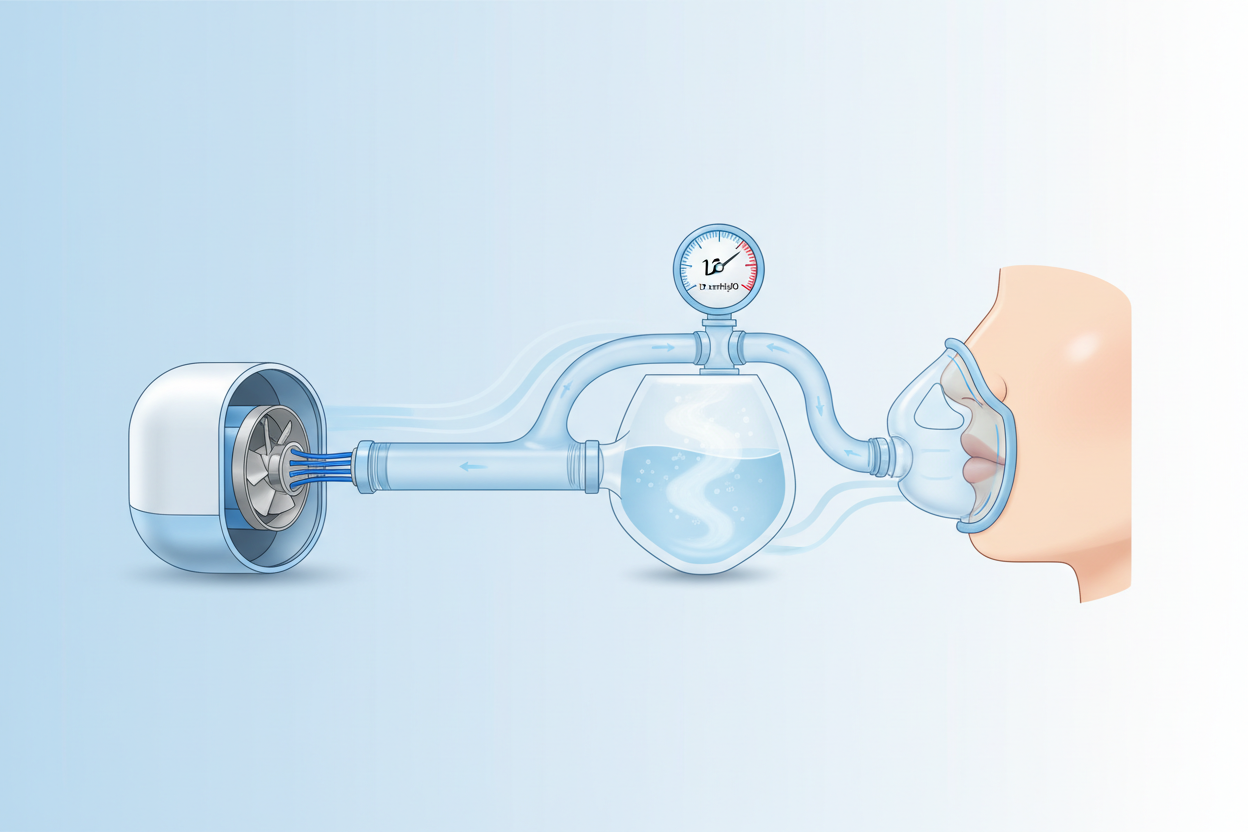
Continuous positive airway pressure therapy delivers a steady stream of pressurized air through a mask worn over the nose, mouth, or both. This constant pressure acts like an invisible splint, keeping the upper airways open throughout the breathing cycle. For sleep apnea patients, this prevents the repeated collapse of airways that characterizes their condition.
The CPAP machine consists of several key components: a motor that generates airflow, a humidifier to add moisture to the air, tubing to deliver the pressurized air, and a mask that creates a seal around the nose or mouth. The pressure settings are typically measured in centimeters of water pressure, with most patients requiring between 4 and 20 cm H2O depending on their specific needs.
When CPAP is applied to COPD patients, the theory is that the positive pressure might help overcome some of the airway resistance and air trapping that characterizes the disease. However, the effectiveness of this approach depends on several factors, including the severity of COPD, the presence of other conditions, and individual patient characteristics.
The Scientific Evidence: What Research Tells Us About CPAP and COPD
The research landscape surrounding CPAP therapy for COPD is complex and sometimes contradictory. Several studies have attempted to determine whether continuous positive airway pressure can meaningfully improve lung function in COPD patients, with mixed results that require careful interpretation.
A landmark study published in the American Journal of Respiratory and Critical Care Medicine followed COPD patients using CPAP therapy for six months. The researchers found modest improvements in some lung function parameters, including forced expiratory volume and overall exercise tolerance. However, these improvements were not universal, and the study noted significant variation in individual responses to treatment.
More recent research has focused on specific subgroups of COPD patients who might benefit most from CPAP therapy. Studies have shown that patients with overlap syndrome, where COPD coexists with obstructive sleep apnea, tend to show more dramatic improvements when using CPAP. This makes intuitive sense, as these patients are addressing two respiratory issues simultaneously.
However, other studies have raised questions about the long-term effectiveness of CPAP in pure COPD cases without sleep apnea. A comprehensive review published in the Cochrane Database found that while some patients experienced short-term improvements in symptoms, the evidence for sustained lung function improvement was less convincing. The researchers emphasized the need for more rigorous, long-term studies to draw definitive conclusions.
Potential Benefits of CPAP Therapy for COPD Patients
Despite the mixed research results, several potential benefits of CPAP therapy for COPD patients have emerged from clinical studies and patient reports. Understanding these benefits can help patients and healthcare providers make more informed treatment decisions.
One of the most consistently reported benefits is improved sleep quality. Many COPD patients struggle with sleep disturbances due to breathing difficulties, and CPAP therapy can help stabilize breathing patterns during sleep. This improved sleep quality often translates to better daytime energy levels and reduced fatigue, which can significantly impact quality of life.
Some patients also experience reduced shortness of breath during daily activities. While this doesn’t necessarily indicate improved lung function at the cellular level, the symptomatic relief can be meaningful for patients struggling with severe COPD symptoms. The positive pressure may help reduce the work of breathing, particularly during sleep when respiratory muscles naturally relax.
Additionally, CPAP therapy might help reduce the frequency of COPD exacerbations in some patients. Exacerbations, or flare-ups of COPD symptoms, can lead to hospitalizations and accelerated disease progression. If CPAP helps stabilize breathing patterns and improve overall respiratory status, it could potentially reduce the risk of these serious episodes.
Limitations and Considerations: When CPAP May Not Be Effective
While CPAP therapy shows promise for certain COPD patients, it’s crucial to understand its limitations and potential drawbacks. Not every COPD patient will benefit from CPAP therapy, and some may even experience negative effects that outweigh any potential benefits.
One significant limitation is that CPAP primarily addresses upper airway issues, while COPD is fundamentally a lower airway and lung parenchymal disease. The positive pressure from CPAP may not effectively address the underlying inflammation, mucus production, and alveolar damage that characterize COPD. This explains why some studies show minimal improvement in objective lung function measures despite subjective symptom relief.
Patient compliance presents another major challenge. CPAP therapy requires nightly use to be effective, and many patients struggle with mask discomfort, dry mouth, nasal congestion, or feelings of claustrophobia. COPD patients, who may already have compromised breathing, might find the sensation of pressurized air particularly uncomfortable or anxiety-provoking.
There’s also the risk of air trapping in some COPD patients. The positive pressure from CPAP could potentially worsen air trapping in patients with severe emphysema, leading to increased shortness of breath rather than improvement. This is why careful patient selection and monitoring are essential when considering CPAP therapy for COPD.
Alternative Respiratory Therapies for COPD Management
Given the limitations of CPAP therapy for COPD, it’s important to consider alternative respiratory treatments that may be more effective for certain patients. These therapies are specifically designed to address the unique challenges of COPD and may provide better outcomes than CPAP in many cases.
BiPAP, or bilevel positive airway pressure, offers different pressure levels for inspiration and expiration. This can be particularly beneficial for COPD patients because the lower expiratory pressure may help reduce air trapping while still providing support during inspiration. Many pulmonologists prefer BiPAP over CPAP for COPD patients who require positive pressure ventilation.
High-flow nasal cannula therapy has gained popularity as an alternative to CPAP for COPD patients. This therapy delivers heated, humidified oxygen at high flow rates through a nasal cannula, providing some positive pressure benefits while being more comfortable and less claustrophobic than traditional CPAP masks.
Traditional COPD treatments, including bronchodilators, corticosteroids, oxygen therapy, and pulmonary rehabilitation, remain the cornerstone of COPD management. These evidence-based treatments directly address the underlying pathophysiology of COPD and have proven track records for improving symptoms and slowing disease progression.
Making the Right Decision: Is CPAP Appropriate for Your COPD?
Determining whether CPAP therapy is appropriate for your specific case of COPD requires careful consideration of multiple factors and close collaboration with your healthcare team. The decision shouldn’t be made in isolation but rather as part of a comprehensive COPD management strategy.
Your pulmonologist will likely consider several key factors when evaluating CPAP therapy for your COPD. These include the severity of your COPD, the presence of sleep-related breathing disorders, your current symptom burden, and your response to other treatments. Patients with overlap syndrome, where COPD coexists with sleep apnea, are typically the best candidates for CPAP therapy.
A sleep study may be recommended to determine whether you have underlying sleep apnea that could benefit from CPAP therapy. This study can also help identify other sleep-related breathing issues that might be contributing to your symptoms. If sleep apnea is present alongside COPD, CPAP therapy becomes much more likely to provide meaningful benefits.
It’s also important to have realistic expectations about what CPAP therapy can and cannot accomplish for COPD. While some patients experience significant symptom relief, CPAP is not a cure for COPD and won’t reverse the underlying lung damage. The therapy should be viewed as one potential tool in a comprehensive COPD management plan rather than a standalone solution.
Conclusion: The Complex Reality of CPAP and COPD
The relationship between CPAP therapy and COPD improvement is nuanced and highly individual. While scientific evidence shows that some COPD patients can benefit from CPAP therapy, particularly those with concurrent sleep apnea, the therapy is not universally effective for all COPD patients.
The current research suggests that CPAP may provide meaningful benefits for carefully selected COPD patients, especially in terms of sleep quality, symptom management, and potentially reducing exacerbations. However, the evidence for significant improvement in objective lung function measures remains limited and inconsistent across studies.
If you’re considering CPAP therapy for COPD, the most important step is to work closely with your pulmonologist to evaluate whether you’re a good candidate for this treatment. They can assess your individual situation, consider alternative therapies, and help you make an informed decision based on the latest scientific evidence and your specific needs.
Remember that COPD management is most effective when it involves a comprehensive approach that may include medications, lifestyle changes, pulmonary rehabilitation, and potentially respiratory therapies like CPAP. The key is finding the right combination of treatments that work best for your unique situation and help you maintain the highest possible quality of life while managing this challenging condition.
Take Control of Your Nighttime Breathing
Don’t let sleep apnea silently accelerate your lung disease. Discover the natural breathing protocol that thousands of respiratory patients are using to restore healthy sleep patterns and protect their lung function.
