
Warning Signs: 12 Sleep Apnea Symptoms Every COPD Patient Must Recognize
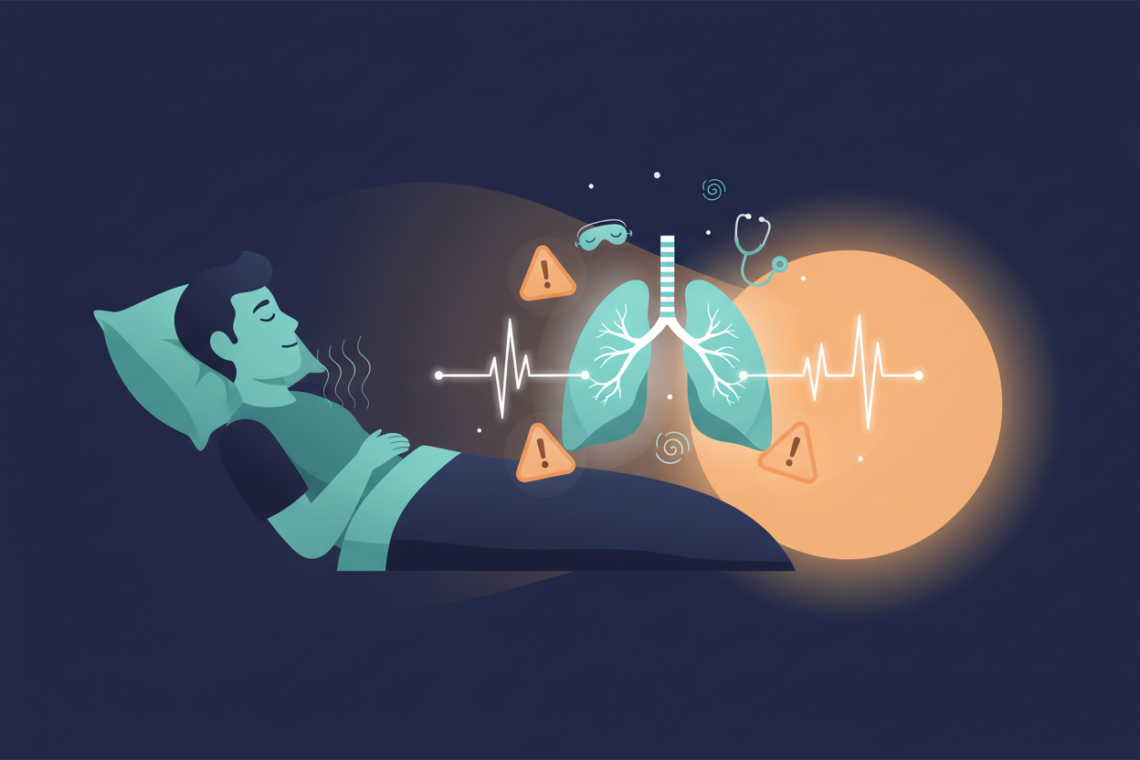
If you’re living with COPD, you already know how challenging it can be to catch your breath during the day. But what happens when breathing difficulties follow you into the night? The unfortunate reality is that COPD and sleep apnea often go hand in hand, creating what medical professionals call “overlap syndrome.” This double burden affects roughly 10-15% of COPD patients, yet many remain undiagnosed and untreated.
Understanding the warning signs of sleep apnea when you have COPD isn’t just about getting better sleep – it’s about protecting your overall health and potentially extending your life. The combination of these two conditions can accelerate disease progression, increase hospitalizations, and significantly impact your quality of life. That’s why recognizing these symptoms early is absolutely crucial.

Why COPD Patients Face Higher Sleep Apnea Risk
Before diving into the specific symptoms, it’s important to understand why COPD patients are particularly vulnerable to developing sleep apnea. The relationship between these conditions is complex and multifaceted.
COPD causes inflammation throughout your respiratory system, which can extend to the upper airways and contribute to the tissue swelling that characterizes obstructive sleep apnea. Additionally, many COPD patients experience changes in their sleep architecture due to medications, oxygen levels, and the stress of managing a chronic illness.
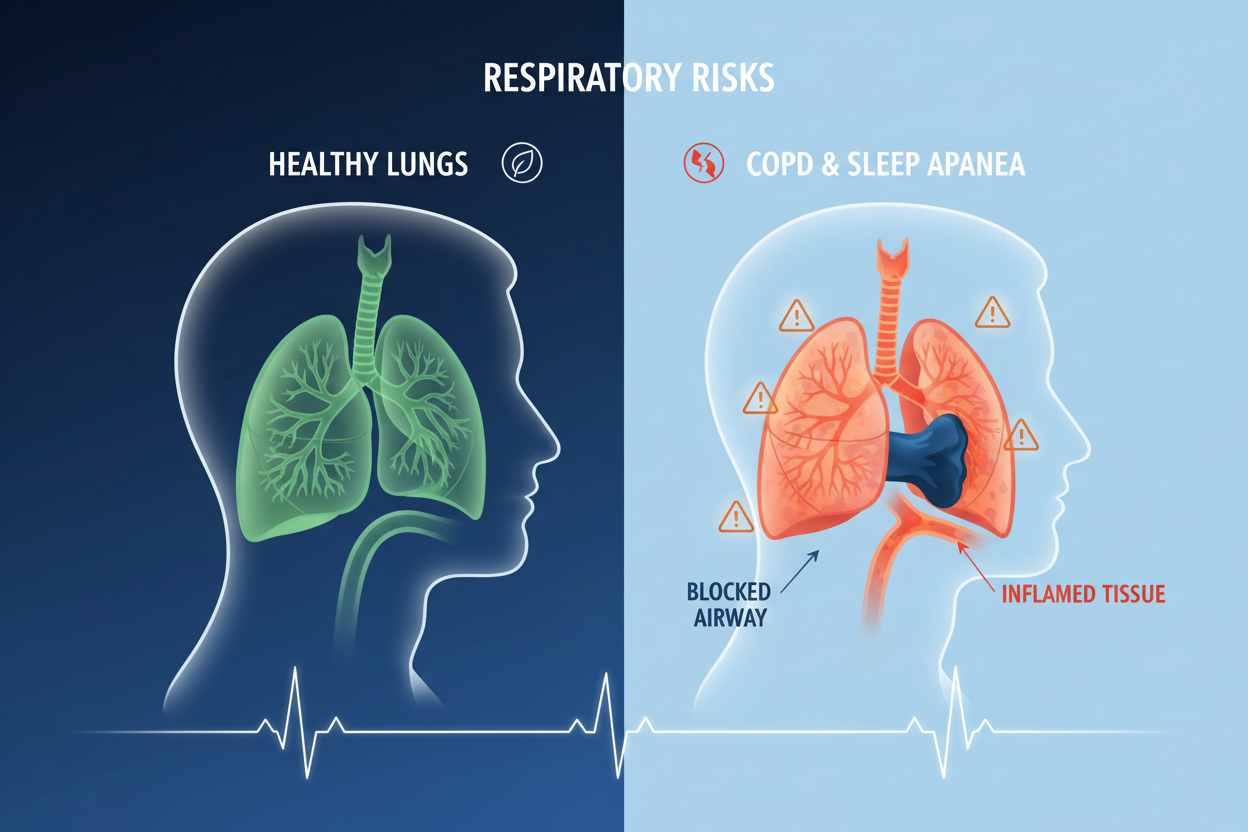
The medications commonly prescribed for COPD, particularly sedatives and some bronchodilators, can relax the throat muscles excessively during sleep. This relaxation, combined with already compromised breathing, creates the perfect storm for sleep apnea development.
The Overlapping Challenge: When Symptoms Mask Each Other
One of the trickiest aspects of identifying sleep apnea in COPD patients is that many symptoms overlap. Fatigue, shortness of breath, and morning headaches could easily be attributed to COPD alone. This is why so many cases go unrecognized for years.
However, there are subtle differences and specific patterns that can help you distinguish between COPD symptoms and potential sleep apnea warning signs. The key is paying attention to when symptoms occur, their intensity, and how they respond to your usual COPD treatments.
12 Critical Sleep Apnea Symptoms COPD Patients Should Never Ignore
1. Loud, Persistent Snoring with Gasping Episodes
While not everyone who snores has sleep apnea, loud snoring followed by periods of silence and then gasping or choking sounds is a classic warning sign. If your partner reports that your snoring has become significantly louder or more irregular, especially if it’s accompanied by what sounds like you’re fighting for air, this warrants immediate attention.
COPD patients might dismiss this as just another breathing difficulty, but the pattern of snoring-silence-gasping is distinctly different from typical COPD-related breathing issues.
2. Excessive Daytime Sleepiness Despite Adequate Sleep Time
If you’re getting what should be sufficient sleep but still feel overwhelmingly tired during the day, sleep apnea could be the culprit. This isn’t the general fatigue that comes with COPD – it’s an almost irresistible urge to fall asleep during normal daily activities.
You might find yourself nodding off while watching television, reading, or even during conversations. This level of sleepiness is particularly dangerous if you’re still driving or operating machinery.
3. Morning Headaches That Improve Throughout the Day
Waking up with headaches that gradually fade as the morning progresses is a telltale sign of sleep apnea. These headaches result from the carbon dioxide buildup and oxygen deprivation that occurs during apnea episodes.
While COPD can also cause headaches due to oxygen issues, sleep apnea headaches have a distinct pattern – they’re typically most severe upon waking and improve as your blood oxygen levels normalize throughout the day.
4. Frequent Nighttime Urination
If you find yourself waking up multiple times each night to use the bathroom, this could be more than just a bladder issue. Sleep apnea episodes trigger the release of hormones that increase urine production, leading to frequent nighttime bathroom trips.
COPD patients might already experience sleep disruptions, but if bathroom visits have increased significantly, especially if you’re not drinking more fluids before bed, consider sleep apnea as a potential cause.
5. Difficulty Concentrating and Memory Problems
The repeated oxygen deprivation from sleep apnea episodes affects cognitive function, leading to problems with concentration, memory, and decision-making. You might notice increased difficulty focusing on tasks, forgetting appointments, or feeling mentally “foggy” throughout the day.
While COPD can also impact cognitive function, sleep apnea-related cognitive issues often improve with proper treatment, whereas COPD-related issues may be more persistent.
6. Mood Changes and Increased Irritability
Poor sleep quality from undiagnosed sleep apnea can significantly impact your emotional well-being. You might find yourself more irritable, anxious, or depressed than usual. These mood changes often seem disproportionate to your current circumstances and may not respond well to your usual coping strategies.
The combination of COPD stress and sleep deprivation creates a particularly challenging emotional burden that shouldn’t be ignored or simply attributed to the difficulties of living with chronic illness.
7. Witnessed Breathing Interruptions During Sleep
Perhaps the most definitive symptom is when someone observes you stopping breathing during sleep. These pauses can last anywhere from a few seconds to over a minute and are often followed by loud gasping or snorting sounds as breathing resumes.
If your sleeping partner reports these episodes, take them seriously. Even if you don’t remember waking up, these interruptions are preventing you from getting restorative sleep and putting additional strain on your cardiovascular system.
8. Dry Mouth or Sore Throat Upon Waking
Consistently waking up with a dry mouth or sore throat can indicate mouth breathing during sleep, which is common in sleep apnea patients. When your nasal passages are blocked or your breathing is disrupted, you naturally compensate by breathing through your mouth.
This symptom is particularly relevant for COPD patients who may already use supplemental oxygen, as the combination of mouth breathing and oxygen therapy can create significant oral dryness.
9. Restless Sleep and Frequent Position Changes
If you or your partner notice that you’re tossing and turning more than usual, frequently changing positions throughout the night, or kicking and moving excessively during sleep, this could indicate your body is struggling to maintain proper breathing.
Your body naturally tries to find positions that optimize airflow, leading to restless sleep patterns that leave you feeling unrefreshed in the morning.
10. Waking Up Feeling Short of Breath
While COPD patients are familiar with shortness of breath, waking up gasping for air or feeling like you can’t catch your breath is particularly concerning. This is different from the gradual breathlessness that might develop throughout the day with COPD activities.
Sleep apnea episodes often end with a sudden awakening and immediate sensation of breathlessness, which may be more acute than your typical COPD symptoms.
11. High Blood Pressure That’s Difficult to Control
Sleep apnea places significant stress on your cardiovascular system, often leading to elevated blood pressure that doesn’t respond well to standard treatments. If your blood pressure has become harder to control recently, or if you’ve developed high blood pressure despite having well-managed COPD, sleep apnea could be a contributing factor.
The repeated oxygen deprivation and stress response from apnea episodes can cause persistent elevation in blood pressure that continues throughout the day.
12. Decreased Exercise Tolerance Beyond COPD Limitations
If you notice that your exercise tolerance or daily activity levels have decreased beyond what you’d expect from COPD progression alone, poor sleep quality from undiagnosed sleep apnea could be contributing to this decline.
The combination of COPD and sleep apnea creates a compounding effect on your energy levels and physical capacity that goes beyond what either condition would cause individually.
When to Seek Professional Help
If you’re experiencing several of these symptoms, particularly the more distinctive ones like witnessed breathing interruptions, morning headaches, or excessive daytime sleepiness, it’s time to discuss sleep apnea screening with your healthcare provider.
Don’t wait for symptoms to worsen or assume they’re just part of living with COPD. Early diagnosis and treatment of sleep apnea can significantly improve your quality of life and may even help slow COPD progression.
Your doctor may recommend a sleep study, which can be conducted either in a sleep laboratory or, in many cases, at home using portable monitoring equipment. The process is straightforward and provides valuable information about your breathing patterns during sleep.
The Path Forward: Hope Through Recognition and Treatment
Recognizing these warning signs is the first step toward getting the comprehensive care you deserve. Sleep apnea is highly treatable, and addressing it alongside your COPD management can lead to dramatic improvements in how you feel and function daily.
Treatment options range from lifestyle modifications and positional therapy to CPAP machines and, in some cases, surgical interventions. The key is working with healthcare providers who understand the unique challenges of managing both conditions simultaneously.
Remember, having COPD doesn’t mean you have to accept poor sleep or worsening symptoms as inevitable. By staying vigilant for these sleep apnea warning signs and seeking appropriate care when needed, you’re taking an active role in protecting your health and improving your quality of life. Your breathing difficulties don’t have to follow you into the night – help is available, and better sleep is possible.
Take Control of Your Nighttime Breathing
Don’t let sleep apnea silently accelerate your lung disease. Discover the natural breathing protocol that thousands of respiratory patients are using to restore healthy sleep patterns and protect their lung function.
