
Hypoxia Horror: The Truth About Low Oxygen During Sleep
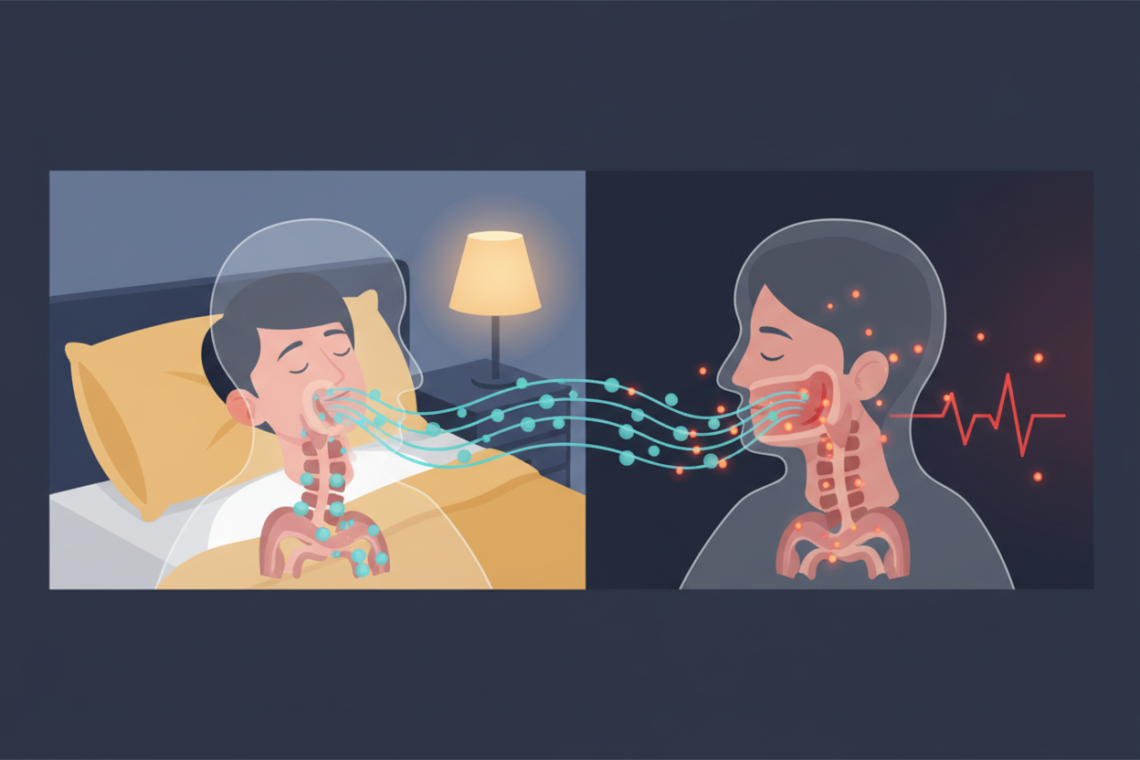
Picture this: you’re sleeping peacefully, but your body is fighting a silent battle for oxygen. While you dream, your blood oxygen levels plummet, starving your vital organs of the life-sustaining element they desperately need. This isn’t a nightmare scenario from a horror movie – it’s the reality for millions of people suffering from nocturnal hypoxia, a condition that transforms what should be restorative sleep into a nightly health crisis.
Sleep-related breathing disorders affect approximately 22 million Americans, with many experiencing dangerous drops in oxygen levels throughout the night. Understanding the mechanisms, symptoms, and consequences of low oxygen during sleep could be the key to protecting your health and potentially saving your life.
Understanding Sleep-Related Hypoxia: When Breathing Becomes a Struggle
Hypoxia occurs when your body’s tissues don’t receive adequate oxygen supply. During sleep, this condition becomes particularly insidious because you’re unconscious and unable to recognize the warning signs your body desperately tries to send. Normal blood oxygen saturation levels should remain above 95% during sleep, but people with sleep-related breathing disorders often experience drops to 80% or lower – levels that would cause immediate alarm if you were awake.
The most common culprit behind nocturnal hypoxia is obstructive sleep apnea (OSA), a condition where the airway repeatedly collapses during sleep. However, central sleep apnea, obesity hypoventilation syndrome, and various lung diseases can also trigger these frightening oxygen drops. What makes this condition particularly terrifying is its stealth nature – you might be suffocating in your sleep without ever knowing it.

Your brain typically maintains tight control over breathing patterns, but sleep changes everything. The respiratory drive weakens during certain sleep stages, making you more vulnerable to breathing interruptions. When combined with anatomical factors like a narrow airway or enlarged tongue, this creates the perfect storm for oxygen deprivation.
The Silent Symptoms: Recognizing the Warning Signs
One of the most unsettling aspects of sleep hypoxia is how it masquerades as common sleep complaints. You might attribute your morning headaches to stress or blame your afternoon fatigue on a busy schedule, never suspecting that your body spent the night gasping for air.
Chronic morning headaches represent one of the most telling signs of nocturnal oxygen deprivation. When your brain doesn’t receive adequate oxygen during sleep, blood vessels dilate in an attempt to increase oxygen delivery, resulting in that pounding sensation that greets you each morning. These aren’t your typical tension headaches – they’re your brain’s distress signal.
Excessive daytime sleepiness goes far beyond feeling tired after a late night. People with sleep hypoxia often experience overwhelming drowsiness that interferes with daily activities. You might find yourself nodding off during conversations, struggling to stay alert while driving, or feeling like you could sleep anywhere, anytime. This isn’t laziness – it’s your body desperately trying to recover from a night of oxygen starvation.
Cognitive symptoms can be equally devastating. Memory problems, difficulty concentrating, and mood changes often accompany chronic sleep hypoxia. Your brain, deprived of oxygen throughout the night, simply cannot function at full capacity during the day. Many people describe feeling like they’re living in a fog, unable to think clearly or perform at their usual level.
The Devastating Health Consequences: More Than Just Poor Sleep
The health implications of chronic sleep hypoxia extend far beyond feeling tired. Your cardiovascular system bears the brunt of this nightly assault, as repeated oxygen drops trigger a cascade of physiological responses that can permanently damage your heart and blood vessels.
Hypertension represents one of the most immediate consequences of sleep-related oxygen deprivation. Each time your oxygen levels drop, your body releases stress hormones and increases heart rate in a desperate attempt to maintain adequate oxygen delivery. Over time, this repeated cardiovascular stress leads to persistently elevated blood pressure, even during waking hours.
The relationship between sleep hypoxia and heart disease is particularly alarming. Studies show that people with severe sleep apnea face a 30% higher risk of heart attack and a 60% increased risk of congestive heart failure. The constant strain on your cardiovascular system creates the perfect conditions for coronary artery disease, irregular heart rhythms, and sudden cardiac death.
Stroke risk also increases dramatically with chronic sleep hypoxia. The combination of elevated blood pressure, increased inflammation, and changes in blood clotting mechanisms creates a dangerous environment where blood clots can form and travel to the brain. Some studies suggest that sleep apnea patients face up to a four-fold increase in stroke risk.
Perhaps most concerning is the impact on metabolic health. Sleep hypoxia disrupts normal glucose metabolism and insulin sensitivity, significantly increasing the risk of type 2 diabetes. The stress hormones released during oxygen drops interfere with your body’s ability to process sugar effectively, creating a vicious cycle of metabolic dysfunction.
The Diagnostic Journey: Uncovering the Hidden Truth
Diagnosing sleep hypoxia requires detective work, as the condition occurs while you’re unconscious. The gold standard remains overnight sleep studies conducted in specialized sleep laboratories, where technicians monitor your breathing patterns, oxygen levels, brain waves, and heart rhythm throughout the night.
During a polysomnogram, sensors placed on your body create a comprehensive picture of what happens during sleep. Oxygen saturation monitors track blood oxygen levels throughout the night, revealing the frequency and severity of hypoxic episodes. Brain wave monitors determine sleep stages, while breathing sensors detect pauses in airflow and respiratory effort.
Home sleep apnea tests have become increasingly popular as a more convenient diagnostic option. These simplified devices monitor breathing patterns, oxygen levels, and heart rate in the comfort of your own bedroom. While not as comprehensive as laboratory studies, home tests can effectively diagnose moderate to severe sleep apnea in many patients.
The diagnostic process often begins with questionnaires and physical examinations. Healthcare providers assess risk factors like neck circumference, jaw structure, and nasal breathing patterns. They also evaluate symptoms and may use screening tools like the Epworth Sleepiness Scale to quantify daytime drowsiness.
Treatment Options: Reclaiming Your Oxygen and Your Health
The good news is that sleep hypoxia is highly treatable, with various options available depending on the underlying cause and severity of the condition. Continuous positive airway pressure (CPAP) therapy remains the gold standard treatment for obstructive sleep apnea, effectively preventing airway collapse and maintaining adequate oxygen levels throughout the night.
CPAP machines deliver pressurized air through a mask, creating a pneumatic splint that keeps your airway open. While the thought of sleeping with a machine might seem daunting, modern CPAP devices are quieter, more comfortable, and more user-friendly than ever before. The transformation in sleep quality and daytime energy levels often motivates long-term compliance with therapy.
Alternative therapies include oral appliances that reposition the jaw and tongue to maintain airway patency. These custom-fitted devices work particularly well for people with mild to moderate sleep apnea or those who cannot tolerate CPAP therapy. Positional therapy, which encourages side sleeping, can also be effective for position-dependent sleep apnea.
Surgical interventions range from minimally invasive procedures to more extensive reconstructive surgeries. Options include uvulopalatopharyngoplasty (UPPP), tongue base reduction, jaw advancement surgery, and newer techniques like hypoglossal nerve stimulation. The choice of surgical approach depends on the specific anatomical factors contributing to airway obstruction.
Lifestyle modifications play a crucial supporting role in treatment. Weight loss can dramatically improve sleep apnea severity, as excess tissue around the neck contributes to airway collapse. Avoiding alcohol and sedatives before bedtime helps maintain muscle tone in the upper airway. Sleep position changes and nasal breathing optimization can also provide significant benefits.
Prevention and Long-Term Management: Protecting Your Future
Preventing sleep hypoxia requires a proactive approach to identifying and addressing risk factors before they lead to serious health consequences. Maintaining a healthy weight represents one of the most effective prevention strategies, as obesity significantly increases the risk of developing sleep-disordered breathing.
Regular exercise not only helps with weight management but also improves overall cardiovascular fitness and may reduce sleep apnea severity. However, timing matters – vigorous exercise close to bedtime can interfere with sleep quality, so aim to complete workouts at least three hours before sleep.
Creating an optimal sleep environment supports healthy breathing patterns throughout the night. This includes maintaining appropriate bedroom temperature and humidity levels, using air purifiers to reduce allergens, and ensuring proper pillow support to maintain neutral head and neck positioning.
Long-term management requires ongoing monitoring and adjustment of treatment strategies. Regular follow-up appointments with sleep specialists help ensure that therapy remains effective as your condition or circumstances change. Weight fluctuations, aging, and other health conditions can all impact sleep apnea severity and treatment requirements.
Conclusion: Don’t Let Sleep Become Your Enemy
Sleep should be a time of restoration and healing, not a nightly battle for survival. The horror of sleep hypoxia lies not just in its immediate effects, but in its ability to silently sabotage your long-term health while you remain completely unaware of the danger.
If you recognize the warning signs of sleep-related breathing disorders – morning headaches, excessive daytime sleepiness, cognitive difficulties, or witnessed breathing pauses during sleep – don’t ignore them. These symptoms represent your body’s desperate plea for help, and addressing them promptly could prevent serious health complications down the road.
The technology and treatments available today make sleep hypoxia a highly manageable condition. With proper diagnosis and treatment, you can transform your sleep from a source of health problems into the restorative process it was meant to be. Your heart, brain, and entire body will thank you for taking action to ensure they receive the oxygen they need to keep you healthy and vibrant for years to come.
Remember, seeking help for sleep problems isn’t a sign of weakness – it’s an investment in your future health and quality of life. Don’t let another night pass wondering if you’re getting the oxygen your body desperately needs. Take control of your sleep health today, because every breath matters, especially the ones you take while dreaming.
Take Control of Your Nighttime Breathing
Don’t let sleep apnea silently accelerate your lung disease. Discover the natural breathing protocol that thousands of respiratory patients are using to restore healthy sleep patterns and protect their lung function.
