
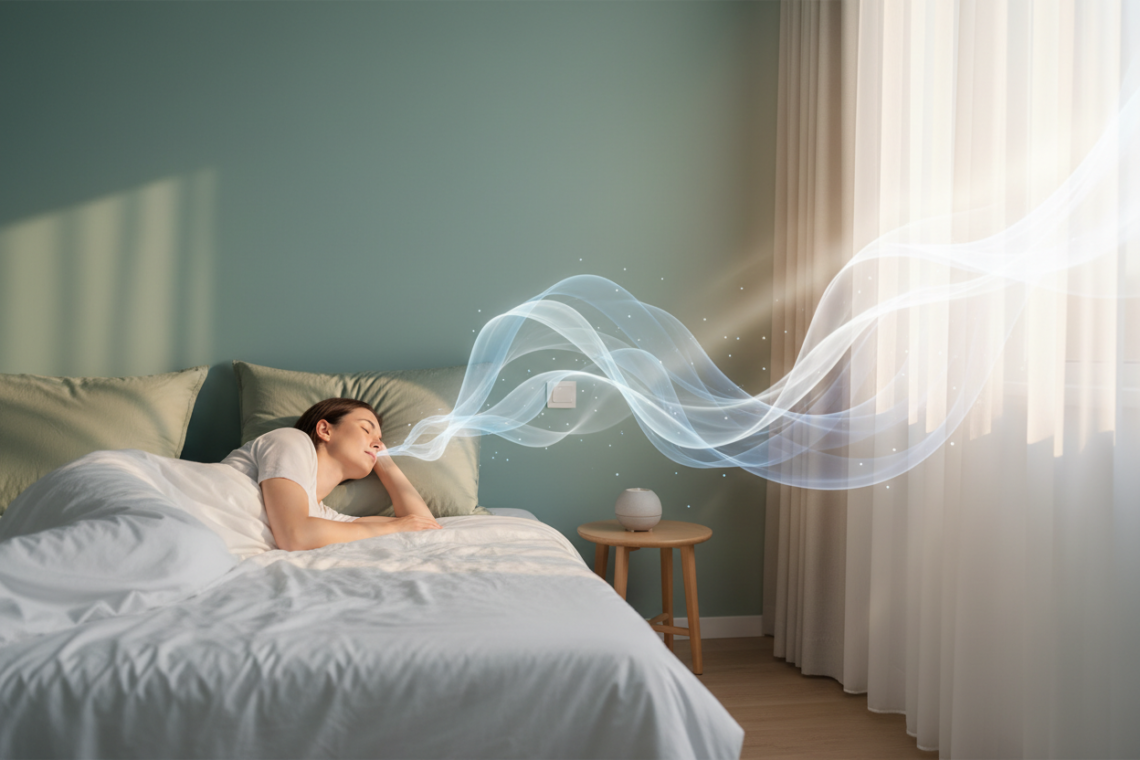
Breathwork Basics: Essential At-Home Exercises for Sleep Apnea Relief
If you’ve ever woken up gasping for air or found yourself exhausted despite spending eight hours in bed, you’re not alone. Sleep apnea affects millions of people worldwide, disrupting not just sleep quality but overall health and well-being. While medical treatments like CPAP machines remain the gold standard for severe cases, there’s growing evidence that simple breathwork exercises performed at home can provide significant relief for many sufferers.
The beauty of breathwork lies in its accessibility – you don’t need expensive equipment or lengthy appointments. Just a few minutes of focused breathing exercises each day can strengthen your respiratory muscles, improve oxygen flow, and potentially reduce the frequency and severity of sleep apnea episodes. Let’s explore how these ancient techniques, backed by modern science, can become your allies in the fight for better sleep.
Understanding Sleep Apnea and How Breathwork Helps
Sleep apnea occurs when your breathing repeatedly stops and starts during sleep, primarily due to airway obstruction or miscommunication between your brain and breathing muscles. The most common form, obstructive sleep apnea, happens when throat muscles relax excessively, causing the airway to narrow or close completely.
This is where breathwork becomes particularly valuable. Regular breathing exercises strengthen the muscles in your throat, tongue, and diaphragm – the very areas that need support during sleep. Think of it as going to the gym for your respiratory system. Just as you wouldn’t expect to build biceps without consistent training, your breathing muscles need regular exercise to maintain their strength and coordination.
Research published in the American Journal of Respiratory and Critical Care Medicine has shown that specific breathing exercises can reduce sleep apnea severity by up to 39% in some patients. While these results vary from person to person, the potential for improvement without invasive procedures makes breathwork an attractive complementary therapy.
The Science Behind Therapeutic Breathing for Sleep Disorders
When you practice controlled breathing exercises, several physiological changes occur that directly benefit sleep apnea sufferers. First, these exercises increase muscle tone in your upper airway, making it less likely to collapse during sleep. The repetitive muscle contractions involved in breathwork act like resistance training for your throat and tongue muscles.
Additionally, breathwork improves your overall respiratory efficiency. By training your diaphragm to work more effectively, you increase your lung capacity and oxygen uptake. This enhanced respiratory function means your body becomes more efficient at maintaining proper oxygen levels, even when minor breathing disruptions occur during sleep.
The vagus nerve, which plays a crucial role in regulating your sleep-wake cycle, also responds positively to controlled breathing. Specific breathing patterns activate the parasympathetic nervous system, promoting relaxation and preparing your body for restorative sleep. This dual benefit – strengthening breathing muscles while promoting relaxation – makes breathwork uniquely suited for sleep apnea management.
Essential Breathwork Exercises for Sleep Apnea Relief
Diaphragmatic Breathing: Your Foundation Exercise
Diaphragmatic breathing, often called belly breathing, forms the cornerstone of any breathwork routine for sleep apnea. This technique strengthens your primary breathing muscle while promoting deep, efficient respiration. Many people breathe shallowly using only their chest muscles, but diaphragmatic breathing engages the large muscle beneath your lungs for maximum effectiveness.
To practice diaphragmatic breathing, lie on your back with one hand on your chest and another on your belly. Breathe in slowly through your nose, ensuring that your belly rises while your chest remains relatively still. The hand on your abdomen should move outward as your diaphragm descends and your lungs fill with air. Exhale slowly through pursed lips, feeling your belly fall as air leaves your lungs.
Start with five minutes of diaphragmatic breathing twice daily, gradually increasing to ten or fifteen minutes as your comfort level improves. The key is consistency rather than duration – regular practice yields better results than occasional lengthy sessions. Many practitioners find that incorporating this exercise into their bedtime routine helps signal their body that it’s time to prepare for sleep.
The 4-7-8 Breathing Technique for Better Sleep Quality
Developed by Dr. Andrew Weil, the 4-7-8 breathing technique has gained popularity as a natural sleep aid. This exercise not only strengthens respiratory muscles but also activates your body’s relaxation response, making it particularly beneficial for sleep apnea sufferers who struggle with both breathing issues and sleep anxiety.
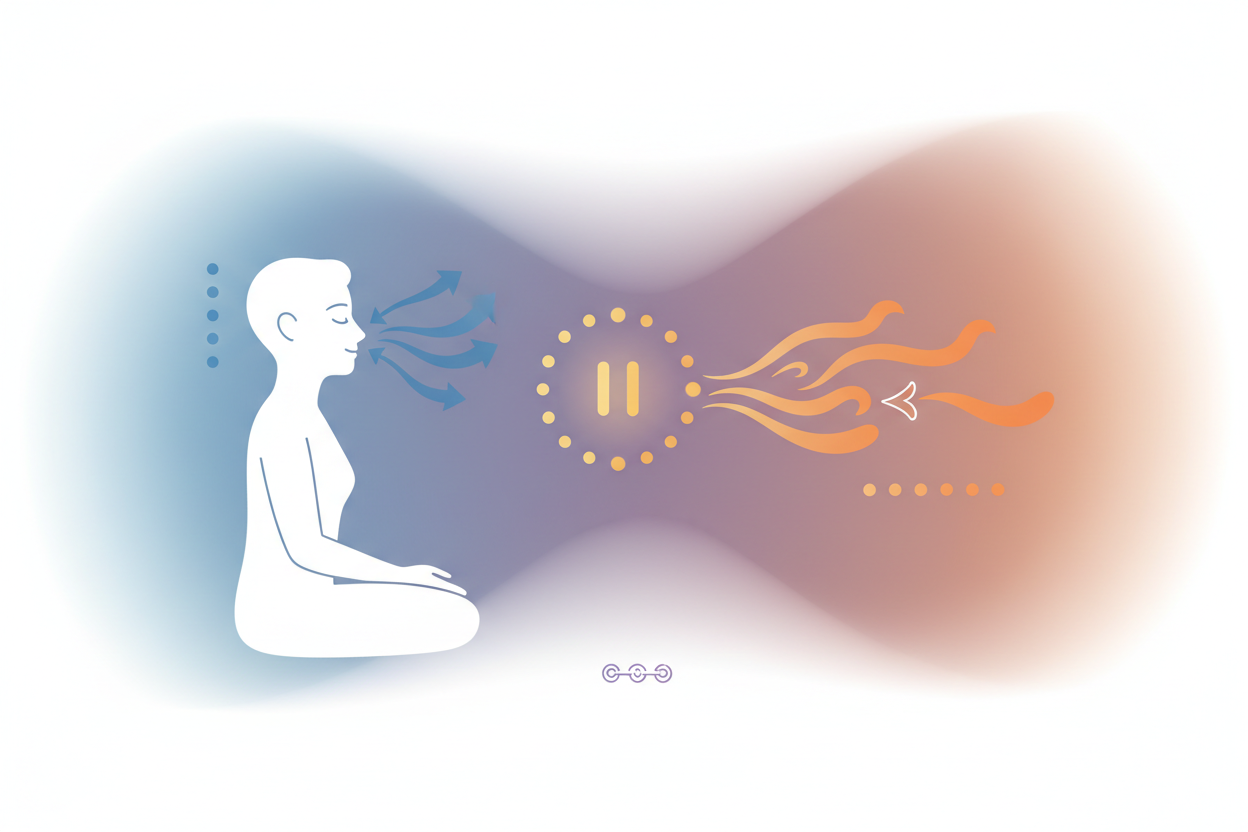
The technique involves inhaling through your nose for four counts, holding your breath for seven counts, and exhaling through your mouth for eight counts. This specific ratio creates a powerful physiological response: the extended exhalation activates your parasympathetic nervous system, while the breath retention increases oxygen absorption and strengthens respiratory muscles.
Begin by sitting comfortably with your back straight. Place the tip of your tongue against the ridge behind your upper front teeth throughout the entire exercise. Exhale completely through your mouth, making a whoosh sound. Close your mouth and inhale quietly through your nose for four counts. Hold your breath for seven counts, then exhale through your mouth for eight counts, again making the whoosh sound. This completes one cycle – repeat three more times for a total of four cycles.
Buteyko Breathing Method for Airway Control
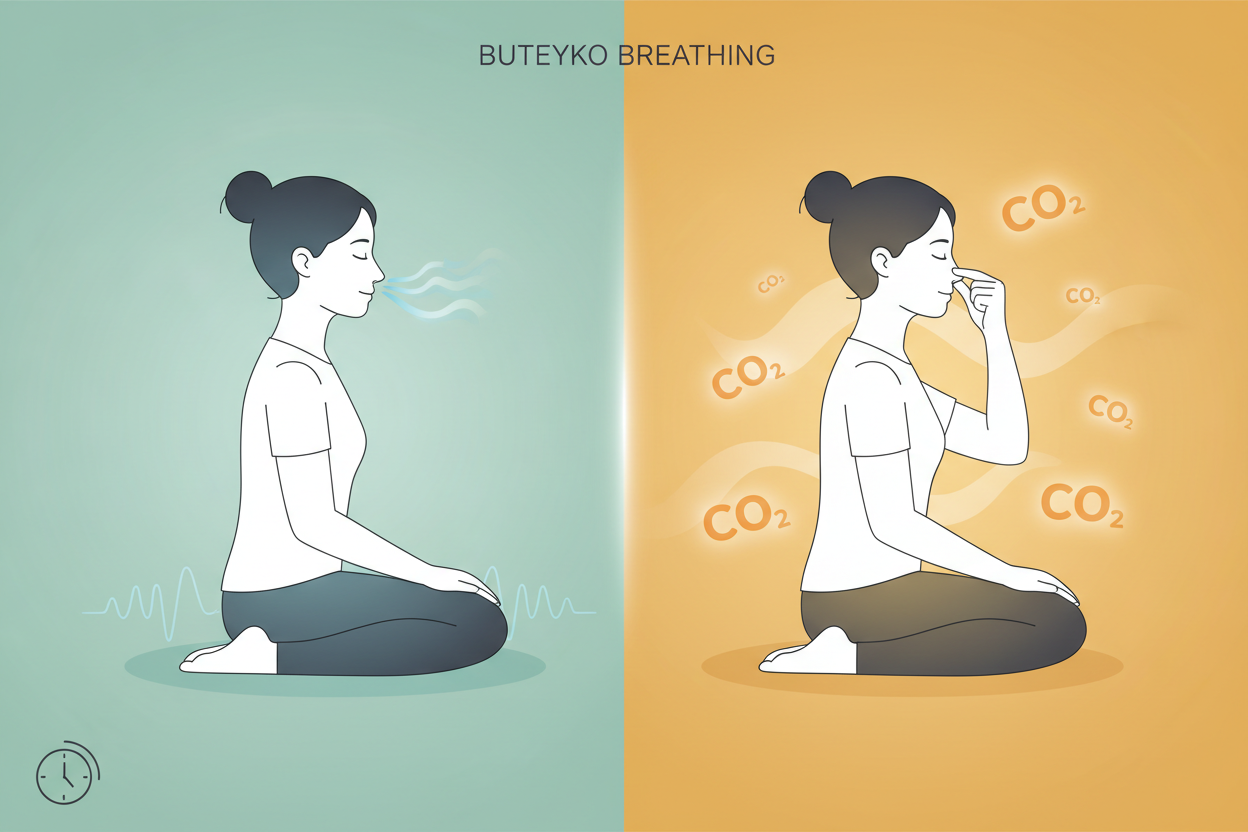
The Buteyko breathing method, developed by Ukrainian physician Konstantin Buteyko, focuses on reducing over-breathing and improving carbon dioxide tolerance. This technique is particularly relevant for sleep apnea because it trains your body to maintain proper breathing patterns even during challenging situations.
Chronic over-breathing, or hyperventilation, can actually worsen sleep apnea by creating instability in your respiratory control system. The Buteyko method teaches you to breathe less air more efficiently, which can help stabilize breathing patterns during sleep. Research has shown that people who practice Buteyko breathing often experience fewer apnea episodes and improved sleep quality.
A simple Buteyko exercise begins with sitting comfortably and breathing normally through your nose. After a gentle exhale, pinch your nose closed and hold your breath until you feel the first urge to breathe. Release your nose and breathe normally through your nose again. The goal isn’t to hold your breath as long as possible, but rather to gradually increase your tolerance for higher carbon dioxide levels, which helps regulate your breathing drive.
Throat and Tongue Strengthening Exercises
Since obstructive sleep apnea often involves weakness in throat and tongue muscles, targeted exercises for these areas can provide significant benefits. These oropharyngeal exercises, as they’re medically known, have been shown in studies to reduce sleep apnea severity and improve sleep quality when practiced consistently.
One effective exercise involves pressing your tongue firmly against the roof of your mouth and sliding it backward. Hold this position for three seconds, then relax. Repeat this movement ten times. Another beneficial exercise is the “tongue push-up” – press your tongue against the roof of your mouth and make a clicking sound. This action strengthens the muscles that keep your airway open during sleep.
For throat strengthening, try the “ahh” exercise. Open your mouth wide and say “ahh” for twenty seconds, as if you’re at the doctor’s office. This simple action engages multiple throat muscles and can help prevent airway collapse. Singing, particularly exercises that involve sustained vowel sounds, can also strengthen these same muscle groups while being enjoyable and stress-reducing.
Creating Your Daily Breathwork Routine
Establishing a consistent breathwork routine is crucial for seeing meaningful improvements in your sleep apnea symptoms. Like any form of exercise, the benefits of breathwork compound over time, so regularity matters more than perfection. Start small and build gradually – even five minutes of daily practice is infinitely better than an hour-long session once a week.
Consider dividing your practice into two sessions: a morning routine to energize and strengthen your respiratory system, and an evening routine to promote relaxation and prepare for sleep. Your morning session might include diaphragmatic breathing and throat strengthening exercises, while your evening routine could focus on the 4-7-8 technique and gentle Buteyko breathing.
Keep a simple log of your practice and any changes you notice in your sleep quality, energy levels, or daytime symptoms. Many people find that tracking their progress helps maintain motivation and provides valuable insights into which exercises work best for their specific situation. Remember that improvements in sleep apnea symptoms may take several weeks or months to become noticeable, so patience and consistency are essential.
When to Seek Professional Help
While breathwork can be incredibly beneficial for sleep apnea management, it’s important to understand its limitations. These exercises work best as complementary therapy alongside proper medical treatment, not as a replacement for professional care. If you haven’t been officially diagnosed with sleep apnea but suspect you might have it, seeing a sleep specialist should be your first priority.
Severe sleep apnea requires medical intervention, and delaying treatment can lead to serious health consequences including cardiovascular problems, diabetes, and cognitive impairment. Breathwork exercises are most effective for mild to moderate sleep apnea or as an adjunct therapy for those already using CPAP machines or other medical devices.
If you experience worsening symptoms, extreme daytime fatigue, or any concerning changes while practicing breathwork, consult with your healthcare provider immediately. They can help determine whether your current treatment plan needs adjustment and ensure that breathwork is appropriate for your specific situation.
Maximizing Your Success with Breathwork
To get the most benefit from your breathwork practice, consider your overall sleep hygiene and lifestyle factors. Regular exercise, maintaining a healthy weight, avoiding alcohol before bedtime, and sleeping on your side can all complement your breathing exercises and improve your results.
Creating an optimal environment for practice also matters. Choose a quiet, comfortable space where you won’t be interrupted. Some people find that soft background music or nature sounds enhance their practice, while others prefer complete silence. Experiment to find what works best for you.
Finally, be patient with yourself as you learn these new techniques. Breathwork is a skill that improves with practice, and it’s normal to feel awkward or distracted when you’re starting out. Focus on progress rather than perfection, and remember that even imperfect practice is beneficial for your respiratory health and sleep quality.
Sleep apnea doesn’t have to control your life. With consistent breathwork practice, proper medical care, and healthy lifestyle choices, you can take significant steps toward better sleep and improved overall health. These simple exercises, performed in the comfort of your own home, offer a natural, accessible way to strengthen your breathing and reclaim your nights. Start with just a few minutes today, and begin your journey toward more restful, restorative sleep.
Take Control of Your Nighttime Breathing
Don’t let sleep apnea silently accelerate your lung disease. Discover the natural breathing protocol that thousands of respiratory patients are using to restore healthy sleep patterns and protect their lung function.
