
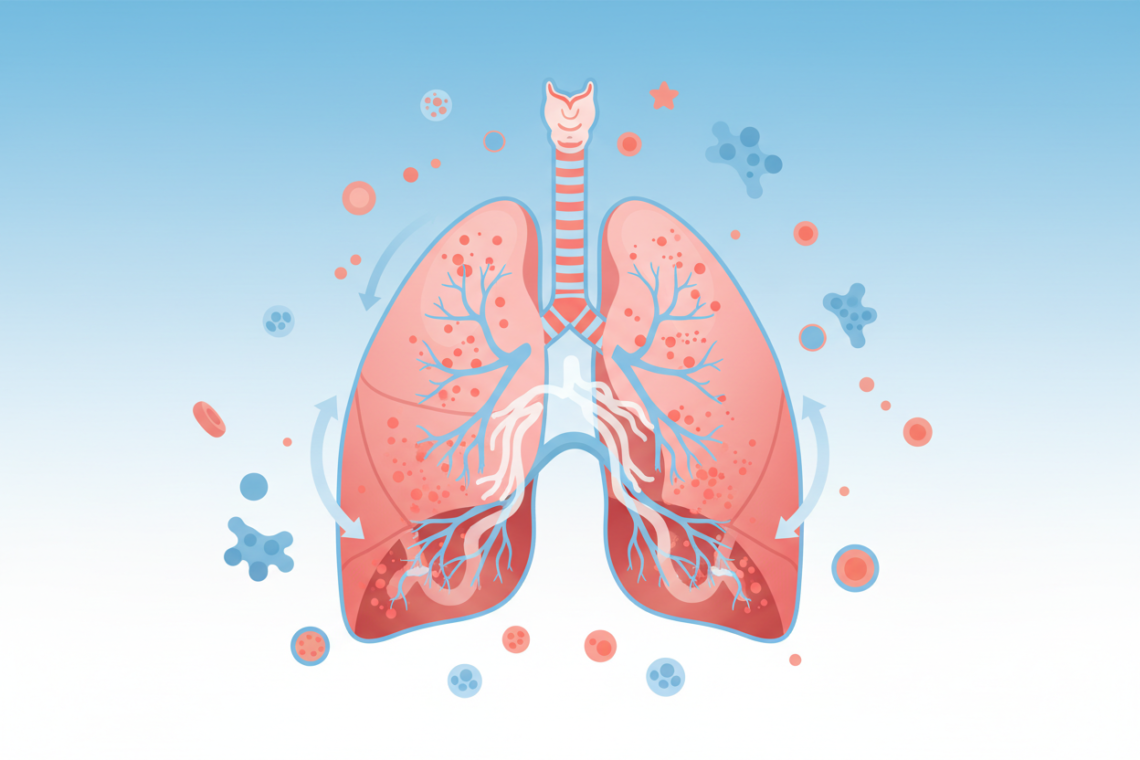
Sleep Apnea and Lung Inflammation: Breaking the Vicious Cycle
If you’ve ever woken up gasping for air or felt exhausted despite a full night’s sleep, you might be experiencing more than just a bad night’s rest. Sleep apnea affects millions of people worldwide, and its connection to lung inflammation creates a dangerous cycle that can seriously impact your health. Understanding this relationship is crucial for anyone dealing with breathing difficulties during sleep or chronic respiratory issues.
The intricate dance between sleep apnea and lung inflammation isn’t just a medical curiosity – it’s a real concern that affects quality of life, cardiovascular health, and overall well-being. When your airways repeatedly collapse during sleep, it sets off a cascade of inflammatory responses that can damage your lungs over time. Conversely, existing lung inflammation can make sleep apnea symptoms worse, creating a frustrating loop that many people struggle to break.
Understanding Sleep Apnea: More Than Just Snoring
Sleep apnea isn’t simply loud snoring that annoys your partner. It’s a serious sleep disorder where breathing repeatedly stops and starts throughout the night. The most common type, obstructive sleep apnea (OSA), occurs when throat muscles relax and block the airway during sleep. This blockage can last anywhere from a few seconds to over a minute, and it might happen hundreds of times per night.
During these episodes, your blood oxygen levels drop significantly while carbon dioxide builds up. Your brain, sensing this dangerous situation, jolts you awake just enough to restart breathing. Most people don’t remember these micro-awakenings, but they prevent deep, restorative sleep and put enormous stress on the cardiovascular and respiratory systems.
The symptoms extend far beyond the bedroom. People with untreated sleep apnea often experience morning headaches, difficulty concentrating, irritability, and excessive daytime sleepiness. Some describe feeling like they’re living in a fog, unable to think clearly or perform at their usual level. These aren’t character flaws or signs of laziness – they’re direct consequences of disrupted sleep and oxygen deprivation.
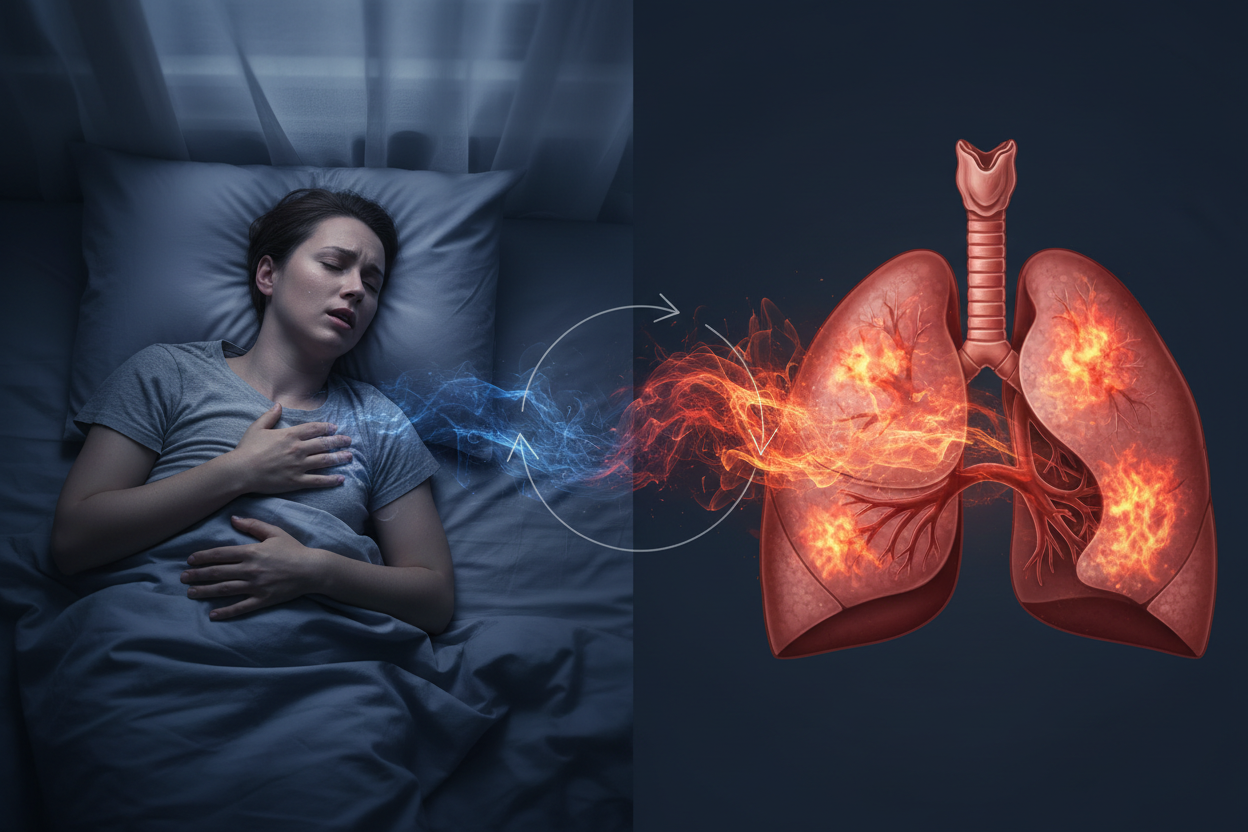
The Science Behind Lung Inflammation in Sleep Apnea
When sleep apnea causes repeated breathing interruptions, it triggers a complex inflammatory response in your lungs and throughout your body. Each time your airway collapses and reopens, it creates what researchers call “intermittent hypoxia” – periods of low oxygen followed by rapid reoxygenation. This cycle is particularly damaging because it mimics the cellular stress seen in heart attacks and strokes.
Your body interprets these oxygen fluctuations as a threat, activating the immune system and releasing inflammatory markers like C-reactive protein, tumor necrosis factor-alpha, and various interleukins. These substances are meant to protect you, but when constantly elevated, they begin attacking healthy tissue, including the delicate structures in your lungs.
The mechanical stress of sleep apnea also contributes to inflammation. The forceful breathing efforts required to overcome airway blockages create pressure changes that can damage lung tissue. Think of it like repeatedly inflating and deflating a balloon too quickly – eventually, the material weakens and becomes more susceptible to injury.
Research has shown that people with sleep apnea have significantly higher levels of inflammatory markers in their blood and lung tissue compared to healthy individuals. This chronic inflammation doesn’t just affect the lungs; it contributes to cardiovascular disease, diabetes, and other serious health conditions.
How Lung Inflammation Worsens Sleep Apnea Symptoms
The relationship between sleep apnea and lung inflammation isn’t one-directional. When your lungs become inflamed, they become less efficient at gas exchange, making it harder for your body to maintain proper oxygen and carbon dioxide levels during sleep. This creates a heightened sensitivity to airway collapse and makes breathing interruptions more frequent and severe.
Inflammation in the upper respiratory tract can cause swelling of tissues around the throat and nose, further narrowing already compromised airways. Many people notice that their sleep apnea symptoms worsen during times of respiratory illness or allergy flare-ups, when inflammation is naturally higher.
The inflammatory process also affects the muscles that control breathing. When these muscles become inflamed, they may not respond as quickly or effectively to signals from the brain to resume breathing after an apneic episode. This delayed response prolongs oxygen deprivation and intensifies the inflammatory cascade.
Additionally, chronic lung inflammation can lead to changes in lung structure over time. The airways may become stiffer and less elastic, making them more prone to collapse during sleep. This structural damage creates a more permanent foundation for sleep apnea, making the condition progressively worse if left untreated.
Breaking the Cycle: Effective Treatment Strategies
The good news is that this vicious cycle can be broken with appropriate treatment. The most effective approach often involves addressing both the sleep apnea and the underlying inflammation simultaneously. CPAP (Continuous Positive Airway Pressure) therapy remains the gold standard for treating moderate to severe sleep apnea, and research shows it can significantly reduce inflammatory markers within just a few weeks of consistent use.
CPAP works by providing a constant stream of pressurized air that keeps your airways open throughout the night. This prevents the oxygen drops and breathing interruptions that trigger inflammation. Many patients report feeling more alert and energetic within days of starting CPAP therapy, though it can take several weeks to see the full anti-inflammatory benefits.
For those who struggle with CPAP, alternative treatments include oral appliances that reposition the jaw and tongue, positional therapy for people whose sleep apnea is worse when sleeping on their back, and in some cases, surgical interventions to remove excess tissue or correct structural abnormalities.
Weight management plays a crucial role in breaking the inflammation cycle. Excess weight, particularly around the neck and chest, increases the likelihood of airway collapse and contributes to systemic inflammation. Even modest weight loss can lead to significant improvements in sleep apnea severity and inflammatory markers.
Lifestyle Changes That Reduce Inflammation
Beyond medical treatments, several lifestyle modifications can help reduce lung inflammation and improve sleep apnea symptoms. Anti-inflammatory nutrition plays a particularly important role. Foods rich in omega-3 fatty acids, such as salmon, walnuts, and flaxseeds, have been shown to reduce inflammatory markers in people with sleep apnea.
Avoiding pro-inflammatory foods is equally important. Processed foods, excessive sugar, and trans fats can worsen inflammation and make sleep apnea symptoms more severe. Many people find that reducing their intake of these foods leads to better sleep quality and improved daytime energy levels.
Regular exercise, while challenging when you’re dealing with sleep deprivation, can be incredibly beneficial for reducing inflammation and improving sleep apnea. Even moderate activity like walking or swimming can help reduce inflammatory markers and strengthen the muscles involved in breathing. The key is starting slowly and building up gradually as your energy improves with better sleep.
Stress management techniques such as meditation, deep breathing exercises, and yoga can also help reduce inflammation. Chronic stress elevates cortisol levels, which can worsen both sleep apnea and inflammatory responses. Finding healthy ways to manage stress can be a powerful tool in breaking the cycle.
When to Seek Professional Help
Recognizing when to seek professional help can be the difference between managing symptoms and addressing the root cause of the problem. If you’re experiencing loud snoring, witnessed breathing interruptions during sleep, excessive daytime sleepiness, or morning headaches, it’s time to consult a healthcare provider.
A sleep study, either in a laboratory or at home, can definitively diagnose sleep apnea and determine its severity. Don’t let concerns about sleeping in an unfamiliar environment or the cost of testing prevent you from getting evaluated. Many insurance plans cover sleep studies, and the health benefits of proper diagnosis and treatment far outweigh the temporary inconvenience.
If you’re already being treated for sleep apnea but continue to experience symptoms, or if you notice signs of worsening inflammation such as increased fatigue, frequent respiratory infections, or difficulty exercising, discuss these concerns with your healthcare team. Treatment plans often need adjustment as conditions change over time.
Working with a multidisciplinary team that might include a sleep specialist, pulmonologist, and nutritionist can provide comprehensive care that addresses both the sleep disorder and its inflammatory consequences. This collaborative approach often yields better results than treating each condition in isolation.
The Path Forward: Hope for Better Sleep and Health
Breaking the cycle of sleep apnea and lung inflammation isn’t always easy, but it’s absolutely achievable with the right approach and commitment. The key is understanding that these conditions are interconnected and require comprehensive treatment that addresses both the mechanical aspects of sleep apnea and the biological processes of inflammation.
Success often comes gradually. You might notice improved energy levels before your inflammatory markers normalize, or you might see better sleep study results before you feel dramatically different during the day. Trust the process and stay consistent with your treatment plan, even when progress feels slow.
Remember that everyone’s journey is different. What works perfectly for one person might need modification for another. Stay in close communication with your healthcare team, be honest about challenges you’re facing with treatment, and don’t hesitate to explore alternative approaches if your current plan isn’t delivering the results you need.
The relationship between sleep apnea and lung inflammation represents a significant health challenge, but it’s one that medical science understands increasingly well. With proper diagnosis, appropriate treatment, and lifestyle modifications, most people can successfully break this vicious cycle and reclaim both their sleep and their health. The investment in addressing these interconnected conditions pays dividends not just in better rest, but in improved quality of life, reduced disease risk, and the energy to fully engage with the people and activities that matter most to you.
Take Control of Your Nighttime Breathing
Don’t let sleep apnea silently accelerate your lung disease. Discover the natural breathing protocol that thousands of respiratory patients are using to restore healthy sleep patterns and protect their lung function.
