
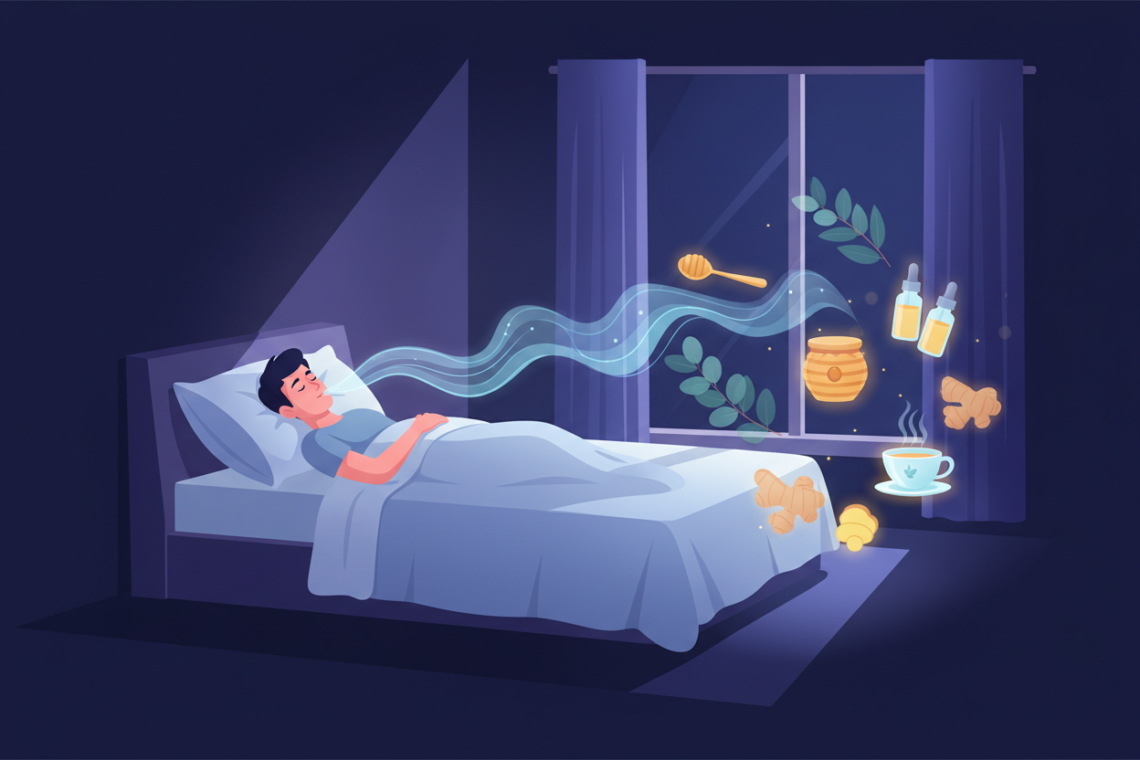
15 Home Remedies to Stop Nocturnal Desaturation Naturally
If you’ve ever woken up feeling exhausted despite getting what seemed like a full night’s sleep, you might be experiencing nocturnal desaturation. This condition, where your blood oxygen levels drop during sleep, affects millions of people worldwide and can significantly impact your quality of life. The good news? There are numerous natural remedies you can implement right from the comfort of your own home to help maintain healthy oxygen levels throughout the night.
Nocturnal desaturation occurs when your body struggles to maintain adequate oxygen saturation while you sleep. This can happen due to various reasons, including sleep apnea, respiratory conditions, or even simple lifestyle factors. While it’s always important to consult with a healthcare professional for persistent issues, many people find relief through natural approaches that support better breathing and oxygen flow during sleep.

Understanding Nocturnal Desaturation and Its Impact
Before diving into remedies, it’s crucial to understand what nocturnal desaturation means for your health. During normal sleep, your oxygen saturation should remain above 90%. When levels consistently drop below this threshold, your body doesn’t receive the oxygen it needs for proper cellular function and repair.
Common symptoms include morning headaches, excessive daytime fatigue, difficulty concentrating, and restless sleep. Over time, chronic nocturnal desaturation can contribute to more serious health issues, including cardiovascular problems and cognitive decline. That’s why addressing this condition naturally and effectively is so important.
1. Elevate Your Head While Sleeping
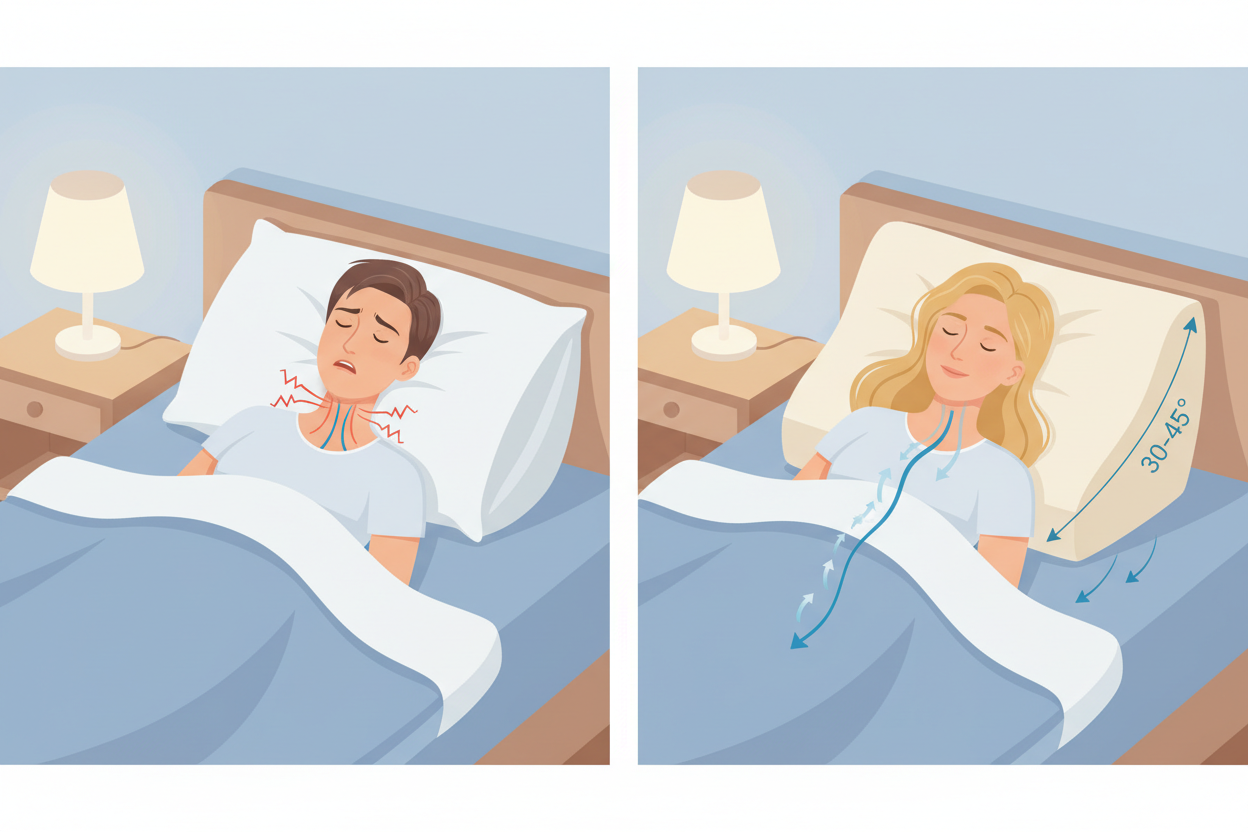
One of the simplest yet most effective remedies is sleeping with your head elevated. Raising your head and upper torso by 30 to 45 degrees helps gravity assist your breathing and reduces the likelihood of airway obstruction. You can achieve this by using an adjustable bed, wedge pillow, or simply stacking regular pillows. Many people notice immediate improvement in their sleep quality with this simple adjustment.
2. Practice Deep Breathing Exercises Before Bed
Incorporating breathing exercises into your bedtime routine can significantly improve your respiratory function during sleep. The 4-7-8 breathing technique is particularly effective: inhale for 4 counts, hold for 7 counts, and exhale for 8 counts. This practice not only helps oxygenate your blood but also activates your parasympathetic nervous system, promoting deeper, more restful sleep.
3. Maintain Optimal Bedroom Humidity
Dry air can irritate your respiratory passages and make breathing more difficult during sleep. Maintaining humidity levels between 40-60% helps keep your airways moist and functioning optimally. Consider using a humidifier, especially during winter months or in dry climates. Adding a few drops of eucalyptus oil to your humidifier can provide additional respiratory benefits.
4. Create an Allergen-Free Sleep Environment
Allergens like dust mites, pet dander, and pollen can cause inflammation in your airways, contributing to nocturnal desaturation. Wash your bedding weekly in hot water, use allergen-proof mattress and pillow covers, and consider an air purifier with a HEPA filter. Keep pets out of the bedroom if you’re sensitive to dander, and vacuum regularly to minimize allergen accumulation.
5. Optimize Your Sleep Position
Your sleeping position plays a crucial role in maintaining open airways. Side sleeping is generally the best position for preventing airway collapse, particularly sleeping on your left side. If you’re a back sleeper, try placing a pillow under your knees to maintain proper spinal alignment. Avoid stomach sleeping, as it can strain your neck and potentially restrict breathing.
6. Use Essential Oils for Respiratory Support
Certain essential oils have natural properties that can help open airways and improve breathing. Eucalyptus, peppermint, and tea tree oils are particularly effective. You can add a few drops to a diffuser in your bedroom, apply diluted oils to your chest, or even add them to a warm bath before bedtime. Always dilute essential oils properly and test for sensitivity before use.
7. Maintain a Healthy Weight
Excess weight, particularly around the neck and throat area, can contribute to airway obstruction during sleep. Even modest weight loss can significantly improve nocturnal oxygen levels. Focus on a balanced diet rich in anti-inflammatory foods, regular physical activity, and adequate hydration. Remember, sustainable weight loss takes time, so be patient with yourself throughout the process.
8. Stay Hydrated Throughout the Day
Proper hydration helps keep the mucous membranes in your respiratory tract moist and functioning well. Aim for at least 8 glasses of water daily, but taper off your fluid intake 2-3 hours before bedtime to avoid frequent nighttime bathroom trips that can disrupt sleep. Herbal teas like chamomile or ginger can provide additional benefits while contributing to your daily fluid intake.
9. Incorporate Regular Exercise
Regular physical activity strengthens your respiratory muscles and improves overall lung function. Cardiovascular exercises like walking, swimming, or cycling are particularly beneficial. However, avoid vigorous exercise within 3-4 hours of bedtime, as it can be stimulating and interfere with sleep quality. Gentle yoga or stretching in the evening can be a perfect compromise.
10. Try Natural Anti-Inflammatory Foods
Chronic inflammation can contribute to respiratory issues and nocturnal desaturation. Incorporate anti-inflammatory foods into your diet, such as fatty fish rich in omega-3 fatty acids, leafy greens, berries, turmeric, and ginger. These foods help reduce systemic inflammation and may improve your respiratory function over time.
11. Practice Good Sleep Hygiene
Establishing consistent sleep habits supports your body’s natural rhythms and promotes better quality sleep. Go to bed and wake up at the same time each day, create a relaxing bedtime routine, and keep your bedroom cool, dark, and quiet. Limit screen time before bed, as blue light can interfere with melatonin production and sleep quality.
12. Consider Nasal Breathing Techniques
Breathing through your nose filters, warms, and humidifies the air before it reaches your lungs. If you tend to mouth-breathe during sleep, try using nasal strips or practicing nasal breathing exercises during the day to retrain your breathing patterns. Saline nasal rinses can also help keep your nasal passages clear and promote better nighttime breathing.
13. Manage Stress and Anxiety
Chronic stress and anxiety can contribute to shallow breathing patterns and respiratory issues. Incorporate stress-reduction techniques into your daily routine, such as meditation, progressive muscle relaxation, or gentle yoga. Consider keeping a journal to process daily stresses before bedtime, helping clear your mind for more restful sleep.
14. Avoid Alcohol and Sedatives Before Bed
While alcohol might initially make you feel drowsy, it actually disrupts sleep quality and can relax the muscles in your throat, potentially worsening nocturnal desaturation. Similarly, sedative medications can suppress your respiratory drive during sleep. If you choose to drink alcohol, do so in moderation and finish at least 3-4 hours before bedtime.
15. Create a Consistent Wind-Down Routine
Developing a calming pre-sleep routine signals to your body that it’s time to prepare for rest. This might include gentle stretching, reading, listening to soft music, or practicing gratitude. The key is consistency – performing the same activities each night helps train your body to naturally transition into sleep mode, potentially improving your overall sleep quality and oxygen levels.
When to Seek Professional Help
While these natural remedies can be incredibly effective for many people, it’s important to recognize when professional medical intervention might be necessary. If you continue to experience symptoms of nocturnal desaturation despite implementing these strategies, or if you have underlying health conditions, consult with a healthcare provider or sleep specialist.
Signs that warrant professional attention include persistent loud snoring, witnessed breathing interruptions during sleep, severe daytime fatigue despite adequate sleep time, or morning headaches that don’t improve with these natural approaches. A sleep study might be recommended to properly diagnose and treat any underlying sleep disorders.
Remember, improving nocturnal desaturation naturally is often a gradual process. Be patient with yourself and consistent with your chosen remedies. Many people find that combining several of these approaches works better than relying on just one strategy. Start with the remedies that seem most applicable to your situation, and gradually incorporate others as they become part of your routine.
By taking a proactive, natural approach to addressing nocturnal desaturation, you’re investing in better sleep quality, improved daytime energy, and overall better health. Sweet dreams and better breathing await you on this journey toward more restful, oxygen-rich sleep.
Take Control of Your Nighttime Breathing
Don’t let sleep apnea silently accelerate your lung disease. Discover the natural breathing protocol that thousands of respiratory patients are using to restore healthy sleep patterns and protect their lung function.
