
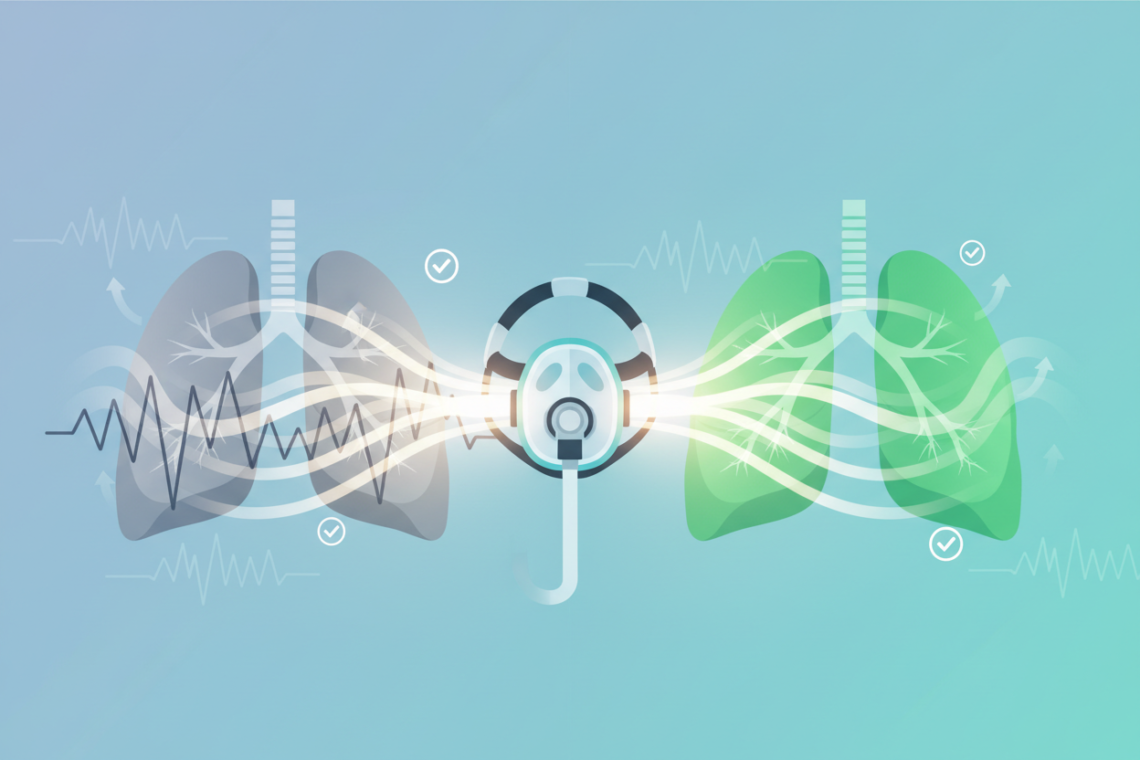
CPAP Success Stories: Real Lung Function Improvements in COPD Patients
Living with Chronic Obstructive Pulmonary Disease (COPD) can feel like an uphill battle, especially when sleep becomes another challenge to overcome. For millions of people worldwide, the combination of COPD and sleep-related breathing disorders creates a complex web of health issues that can significantly impact quality of life. However, there’s hope on the horizon, and it comes in the form of Continuous Positive Airway Pressure (CPAP) therapy.
While CPAP machines are traditionally associated with sleep apnea treatment, emerging research and real-world patient experiences reveal their remarkable potential in improving lung function for COPD patients. These aren’t just clinical statistics we’re talking about – they’re genuine success stories from real people who’ve experienced life-changing improvements in their breathing, sleep quality, and overall well-being.
The intersection of COPD and sleep disorders affects approximately 10-15% of COPD patients, creating what medical professionals call “overlap syndrome.” This condition can accelerate disease progression and worsen symptoms, but CPAP therapy is proving to be a game-changer for many patients navigating this challenging combination.
Understanding the COPD and Sleep Connection
Before diving into the success stories, it’s crucial to understand why COPD patients often struggle with sleep-related breathing issues. COPD affects the airways and lung tissue, making it difficult to breathe effectively. During sleep, natural muscle relaxation can further compromise already weakened respiratory function, leading to decreased oxygen levels and disrupted sleep patterns.
Many COPD patients experience what’s known as nocturnal hypoventilation – a condition where breathing becomes shallow and ineffective during sleep. This can result in carbon dioxide buildup and oxygen depletion, creating a cascade of health problems that extend far beyond nighttime hours. Sleep fragmentation becomes common, leaving patients exhausted and struggling with daytime fatigue that compounds their existing breathing difficulties.
The traditional approach to managing COPD has focused primarily on bronchodilators, corticosteroids, and lifestyle modifications. While these treatments remain essential, the addition of CPAP therapy has opened new doors for comprehensive care that addresses both daytime and nighttime respiratory challenges.
How CPAP Therapy Transforms COPD Management
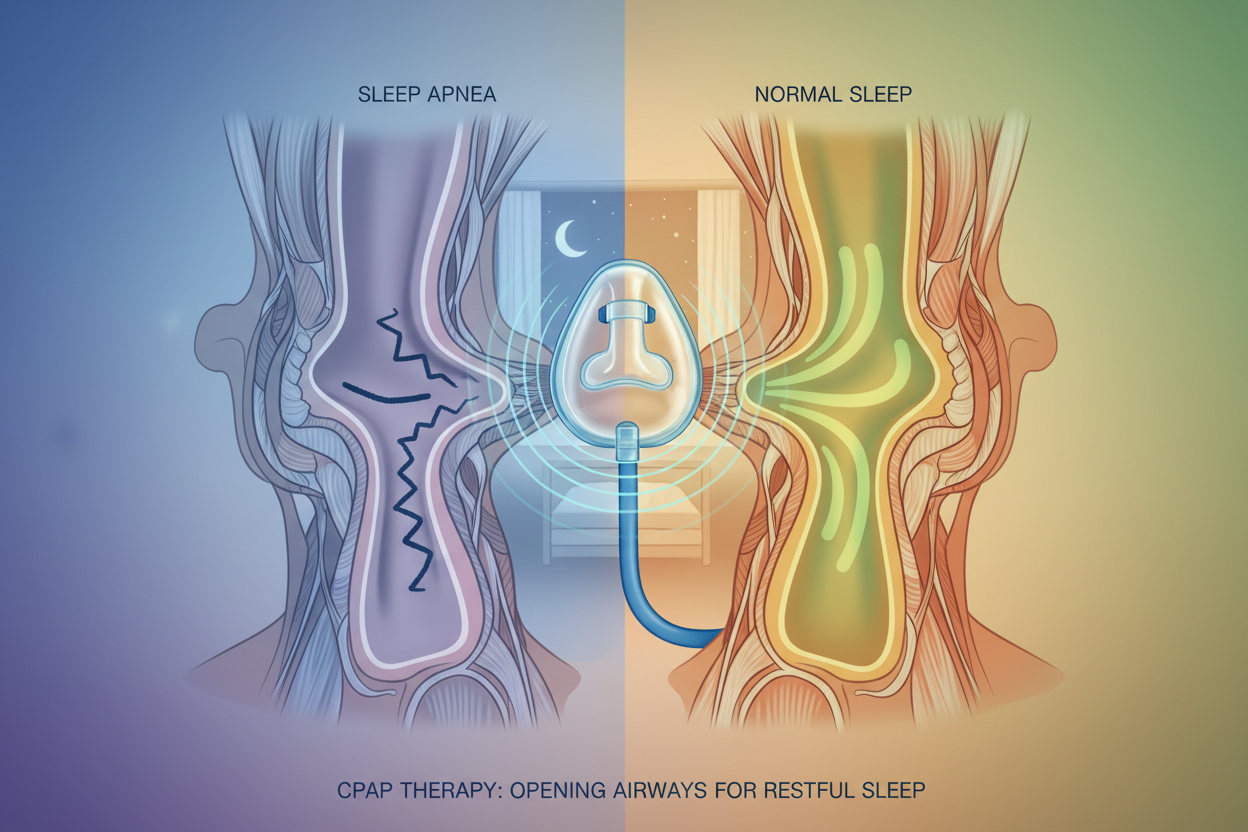
CPAP machines work by delivering a continuous stream of pressurized air through a mask, keeping airways open throughout the night. For COPD patients, this constant positive pressure serves multiple therapeutic purposes that extend beyond simple airway maintenance.
The pressurized air acts as a pneumatic splint, preventing airway collapse and reducing the work of breathing during sleep. This is particularly beneficial for COPD patients whose weakened respiratory muscles struggle to maintain adequate ventilation throughout the night. By reducing respiratory effort, CPAP therapy allows the respiratory muscles to rest and recover, potentially improving their function during waking hours.
Additionally, CPAP therapy helps maintain optimal oxygen saturation levels throughout the night, preventing the dangerous dips that can occur in untreated patients. This consistent oxygenation supports better cellular function and may help slow the progression of COPD-related complications.
Margaret’s Journey: From Sleepless Nights to Renewed Energy
Margaret Thompson, a 67-year-old retired teacher from Ohio, had been living with moderate COPD for nearly eight years when she first heard about CPAP therapy. Her nights were filled with frequent awakenings, gasping for air, and the constant fear of not being able to catch her breath. Daytime activities became increasingly challenging as fatigue and breathlessness limited her ability to enjoy time with her grandchildren.
“I thought CPAP was only for people with sleep apnea,” Margaret recalls. “My pulmonologist explained that it could help with my COPD symptoms too, but I was skeptical. I’d tried so many treatments that didn’t seem to make much difference.”
After three months of consistent CPAP use, Margaret’s pulmonary function tests showed measurable improvements. Her forced expiratory volume (FEV1) increased by 12%, and her oxygen saturation levels remained stable throughout the night for the first time in years. More importantly, Margaret noticed dramatic changes in her daily life.
“I’m sleeping through the night again,” she shares. “I wake up feeling rested instead of exhausted. I can play with my grandkids at the park without getting completely winded. It’s given me my life back in ways I didn’t expect.”
Robert’s Remarkable Recovery: Avoiding Hospitalization
Robert Martinez, a 58-year-old construction worker from Texas, faced a different challenge. His severe COPD had led to multiple hospitalizations over two years, with exacerbations becoming more frequent and severe. His medical team was concerned about his declining trajectory and the increasing impact on his cardiovascular system.
Robert’s sleep study revealed significant nocturnal oxygen desaturation events, prompting his physician to recommend CPAP therapy as part of a comprehensive treatment approach. Initially resistant to the idea of sleeping with a machine, Robert’s perspective changed after his first week of treatment.
“The difference was immediate,” Robert explains. “I stopped waking up with that panicked feeling of not being able to breathe. My morning cough became less severe, and I wasn’t reaching for my rescue inhaler as often during the night.”
Six months into CPAP therapy, Robert’s improvement metrics were impressive. His arterial blood gas analysis showed better CO2 clearance, and his six-minute walk test distance increased by 85 meters. Most significantly, he hasn’t required hospitalization for COPD exacerbation since starting CPAP treatment – a stark contrast to his previous pattern of quarterly hospital stays.
The Science Behind the Success: Clinical Evidence
These personal success stories align with growing clinical evidence supporting CPAP use in COPD patients. Research published in respiratory medicine journals demonstrates that COPD patients using CPAP therapy show improvements in several key areas:
Pulmonary function tests consistently show improvements in lung capacity measurements, with many patients experiencing increases in FEV1 and forced vital capacity (FVC) within three to six months of consistent CPAP use. These improvements, while sometimes modest in percentage terms, translate to significant quality of life enhancements for patients.
Sleep quality metrics improve dramatically, with patients reporting longer periods of uninterrupted sleep and reduced sleep fragmentation. Sleep efficiency scores often increase from below 70% to above 85% within the first month of treatment, leading to better daytime alertness and cognitive function.
Cardiovascular benefits emerge as well, as CPAP therapy helps reduce the strain on the heart caused by chronic hypoxemia. Many patients show improvements in blood pressure control and reduced risk of cardiovascular events, which is particularly important given that heart disease is a common comorbidity in COPD patients.
Sarah’s Transformation: From Anxiety to Confidence
Sarah Chen, a 52-year-old librarian from California, represents another facet of COPD management success with CPAP therapy. Her mild-to-moderate COPD was complicated by severe anxiety about nighttime breathing difficulties, creating a cycle where fear of breathlessness made her symptoms worse.
“I would lie awake for hours, afraid to fall asleep because I might stop breathing,” Sarah remembers. “The anxiety was almost worse than the COPD itself. I was taking sleep medications that made me groggy, but I still wasn’t getting quality rest.”
CPAP therapy addressed both the physical and psychological aspects of Sarah’s condition. The consistent airway pressure provided the security she needed to relax and fall asleep naturally, while the improved oxygenation helped reduce her overall anxiety levels.
“Within two weeks, I was sleeping without anxiety medication for the first time in three years,” Sarah notes. “My spirometry results improved, but more importantly, I felt confident about my breathing again. I started exercising regularly, which further improved my lung function.”
Overcoming Initial Challenges: Tips for CPAP Success
While these success stories are inspiring, it’s important to acknowledge that CPAP therapy isn’t without its initial challenges. Many patients struggle with mask fit, pressure settings, or simply adjusting to sleeping with equipment. However, the patients who achieve the best outcomes are those who work closely with their healthcare teams to optimize their therapy.
Proper mask fitting is crucial for both comfort and effectiveness. Working with a respiratory therapist to try different mask styles and sizes can make the difference between treatment success and abandonment. Many patients find that starting with lower pressure settings and gradually increasing them helps with adaptation.
Consistency is key to achieving the lung function improvements seen in these success stories. Patients who use their CPAP machines for at least six hours per night, seven nights per week, show the most significant improvements in pulmonary function tests and quality of life measures.
Long-term Benefits and Disease Progression
Perhaps most encouraging is the evidence that CPAP therapy may help slow COPD progression in some patients. While COPD is generally considered a progressive disease, patients using CPAP therapy often show more stable lung function over time compared to those receiving standard treatment alone.
The improved sleep quality and reduced respiratory stress during nighttime hours appear to have cumulative benefits that extend well beyond sleep. Patients report better exercise tolerance, fewer exacerbations, and improved overall health status that can persist for years with consistent CPAP use.
These long-term benefits represent hope for COPD patients who may have felt that their condition would only continue to worsen. While CPAP therapy isn’t a cure, it offers a path toward better disease management and improved quality of life that many patients hadn’t previously considered possible.
Conclusion: A New Chapter in COPD Care
The success stories of Margaret, Robert, Sarah, and countless other COPD patients using CPAP therapy illuminate a promising frontier in respiratory care. These real-world experiences, backed by growing clinical evidence, demonstrate that CPAP therapy can offer significant lung function improvements and quality of life enhancements for appropriately selected COPD patients.
While CPAP therapy isn’t appropriate for every COPD patient, those with concurrent sleep-related breathing disorders or nocturnal hypoventilation may find it to be a transformative addition to their treatment regimen. The key lies in proper patient selection, thorough evaluation, and ongoing support to ensure treatment success.
For COPD patients struggling with sleep-related symptoms or those whose condition seems to be progressing despite optimal medical management, discussing CPAP therapy with a pulmonologist or sleep medicine specialist could open doors to improvements they never thought possible. These success stories remind us that even with a chronic progressive disease like COPD, there are still opportunities for meaningful improvement and renewed hope.
The journey with COPD doesn’t have to be one of inevitable decline. With innovative approaches like CPAP therapy, patients can take active steps toward better breathing, better sleep, and better lives. The evidence is clear, and the success stories continue to grow – CPAP therapy is writing a new chapter in COPD care, one breath at a time.
Take Control of Your Nighttime Breathing
Don’t let sleep apnea silently accelerate your lung disease. Discover the natural breathing protocol that thousands of respiratory patients are using to restore healthy sleep patterns and protect their lung function.
