

The Oxygen Crisis: How Sleep Apnea Silently Steals Your Breath While You Sleep
Every night, millions of people around the world unknowingly engage in a dangerous battle for breath. While they believe they’re peacefully sleeping, their bodies are actually fighting for oxygen, gasping and struggling in a condition known as sleep apnea. This silent thief doesn’t announce its presence with dramatic symptoms during the day, yet it systematically undermines your health, one interrupted breath at a time.
Sleep apnea affects an estimated 22 million Americans, with 80% of moderate to severe cases going undiagnosed. The consequences extend far beyond feeling tired the next morning – this condition can literally be stealing years from your life while you’re completely unaware it’s happening.
Understanding Sleep Apnea: When Breathing Becomes a Challenge
Sleep apnea occurs when your breathing repeatedly stops and starts during sleep. The word “apnea” comes from the Greek word meaning “without breath,” which perfectly captures the essence of this condition. These breathing interruptions can last anywhere from a few seconds to more than a minute, and they can happen hundreds of times throughout a single night.
What makes sleep apnea particularly insidious is its stealth nature. Unlike other medical conditions that present obvious symptoms, sleep apnea does its damage while you’re unconscious. Your brain constantly wakes you up just enough to restart breathing, but these micro-awakenings are so brief that you typically don’t remember them. This creates a vicious cycle where you think you’ve slept through the night, yet you wake up exhausted and foggy-minded.
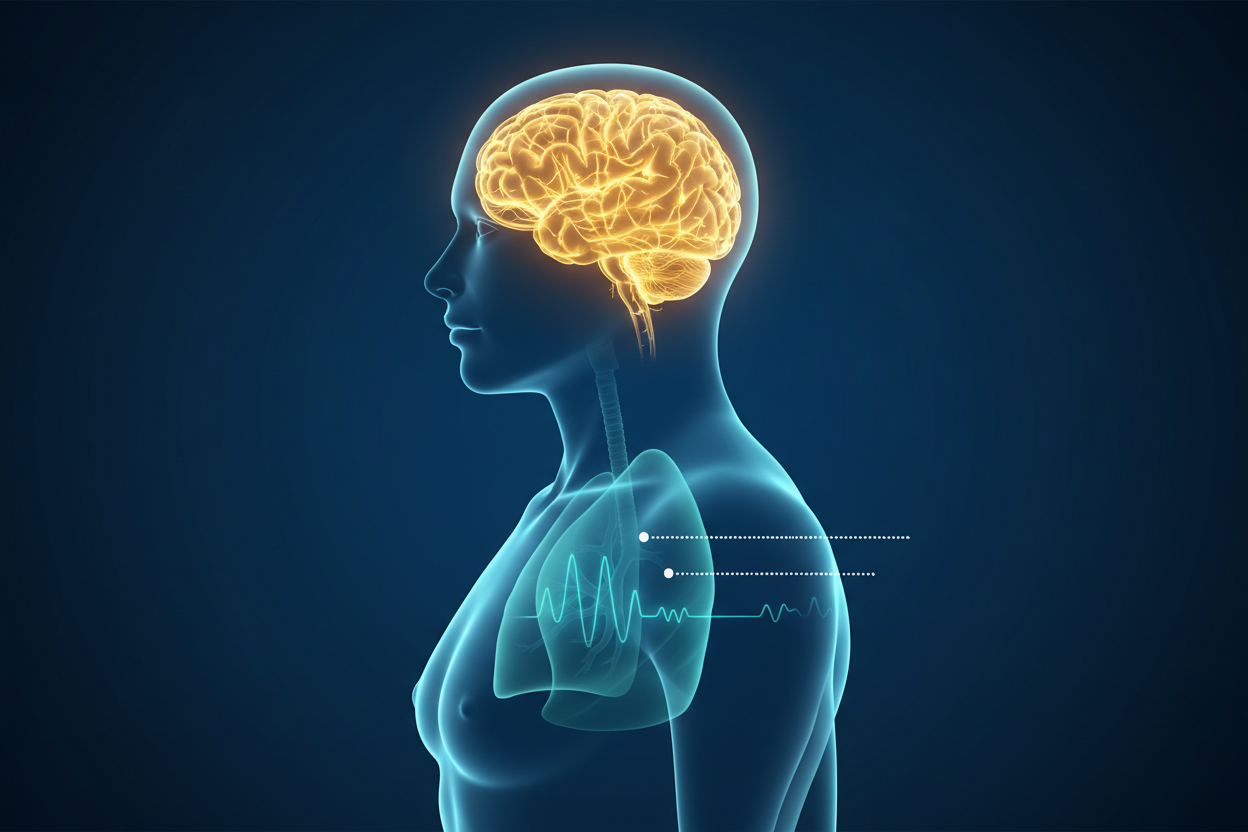
The oxygen deprivation that occurs during these episodes triggers a cascade of physiological stress responses. Your heart rate increases, blood pressure spikes, and stress hormones flood your system. Night after night, this pattern continues, placing enormous strain on your cardiovascular system and other vital organs.
The Three Types of Sleep Apnea: Different Mechanisms, Similar Dangers
Not all sleep apnea is created equal. Understanding the different types helps explain why this condition affects such a diverse range of people and why treatment approaches can vary significantly.
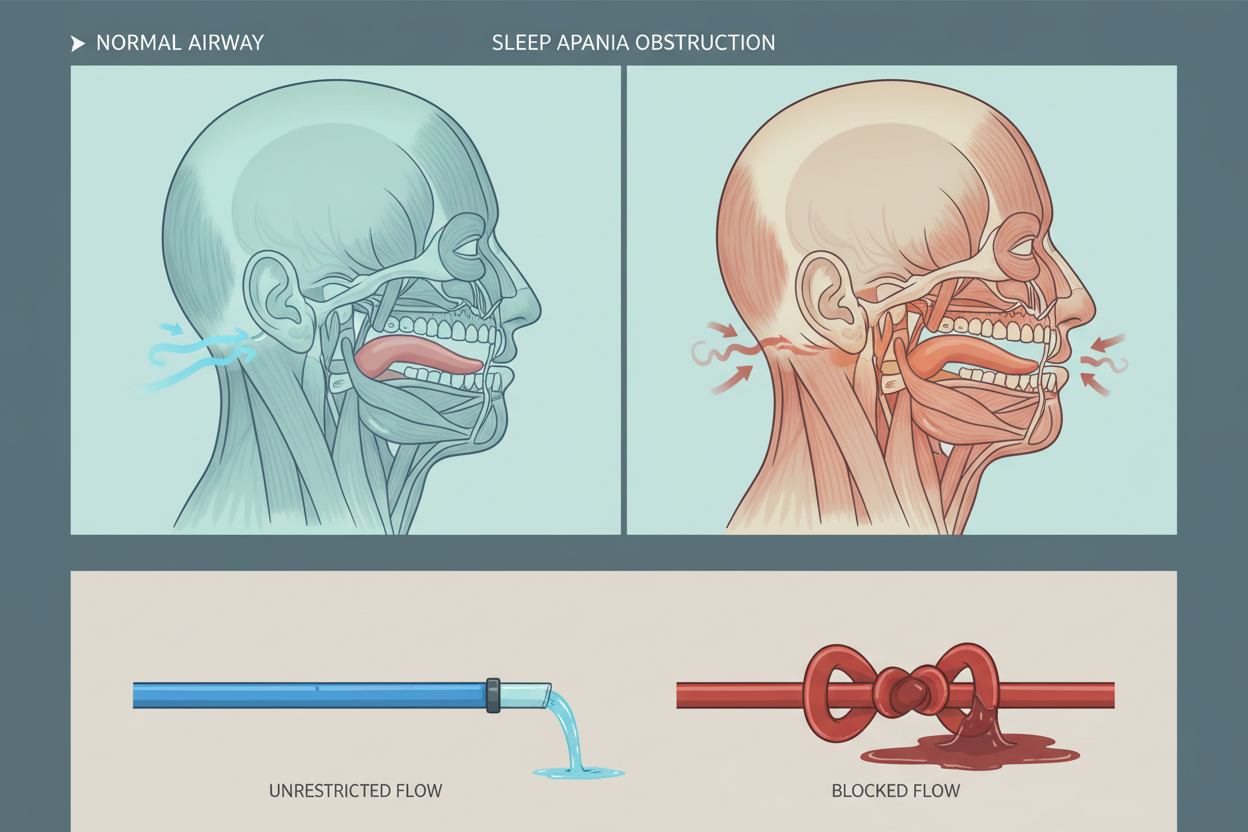
Obstructive Sleep Apnea (OSA) is by far the most common type, accounting for roughly 84% of all cases. In OSA, the soft tissues in your throat relax during sleep, causing a physical blockage of your airway. Think of it like a garden hose being kinked – the water (or in this case, air) simply can’t flow through properly. Factors like excess weight, enlarged tonsils, or naturally narrow airways can increase the likelihood of these obstructions.
Central Sleep Apnea (CSA) represents a different challenge entirely. Here, the problem isn’t a physical blockage but rather a communication breakdown between your brain and the muscles that control breathing. Your brain simply forgets to send the signal to breathe, creating gaps in your respiratory rhythm. This type is less common but often more complex to treat, as it typically indicates underlying neurological or cardiac issues.
Complex Sleep Apnea Syndrome, sometimes called treatment-emergent central sleep apnea, occurs when someone has both obstructive and central components. This mixed type often emerges when treating OSA reveals underlying central apnea that was previously masked.
The Silent Symptoms: Recognizing Sleep Apnea’s Hidden Signs
One of the most challenging aspects of sleep apnea is that its primary symptoms occur while you’re unconscious. However, the condition leaves plenty of clues that manifest during your waking hours – if you know what to look for.
Chronic fatigue represents perhaps the most common complaint among sleep apnea sufferers. This isn’t the normal tiredness you might feel after staying up late; it’s a bone-deep exhaustion that persists regardless of how many hours you spend in bed. Many people describe feeling like they’ve been hit by a truck every morning, struggling to find energy throughout the day despite what they believe was a full night’s sleep.
Morning headaches serve as another red flag, particularly when they occur regularly upon waking. These headaches result from the carbon dioxide buildup and oxygen depletion that occurs during apneic episodes. The pain typically improves as the day progresses and your oxygen levels normalize.
Cognitive symptoms often prove equally troubling. Sleep apnea can significantly impact memory, concentration, and decision-making abilities. Many sufferers report feeling mentally foggy, struggling to focus at work, or having difficulty remembering important information. Some describe it as living in a constant state of jet lag.
Mood changes frequently accompany sleep apnea as well. Irritability, depression, and anxiety can all stem from chronic sleep disruption and oxygen deprivation. The constant stress placed on your body by repeated breathing interruptions can alter brain chemistry and hormone production, affecting emotional regulation.
The Domino Effect: How Sleep Apnea Impacts Your Entire Body
Sleep apnea doesn’t exist in isolation – it creates a ripple effect that impacts virtually every system in your body. The cardiovascular system bears perhaps the heaviest burden, as the repeated oxygen drops and subsequent recovery cycles place enormous stress on your heart and blood vessels.
High blood pressure represents one of the most common complications of untreated sleep apnea. The repeated episodes of oxygen deprivation trigger the release of stress hormones that cause blood vessels to constrict and heart rate to increase. Over time, this can lead to sustained hypertension, even during waking hours.
The risk of heart disease, stroke, and irregular heart rhythms also increases significantly with sleep apnea. Studies have shown that people with severe, untreated sleep apnea are four times more likely to experience a stroke and three times more likely to develop heart disease compared to those without the condition.
Diabetes and metabolic dysfunction represent another serious concern. Sleep apnea appears to interfere with glucose metabolism and insulin sensitivity, making it harder for your body to regulate blood sugar levels. This creates a particularly dangerous situation for people who already have diabetes or are at risk for developing the condition.
Weight gain often becomes both a cause and consequence of sleep apnea, creating a frustrating cycle. Sleep disruption affects hormones that regulate hunger and satiety, making it more difficult to maintain a healthy weight. Meanwhile, excess weight can worsen sleep apnea by increasing the likelihood of airway obstruction.
Risk Factors: Who’s Most Vulnerable to Sleep Apnea?
While sleep apnea can affect anyone, certain factors significantly increase your risk of developing this condition. Understanding these risk factors can help you assess your own vulnerability and take preventive measures when possible.
Age plays a significant role, with sleep apnea becoming more common as people get older. The natural aging process causes muscles to lose tone, including those that help keep your airway open during sleep. Additionally, changes in sleep architecture that occur with aging can make breathing disruptions more likely.
Gender differences are also notable, with men being two to three times more likely to develop sleep apnea than women. However, this gap narrows significantly after menopause, suggesting that hormonal factors play a protective role for women during their reproductive years.
Excess weight represents one of the most significant modifiable risk factors. Fat deposits around the neck and throat can physically compress the airway, while abdominal fat can interfere with diaphragm function. However, it’s important to note that thin people can also develop sleep apnea, particularly if they have anatomical factors that predispose them to airway obstruction.
Family history and genetics contribute to sleep apnea risk as well. Inherited traits such as jaw structure, tongue size, and airway anatomy can all influence your likelihood of developing breathing problems during sleep. If sleep apnea runs in your family, you should be particularly vigilant about symptoms and consider screening.
Breaking the Cycle: Effective Treatment Options for Sleep Apnea
The good news about sleep apnea is that effective treatments exist, and many people experience dramatic improvements in their quality of life once properly diagnosed and treated. The key lies in finding the right approach for your specific situation and type of sleep apnea.
Continuous Positive Airway Pressure (CPAP) therapy remains the gold standard treatment for moderate to severe obstructive sleep apnea. This treatment involves wearing a mask connected to a machine that delivers a steady stream of pressurized air, effectively keeping your airway open throughout the night. While CPAP therapy requires an adjustment period, most people who stick with it report significant improvements in energy, mood, and overall health.
Oral appliances offer an alternative for people with mild to moderate sleep apnea or those who cannot tolerate CPAP therapy. These custom-fitted devices work by repositioning your jaw or tongue to help keep your airway open during sleep. While generally less effective than CPAP for severe cases, oral appliances can be highly successful for the right candidates and are often more convenient for travel.
Surgical options exist for cases where other treatments haven’t been successful or aren’t suitable. Procedures can range from removing excess tissue in the throat to more complex operations that reposition jaw structures. The choice of surgical approach depends on the specific anatomical factors contributing to your sleep apnea.
Lifestyle modifications can also play a crucial role in managing sleep apnea, particularly for mild cases. Weight loss, when appropriate, can significantly reduce the severity of sleep apnea symptoms. Sleeping position changes, avoiding alcohol before bedtime, and maintaining good sleep hygiene can all contribute to better breathing during sleep.
Taking Action: The Path to Better Sleep and Health
If you suspect you might have sleep apnea, the most important step is seeking professional evaluation. A sleep study, either conducted in a specialized laboratory or through a home testing device, can definitively diagnose the condition and determine its severity. This information is crucial for developing an effective treatment plan tailored to your specific needs.
Don’t let the fear of diagnosis or treatment prevent you from seeking help. Modern sleep apnea treatments are more comfortable and effective than ever before, and the health benefits of treatment far outweigh any temporary inconvenience of adapting to new therapy.
Remember that sleep apnea is a progressive condition – it typically worsens over time if left untreated. The sooner you address the problem, the better your chances of preventing serious health complications and improving your quality of life.
Sleep apnea may be a silent thief, but it doesn’t have to continue stealing your breath, your health, or your vitality. With proper diagnosis and treatment, you can reclaim your nights and transform your days. The journey to better sleep and better health begins with recognizing that you deserve to breathe freely, even while you sleep.
Take Control of Your Nighttime Breathing
Don’t let sleep apnea silently accelerate your lung disease. Discover the natural breathing protocol that thousands of respiratory patients are using to restore healthy sleep patterns and protect their lung function.
