

15 Natural Remedies That Actually Work for Sleep Apnea and COPD Relief
If you’re one of the millions struggling with sleep apnea or COPD, you know how exhausting it can be to search for relief that actually works. While medical treatments remain essential, many people find that incorporating natural remedies alongside their prescribed therapies can significantly improve their quality of life and breathing patterns.
After years of research and countless conversations with patients who’ve found success with natural approaches, I’ve compiled this comprehensive guide to evidence-based natural remedies that can genuinely make a difference. These aren’t miracle cures, but they’re proven strategies that work when applied consistently and correctly.
Understanding the Connection Between Sleep Apnea and COPD
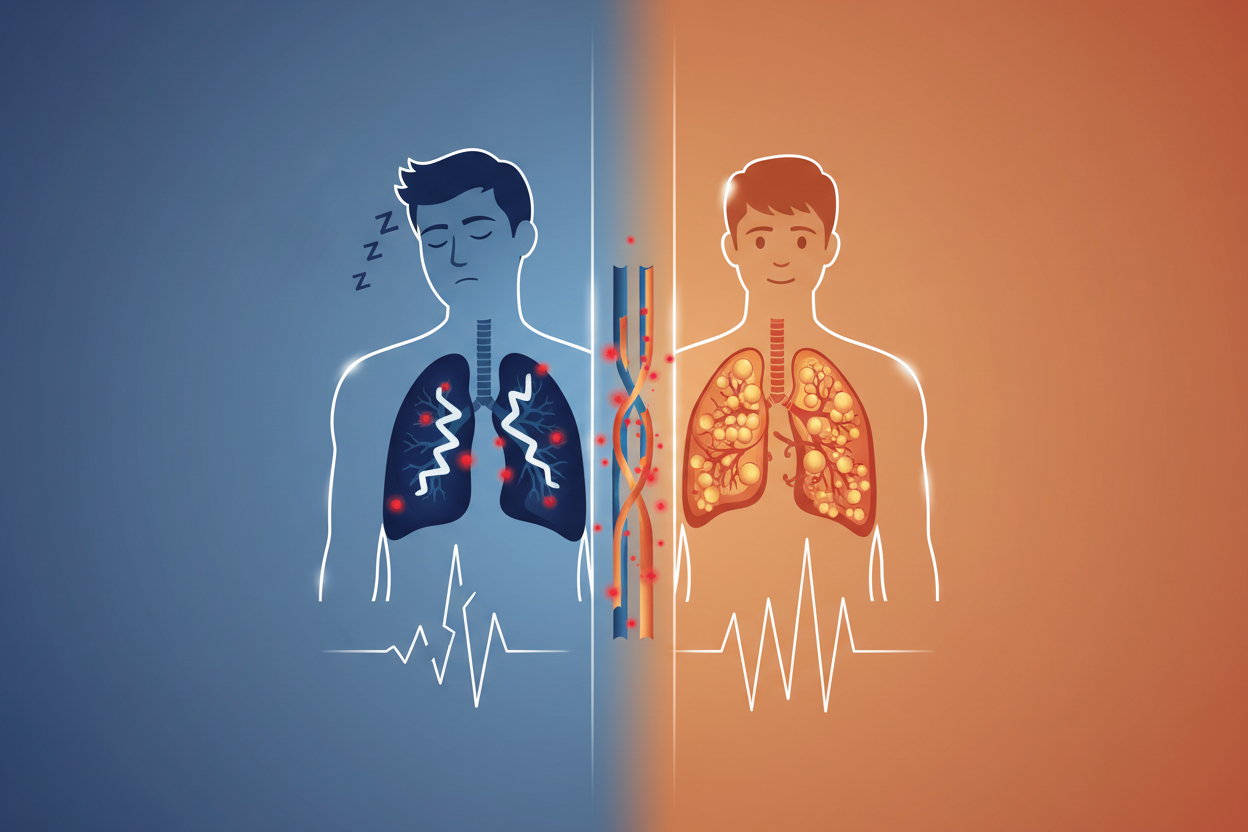
Before diving into remedies, it’s crucial to understand why these conditions often go hand in hand. Sleep apnea involves repeated breathing interruptions during sleep, while COPD encompasses chronic bronchitis and emphysema that make breathing difficult. Both conditions share common risk factors like inflammation, airway obstruction, and compromised respiratory function.
The overlap syndrome, where both conditions occur together, affects approximately 1% of the general population but significantly impacts sleep quality and overall health. This is why many natural remedies that help one condition often benefit the other.
Weight Management and Dietary Approaches
Maintaining a healthy weight stands as one of the most effective natural interventions for both sleep apnea and COPD. Even a 10% reduction in body weight can lead to meaningful improvements in sleep apnea severity. For COPD patients, excess weight puts additional strain on already compromised lungs.
The Mediterranean diet has shown particular promise for respiratory health. Rich in anti-inflammatory foods like olive oil, fish, nuts, and fresh vegetables, this eating pattern helps reduce systemic inflammation that contributes to both conditions. Studies indicate that people following Mediterranean-style diets experience fewer COPD exacerbations and improved sleep quality.
Timing your meals also matters significantly. Eating large meals within three hours of bedtime can worsen sleep apnea by increasing abdominal pressure on the diaphragm. Instead, try having your largest meal at lunch and keeping dinner light and early.
Breathing Techniques That Transform Sleep Quality
Proper breathing techniques can dramatically improve symptoms for both conditions. The Buteyko breathing method, developed by Russian physician Konstantin Buteyko, focuses on reducing over-breathing and improving carbon dioxide tolerance. Many practitioners report significant improvements in sleep quality and reduced COPD symptoms after consistent practice.
Diaphragmatic breathing, also called belly breathing, strengthens the primary breathing muscle and improves oxygen efficiency. Practice this technique by lying flat, placing one hand on your chest and another on your belly. Breathe slowly through your nose, ensuring only the hand on your belly rises. This simple exercise, when practiced 10-15 minutes daily, can strengthen respiratory muscles and improve sleep patterns.
The 4-7-8 breathing technique serves as an excellent pre-sleep ritual. Inhale through your nose for 4 counts, hold for 7 counts, then exhale through your mouth for 8 counts. This pattern activates the parasympathetic nervous system, promoting relaxation and better sleep onset.
Sleep Position Optimization
Your sleeping position plays a crucial role in managing both sleep apnea and COPD symptoms. Sleeping on your back often worsens sleep apnea by allowing the tongue and soft tissues to collapse backward, blocking the airway. Side sleeping, particularly on your left side, can significantly reduce apnea episodes.
For COPD patients, elevating the head of the bed by 6-8 inches can ease breathing by reducing pressure on the lungs and improving drainage of secretions. Some people find success with wedge pillows or adjustable beds that allow for customized positioning throughout the night.
The recovery position, lying on your side with your top leg bent and pulled toward your chest, can be particularly beneficial for those with both conditions. This position keeps airways open while reducing the work of breathing.
Herbal Remedies with Scientific Backing
Several herbs have demonstrated genuine benefits for respiratory health. Eucalyptus contains compounds that help open airways and reduce inflammation. You can use eucalyptus essential oil in a diffuser or add a few drops to hot water for steam inhalation before bed.
Ginger’s anti-inflammatory properties make it valuable for both conditions. Regular consumption of ginger tea or adding fresh ginger to meals can help reduce airway inflammation and improve overall respiratory function. Research suggests that ginger’s active compounds help relax airway smooth muscles.
Turmeric, with its powerful anti-inflammatory compound curcumin, shows promise in reducing the chronic inflammation associated with COPD. Adding turmeric to warm milk before bed not only provides anti-inflammatory benefits but also promotes better sleep through its mild sedative properties.
Environmental Modifications for Better Breathing
Creating an optimal sleep environment can significantly impact both sleep apnea and COPD symptoms. Maintaining humidity levels between 40-50% helps keep airways moist and reduces irritation. Dry air can worsen COPD symptoms and make sleep apnea more severe by causing nasal congestion.
Air purifiers with HEPA filters can remove allergens, dust, and other irritants that trigger respiratory symptoms. Pay particular attention to your bedroom, ensuring it’s free from dust mites, pet dander, and other common triggers.
Temperature control also matters more than you might think. Keeping your bedroom between 65-68 degrees Fahrenheit promotes better sleep quality and reduces the likelihood of airway inflammation that can worsen both conditions.
Physical Activity and Exercise Strategies
Regular physical activity strengthens respiratory muscles and improves overall lung function. For people with both conditions, pulmonary rehabilitation exercises can be particularly beneficial. These include pursed-lip breathing exercises, arm and leg strengthening, and cardiovascular conditioning appropriate for your fitness level.
Yoga combines physical movement with breathing exercises, making it ideal for managing both sleep apnea and COPD. Specific poses like the supported fish pose and legs-up-the-wall pose can help open airways and promote relaxation before sleep.
Swimming provides excellent cardiovascular exercise while the humid environment of pools can be easier on sensitive airways. The horizontal position during swimming also helps strengthen breathing muscles without putting excessive strain on the respiratory system.
Stress Management and Relaxation Techniques
Chronic stress worsens both sleep apnea and COPD by increasing inflammation and disrupting sleep patterns. Progressive muscle relaxation, where you systematically tense and release muscle groups, can help prepare your body for restful sleep while reducing overall stress levels.
Meditation and mindfulness practices have shown measurable benefits for people with respiratory conditions. Even 10 minutes of daily meditation can help reduce anxiety about breathing difficulties and improve overall sleep quality.
Aromatherapy with lavender essential oil has been scientifically proven to improve sleep quality and reduce anxiety. Use a few drops on your pillow or in a diffuser to create a calming bedtime atmosphere.
Hydration and Mucus Management
Proper hydration helps thin mucus secretions, making them easier to clear from airways. This is particularly important for COPD patients who often struggle with thick, sticky mucus. Aim for 8-10 glasses of water daily, but avoid excessive fluids close to bedtime to prevent sleep disruptions.
Warm liquids like herbal teas can be especially beneficial. Chamomile tea promotes relaxation and sleep, while peppermint tea can help open airways. Avoid caffeinated beverages after 2 PM to prevent sleep interference.
Steam inhalation before bed can help loosen mucus and open airways. Add a drop of eucalyptus or peppermint essential oil to hot water, cover your head with a towel, and breathe the steam for 5-10 minutes.
Supplement Support for Respiratory Health
Certain supplements have shown promise in supporting respiratory health. Magnesium helps relax airway smooth muscles and can improve sleep quality. Many people with sleep apnea and COPD are deficient in this essential mineral.
Vitamin D deficiency is common in people with respiratory conditions and supplementation may help improve lung function and reduce inflammation. However, always consult with your healthcare provider before starting any supplement regimen.
Omega-3 fatty acids from fish oil supplements can help reduce the chronic inflammation associated with both conditions. Studies suggest that regular omega-3 supplementation may help improve lung function and reduce COPD exacerbations.
Creating Your Personal Natural Remedy Plan
The key to success with natural remedies lies in consistency and patience. Start by implementing one or two strategies that feel most manageable, then gradually add others as they become routine. Keep a sleep and symptom diary to track which remedies provide the most benefit for your specific situation.
Remember that natural remedies work best as complementary treatments alongside your prescribed medical therapies. Never discontinue prescribed medications without consulting your healthcare provider, and always discuss new remedies with your medical team to ensure they won’t interfere with existing treatments.
Some people see improvements within days, while others may need several weeks of consistent practice to notice significant changes. The most successful approach combines multiple strategies tailored to your specific needs and lifestyle.
When to Seek Additional Medical Support
While natural remedies can provide significant relief, certain symptoms require immediate medical attention. If you experience worsening shortness of breath, chest pain, or significant changes in your sleep patterns, contact your healthcare provider promptly.
Regular follow-ups with your medical team remain essential, even when natural remedies are helping. Your doctor can monitor your progress, adjust medications as needed, and ensure that natural approaches are supporting rather than interfering with your overall treatment plan.
Managing sleep apnea and COPD naturally requires patience, consistency, and a willingness to experiment with different approaches. The remedies outlined here have helped countless individuals breathe easier and sleep better, but your journey will be unique. Start with the strategies that resonate most with you, stay consistent with your efforts, and remember that small, gradual improvements often lead to significant long-term benefits. With the right combination of natural remedies and medical care, better sleep and easier breathing are absolutely achievable goals.
Take Control of Your Nighttime Breathing
Don’t let sleep apnea silently accelerate your lung disease. Discover the natural breathing protocol that thousands of respiratory patients are using to restore healthy sleep patterns and protect their lung function.
