

The Power of Pursed Lips: Ancient Breathing Wisdom for Modern Sleep Problems
In our fast-paced digital world, quality sleep has become as elusive as a peaceful moment without notifications. While we’ve advanced tremendously in technology and medicine, sometimes the most effective solutions come from ancient practices that have stood the test of time. One such technique that’s gaining renewed attention is pursed lip breathing – a simple yet powerful method that can transform your sleep quality naturally.
If you’ve ever watched a sleeping baby or observed how naturally calm people breathe, you’ve witnessed the instinctive wisdom of controlled breathing. Ancient cultures understood what modern science is now proving: the way we breathe directly impacts our ability to relax, unwind, and achieve restorative sleep.
Understanding Pursed Lip Breathing: More Than Just Hot Air
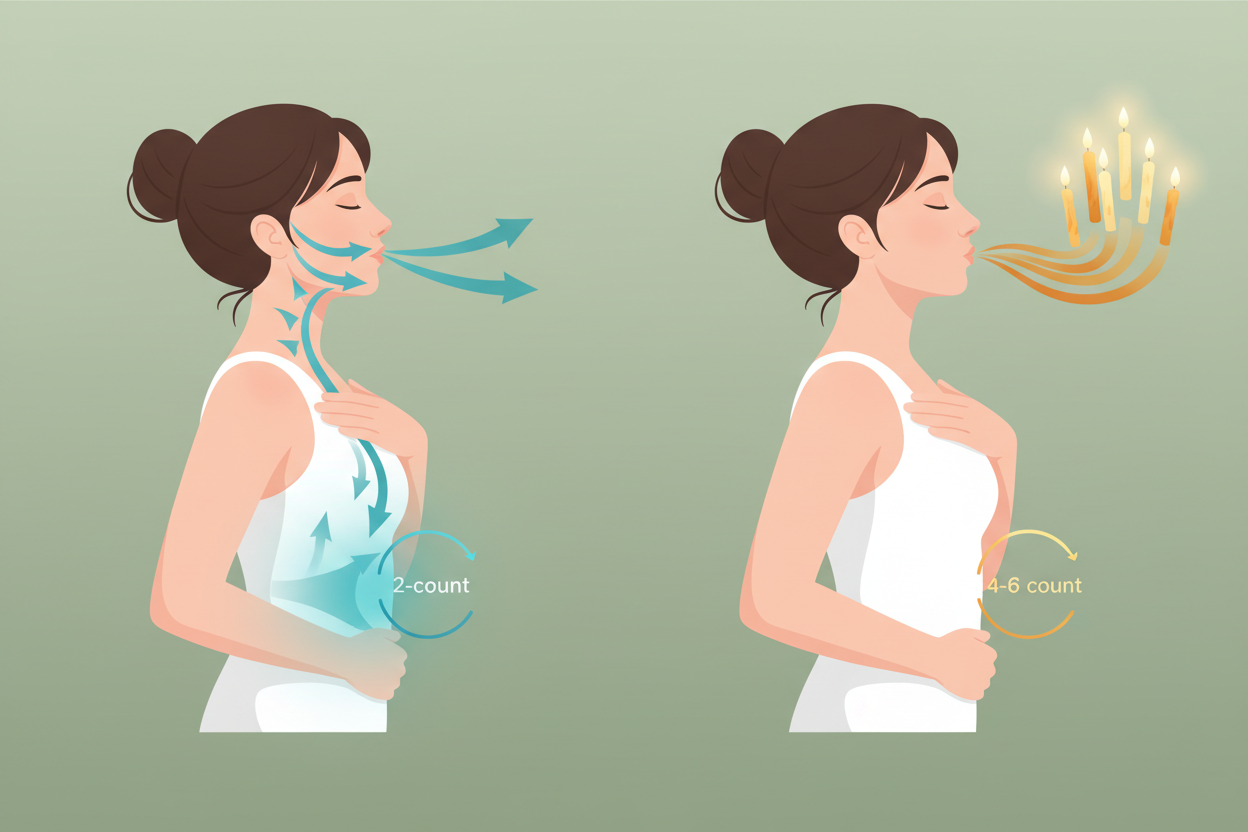
Pursed lip breathing is exactly what it sounds like – breathing through lips that are slightly puckered, as if you’re about to whistle or blow out a candle gently. This technique creates a natural resistance to airflow, which serves multiple physiological purposes that directly benefit sleep quality.
The practice involves inhaling slowly through your nose for about two counts, then exhaling through pursed lips for four to six counts. This extended exhale is where the magic happens. By creating back-pressure in your airways, you’re essentially giving your respiratory system a gentle workout while simultaneously activating your body’s relaxation response.
What makes this technique particularly fascinating is its simplicity. Unlike complex meditation practices or expensive sleep aids, pursed lip breathing requires nothing more than your awareness and willingness to slow down. It’s a tool that travels with you everywhere, costs nothing, and can be implemented immediately.

The Ancient Roots of Breathing for Better Sleep
Long before sleep clinics and melatonin supplements, ancient civilizations recognized the profound connection between breath and rest. Traditional Chinese Medicine practitioners have used breathing techniques for over 4,000 years, understanding that controlled breathing patterns could influence the flow of qi (life energy) and promote deeper sleep.
In India, pranayama – the practice of breath control in yoga – has been helping people achieve better sleep for millennia. The Sanskrit word itself means “extension of life force,” highlighting how seriously these cultures took the power of intentional breathing. Ancient yogis developed specific breathing patterns designed to calm the nervous system and prepare the mind for rest.
Indigenous cultures across the Americas also incorporated rhythmic breathing into their evening rituals, often combining it with storytelling or quiet reflection. These practices weren’t just spiritual exercises; they were practical tools for managing the transition from the activity of day to the stillness of night.
What’s remarkable is how these diverse cultures, separated by geography and time, all arrived at similar conclusions about the importance of controlled breathing for quality rest. This convergence suggests something fundamental about human physiology that modern sleep science is only beginning to fully understand.
The Science Behind Pursed Lip Breathing and Sleep Quality
Modern research has validated what ancient practitioners intuitively knew. When we practice pursed lip breathing, several physiological changes occur that directly support better sleep. The extended exhale activates the parasympathetic nervous system – our body’s “rest and digest” mode – while simultaneously reducing activity in the sympathetic nervous system responsible for our “fight or flight” responses.
Studies have shown that controlled breathing techniques like pursed lip breathing can reduce cortisol levels, the stress hormone that often keeps us tossing and turning at night. Lower cortisol means less mental chatter, reduced physical tension, and a more natural progression into sleep cycles.
The technique also improves oxygen exchange efficiency. By slowing down the breathing rate and creating gentle back-pressure, pursed lip breathing helps keep airways open longer, allowing for more complete oxygen absorption and carbon dioxide release. This improved gas exchange can lead to better sleep quality and fewer nighttime awakenings.
Neurologically, the rhythmic nature of pursed lip breathing has a meditative effect on the brain. The focused attention required to maintain the breathing pattern helps quiet the default mode network – the brain regions associated with mind-wandering and rumination that often interfere with falling asleep.
How to Practice Pursed Lip Breathing for Better Sleep
Learning pursed lip breathing is straightforward, but like any skill, it improves with practice. Start by finding a comfortable position, either sitting on the edge of your bed or lying down with your head slightly elevated. Place one hand on your chest and another on your belly to help monitor your breathing pattern.
Begin by breathing in slowly through your nose for about two counts, allowing your belly to rise while keeping your chest relatively still. This ensures you’re engaging your diaphragm rather than taking shallow chest breaths. Then, purse your lips as if you’re about to blow out a birthday candle, and exhale slowly and steadily for four to six counts.
The key is making your exhale longer than your inhale. This extended exhale is what triggers the relaxation response. Don’t force the breath or create tension; instead, think of it as gently releasing air through a small opening. Some people find it helpful to imagine they’re fogging up a window or cooling down hot soup.
Practice this technique for 5-10 minutes initially, gradually working up to 15-20 minutes as you become more comfortable. The beauty of pursed lip breathing is that you can practice it anywhere – while watching television, reading, or as part of your bedtime routine.
Integrating Ancient Breathing Wisdom into Modern Sleep Routines
The challenge for many people isn’t learning the technique itself, but remembering to use it consistently. Creating a structured bedtime routine that incorporates pursed lip breathing can help establish this healthy habit. Consider starting your breathing practice about 30 minutes before you want to fall asleep, giving your nervous system time to shift into relaxation mode.
You might combine pursed lip breathing with other calming activities like gentle stretching, reading, or listening to soft music. The goal is to create a wind-down ritual that signals to your body and mind that it’s time to prepare for rest. Some people find it helpful to dim the lights during their breathing practice, further supporting their circadian rhythm.
For those dealing with racing thoughts at bedtime, pursed lip breathing can serve as an anchor for attention. When your mind starts spiraling through tomorrow’s to-do list or replaying the day’s events, returning focus to your breath provides a gentle way to redirect mental energy toward relaxation.
Technology can actually support this ancient practice in modern ways. There are apps that provide visual breathing guides or gentle audio cues to help maintain rhythm. However, the goal should eventually be to practice independently, without relying on external devices that might interfere with your sleep environment.
Beyond Sleep: Additional Benefits of Pursed Lip Breathing
While improved sleep quality is often the primary motivation for learning pursed lip breathing, the benefits extend far beyond nighttime rest. Regular practitioners often report reduced anxiety levels throughout the day, better emotional regulation, and improved focus during work or study sessions.
The technique can be particularly helpful for managing stress in real-time. Unlike other stress-reduction methods that require specific environments or extended time commitments, pursed lip breathing can be done discreetly in meetings, while commuting, or during any moment when you need to center yourself.
For people with certain respiratory conditions, pursed lip breathing can improve lung function and reduce shortness of breath. While it’s not a replacement for medical treatment, many healthcare providers recommend it as a complementary practice for managing chronic obstructive pulmonary disease (COPD) and other breathing-related conditions.
The mindfulness aspect of the practice also contributes to overall well-being. Taking time each day to focus intentionally on your breath creates moments of presence and awareness that can improve your relationship with stress, emotions, and daily challenges.
Overcoming Common Challenges and Misconceptions
Some people initially worry that pursed lip breathing might feel unnatural or forced. This is completely normal, especially if you’re accustomed to rapid, shallow breathing patterns. The key is starting gently and allowing your body to gradually adapt to slower, more controlled breathing rhythms.
Others concern themselves with “doing it wrong,” but pursed lip breathing is quite forgiving. As long as you’re creating some resistance with your lips and making your exhale longer than your inhale, you’re on the right track. Perfect technique is less important than consistent practice and finding a rhythm that feels sustainable for you.
If you experience dizziness or lightheadedness when first practicing, you’re likely breathing too deeply or too quickly. Slow down the pace and reduce the depth of your breaths until you feel comfortable. Remember, this should feel relaxing, not effortful.
Some people worry that focusing on breathing will actually keep them awake rather than helping them sleep. While it’s true that any new practice requires some mental attention initially, most people find that pursed lip breathing becomes automatic with practice, requiring less conscious effort over time.
Conclusion: Breathing Your Way to Better Sleep
In our search for better sleep, we often overlook the most fundamental and accessible tool we possess – our breath. Pursed lip breathing represents a beautiful intersection of ancient wisdom and modern understanding, offering a natural, cost-effective solution to one of our most common health challenges.
The technique’s power lies not in its complexity, but in its simplicity. By slightly adjusting how we breathe, we can influence our nervous system, reduce stress hormones, and create the physiological conditions necessary for restorative sleep. This isn’t magic – it’s biology working in our favor when we provide the right conditions.
As you begin incorporating pursed lip breathing into your evening routine, remember that consistency matters more than perfection. Like any skill, it improves with practice, and the benefits compound over time. Start small, be patient with yourself, and trust in the wisdom of a practice that has been helping humans find peace and rest for thousands of years.
Your breath is always with you, ready to serve as a bridge between the chaos of daily life and the tranquility of restful sleep. In a world full of complex solutions, sometimes the most profound healing comes from returning to the basics – and there’s nothing more basic, or more powerful, than the simple act of breathing with intention.
Take Control of Your Nighttime Breathing
Don’t let sleep apnea silently accelerate your lung disease. Discover the natural breathing protocol that thousands of respiratory patients are using to restore healthy sleep patterns and protect their lung function.
