
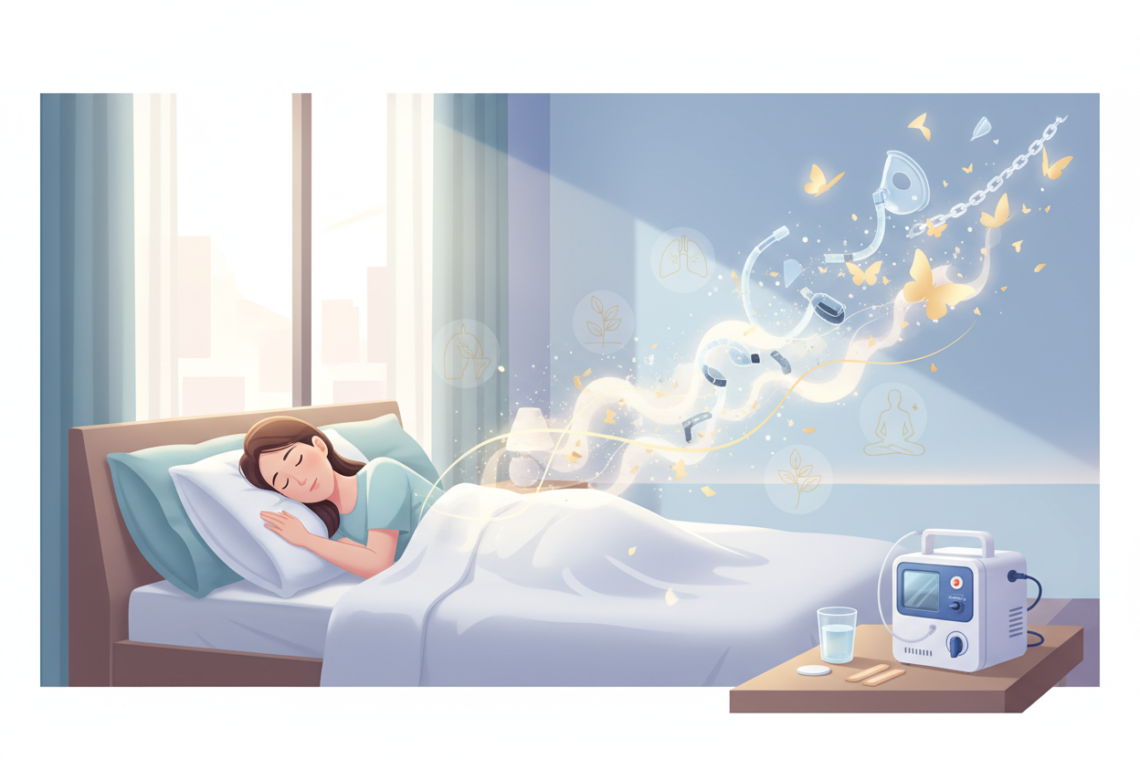
Breaking Free from CPAP: Alternative Hypoxemia Treatment Methods
If you’ve been diagnosed with sleep apnea or chronic hypoxemia, chances are your doctor mentioned CPAP therapy as the gold standard treatment. While CPAP machines have helped millions of people breathe better at night, they’re not the perfect solution for everyone. The bulky equipment, uncomfortable masks, and constant noise can make some people feel like they’re trading one problem for another.
The good news? You’re not stuck with CPAP as your only option. Medical advances and alternative approaches have opened up a world of possibilities for treating hypoxemia and sleep-related breathing disorders. Whether you’re CPAP-intolerant, looking for a more convenient solution, or simply exploring your options, this comprehensive guide will walk you through proven alternatives that could transform your sleep and overall health.
Understanding Hypoxemia and Sleep Apnea
Before diving into alternatives, it’s crucial to understand what we’re treating. Hypoxemia occurs when your blood oxygen levels drop below normal ranges, typically below 90%. During sleep, this often happens due to obstructive sleep apnea, where your airway repeatedly collapses, blocking airflow and causing oxygen saturation to plummet.
Traditional CPAP therapy works by delivering continuous positive airway pressure, essentially forcing your airway to stay open. While effective, studies show that up to 50% of patients struggle with CPAP compliance due to discomfort, claustrophobia, or lifestyle factors. This is where alternative treatments shine, offering personalized solutions that fit different needs and preferences.
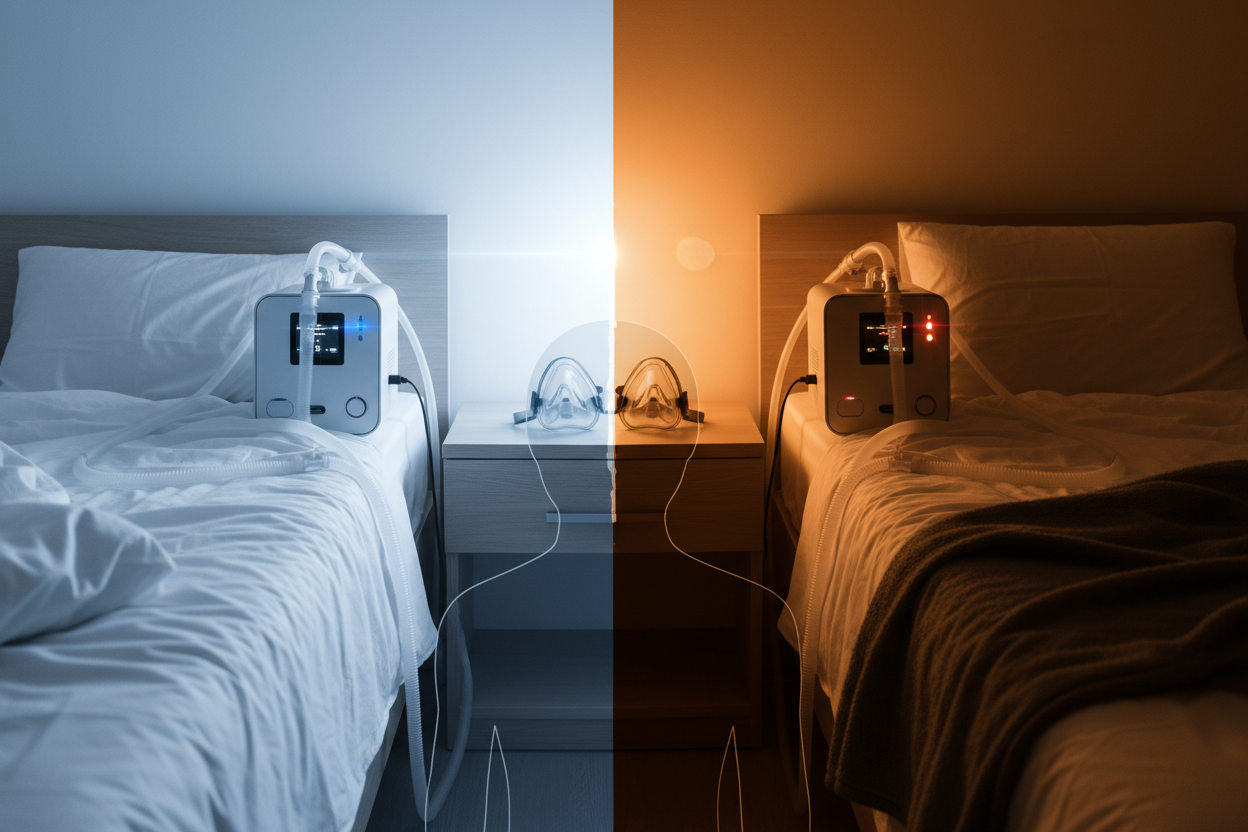
Oral Appliance Therapy: A Comfortable Alternative
Oral appliances have emerged as one of the most popular CPAP alternatives, and for good reason. These custom-fitted devices look similar to sports mouthguards but are specifically designed to keep your airway open during sleep. They work by either advancing your lower jaw forward or holding your tongue in a specific position.
The mandibular advancement device (MAD) is the most common type, gently moving your jaw forward to prevent airway collapse. Many patients find these devices significantly more comfortable than CPAP masks, and they’re perfect for travel. Clinical studies demonstrate that oral appliances can reduce sleep apnea severity by 50-70% in many patients, making them an FDA-approved treatment option.
The fitting process involves working with a sleep dentist who takes detailed impressions of your teeth and jaw structure. While the initial adjustment period might take a few weeks, most patients report better sleep quality and improved daytime alertness. The main considerations include potential jaw discomfort initially and the need for regular dental check-ups to ensure proper fit.
Positional Therapy and Sleep Optimization
Sometimes the simplest solutions are the most effective. Positional therapy addresses the fact that many people experience worse sleep apnea when sleeping on their backs. Gravity causes the tongue and soft tissues to fall backward, increasing airway obstruction. For those with position-dependent sleep apnea, changing sleep position can dramatically reduce symptoms.
Modern positional therapy goes beyond the old “tennis ball sewn into a shirt” method. Wearable devices now use gentle vibrations to encourage side sleeping without fully waking you up. These smart devices learn your sleep patterns and provide feedback to help maintain optimal positioning throughout the night.
Creating an optimal sleep environment also plays a crucial role in managing hypoxemia. Elevating your head by 30-60 degrees can help keep airways open, while maintaining proper humidity levels prevents airway drying and irritation. Some patients find that combining positional therapy with other treatments creates a comprehensive approach that eliminates the need for CPAP entirely.
Surgical Interventions for Long-term Solutions
For those seeking a permanent solution to sleep apnea and hypoxemia, surgical options have evolved significantly in recent years. These procedures aim to remove or modify the anatomical structures causing airway obstruction, potentially eliminating the need for ongoing treatment devices.
Upper airway stimulation therapy represents one of the most exciting surgical advances. This FDA-approved procedure involves implanting a small device that stimulates the hypoglossal nerve, which controls tongue movement. The device monitors your breathing patterns and delivers gentle stimulation to keep your airway open during sleep. Clinical trials show impressive results, with many patients experiencing significant improvements in both sleep quality and oxygen levels.
Traditional surgical options include uvulopalatopharyngoplasty (UPPP), which removes excess tissue from the throat, and maxillomandibular advancement, which repositions the jaw bones to enlarge the airway. While more invasive, these procedures can provide lasting results for carefully selected candidates. The key is working with an experienced sleep surgeon who can evaluate your specific anatomy and recommend the most appropriate approach.
Weight Management and Lifestyle Modifications
The connection between weight and sleep apnea cannot be overstated. Excess weight, particularly around the neck and throat area, significantly increases the risk of airway obstruction. For many patients, sustainable weight loss can reduce or even eliminate sleep apnea symptoms, making it one of the most powerful non-invasive treatments available.
Even modest weight loss of 10-15% can lead to meaningful improvements in sleep apnea severity. The challenge lies in achieving and maintaining weight loss, especially when sleep deprivation itself can disrupt hormones that regulate hunger and metabolism. This creates a cycle where poor sleep leads to weight gain, which worsens sleep quality.
Successful weight management for sleep apnea patients often requires a multidisciplinary approach. Working with nutritionists, exercise physiologists, and sleep specialists can help break the cycle of poor sleep and weight gain. Some patients find that addressing sleep issues first with temporary treatments makes it easier to lose weight, which then allows them to reduce or eliminate their dependence on sleep apnea devices.
Breathing Exercises and Myofunctional Therapy
Your airway muscles, like any other muscles in your body, can be strengthened and trained. Myofunctional therapy focuses on exercises that target the tongue, throat, and facial muscles involved in breathing and swallowing. These exercises can help reduce the severity of sleep apnea by improving muscle tone and coordination.
Specific exercises might include tongue positioning drills, throat muscle strengthening, and breathing pattern training. While it sounds simple, research shows that consistent myofunctional therapy can reduce sleep apnea severity by up to 50% in some patients. The key is working with a trained therapist who can design a personalized exercise program based on your specific needs.
Breathing exercises extend beyond muscle strengthening to include techniques that optimize oxygen utilization and reduce stress. Methods like the Buteyko breathing technique focus on nasal breathing and can help improve overall respiratory function. Many patients find that combining these exercises with other treatments enhances their effectiveness and provides better long-term outcomes.
Emerging Technologies and Future Treatments
The field of sleep medicine continues to evolve rapidly, with new technologies offering hope for even better treatment options. Wearable devices now provide detailed sleep monitoring, allowing for personalized treatment adjustments based on real-time data. Some of these devices can even provide gentle interventions during sleep to prevent apnea episodes before they occur.
Gene therapy and pharmaceutical interventions are also showing promise in clinical trials. Researchers are investigating medications that could strengthen airway muscles or modify the neural control of breathing during sleep. While these treatments are still in development, they represent the potential for simple, non-invasive solutions in the future.
Combination therapies are becoming increasingly popular, where multiple treatment modalities are used together for enhanced effectiveness. For example, combining oral appliance therapy with positional devices, or using weight loss programs alongside myofunctional therapy, can provide better results than any single treatment alone.
Making the Right Choice for Your Situation
Choosing the best alternative to CPAP depends on multiple factors including the severity of your condition, your anatomy, lifestyle preferences, and overall health status. What works brilliantly for one person might not be suitable for another, which is why personalized evaluation is so important.
Start by having an honest conversation with your sleep specialist about your concerns with CPAP and your treatment goals. Many doctors are now more open to discussing alternatives, especially as the evidence supporting these treatments continues to grow. Don’t be afraid to seek a second opinion or consult with specialists who focus specifically on CPAP alternatives.
Consider your lifestyle and long-term preferences when evaluating options. If you travel frequently, oral appliances might be more practical than surgical interventions. If you’re committed to making significant lifestyle changes, weight management and exercise programs might be your best bet. The most successful treatment is often the one you can stick with consistently over time.
Conclusion
Breaking free from CPAP doesn’t mean compromising on your health or sleep quality. The landscape of hypoxemia and sleep apnea treatment has expanded dramatically, offering viable alternatives that can fit virtually any lifestyle or preference. From comfortable oral appliances to innovative surgical procedures, from lifestyle modifications to emerging technologies, you have more options than ever before.
The key to success lies in working with knowledgeable healthcare providers who understand the full spectrum of treatment options and can help you navigate toward the best solution for your unique situation. Remember that treating sleep apnea and hypoxemia is not just about getting better sleep – it’s about protecting your long-term health, improving your quality of life, and ensuring you can live each day to its fullest potential.
Take the time to explore your options, ask questions, and advocate for the treatment approach that feels right for you. Your journey to better sleep and improved health doesn’t have to include a CPAP machine if that’s not the right fit. With persistence and the right support, you can find an alternative solution that works beautifully for your life.
Take Control of Your Nighttime Breathing
Don’t let sleep apnea silently accelerate your lung disease. Discover the natural breathing protocol that thousands of respiratory patients are using to restore healthy sleep patterns and protect their lung function.
