
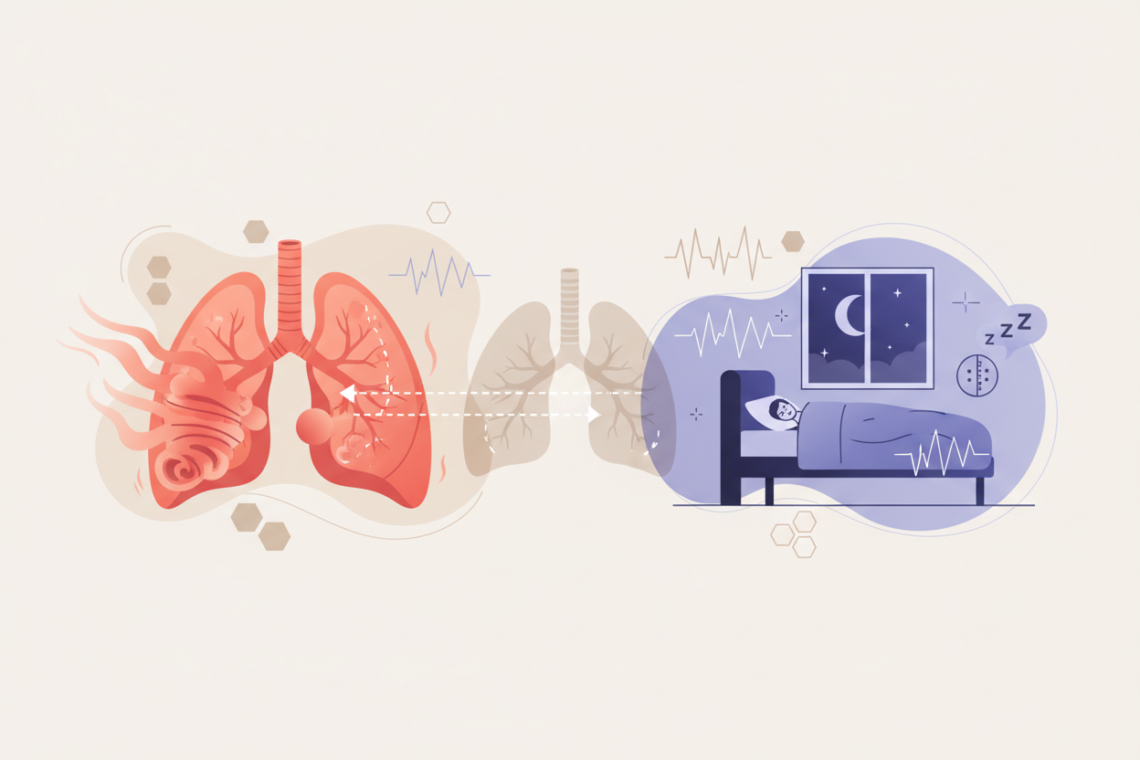
Bronchitis and Sleep Apnea: Understanding the Dangerous Partnership
When you’re lying awake at 3 AM, struggling to breathe while your chest feels tight and congested, you might not realize you’re dealing with more than just one condition. The relationship between bronchitis and sleep apnea creates a perfect storm that can significantly impact your health and quality of life. Understanding how these two conditions interact isn’t just academic knowledge – it’s crucial information that could help you breathe easier and sleep better.
Both bronchitis and sleep apnea affect your respiratory system, but their combined impact goes far beyond simple breathing difficulties. This dangerous partnership can create a cycle where each condition makes the other worse, leading to serious complications if left untreated. Let’s explore how these conditions work together and what you can do to break this harmful cycle.

What Is Bronchitis and How Does It Affect Your Airways?
Bronchitis occurs when the lining of your bronchial tubes becomes inflamed and swollen. These tubes carry air to and from your lungs, so when they’re irritated, your body responds by producing excess mucus to protect the airways. This creates the characteristic symptoms we all recognize: persistent coughing, chest tightness, and difficulty breathing.
There are two main types of bronchitis that can interact with sleep apnea. Acute bronchitis typically develops from a viral infection and usually resolves within a few weeks. However, chronic bronchitis is a long-term condition often caused by smoking or prolonged exposure to irritants. This persistent form of bronchitis creates ongoing inflammation that never fully heals, making your airways constantly vulnerable.
The inflammation from bronchitis doesn’t just affect your daytime breathing. When you lie down at night, gravity changes how mucus settles in your airways, and the relaxation of throat muscles during sleep can make breathing even more challenging. This sets the stage for sleep apnea to become a more serious problem.
Understanding Sleep Apnea: More Than Just Loud Snoring
Sleep apnea is a serious sleep disorder where your breathing repeatedly stops and starts during sleep. While many people think it’s just about snoring, the reality is much more concerning. These breathing interruptions can occur dozens or even hundreds of times per night, preventing you from getting the restorative sleep your body needs.
The most common form is obstructive sleep apnea, which happens when the muscles in the back of your throat relax too much during sleep. This causes your airway to narrow or close completely, blocking airflow. Your brain eventually notices the lack of oxygen and briefly wakes you up to restart breathing, though you might not remember these wake-ups in the morning.
When you already have compromised airways from bronchitis, the normal relaxation of throat muscles during sleep becomes even more problematic. The inflammation and excess mucus from bronchitis can make your airways more likely to collapse, turning mild sleep apnea into a severe condition.
The Vicious Cycle: How Bronchitis and Sleep Apnea Feed Each Other
The relationship between bronchitis and sleep apnea creates what medical professionals call a “vicious cycle.” Each condition makes the other worse, creating a downward spiral that can be difficult to break without proper intervention.
When you have bronchitis, the inflammation in your airways makes them more sensitive and prone to collapse during sleep. The excess mucus production can partially block your airways, making obstructive sleep apnea episodes more frequent and severe. You might find yourself waking up gasping for air more often, or your partner might notice that your snoring has become worse.
Sleep apnea, in turn, makes bronchitis harder to recover from. The repeated oxygen deprivation during sleep apnea episodes puts stress on your entire respiratory system. Your body struggles to heal the inflamed bronchial tubes when it’s constantly dealing with interrupted breathing patterns and poor sleep quality.
The lack of quality sleep also weakens your immune system, making it harder for your body to fight off the infections or irritants that may have caused your bronchitis in the first place. This means your bronchitis symptoms can persist longer and may be more severe than they would be otherwise.
Recognizing the Warning Signs of This Dangerous Combination
Identifying when bronchitis and sleep apnea are working together can be challenging because many symptoms overlap. However, there are specific warning signs that suggest you’re dealing with both conditions simultaneously.
During the day, you might notice that your bronchitis symptoms seem unusually severe or aren’t improving as expected. You may feel more fatigued than typical bronchitis would cause, experience morning headaches, or find yourself falling asleep during normal activities. Your concentration might be poor, and you could feel irritable or moody.
Nighttime symptoms are equally telling. Beyond the obvious coughing and congestion from bronchitis, you might experience more severe snoring, gasping or choking during sleep, or frequent nighttime awakenings. Your partner might report that your breathing seems to stop periodically during the night, followed by loud gasps or snorts.
One particularly concerning sign is if you wake up feeling like you haven’t slept at all, despite spending adequate time in bed. This suggests that your sleep quality is being severely disrupted by the combination of breathing difficulties from both conditions.
Health Risks and Complications You Can’t Ignore
The partnership between bronchitis and sleep apnea isn’t just uncomfortable – it can lead to serious health complications that extend far beyond respiratory issues. Understanding these risks helps emphasize why seeking treatment is so important.
Cardiovascular complications are among the most serious concerns. Sleep apnea puts tremendous strain on your heart and blood vessels due to repeated drops in oxygen levels. When combined with the stress that bronchitis places on your respiratory system, this can increase your risk of high blood pressure, heart attack, stroke, and irregular heart rhythms.
Your immune system also takes a significant hit from this combination. Poor sleep quality from sleep apnea impairs your body’s ability to fight infections, while chronic bronchitis creates ongoing inflammation that taxes your immune resources. This can make you more susceptible to other respiratory infections and may slow your recovery from bronchitis.
Mental health effects shouldn’t be overlooked either. The chronic fatigue, poor sleep quality, and breathing difficulties can contribute to depression and anxiety. Many people find that their quality of life deteriorates significantly when dealing with both conditions simultaneously.
Treatment Strategies That Address Both Conditions
Successfully managing the combination of bronchitis and sleep apnea requires a comprehensive approach that addresses both conditions simultaneously. Working with healthcare providers who understand this relationship is crucial for developing an effective treatment plan.
For immediate bronchitis management, your doctor might prescribe bronchodilators to open your airways, anti-inflammatory medications to reduce swelling, or antibiotics if a bacterial infection is present. However, when sleep apnea is also involved, these treatments need to be coordinated with sleep apnea therapies.
Continuous Positive Airway Pressure (CPAP) therapy is often the gold standard for sleep apnea treatment, and it can actually help with bronchitis symptoms too. By keeping your airways open during sleep, CPAP reduces the work your respiratory system has to do and can help prevent the worsening of bronchitis symptoms overnight.
Some people find that using a humidifier with their CPAP machine helps thin mucus secretions from bronchitis, making breathing easier. However, it’s important to keep CPAP equipment clean to prevent bacterial growth that could worsen respiratory symptoms.
Lifestyle Changes That Make a Real Difference
While medical treatments are essential, lifestyle modifications can significantly improve your outcomes when dealing with both bronchitis and sleep apnea. These changes work synergistically with medical treatments to break the vicious cycle between the two conditions.
Sleep position matters more than you might think. Elevating your head and upper body can help reduce mucus pooling in your airways and decrease the likelihood of airway collapse during sleep. Many people find that sleeping in a recliner or using a wedge pillow provides relief from both conditions.
Staying hydrated is crucial for managing bronchitis symptoms, as it helps thin mucus secretions. However, timing your fluid intake is important when you have sleep apnea – drinking too much before bed can lead to frequent nighttime awakenings that further disrupt your sleep.
If you smoke, quitting is absolutely essential. Smoking is a major risk factor for both chronic bronchitis and sleep apnea, and continuing to smoke while dealing with both conditions can be particularly dangerous. Even exposure to secondhand smoke should be minimized as much as possible.
Weight management also plays a role, especially for sleep apnea. Excess weight around the neck and throat can increase the likelihood of airway collapse during sleep. While losing weight might be challenging when you’re dealing with fatigue from both conditions, even modest weight loss can make a significant difference.
When to Seek Professional Help
Knowing when to escalate your care is crucial when dealing with the combination of bronchitis and sleep apnea. Some situations require immediate medical attention, while others indicate the need for specialized care or treatment adjustments.
Seek emergency care if you experience severe difficulty breathing, chest pain, high fever, or if you’re coughing up blood. These could indicate serious complications that require immediate treatment. Additionally, if your sleep apnea symptoms suddenly worsen – such as more frequent or longer breathing interruptions – this warrants prompt medical evaluation.
Consider seeing a pulmonologist or sleep specialist if your bronchitis isn’t improving with standard treatment, especially if you’re also experiencing sleep apnea symptoms. These specialists can provide more targeted treatments and help coordinate care between the two conditions.
Regular follow-up appointments become even more important when you’re dealing with both conditions. Your healthcare providers need to monitor how treatments for one condition might be affecting the other and make adjustments as needed.
Breaking the Cycle: Your Path to Better Health
The partnership between bronchitis and sleep apnea doesn’t have to control your life. Understanding how these conditions interact is the first step toward breaking the dangerous cycle they create. With proper medical care, appropriate treatments, and committed lifestyle changes, you can manage both conditions effectively.
Remember that improvement often takes time, especially when dealing with two interconnected conditions. Be patient with the process and maintain open communication with your healthcare team. Track your symptoms, sleep quality, and energy levels to help your doctors understand what’s working and what might need adjustment.
The key to success lies in treating both conditions simultaneously rather than focusing on just one. This comprehensive approach, combined with your commitment to following treatment recommendations and making necessary lifestyle changes, can help you breathe easier and sleep better. Don’t let this dangerous partnership continue to compromise your health – take action today to start your journey toward better respiratory health and restorative sleep.
Take Control of Your Nighttime Breathing
Don’t let sleep apnea silently accelerate your lung disease. Discover the natural breathing protocol that thousands of respiratory patients are using to restore healthy sleep patterns and protect their lung function.
