
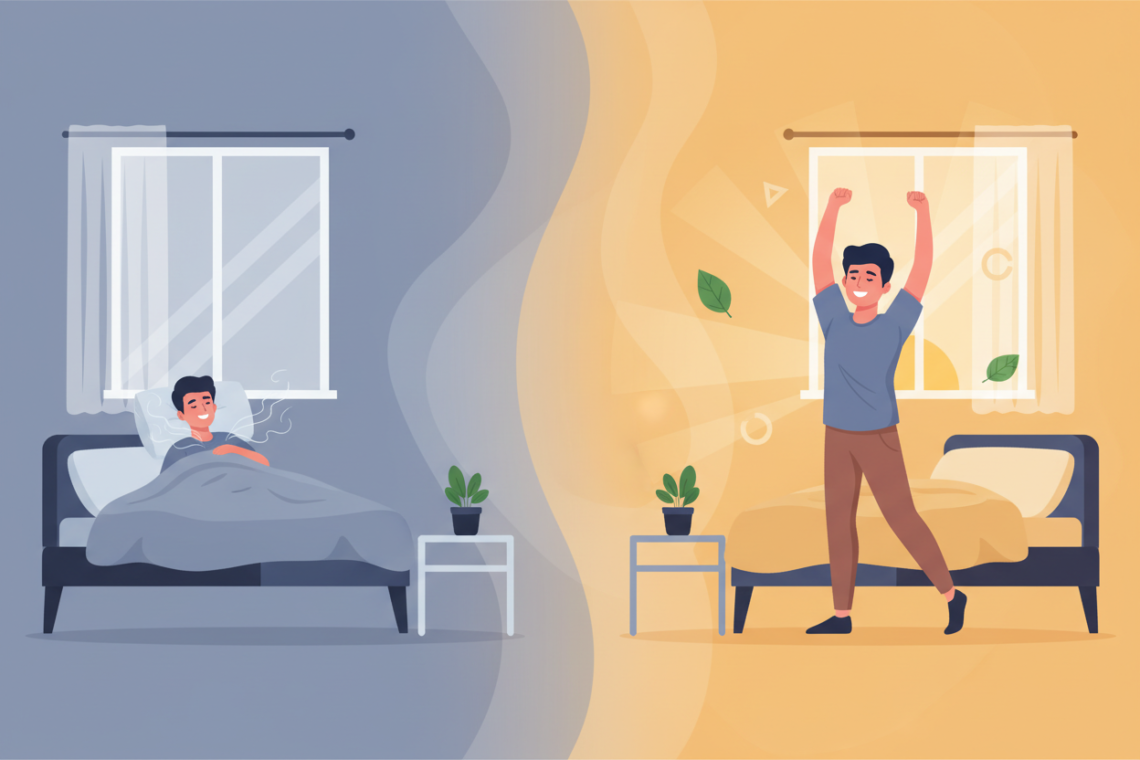
Wake Up Winning: Eliminating Sleep Apnea Morning Headaches Forever
If you’re one of the millions of people who wake up feeling like someone hit you over the head with a sledgehammer, you’re not alone. Those pounding morning headaches might be telling you something important about your sleep quality. When sleep apnea enters the picture, what should be restorative rest becomes a nightly battle that leaves you exhausted and in pain before your day even begins.
Sleep apnea morning headaches are more than just an inconvenience – they’re a red flag that your body isn’t getting the oxygen it needs during sleep. The good news? Understanding the connection between sleep apnea and morning headaches is the first step toward reclaiming your mornings and waking up refreshed instead of defeated.

Understanding the Sleep Apnea and Morning Headache Connection
Sleep apnea doesn’t just disrupt your sleep; it fundamentally changes what happens in your body during those crucial nighttime hours. When your breathing repeatedly stops and starts throughout the night, your brain and body experience a cascade of physiological changes that directly contribute to morning headaches.
The primary culprit is oxygen deprivation. During apnea episodes, your blood oxygen levels drop significantly, forcing your heart to work harder and causing blood vessels in your brain to dilate. This dilation, combined with the buildup of carbon dioxide in your bloodstream, creates the perfect storm for tension headaches that greet you each morning.
Research shows that people with untreated sleep apnea are four times more likely to experience chronic morning headaches compared to those without the condition. These aren’t your typical headaches either – they tend to be more intense, longer-lasting, and resistant to over-the-counter pain medications.
Recognizing Sleep Apnea Morning Headache Symptoms
Not all morning headaches are created equal, and sleep apnea headaches have distinct characteristics that set them apart from other types of head pain. Learning to identify these specific symptoms can help you determine whether sleep apnea might be the underlying cause of your morning misery.
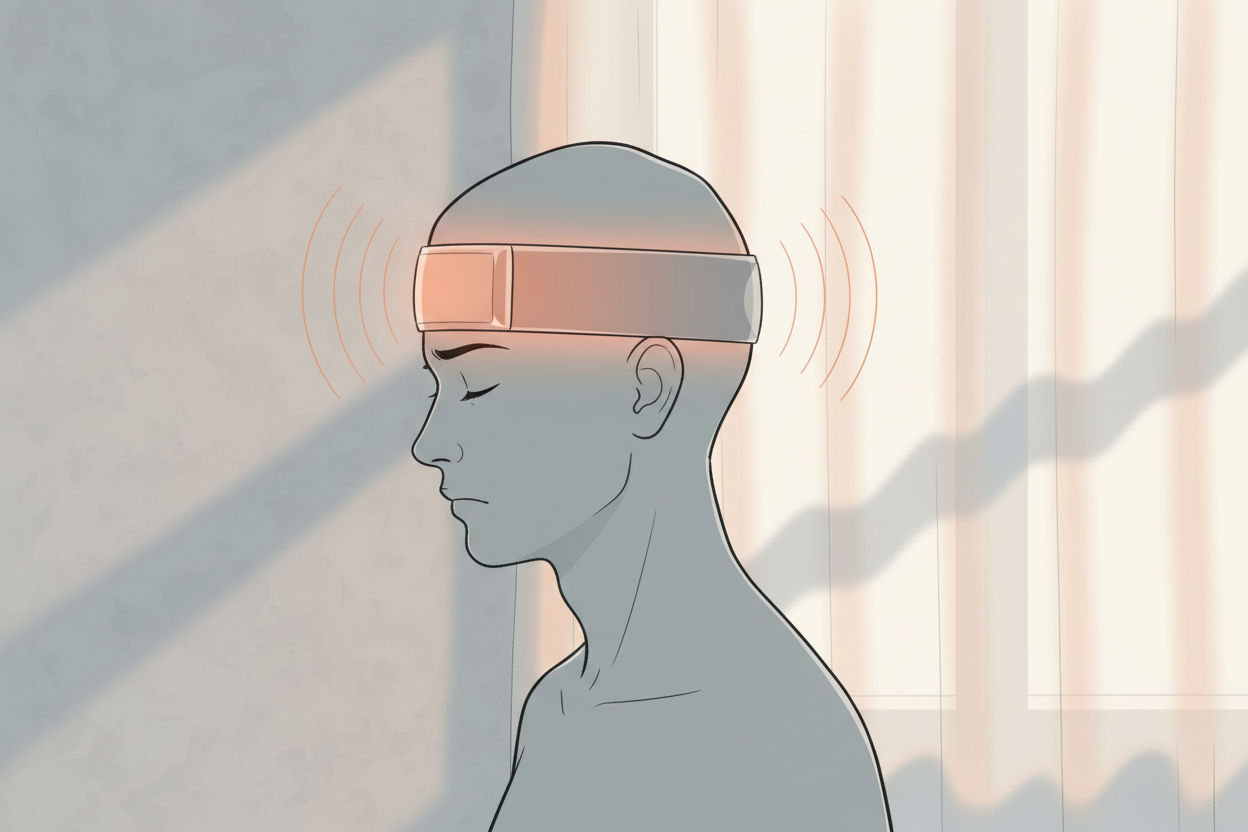
Sleep apnea morning headaches typically present as a dull, pressing sensation that feels like a tight band around your head. Unlike migraines, they rarely involve sensitivity to light or nausea, but they do share one frustrating trait – they can be incredibly persistent. Many people describe the pain as feeling like their head is in a vice that gradually tightens throughout the early morning hours.
The timing of these headaches is also telling. They’re most severe upon waking and typically improve within a few hours as your body’s oxygen levels normalize. If you notice that your headaches are consistently worse in the morning and seem to correlate with poor sleep quality, restless nights, or loud snoring, sleep apnea could be the missing piece of the puzzle.
The Science Behind Oxygen Deprivation and Head Pain
To truly understand why sleep apnea causes morning headaches, we need to dive into what happens inside your body during those interrupted breathing episodes. When you stop breathing, even for just 10 to 30 seconds at a time, your brain doesn’t just passively wait for air to return – it launches into emergency mode.
During each apnea episode, carbon dioxide levels in your blood rise while oxygen levels plummet. This chemical imbalance triggers your brain’s survival mechanisms, causing blood vessels to dilate in an attempt to deliver more oxygen to vital organs. The dilation of these blood vessels, particularly in the head and neck region, is what creates that characteristic throbbing pain.
Additionally, the repeated stress of oxygen deprivation causes inflammation throughout your body, including in the blood vessels and tissues surrounding your brain. This inflammation doesn’t disappear the moment you wake up – it lingers, contributing to that heavy, achy feeling that can persist well into your morning routine.
Immediate Relief Strategies for Morning Headaches
While addressing the root cause of sleep apnea is essential for long-term relief, there are several strategies you can implement right now to minimize the severity of your morning headaches and start your day on a better note.
The moment you wake up with a headache, resist the urge to immediately spring out of bed. Instead, take a few minutes to practice deep breathing exercises. Slow, deliberate breaths help normalize your oxygen levels and can provide surprisingly effective relief. Try the 4-7-8 technique: inhale for 4 counts, hold for 7, and exhale for 8. Repeat this cycle several times while remaining in a comfortable position.
Hydration plays a crucial role in headache relief. Sleep apnea often leads to mouth breathing, which can cause dehydration and worsen morning headaches. Keep a large glass of water by your bedside and drink it slowly upon waking. Adding a pinch of sea salt or a splash of lemon can help your body absorb the water more effectively.
Gentle neck and shoulder stretches can also provide relief by improving blood flow and reducing muscle tension that accumulates during restless sleep. Simple movements like slow neck rolls, shoulder shrugs, and gentle head tilts can make a noticeable difference in how you feel.
Long-term Solutions for Sleep Apnea Treatment
While immediate relief strategies are helpful, the only way to truly eliminate sleep apnea morning headaches forever is to address the underlying sleep disorder. The gold standard treatment for moderate to severe sleep apnea is Continuous Positive Airway Pressure (CPAP) therapy, and the results can be life-changing.
CPAP machines work by delivering a steady stream of pressurized air through a mask, keeping your airway open throughout the night. Most people notice a significant reduction in morning headaches within the first few weeks of consistent CPAP use. The key word here is consistent – the benefits only last as long as you use the device regularly.
For those who struggle with CPAP compliance, alternative treatments are available. Oral appliances, which reposition your jaw and tongue to keep airways open, can be effective for mild to moderate sleep apnea. These custom-fitted devices are less intrusive than CPAP machines and often have higher compliance rates.
In severe cases, surgical interventions might be necessary. Procedures range from minimally invasive options like radiofrequency ablation to more comprehensive surgeries that remove excess tissue or reposition anatomical structures. Your sleep specialist can help determine which treatment approach is most appropriate for your specific situation.
Lifestyle Changes That Make a Difference
Supporting your primary sleep apnea treatment with targeted lifestyle changes can significantly enhance your results and help eliminate morning headaches more quickly. These modifications work synergistically with medical treatments to improve your overall sleep quality and reduce apnea episodes.
Weight management is perhaps the most impactful lifestyle change you can make. Even a modest weight loss of 10-15 pounds can reduce the severity of sleep apnea symptoms and, consequently, morning headaches. Excess weight, particularly around the neck and throat area, contributes to airway obstruction during sleep.
Your sleep position also matters more than you might think. Sleeping on your back allows gravity to pull soft tissues backward, narrowing your airway. Training yourself to sleep on your side can reduce apnea episodes and improve sleep quality. Special positioning pillows or even tennis balls sewn into the back of your pajamas can help maintain side-sleeping throughout the night.
Avoiding alcohol and sedatives, especially in the evening, is crucial for managing sleep apnea. These substances relax the muscles in your throat, making airway collapse more likely. Similarly, establishing a consistent sleep schedule helps regulate your body’s natural rhythms and can improve the effectiveness of your treatment.
Creating the Perfect Sleep Environment
Your bedroom environment plays a supporting role in managing sleep apnea and reducing morning headaches. Small adjustments to your sleep space can complement your primary treatment and help you wake up feeling more refreshed.
Elevating the head of your bed by 4-6 inches can help gravity work in your favor, reducing the likelihood of airway collapse. This doesn’t mean piling up pillows, which can actually worsen sleep apnea by kinking your neck. Instead, place blocks under the head of your bed frame or invest in an adjustable bed base.
Maintaining optimal humidity levels in your bedroom is also important. Dry air can irritate your respiratory system and worsen sleep apnea symptoms. A humidifier can help, particularly during winter months when indoor air tends to be drier. Aim for humidity levels between 30-50% for optimal comfort.
Temperature control matters too. A cooler bedroom, typically between 65-68 degrees Fahrenheit, promotes deeper, more restorative sleep. When you sleep better overall, your body is better equipped to handle the challenges that sleep apnea presents.
When to Seek Professional Help
Recognizing when your morning headaches require professional medical attention is crucial for your long-term health and well-being. While occasional morning headaches might not be cause for alarm, persistent patterns warrant investigation by healthcare professionals.
If you’re experiencing morning headaches three or more times per week, especially when accompanied by loud snoring, gasping during sleep, or excessive daytime fatigue, it’s time to consult with a sleep specialist. These symptoms together strongly suggest sleep apnea, and early intervention can prevent more serious health complications.
Don’t wait if your headaches are becoming more frequent or severe, or if they’re beginning to interfere with your daily activities. Sleep apnea is a progressive condition that typically worsens over time without treatment. What starts as annoying morning headaches can evolve into more serious cardiovascular and cognitive health issues.
A comprehensive sleep study can provide definitive answers about whether sleep apnea is causing your morning headaches. These studies monitor multiple physiological parameters throughout the night, giving doctors the information they need to develop an effective treatment plan tailored to your specific needs.
Building Your Path to Headache-Free Mornings
Eliminating sleep apnea morning headaches forever isn’t just a dream – it’s an achievable goal with the right approach and commitment. The journey begins with understanding the connection between your sleep disorder and morning pain, but it doesn’t end there. Success requires a comprehensive strategy that addresses both the immediate symptoms and the underlying cause.
Remember that improvement takes time. While some people notice relief within days of starting treatment, others may need several weeks to experience significant changes. Be patient with yourself and stay consistent with your treatment plan. Track your progress by noting the frequency and intensity of your morning headaches, along with your overall sleep quality.
The investment you make in treating your sleep apnea pays dividends far beyond just eliminating morning headaches. Better sleep improves your immune system, enhances cognitive function, stabilizes your mood, and reduces your risk of serious health conditions like heart disease and stroke. When you wake up winning, you’re setting yourself up for success in every area of your life.
Your mornings don’t have to be defined by pain and exhaustion. With proper diagnosis, effective treatment, and supportive lifestyle changes, you can transform those dreaded wake-up moments into the refreshing start to your day that they’re meant to be. Take the first step today – your future headache-free self will thank you.
Take Control of Your Nighttime Breathing
Don’t let sleep apnea silently accelerate your lung disease. Discover the natural breathing protocol that thousands of respiratory patients are using to restore healthy sleep patterns and protect their lung function.
