
Respiratory Rescue: How Sleep Apnea Hijacks Your Lung Function
Picture this: you’re lying in bed, drifting off to sleep, when suddenly your breathing stops. Not by choice, but because your airway has collapsed. Seconds tick by—sometimes up to a minute or more—before your brain jolts you awake with a desperate gasp for air. This isn’t a nightmare; it’s the nightly reality for millions of people living with sleep apnea.
Sleep apnea doesn’t just steal your rest—it literally hijacks your respiratory system, creating a cascade of problems that extend far beyond feeling tired the next day. Understanding how this condition interferes with your lung function is crucial for recognizing its serious health implications and taking action to protect your breathing.
Understanding Sleep Apnea: More Than Just Loud Snoring
Sleep apnea is a serious sleep disorder where breathing repeatedly stops and starts throughout the night. While many people dismiss it as “just snoring,” the reality is far more complex and concerning. There are three main types of sleep apnea, but obstructive sleep apnea (OSA) is by far the most common, affecting approximately 22 million Americans.
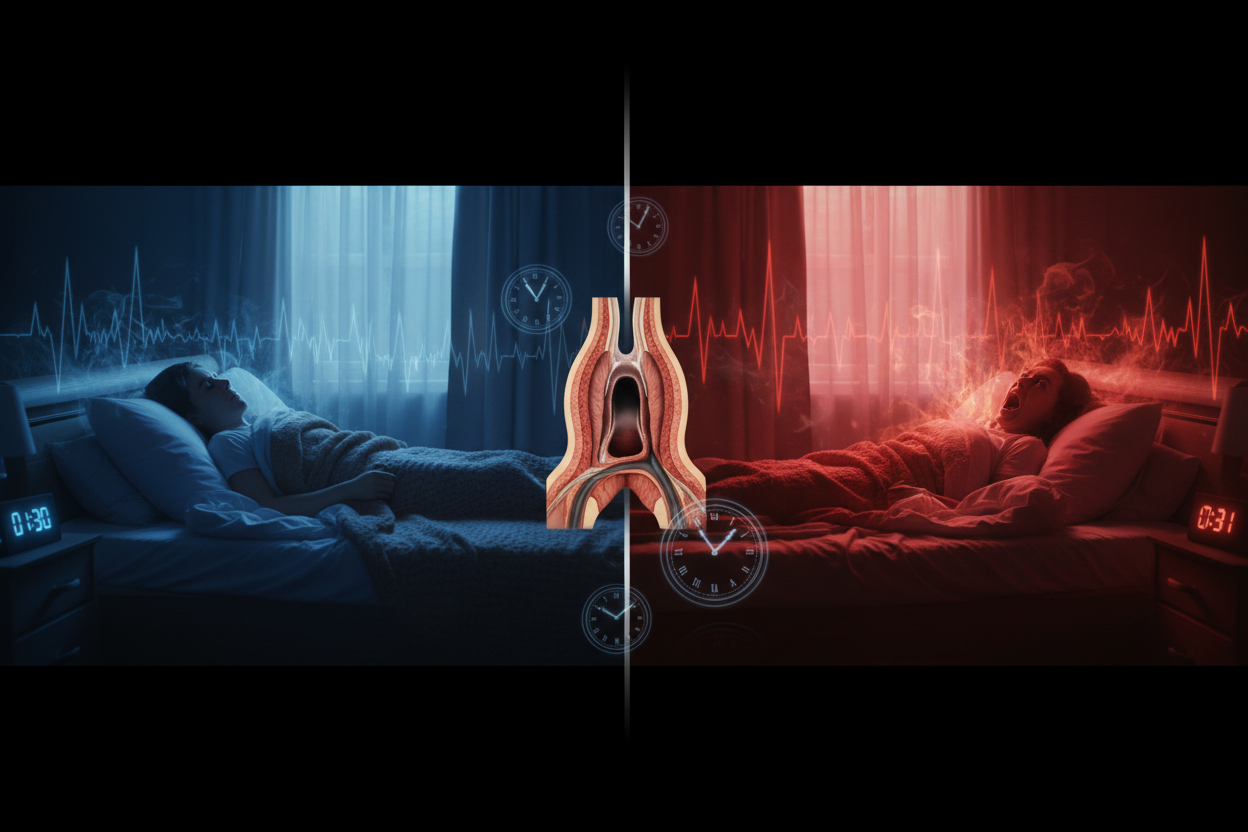
In obstructive sleep apnea, the soft tissues in your throat relax excessively during sleep, causing your airway to narrow or completely collapse. When this happens, your diaphragm and chest muscles work harder to force air past the blockage. Often, no air gets through at all, creating periods of complete breathing cessation called apneas.
Central sleep apnea, though less common, occurs when your brain fails to send proper signals to the muscles that control breathing. Mixed sleep apnea combines elements of both conditions, creating an even more complex respiratory challenge.
The Respiratory System Under Siege
Your lungs weren’t designed to handle the constant stress that sleep apnea creates. During normal sleep, your breathing naturally slows and becomes more regular, allowing your respiratory system to rest and recover. Sleep apnea turns this peaceful process into a nightly battle for oxygen.
When your airway collapses, several things happen simultaneously. Your oxygen levels drop rapidly while carbon dioxide builds up in your bloodstream. Your heart rate initially slows, then spikes dramatically as your body fights to restart breathing. The pressure changes in your chest cavity become extreme, placing enormous strain on your cardiovascular and respiratory systems.
Think of it like trying to breathe through a straw that keeps getting pinched shut. Your lungs work overtime, your chest muscles strain against the blocked airway, and your entire respiratory system operates in crisis mode instead of the restful state it needs during sleep.
Oxygen Deprivation: The Silent Threat to Your Lungs
Perhaps the most dangerous aspect of sleep apnea is the repeated oxygen deprivation, known as intermittent hypoxia. During severe apnea episodes, blood oxygen levels can drop to dangerously low levels—sometimes below 80% when normal levels should remain above 95%.
This constant cycle of oxygen deprivation and restoration creates what researchers call “reperfusion injury.” It’s similar to what happens during a heart attack, where the return of oxygen after deprivation actually causes additional damage. Your lung tissues experience this trauma repeatedly throughout the night, leading to inflammation and long-term damage.
The effects aren’t limited to nighttime hours. Chronic oxygen deprivation can lead to pulmonary hypertension, where the blood vessels in your lungs become narrowed and hardened. This forces your heart to work harder to pump blood through your lungs, creating a dangerous cycle that affects both respiratory and cardiovascular health.
The Inflammation Connection: How Sleep Apnea Damages Lung Tissue
Sleep apnea triggers a cascade of inflammatory responses throughout your body, and your lungs bear much of this burden. Each time your oxygen levels drop and then rapidly increase when breathing resumes, it creates oxidative stress—essentially causing your tissues to “rust” from the inside.
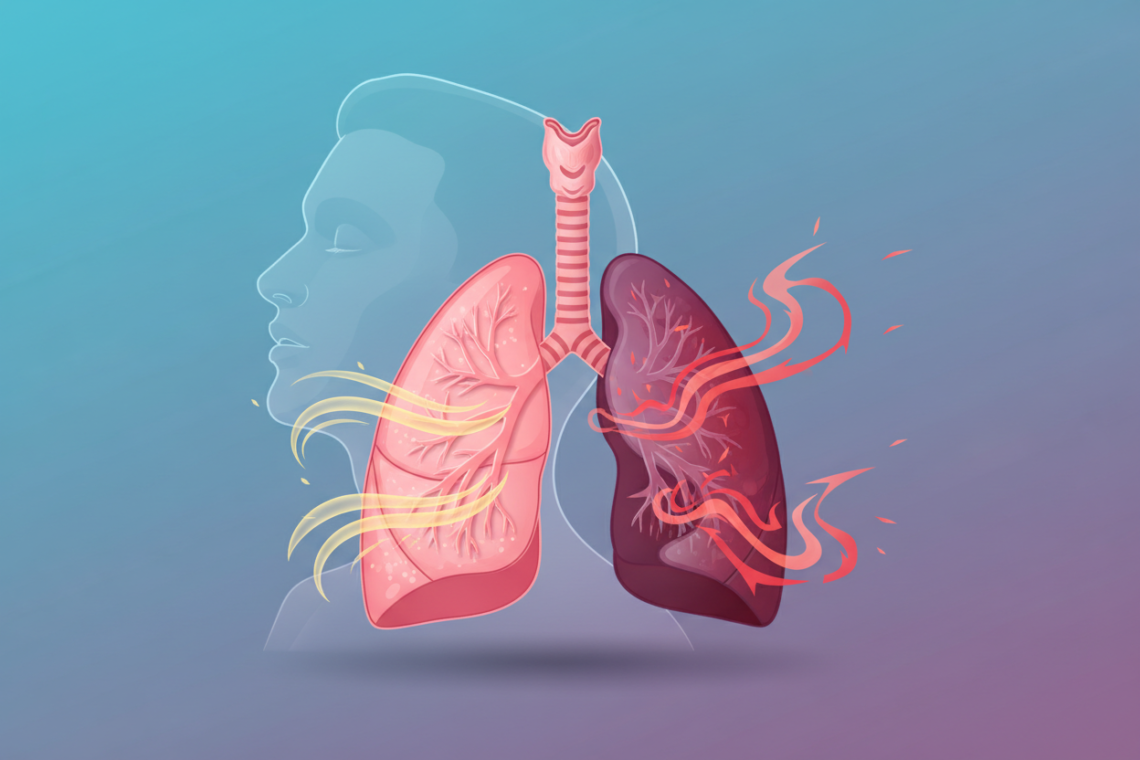
This chronic inflammation doesn’t just affect your airways; it impacts the delicate alveoli where oxygen exchange occurs. Over time, these tiny air sacs can become damaged and less efficient at transferring oxygen to your bloodstream. The inflammation also affects the smooth muscle around your airways, potentially making them more prone to constriction and further breathing difficulties.
Research has shown that people with sleep apnea have elevated levels of inflammatory markers in their blood, including C-reactive protein and interleukin-6. These same markers are associated with various lung diseases, suggesting that sleep apnea may accelerate the development of respiratory conditions.
Sleep Apnea and Existing Lung Conditions: A Dangerous Partnership
If you already have a respiratory condition like asthma, chronic obstructive pulmonary disease (COPD), or pulmonary fibrosis, sleep apnea can make these conditions significantly worse. It’s like adding fuel to an already burning fire.
For people with asthma, sleep apnea can trigger more frequent and severe attacks. The repeated airway collapse and inflammation can make airways more reactive to triggers, leading to increased medication needs and more emergency room visits. Studies show that people with both conditions often have poorer asthma control and reduced quality of life.
COPD patients face even greater challenges when sleep apnea enters the picture. This combination, sometimes called “overlap syndrome,” is associated with more frequent exacerbations, faster disease progression, and higher mortality rates. The constant strain on already compromised lungs can accelerate the decline in lung function that characterizes COPD.
The Cardiovascular-Respiratory Connection
Your heart and lungs work as a team, and sleep apnea disrupts this partnership in profound ways. Each apnea episode creates dramatic swings in blood pressure and heart rate, while simultaneously reducing the oxygen available to your heart muscle.
The repeated drops in oxygen levels force your heart to pump harder, increasing blood pressure throughout your pulmonary circulation. Over time, this can lead to right-sided heart failure, where the right ventricle becomes enlarged and weakened from the constant strain of pumping blood through damaged lung vessels.
This cardiovascular stress doesn’t just affect your heart—it creates a feedback loop that further compromises lung function. As your heart struggles to pump blood efficiently through your lungs, fluid can back up into lung tissues, reducing their ability to exchange oxygen and carbon dioxide effectively.
Recognizing the Warning Signs: When to Seek Help
Sleep apnea often goes undiagnosed because many of its symptoms occur during sleep when you’re not conscious to notice them. However, there are several warning signs that shouldn’t be ignored, especially when they occur together.
Loud, chronic snoring is often the first sign others notice, but it’s the pauses in breathing that are most concerning. If your partner reports that you stop breathing during sleep, this warrants immediate medical attention. Morning headaches, excessive daytime fatigue despite adequate sleep time, and difficulty concentrating are also common symptoms.
From a respiratory perspective, you might notice increased shortness of breath during daily activities, frequent awakening with a choking or gasping sensation, or morning throat dryness and irritation. If you have existing lung conditions that seem to be getting worse despite proper treatment, sleep apnea could be the hidden culprit.
Treatment Options: Restoring Healthy Breathing
The good news is that sleep apnea is highly treatable, and addressing it can significantly improve both your sleep quality and lung function. The gold standard treatment is continuous positive airway pressure (CPAP) therapy, which uses gentle air pressure to keep your airway open throughout the night.
While some people initially find CPAP machines uncomfortable, modern devices are much quieter and more comfortable than earlier versions. The health benefits are typically noticeable within days or weeks of consistent use. Many patients report not only better sleep but also improved breathing during waking hours.
For those who can’t tolerate CPAP, alternative treatments include oral appliances that reposition the jaw and tongue, surgical options to remove excess tissue or reposition anatomical structures, and newer treatments like hypoglossal nerve stimulation, which uses a small implanted device to stimulate tongue muscles during sleep.
Lifestyle modifications can also play a crucial role in treatment. Weight loss, even modest amounts, can significantly reduce sleep apnea severity. Sleeping on your side instead of your back, avoiding alcohol before bedtime, and treating nasal congestion can all help improve nighttime breathing.
The Road to Recovery: What to Expect
Treating sleep apnea isn’t just about getting better sleep—it’s about giving your respiratory system the chance to heal and function properly. Many patients notice improvements in their breathing within weeks of starting treatment, but the full benefits may take months to develop as inflammation reduces and damaged tissues begin to repair.
If you have existing lung conditions, you may find that your symptoms become more manageable and your medications more effective once sleep apnea is properly treated. The reduced inflammation and improved oxygen levels can help break the cycle of respiratory decline that untreated sleep apnea creates.
Regular follow-up with your healthcare team is essential to ensure your treatment remains effective and to monitor improvements in your lung function. Sleep studies may be repeated to verify that your therapy is adequately controlling your apnea episodes.
Protecting Your Respiratory Future
Sleep apnea’s impact on lung function extends far beyond the bedroom. By repeatedly hijacking your respiratory system night after night, this condition can accelerate lung damage, worsen existing respiratory conditions, and create new health problems that affect your quality of life and longevity.
The key to protecting your respiratory health lies in recognition and action. If you suspect you might have sleep apnea, don’t wait to seek evaluation. A sleep study can definitively diagnose the condition, and effective treatments are readily available. Your lungs—and your overall health—depend on the restorative sleep that proper breathing provides.
Remember, every night of untreated sleep apnea is another night of stress on your respiratory system. But with proper diagnosis and treatment, you can break free from this nightly assault on your lungs and breathe easier, both during sleep and throughout your waking hours. Your respiratory rescue starts with recognizing the problem and taking that first step toward treatment.
Take Control of Your Nighttime Breathing
Don’t let sleep apnea silently accelerate your lung disease. Discover the natural breathing protocol that thousands of respiratory patients are using to restore healthy sleep patterns and protect their lung function.
