
The Overlap Syndrome Playbook: Comprehensive COPD and Sleep Apnea Management
When breathing becomes a challenge both day and night, you might be dealing with more than just one condition. Overlap syndrome, the coexistence of chronic obstructive pulmonary disease (COPD) and obstructive sleep apnea (OSA), affects millions of people worldwide yet remains surprisingly underdiagnosed. If you’re struggling with persistent fatigue, frequent nighttime awakenings, and breathing difficulties that seem to worsen over time, understanding this complex condition could be the key to reclaiming your quality of life.
The intersection of COPD and sleep apnea creates a perfect storm of respiratory challenges that can significantly impact your health, energy levels, and overall well-being. While each condition is serious on its own, their combination amplifies symptoms and complications, making effective management absolutely crucial for long-term health outcomes.
Understanding Overlap Syndrome: When Two Conditions Collide
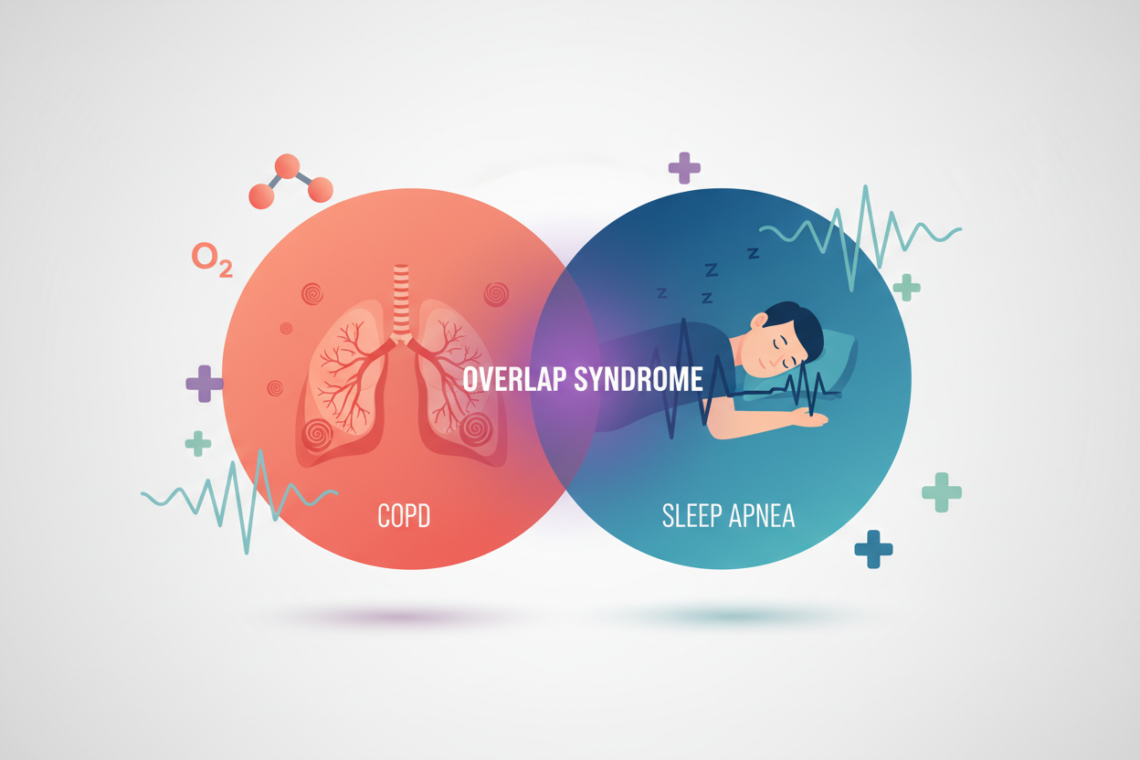
Overlap syndrome occurs when someone simultaneously experiences COPD and obstructive sleep apnea. This isn’t simply having two separate conditions – it’s a complex interplay where each disorder can worsen the other, creating a cascading effect of health complications.
COPD primarily affects your ability to breathe during waking hours, causing airway inflammation and reduced lung function. Sleep apnea, on the other hand, disrupts your breathing during sleep through repeated airway collapses. When these conditions coexist, patients face a double burden: compromised daytime breathing capacity combined with fragmented, poor-quality sleep.
Research indicates that overlap syndrome affects approximately 1% of the general adult population, but this number jumps significantly among individuals already diagnosed with either COPD or sleep apnea. The prevalence is particularly high in older adults and those with specific risk factors like obesity or smoking history.

Recognizing the Warning Signs and Symptoms
Identifying overlap syndrome can be challenging because many symptoms overlap between COPD and sleep apnea individually. However, certain patterns and combinations of symptoms should raise red flags for both patients and healthcare providers.
Daytime symptoms often include excessive sleepiness that doesn’t improve with rest, morning headaches, difficulty concentrating, and mood changes like irritability or depression. You might notice that your usual COPD symptoms seem more severe or harder to control than expected, particularly shortness of breath and fatigue.
Nighttime indicators include loud snoring, witnessed breathing interruptions during sleep, frequent awakenings, and restless sleep. Many people with overlap syndrome report feeling unrefreshed despite spending adequate time in bed, and their partners often notice irregular breathing patterns or gasping sounds during sleep.
The key distinction is the severity and persistence of symptoms. While someone with COPD alone might experience fatigue, those with overlap syndrome typically face overwhelming exhaustion that significantly impacts daily functioning. Similarly, sleep apnea symptoms may be more pronounced due to the underlying lung disease.
The Health Consequences: Why Overlap Syndrome Demands Attention
The combination of COPD and sleep apnea creates a dangerous cycle of worsening health outcomes. During sleep apnea episodes, oxygen levels drop and carbon dioxide levels rise, putting additional strain on already compromised lungs. This leads to more frequent COPD exacerbations and accelerated disease progression.
Cardiovascular complications are particularly concerning in overlap syndrome. The repeated oxygen drops during sleep apnea episodes, combined with the chronic inflammation from COPD, significantly increase the risk of heart disease, high blood pressure, and stroke. Studies show that people with overlap syndrome have higher rates of pulmonary hypertension and right heart failure compared to those with either condition alone.
Sleep quality deterioration affects every aspect of health, from immune function to mental well-being. Poor sleep makes it harder for the body to recover from COPD symptoms, while COPD symptoms can make it more difficult to maintain open airways during sleep. This creates a vicious cycle where each condition perpetuates and worsens the other.
Without proper treatment, overlap syndrome can lead to more frequent hospitalizations, reduced life expectancy, and significantly diminished quality of life. However, the good news is that with comprehensive management, many of these complications can be prevented or significantly reduced.
Diagnostic Approaches: Getting to the Root of the Problem
Proper diagnosis of overlap syndrome requires a comprehensive evaluation that goes beyond standard testing for either condition alone. Healthcare providers need to maintain a high index of suspicion, especially when patients with known COPD present with unexplained worsening of symptoms or excessive daytime sleepiness.
The diagnostic process typically begins with a detailed medical history and physical examination. Your doctor will ask about sleep patterns, daytime symptoms, and any changes in your COPD management effectiveness. They’ll also assess risk factors like body weight, neck circumference, and family history of sleep disorders.
Sleep studies remain the gold standard for diagnosing sleep apnea in COPD patients. However, interpreting results can be more complex in this population due to baseline oxygen level variations and breathing pattern irregularities. Some patients may require specialized sleep studies that account for their underlying lung disease.
Pulmonary function tests, arterial blood gas analysis, and chest imaging help evaluate COPD severity and its interaction with sleep-disordered breathing. Your healthcare team might also recommend echocardiograms to assess heart function and screen for pulmonary hypertension, which is more common in overlap syndrome.
Treatment Strategies: A Multi-Faceted Approach
Managing overlap syndrome requires a coordinated treatment plan that addresses both conditions simultaneously while considering their interactions. The most effective approaches combine proven therapies for each condition with careful monitoring for treatment interactions and complications.
Continuous positive airway pressure (CPAP) therapy serves as the cornerstone treatment for the sleep apnea component. In overlap syndrome patients, CPAP not only improves sleep quality but can also reduce COPD exacerbations and improve overall lung function. The key is proper titration and adjustment to account for the patient’s underlying lung disease.
COPD management continues with standard therapies including bronchodilators, inhaled corticosteroids, and pulmonary rehabilitation. However, medication timing and selection may need adjustment to optimize nighttime breathing and sleep quality. Some patients benefit from long-acting bronchodilators taken in the evening to improve overnight lung function.
Oxygen therapy presents unique considerations in overlap syndrome. While supplemental oxygen can help maintain adequate blood oxygen levels during sleep, it must be carefully coordinated with CPAP therapy. Some patients require specialized equipment that combines both therapies effectively.
Lifestyle Modifications: The Foundation of Success
While medical treatments are essential, lifestyle modifications form the foundation of successful overlap syndrome management. These changes can significantly improve both conditions and enhance the effectiveness of medical therapies.
Weight management stands out as one of the most impactful lifestyle interventions. Even modest weight loss can improve sleep apnea severity and reduce the work of breathing for COPD patients. A structured approach combining dietary changes with appropriate exercise can yield significant benefits for both conditions.
Sleep hygiene practices become even more critical when managing overlap syndrome. Maintaining consistent sleep schedules, creating an optimal sleep environment, and avoiding substances that worsen sleep quality can dramatically improve treatment outcomes. This includes limiting alcohol consumption, which can worsen both sleep apnea and COPD symptoms.
Smoking cessation remains the most important intervention for COPD patients and can also improve sleep apnea severity. If you’re still smoking, working with healthcare providers to develop a comprehensive cessation plan should be a top priority. Various resources and medications are available to support this crucial step.
Regular physical activity, tailored to your capabilities and limitations, can improve both lung function and sleep quality. Pulmonary rehabilitation programs often incorporate sleep education and can be particularly beneficial for overlap syndrome patients.
Working with Your Healthcare Team
Successful overlap syndrome management requires coordination between multiple healthcare providers. Your team might include pulmonologists, sleep medicine specialists, primary care physicians, and other specialists depending on your specific needs and complications.
Communication between team members is crucial for optimizing treatment plans and avoiding potentially harmful interactions between therapies. Make sure all your providers are aware of your complete diagnosis and treatment plan, including medications, devices, and any changes in symptoms.
Regular follow-up appointments allow for treatment adjustments and early identification of complications. Don’t hesitate to contact your healthcare team if you experience worsening symptoms, equipment problems, or concerns about your treatment plan. Early intervention can prevent minor issues from becoming major complications.
Keep detailed records of your symptoms, sleep quality, and treatment adherence. Many patients find sleep diaries and symptom tracking apps helpful for identifying patterns and communicating effectively with their healthcare providers.
Looking Forward: Hope and Improved Outcomes
While overlap syndrome presents significant challenges, advances in understanding and treatment continue to improve outcomes for patients. New technologies, refined treatment protocols, and better coordination of care are making it possible for people with this condition to maintain active, fulfilling lives.
The key to success lies in early recognition, comprehensive treatment, and ongoing management that adapts to changing needs over time. With proper care, many patients experience significant improvements in sleep quality, daytime symptoms, and overall quality of life.
Research continues to evolve our understanding of overlap syndrome, with promising developments in personalized treatment approaches and novel therapies on the horizon. Staying connected with your healthcare team and remaining informed about advances in treatment can help ensure you benefit from the latest developments in care.
Remember that managing overlap syndrome is a marathon, not a sprint. Be patient with yourself as you adapt to new treatments and lifestyle changes, and celebrate the small victories along the way. With dedication to your treatment plan and support from your healthcare team, you can successfully navigate the challenges of overlap syndrome and work toward better health and improved quality of life.
Take Control of Your Nighttime Breathing
Don’t let sleep apnea silently accelerate your lung disease. Discover the natural breathing protocol that thousands of respiratory patients are using to restore healthy sleep patterns and protect their lung function.
