Affiliate disclosure: This article contains affiliate links. We may earn a commission if you purchase through them, at no extra cost to you.
Household Heroes: Common Items That Fight Nocturnal Desaturation
When the sun sets and your body prepares for rest, an invisible battle often begins in your bedroom. Nocturnal desaturation—the drop in blood oxygen levels during sleep—affects millions of people worldwide, often without them even knowing it. While this condition can sound intimidating, the good news is that some of the most effective weapons against it might already be sitting in your home.
You don’t always need expensive medical equipment or complicated procedures to improve your nighttime oxygen levels. Sometimes, the most powerful solutions are hiding in plain sight, disguised as ordinary household items. From your grandmother’s old humidifier to that extra pillow you never use, these everyday heroes can make a significant difference in how well you breathe while you sleep.
Understanding Nocturnal Desaturation: Why Your Body Struggles at Night
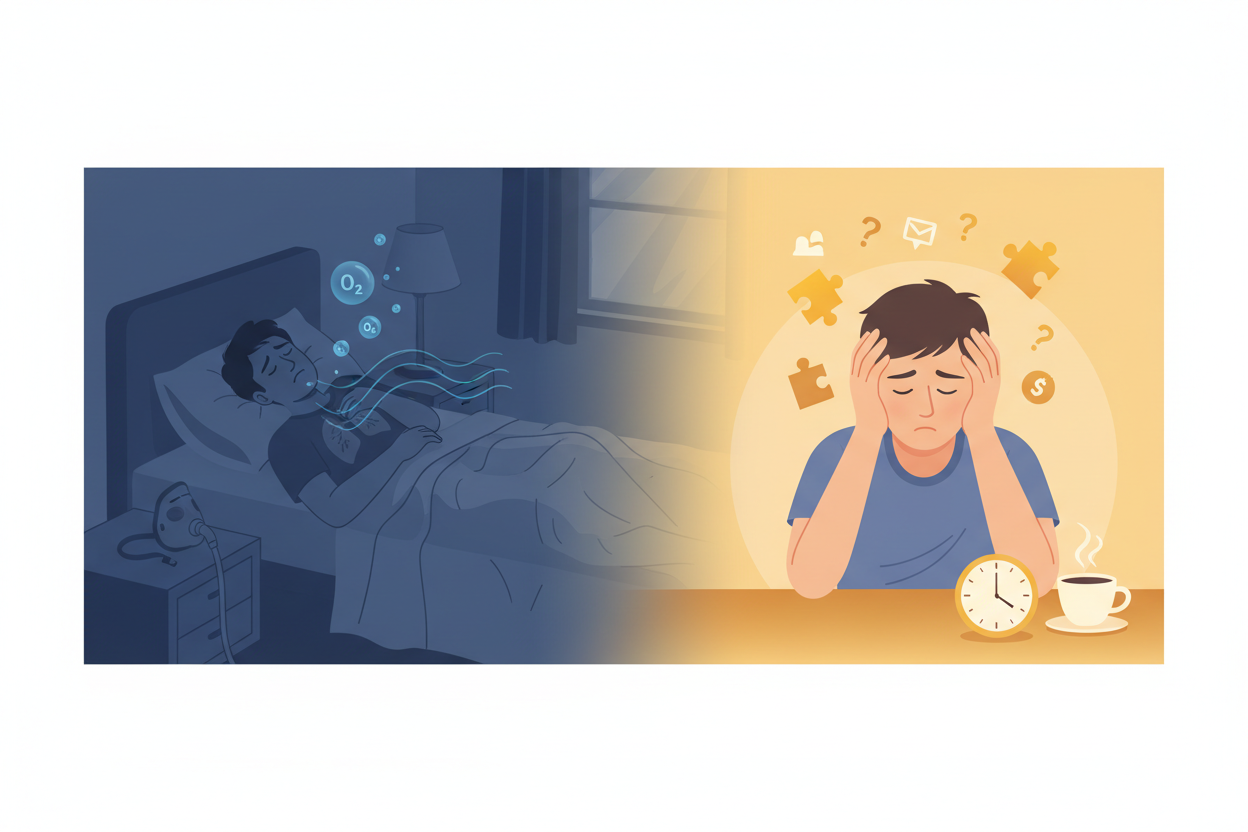
Before diving into solutions, it’s crucial to understand what we’re fighting against. Nocturnal desaturation occurs when your blood oxygen saturation drops below normal levels during sleep, typically falling under 90%. This happens because your breathing naturally slows down and becomes more shallow when you’re asleep, and various factors can make this process even more challenging.
The condition is particularly common among people with sleep apnea, chronic obstructive pulmonary disease (COPD), or other respiratory conditions. However, even healthy individuals can experience mild desaturation due to factors like sleeping position, room environment, or temporary illnesses. The symptoms aren’t always obvious—you might wake up feeling tired, experience morning headaches, or notice decreased concentration during the day without connecting these issues to your nighttime oxygen levels.
What makes this condition particularly sneaky is that it often develops gradually. Your body adapts to slightly lower oxygen levels over time, masking the problem until it becomes more severe. That’s why understanding and addressing potential contributing factors in your sleep environment becomes so important.
The Humble Humidifier: Your First Line of Defense
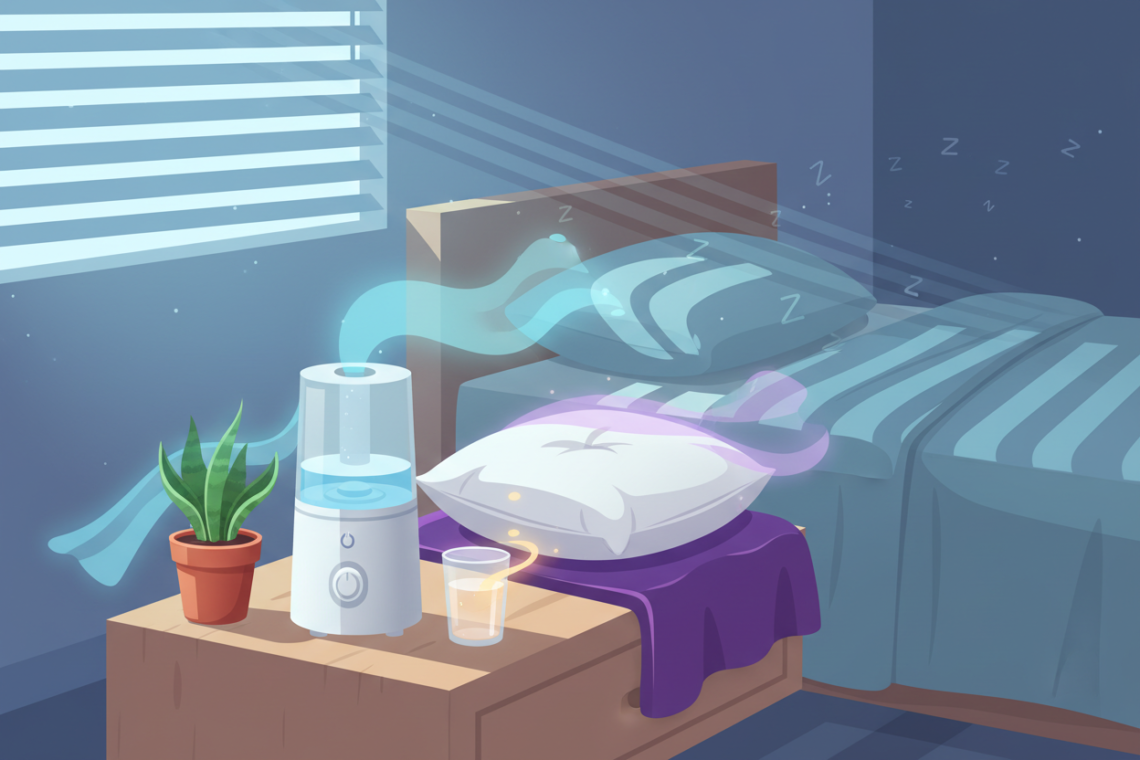
That humidifier gathering dust in your closet might be one of your most powerful allies against nocturnal desaturation. Dry air is a common culprit behind nighttime breathing difficulties, especially during winter months when heating systems strip moisture from indoor air.
When the air in your bedroom is too dry, it can irritate your nasal passages and throat, leading to inflammation that restricts airflow. This creates a domino effect: restricted airflow leads to mouth breathing, which is less efficient than nasal breathing, potentially contributing to oxygen desaturation.
A humidifier helps by maintaining optimal moisture levels in your bedroom air, typically between 30-50% humidity. This keeps your nasal passages moist and functioning properly, allowing for easier, more efficient breathing throughout the night. Many people notice immediate improvements in their sleep quality when they start using a humidifier regularly.
The key is choosing the right type for your space. Cool-mist humidifiers work well in most bedrooms and are generally safer than warm-mist versions, especially if you have children or pets. Clean your humidifier regularly to prevent mold and bacteria growth, which could worsen respiratory issues rather than improve them.
Strategic Pillow Placement: Elevating Your Way to Better Breathing
Those extra pillows piled up in your linen closet aren’t just for decoration—they’re potential breathing aids waiting to be deployed. The way you position your head and upper body during sleep significantly impacts your ability to maintain adequate oxygen levels throughout the night.
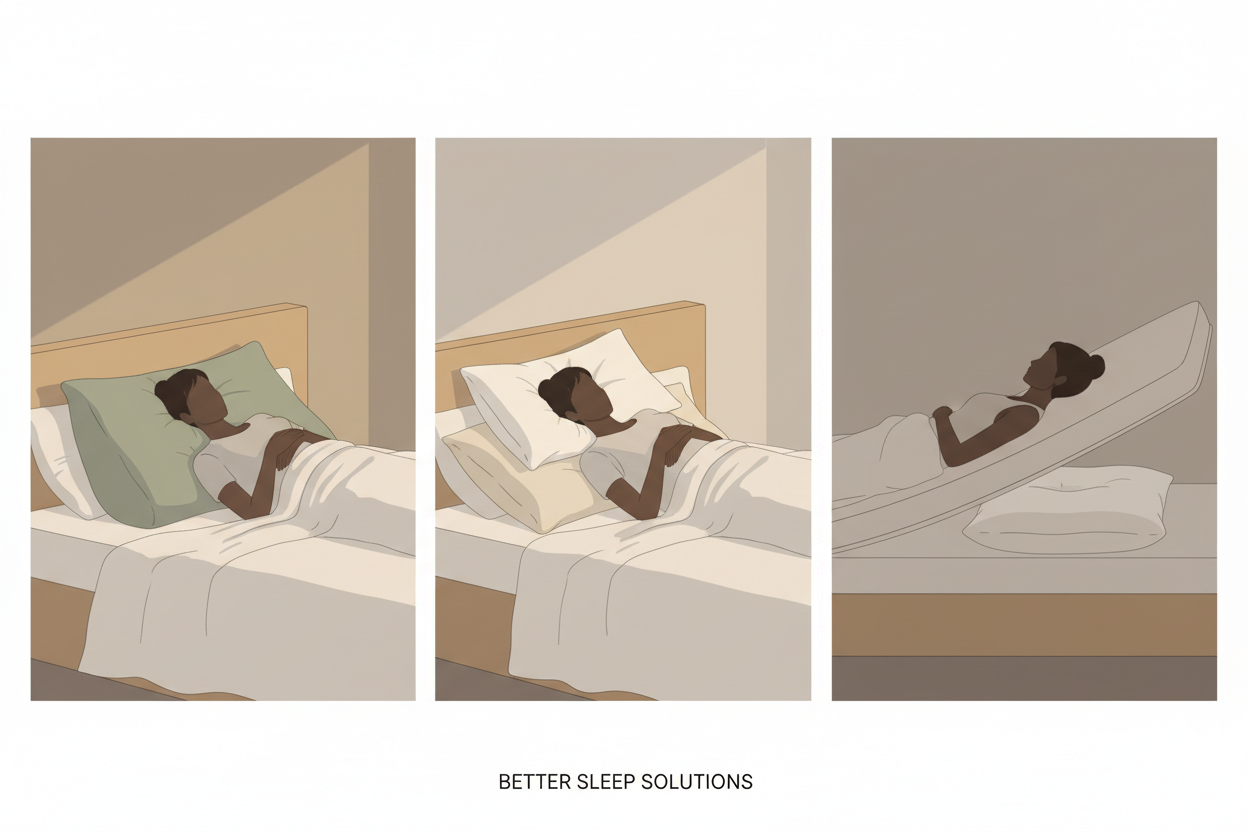
Elevating your head and upper torso by 15-30 degrees can work wonders for nocturnal breathing. This position helps gravity assist your diaphragm, making it easier for your lungs to expand fully. It also helps prevent your tongue and soft tissues from collapsing backward and partially blocking your airway, a common cause of breathing disruptions during sleep.
You don’t need a fancy adjustable bed to achieve this elevation. A wedge pillow works excellently, but you can also create an effective setup using regular pillows. Stack two or three pillows to create a gradual incline, ensuring your neck isn’t bent at an uncomfortable angle. Some people find that placing a pillow under their mattress at the head of the bed creates a more stable, comfortable elevation.
For side sleepers, a pillow between your knees can help maintain proper spinal alignment while keeping your airways open. This simple adjustment often leads to more restful sleep and better oxygen saturation levels throughout the night.
The Power of Plants: Natural Air Purifiers in Your Bedroom
Your houseplants do more than just brighten up your bedroom decor—they’re working around the clock as natural air purification systems. While plants don’t produce significant amounts of oxygen at night (they actually consume oxygen during nighttime respiration), their air-cleaning properties can indirectly support better breathing and sleep quality.
Certain plants excel at removing common indoor air pollutants that can irritate your respiratory system. Spider plants, snake plants, and peace lilies are particularly effective at filtering out formaldehyde, benzene, and other chemicals that might be lurking in your bedroom air from furniture, carpets, or cleaning products.
The snake plant deserves special mention because, unlike most plants, it continues producing oxygen even at night. While the amount isn’t dramatic enough to significantly boost room oxygen levels, every little bit helps, especially in smaller bedrooms with limited air circulation.
Beyond their air-purifying qualities, plants contribute to maintaining optimal humidity levels in your bedroom. As they release water vapor through their leaves, they naturally humidify the air—a perfect complement to your humidifier or an alternative if you prefer a more natural approach.
Essential Oils and Aromatherapy: Breathing Easy with Natural Scents
That collection of essential oils on your bathroom shelf might hold the key to clearer nighttime breathing. Certain essential oils have natural decongestant and anti-inflammatory properties that can help keep your airways open and reduce respiratory irritation during sleep.
Eucalyptus oil is particularly effective for respiratory support. Its active compound, eucalyptol, helps thin mucus and reduce inflammation in the airways. A few drops in a diffuser or on your pillowcase can make breathing easier throughout the night. Peppermint oil works similarly, with menthol providing a cooling, opening effect on nasal passages.
Lavender oil offers a double benefit: while its calming properties promote deeper, more restful sleep, it also has mild anti-inflammatory effects that can support respiratory function. Tea tree oil, known for its antimicrobial properties, can help keep your sleeping environment free from airborne bacteria and fungi that might irritate sensitive airways.
The key to using essential oils safely is moderation. A little goes a long way, and too much can actually irritate your respiratory system rather than help it. Start with just a drop or two in a diffuser, and pay attention to how your body responds.
Temperature Control: Finding Your Breathing Sweet Spot
Your bedroom thermostat might seem like an unlikely weapon against nocturnal desaturation, but temperature control plays a crucial role in nighttime breathing quality. Your body’s natural temperature regulation affects how well you breathe during sleep, and finding the right balance can significantly impact your oxygen levels.
Most sleep experts recommend keeping bedrooms between 60-67 degrees Fahrenheit for optimal sleep quality. This range supports your body’s natural temperature drop during sleep while preventing the respiratory stress that can come from rooms that are too hot or too cold.
When your bedroom is too warm, your body works harder to cool itself, which can lead to more shallow, rapid breathing. Conversely, air that’s too cold can cause your airways to constrict slightly, making breathing less efficient. The goal is finding that Goldilocks zone where your respiratory system can function optimally without extra stress.
Don’t forget about air circulation. A ceiling fan or small bedside fan can help maintain consistent temperature and air movement, preventing stuffiness that might contribute to breathing difficulties. Just make sure the airflow isn’t directly hitting your face, which could dry out your nasal passages and counteract other improvements you’ve made.
Timing Your Evening Routine: When Simple Habits Make Big Differences
Sometimes the most powerful household heroes aren’t objects at all—they’re habits and timing strategies that cost nothing but can dramatically improve your nighttime breathing. The hours leading up to bedtime offer numerous opportunities to set yourself up for better oxygen saturation during sleep.
That cup of herbal tea you enjoy before bed? Choose wisely. Chamomile tea not only promotes relaxation but has mild anti-inflammatory properties that can support respiratory function. Ginger tea can help reduce any lingering congestion from the day. Avoid caffeine, obviously, but also be mindful of alcohol, which can relax throat muscles and contribute to airway obstruction during sleep.
The timing of your last meal matters more than you might think. Eating large meals within three hours of bedtime can push your diaphragm upward, restricting lung expansion and making efficient breathing more difficult. If you must eat late, choose lighter options and consider sleeping slightly more elevated to compensate.
Your evening shower or bath can become a breathing treatment in disguise. The steam naturally moisturizes your airways and can help clear any congestion that built up during the day. Adding a few drops of eucalyptus oil to your shower floor creates an instant aromatherapy session that primes your respiratory system for better nighttime function.
Creating Your Sleep Sanctuary: Putting It All Together
The real magic happens when you combine these household heroes into a comprehensive approach to fighting nocturnal desaturation. Your bedroom becomes more than just a place to sleep—it transforms into a carefully orchestrated environment designed to support optimal breathing throughout the night.
Start with the basics: ensure your room temperature is in the optimal range, set up your humidifier to maintain proper moisture levels, and arrange your pillows for gentle elevation. Add a plant or two for natural air purification, and consider incorporating essential oils into your evening routine.
Pay attention to your body’s responses as you implement these changes. Some people notice improvements immediately, while others may need a week or two to experience the full benefits. Keep a simple sleep journal noting how you feel each morning—this can help you identify which household heroes are making the biggest difference for your specific situation.
Remember that consistency is key. These natural approaches work best when used regularly, not just occasionally. Make them part of your nightly routine, just like brushing your teeth or setting your alarm clock.
Conclusion: Empowering Better Sleep with Everyday Solutions
Fighting nocturnal desaturation doesn’t always require expensive medical interventions or complicated equipment. Sometimes the most effective solutions are already within reach, hiding in plain sight among your everyday household items. From the humble humidifier to strategic pillow placement, from air-purifying plants to temperature control, these common household heroes offer powerful, accessible ways to improve your nighttime breathing.
The beauty of these natural approaches lies not just in their effectiveness, but in their simplicity and safety. Unlike medications or medical devices, these household solutions carry minimal risk while offering the potential for significant improvement in your sleep quality and overall well-being.
While these strategies can be remarkably effective for many people, it’s important to remember that persistent or severe breathing difficulties during sleep warrant professional medical evaluation. These household heroes work best as part of a comprehensive approach to sleep health, potentially complementing rather than replacing appropriate medical care when needed.
Tonight, as you prepare for sleep, look around your home with fresh eyes. Your next breath of relief might be sitting on your shelf, waiting in your linen closet, or growing quietly in the corner of your room. Sometimes the most powerful solutions are also the simplest ones, and better breathing might be just a household hero away.
Take Control of Your Nighttime Breathing
Don’t let sleep apnea silently accelerate your lung disease. Discover the natural breathing protocol that thousands of respiratory patients are using to restore healthy sleep patterns and protect their lung function.