

Overlap Syndrome: 7 Breakthrough Treatment Options for COPD and Sleep Apnea
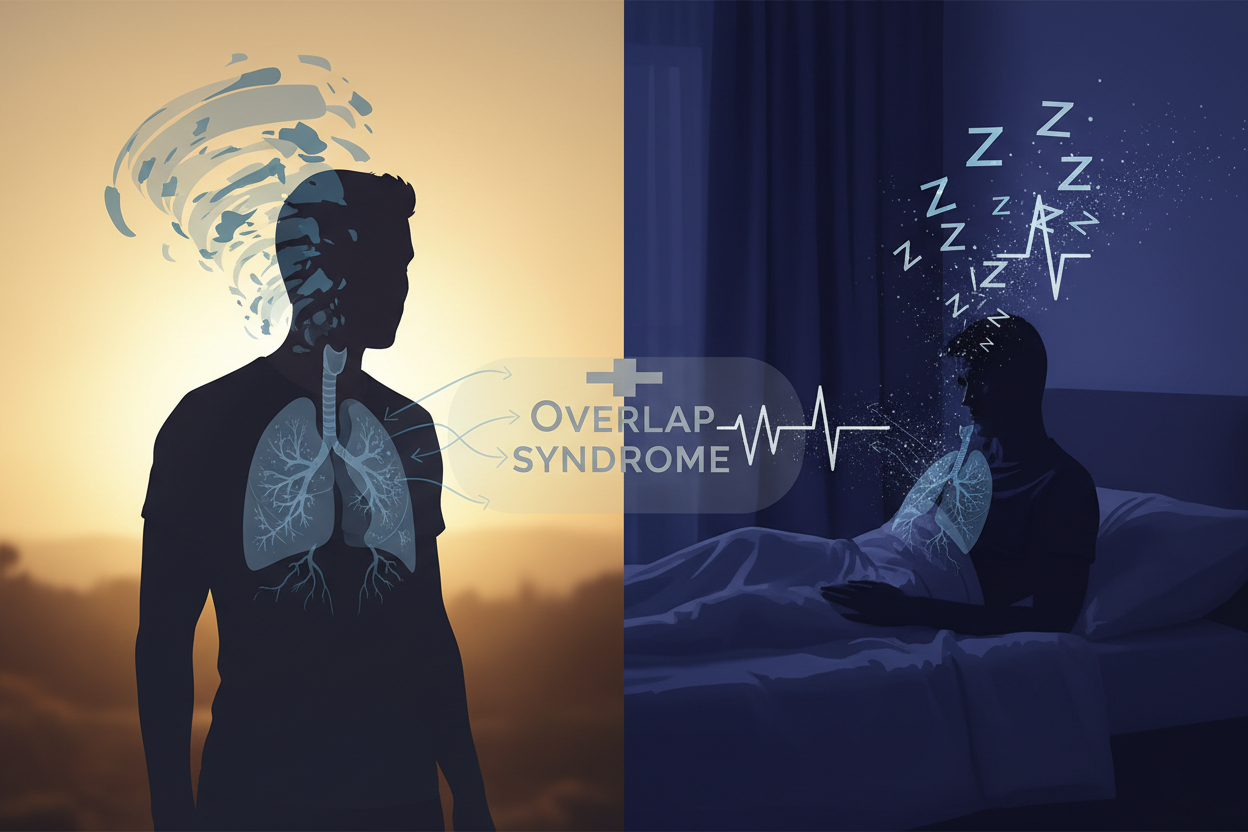
Living with both COPD and sleep apnea can feel like fighting a battle on two fronts. When these conditions occur together, it’s called Overlap Syndrome, and it affects millions of people worldwide. If you’re one of them, you know how exhausting it can be to struggle with breathing during the day and then face disrupted sleep at night.
The good news? Medical advances have brought us several breakthrough treatment options that can dramatically improve your quality of life. As someone who has worked with countless patients facing this dual challenge, I’ve seen firsthand how the right combination of treatments can transform lives. Let’s explore seven cutting-edge approaches that are changing the game for Overlap Syndrome management.
Understanding Overlap Syndrome: More Than the Sum of Its Parts
Before diving into treatments, it’s crucial to understand what makes Overlap Syndrome so challenging. COPD affects your ability to breathe properly due to damaged airways and lung tissue, while sleep apnea causes repeated breathing interruptions during sleep. When combined, these conditions create a perfect storm of respiratory complications.
The overlap isn’t just additive – it’s multiplicative. Patients with both conditions face significantly higher risks of heart problems, severe oxygen drops during sleep, and daytime fatigue that goes beyond what either condition would cause alone. This is why specialized treatment approaches are essential.
Treatment Option 1: Advanced BiPAP Therapy with Auto-Titrating Features
Traditional CPAP machines have been the gold standard for sleep apnea, but for Overlap Syndrome patients, BiPAP (Bilevel Positive Airway Pressure) therapy often works better. These machines provide different pressure levels for inhalation and exhalation, making breathing more comfortable for people with compromised lung function.
The latest breakthrough comes with auto-titrating BiPAP machines that automatically adjust pressure throughout the night based on your breathing patterns. These smart devices can detect when your COPD symptoms are flaring or when sleep apnea events are occurring, adjusting accordingly. Many patients report feeling more rested and experiencing fewer morning headaches with this technology.
What makes this particularly exciting is the integration of cloud-based monitoring systems. Your healthcare team can track your progress remotely and make adjustments without requiring frequent office visits – a game-changer for people with mobility limitations due to severe COPD.
Treatment Option 2: Targeted Oxygen Therapy During Sleep
Nocturnal oxygen therapy has evolved far beyond the basic supplemental oxygen of the past. New delivery systems can provide precisely calibrated oxygen levels that respond to your body’s changing needs throughout different sleep stages.
Smart oxygen concentrators now use advanced algorithms to detect drops in blood oxygen levels and deliver oxygen bursts exactly when needed. This targeted approach prevents the over-oxygenation that can sometimes worsen COPD symptoms while ensuring your brain and organs get adequate oxygen during sleep apnea events.
Some patients find that combining this with their BiPAP therapy creates a synergistic effect, where both treatments work better together than either would alone. The key is finding the right balance, which requires careful monitoring by your sleep medicine team.
Treatment Option 3: Bronchodilator Optimization with Sleep Considerations
Traditional COPD management often focuses solely on daytime symptoms, but breakthrough approaches now consider how medications affect sleep quality. Long-acting bronchodilators taken at specific times can improve nighttime breathing while minimizing sleep disruption.
New formulations of combination medications – those that include both bronchodilators and anti-inflammatory components – are being timed to provide peak effectiveness during sleep hours. This approach recognizes that COPD symptoms often worsen at night due to natural circadian rhythms and lying flat.
Some physicians are also exploring the use of nebulized medications specifically before bedtime, delivered through advanced mesh nebulizers that work more quietly and efficiently than traditional models. This can be particularly helpful for patients whose COPD symptoms spike during the night.
Treatment Option 4: Innovative Oral Appliance Therapy
While oral appliances have been used for sleep apnea for years, new designs specifically address the unique challenges faced by COPD patients. These custom-fitted devices not only keep airways open but also position the jaw and tongue to optimize airflow for people with compromised lung function.
The latest breakthrough involves adjustable oral appliances that can be fine-tuned over time as your condition changes. Some even incorporate sensors that track breathing patterns and can provide data to your healthcare team about treatment effectiveness.
What’s particularly promising is that many COPD patients who couldn’t tolerate CPAP or BiPAP machines find oral appliances much more comfortable. They’re especially beneficial for people who experience claustrophobia or have difficulty with mask fit due to facial changes from long-term steroid use.
Treatment Option 5: Pulmonary Rehabilitation with Sleep Focus
Traditional pulmonary rehabilitation programs are expanding to include sleep hygiene and breathing techniques specifically designed for nighttime use. These comprehensive programs now address the interconnected nature of daytime lung function and nighttime breathing quality.
New exercise protocols focus on strengthening the diaphragm and accessory breathing muscles that work overtime during sleep in Overlap Syndrome patients. Patients learn specific breathing techniques that can be used when they wake up during sleep apnea events, helping them return to sleep more quickly.
The integration of sleep education into pulmonary rehab has shown remarkable results. Patients learn how sleeping position, bedroom environment, and pre-sleep routines can significantly impact both their COPD symptoms and sleep apnea severity.
Treatment Option 6: Telemedicine and Remote Monitoring Systems
The healthcare landscape has been revolutionized by telemedicine, and Overlap Syndrome treatment has particularly benefited from these advances. Remote monitoring systems can track multiple parameters simultaneously – oxygen levels, sleep quality, medication adherence, and symptom patterns.
Wearable devices now provide continuous monitoring that gives healthcare providers unprecedented insight into how treatments are working in real-time. Some systems can even predict exacerbations before symptoms worsen, allowing for proactive treatment adjustments.
Virtual consultations have made it possible for patients to access specialized care regardless of their location or mobility limitations. This is particularly important for Overlap Syndrome patients who may have difficulty traveling to appointments due to severe fatigue or breathing difficulties.
Treatment Option 7: Integrated Care Coordination and Personalized Treatment Plans
Perhaps the most significant breakthrough isn’t a single treatment but rather the approach to care itself. Integrated care teams now include pulmonologists, sleep specialists, respiratory therapists, and other professionals working together to create truly personalized treatment plans.
Advanced data analytics help identify patterns unique to each patient, allowing for treatment modifications that consider individual responses, lifestyle factors, and disease progression. This personalized approach recognizes that no two Overlap Syndrome patients are exactly alike.
Care coordination platforms ensure that all team members have access to the same information, preventing treatment conflicts and ensuring that improvements in one area don’t inadvertently worsen symptoms in another.
The Road Ahead: Hope and Realistic Expectations
While these breakthrough treatments offer tremendous hope, it’s important to remember that managing Overlap Syndrome is typically a journey rather than a destination. Most patients find that combining several of these approaches works better than relying on any single treatment.
The key to success lies in working closely with your healthcare team to find the right combination of treatments for your specific situation. What works wonderfully for one person might need adjustment for another, and your needs may change as your conditions evolve.
Don’t be discouraged if the first treatment approach doesn’t provide immediate relief. Many patients need to try several options or combinations before finding their optimal treatment plan. The important thing is to keep working with your medical team and stay committed to the process.
Living with Overlap Syndrome presents unique challenges, but these seven breakthrough treatment options represent real hope for better days ahead. From smart machines that adjust to your needs throughout the night to comprehensive care teams that see you as a whole person rather than just a collection of symptoms, the future of Overlap Syndrome treatment is brighter than ever. Take heart in knowing that medical science continues to advance, and with the right combination of treatments and support, you can reclaim both your days and your nights.
Take Control of Your Nighttime Breathing
Don’t let sleep apnea silently accelerate your lung disease. Discover the natural breathing protocol that thousands of respiratory patients are using to restore healthy sleep patterns and protect their lung function.
