
How Sleep Apnea Damages Your Lungs: The Hidden Connection You Need to Know
When most people think about sleep apnea, they picture someone snoring loudly or gasping for air during the night. While these are certainly telltale signs of this common sleep disorder, what many don’t realize is that sleep apnea creates a domino effect throughout your body—particularly affecting your lungs in ways that can have lasting consequences for your respiratory health.
Sleep apnea affects approximately 22 million Americans, yet many cases remain undiagnosed. Beyond the obvious disruption to sleep quality, this condition creates a complex web of physiological changes that can gradually damage your lungs over time. Understanding this connection isn’t just academic—it’s crucial for anyone who wants to protect their long-term respiratory health and overall well-being.
Understanding Sleep Apnea and Its Immediate Effects on Breathing
Sleep apnea occurs when your breathing repeatedly stops and starts during sleep. The most common form, obstructive sleep apnea (OSA), happens when the muscles in your throat relax excessively, causing the airway to collapse or become blocked. This creates a cascade of events that immediately impacts your respiratory system.
During an apnea episode, your oxygen levels drop while carbon dioxide builds up in your bloodstream. Your brain, sensing this dangerous imbalance, jolts you awake just enough to restart breathing. This process can happen dozens or even hundreds of times per night, creating tremendous stress on your cardiovascular and respiratory systems.
Each time your airway becomes obstructed, your chest muscles and diaphragm work overtime trying to pull air through the blocked passage. This increased effort creates negative pressure within your chest cavity, placing unusual strain on your lungs and the delicate structures surrounding them.
The Oxygen Deprivation Cycle and Lung Function
One of the most significant ways sleep apnea damages your lungs is through chronic oxygen deprivation, medically known as hypoxemia. When your breathing stops during sleep, the oxygen levels in your blood can drop dramatically—sometimes falling below 80% when normal levels should remain above 95%.
This repeated oxygen starvation forces your lungs to work harder during waking hours to compensate for the nighttime deficits. Over time, this increased workload can lead to inflammation in the lung tissues and changes in the small air sacs called alveoli, where oxygen exchange occurs.
The constant cycle of oxygen deprivation and recovery also triggers the release of inflammatory chemicals throughout your body. These substances can cause swelling and irritation in your airways, making it progressively more difficult for your lungs to function efficiently even when you’re awake and breathing normally.
Pulmonary Hypertension: When Sleep Apnea Pressures Your Lungs
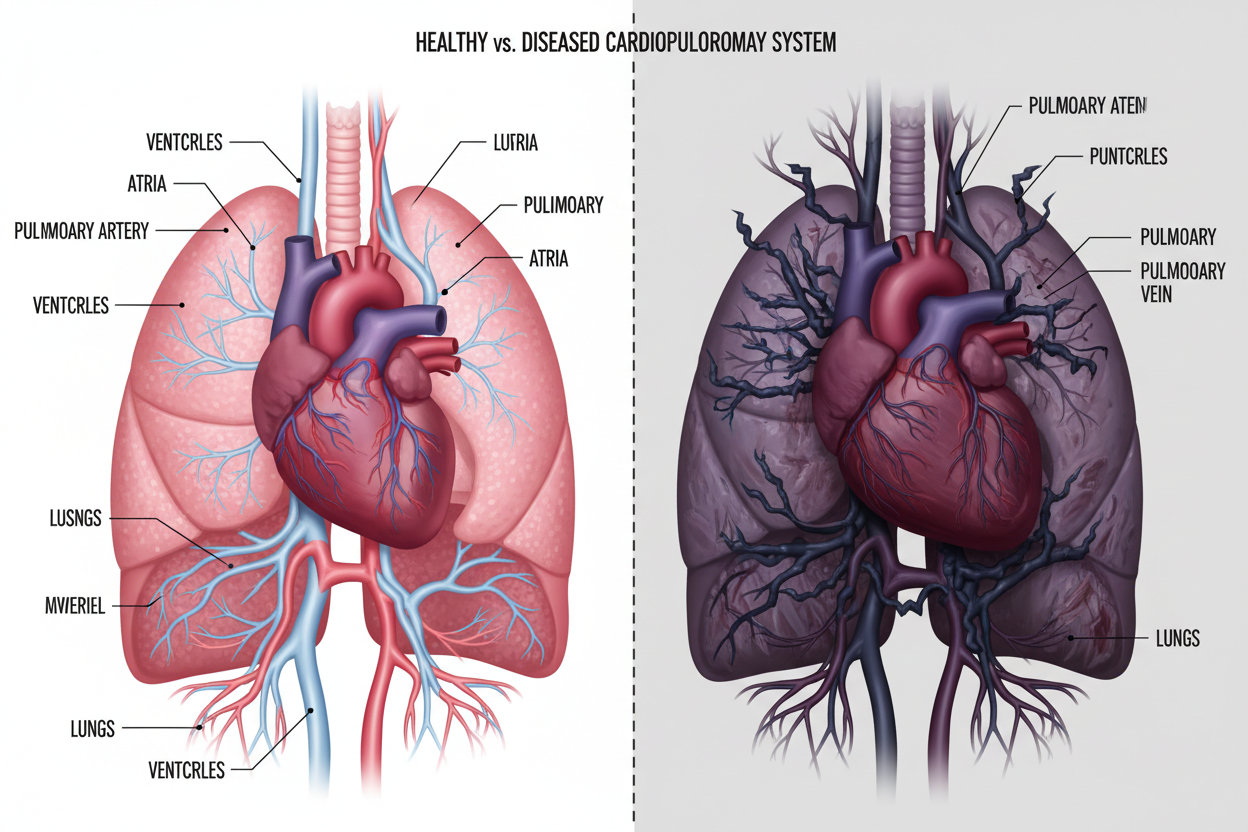
Perhaps one of the most serious lung-related complications of untreated sleep apnea is the development of pulmonary hypertension—abnormally high blood pressure in the arteries that carry blood from your heart to your lungs. This condition develops gradually as your body attempts to cope with the repeated episodes of low oxygen levels.
When oxygen levels drop during apnea episodes, the blood vessels in your lungs constrict in an attempt to redirect blood flow to areas with better oxygen availability. While this is initially a protective mechanism, the repeated constriction and relaxation of these vessels causes them to become thick and stiff over time.
As pulmonary hypertension progresses, your heart must work increasingly harder to pump blood through your lungs. This additional strain can lead to right heart failure, a serious condition where the right side of your heart becomes enlarged and weakened. The combination of damaged lung blood vessels and an overworked heart creates a dangerous cycle that can significantly impact your quality of life and longevity.
Inflammation and Airway Remodeling
Sleep apnea doesn’t just affect the large airways that become obstructed during episodes—it also impacts the smaller airways throughout your lungs through a process called airway remodeling. The repeated trauma of forceful breathing efforts and oxygen fluctuations triggers chronic inflammation that can permanently alter the structure of your respiratory system.
This inflammatory process causes the smooth muscle around your airways to thicken and the walls of your air passages to become swollen and scarred. Over time, these changes can make your airways more prone to collapse and less efficient at moving air in and out of your lungs, even during normal breathing.
Research has shown that people with sleep apnea often have elevated levels of inflammatory markers in their blood, including C-reactive protein and interleukin-6. These substances don’t just indicate inflammation—they actively contribute to ongoing tissue damage throughout your respiratory system.
The Connection Between Sleep Apnea and Respiratory Infections
Another often-overlooked consequence of sleep apnea is an increased susceptibility to respiratory infections. The combination of chronic inflammation, compromised immune function from poor sleep quality, and changes in airway structure creates an environment where bacteria and viruses can more easily take hold.
People with untreated sleep apnea frequently experience more frequent and severe upper respiratory infections, including sinusitis, bronchitis, and pneumonia. The disrupted sleep patterns associated with the condition also impair your immune system’s ability to fight off these infections effectively.
Additionally, the mouth breathing that often accompanies sleep apnea bypasses your nose’s natural filtering and humidifying functions, allowing dry, unfiltered air to irritate your throat and lungs. This irritation can make your respiratory tissues more vulnerable to infection and slower to heal when problems do occur.
Long-Term Consequences: COPD and Sleep Apnea Overlap
One of the most concerning aspects of sleep apnea’s impact on lung health is its potential relationship with chronic obstructive pulmonary disease (COPD). While these are distinct conditions with different primary causes, they can coexist and compound each other’s effects in a phenomenon known as overlap syndrome.
Studies suggest that people with both sleep apnea and COPD face significantly worse outcomes than those with either condition alone. The combination leads to more severe oxygen deprivation during sleep, increased risk of respiratory failure, and higher rates of hospitalization and death.
Even in people without existing COPD, the chronic inflammation and repeated stress on lung tissues caused by sleep apnea may contribute to the development of similar respiratory problems over time. This underscores the importance of treating sleep apnea not just for better sleep, but for long-term lung health preservation.
Recognizing the Warning Signs
Understanding how sleep apnea affects your lungs is crucial, but recognizing the warning signs is equally important. While loud snoring and daytime fatigue are the most well-known symptoms, lung-related signs may include shortness of breath during normal activities, frequent respiratory infections, or a persistent feeling that you can’t catch your breath.
Many people dismiss these symptoms as signs of aging or being out of shape, but when combined with sleep disturbances, they may indicate that sleep apnea is already impacting your respiratory health. Morning headaches, difficulty concentrating, and waking up feeling unrested despite spending adequate time in bed are additional red flags that shouldn’t be ignored.
If you’re experiencing any combination of these symptoms, it’s worth discussing sleep apnea screening with your healthcare provider. Early detection and treatment can prevent or slow the progression of lung damage and improve both your sleep quality and respiratory health.
Treatment Options and Lung Health Recovery
The encouraging news is that treating sleep apnea can help prevent further lung damage and, in some cases, allow for partial recovery of respiratory function. Continuous positive airway pressure (CPAP) therapy remains the gold standard treatment, working by keeping your airways open throughout the night and preventing the oxygen fluctuations that damage your lungs.
Studies have shown that consistent CPAP use can reduce inflammation markers, improve oxygen levels during sleep, and help normalize blood pressure in the lungs. While some structural changes may be permanent, many of the functional improvements in breathing and exercise tolerance can be significant with proper treatment.
Other treatment options, including oral appliances, positional therapy, and in some cases surgery, may also help reduce the impact on your lungs. The key is finding the right approach for your specific situation and using it consistently to give your respiratory system the best chance to heal and function optimally.
Conclusion
The relationship between sleep apnea and lung damage represents a critical health connection that too many people overlook until serious problems develop. From oxygen deprivation and pulmonary hypertension to chronic inflammation and increased infection risk, untreated sleep apnea creates a perfect storm for respiratory complications that can impact your health for years to come.
However, understanding this connection also empowers you to take action. If you suspect you might have sleep apnea, don’t wait for symptoms to worsen. Seek evaluation from a healthcare provider who can assess your risk factors and recommend appropriate testing. Remember, protecting your lungs isn’t just about avoiding smoking or air pollution—it’s also about ensuring you get the restorative, uninterrupted sleep your respiratory system needs to stay healthy.
Your lungs work tirelessly every moment of every day to keep you alive and healthy. By addressing sleep apnea promptly and effectively, you’re giving them the support they need to continue serving you well for years to come. The hidden connection between sleep and lung health is no longer hidden—now it’s time to act on this knowledge to protect your respiratory future.
Take Control of Your Nighttime Breathing
Don’t let sleep apnea silently accelerate your lung disease. Discover the natural breathing protocol that thousands of respiratory patients are using to restore healthy sleep patterns and protect their lung function.
