
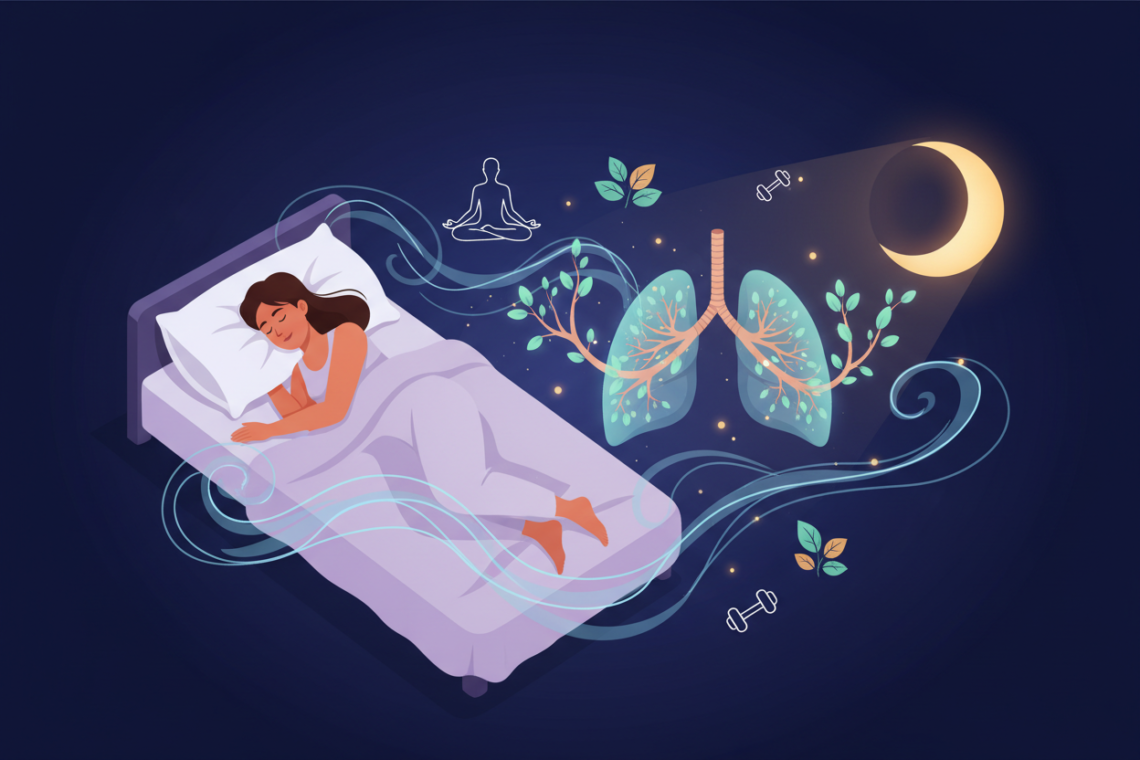
CPAP-Free Living: Alternative Treatments for Nocturnal Hypoxemia
If you’ve been diagnosed with sleep apnea or nocturnal hypoxemia, chances are your doctor mentioned CPAP therapy as the gold standard treatment. While CPAP machines are undeniably effective, they’re not always the perfect fit for everyone. The bulky equipment, constant noise, and mask discomfort can make some people feel like they’re trading one sleep problem for another.
The good news? You’re not stuck with just one option. There’s a whole world of alternative treatments that can help you breathe better at night without being tethered to a machine. Whether you’re CPAP-intolerant, looking for supplementary treatments, or simply exploring your options before committing to traditional therapy, this comprehensive guide will walk you through proven alternatives that could transform your sleep quality.
Understanding Nocturnal Hypoxemia: More Than Just Snoring
Before diving into solutions, let’s get clear on what we’re dealing with. Nocturnal hypoxemia occurs when your blood oxygen levels drop below normal during sleep. While sleep apnea is the most common cause, it’s not the only one. Chronic obstructive pulmonary disease (COPD), heart conditions, and even certain medications can contribute to nighttime oxygen dips.
The symptoms often extend far beyond the bedroom. You might experience morning headaches, daytime fatigue that no amount of coffee can fix, difficulty concentrating, or mood changes that strain your relationships. These aren’t just inconveniences – they’re signs that your brain and body aren’t getting the oxygen they need to function optimally.
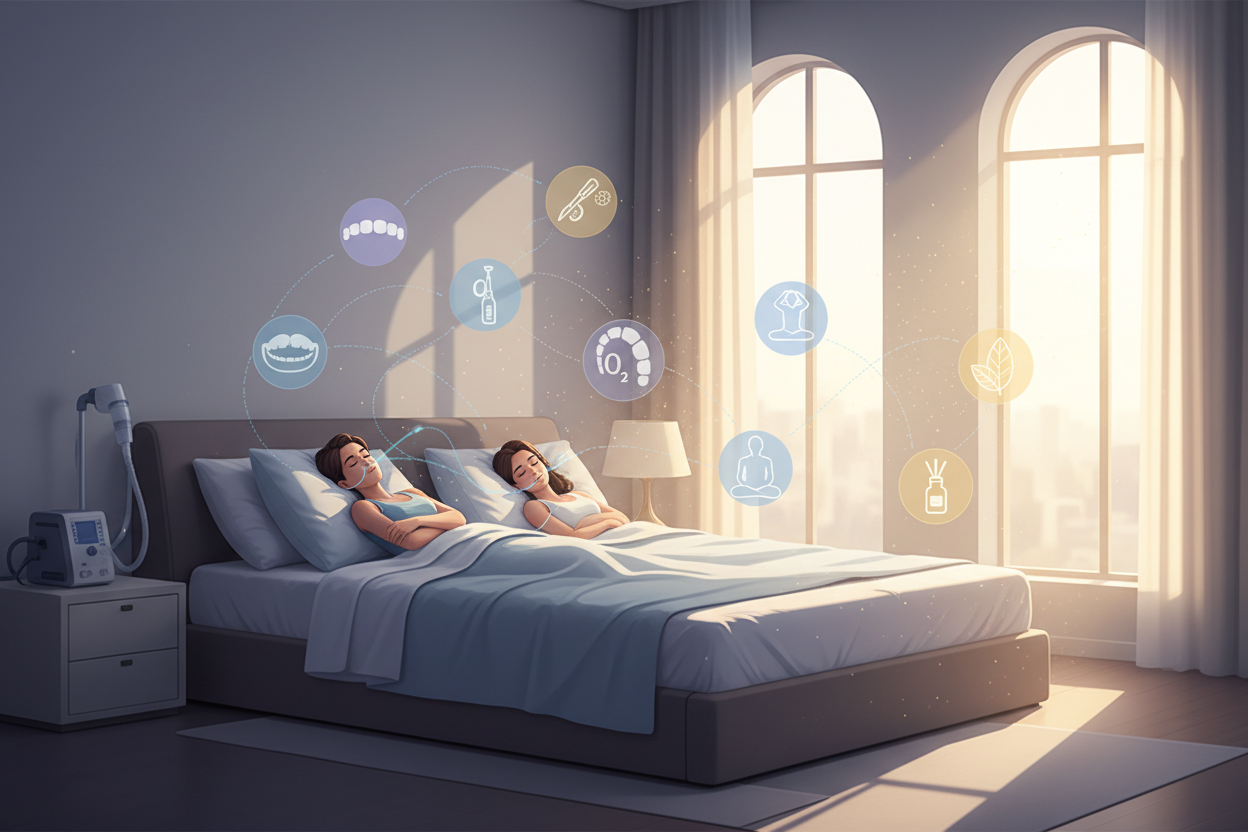
What makes this condition particularly tricky is that many people don’t realize they have it. Your partner might notice your loud snoring or breathing pauses, but you’re blissfully unaware because you’re asleep. This is why proper diagnosis through sleep studies remains crucial, even when exploring alternative treatments.
Oral Appliance Therapy: A Comfortable First Alternative
Think of oral appliances as the more comfortable cousin of CPAP therapy. These custom-fitted devices work by repositioning your jaw or tongue to keep your airway open during sleep. Unlike the one-size-fits-all approach of some treatments, oral appliances are tailored specifically to your mouth’s unique structure.
Mandibular advancement devices (MADs) are the most common type, gently moving your lower jaw forward to prevent airway collapse. Tongue retaining devices, on the other hand, hold your tongue in a forward position using suction. Both approaches can significantly reduce apnea episodes and improve oxygen levels without the need for electricity or masks.
The beauty of oral appliance therapy lies in its simplicity and portability. There’s no machine to lug around during travel, no electricity required, and no partner complaints about noise. Many users report better compliance rates compared to CPAP therapy, simply because the devices are less intrusive to their sleep routine.
However, oral appliances work best for mild to moderate sleep apnea. If you have severe sleep apnea, you might need to combine this approach with other treatments or consider it as a stepping stone while working on lifestyle modifications.
Positional Therapy: Harnessing the Power of Sleep Position
Sometimes the simplest solutions are the most effective. If your sleep apnea primarily occurs when sleeping on your back – a condition called positional sleep apnea – changing your sleep position might be all you need. This affects roughly half of all sleep apnea patients, making it a surprisingly common and treatable variant.
The traditional “tennis ball technique” involves sewing a tennis ball into the back of your pajama shirt, making back-sleeping uncomfortable enough to encourage side-sleeping. While effective, modern positional therapy has evolved far beyond this DIY approach. Today’s devices include comfortable chest-worn sensors that gently vibrate when you roll onto your back, training your body to maintain side-sleeping positions.
Specialized positional pillows and wedges can also help maintain proper alignment throughout the night. These aren’t just regular pillows – they’re engineered to support your body in positions that naturally keep your airway open. Some people find success with adjustable beds that elevate the head slightly, reducing the gravitational effects that contribute to airway collapse.
What’s particularly appealing about positional therapy is its non-invasive nature and immediate availability. You can start experimenting with sleep positions tonight, though it may take several weeks to retrain your natural sleeping habits.
Weight Management: Addressing the Root Cause
While not everyone with sleep apnea is overweight, excess weight – particularly around the neck and throat area – significantly increases the risk of airway obstruction. Even modest weight loss can lead to dramatic improvements in sleep apnea symptoms, with some people achieving complete resolution of their condition.
The relationship between weight and sleep apnea creates what doctors call a “vicious cycle.” Poor sleep affects hormones that regulate hunger and metabolism, making weight loss more difficult. Meanwhile, excess weight worsens sleep apnea, leading to poorer sleep quality. Breaking this cycle requires a comprehensive approach that addresses both sleep and metabolic health.
Sustainable weight loss strategies focus on gradual changes rather than crash diets. This might include working with a nutritionist to develop meal plans that support both weight loss and better sleep, incorporating regular exercise that doesn’t interfere with sleep schedules, and addressing emotional eating patterns that might be exacerbated by sleep deprivation.
The timeline for seeing improvements varies, but many people notice changes in their sleep quality within 10-15 pounds of weight loss. This positive feedback can be incredibly motivating and help maintain momentum toward longer-term health goals.
Breathing Exercises and Myofunctional Therapy
Your tongue and throat muscles play a crucial role in keeping your airway open during sleep. Just like any other muscles in your body, they can be strengthened through targeted exercises. Myofunctional therapy focuses on improving the coordination and strength of muscles involved in breathing, swallowing, and speaking.
These exercises might seem simple – tongue stretches, throat muscle strengthening, and breathing pattern training – but research shows they can reduce sleep apnea severity by up to 50% in some cases. The key is consistency and proper technique, which is why working with a trained myofunctional therapist often yields better results than trying to go it alone.
Breathing exercises complement myofunctional therapy by teaching your body more efficient breathing patterns. Techniques borrowed from yoga, such as alternate nostril breathing and diaphragmatic breathing, can help reduce the work of breathing and improve overall respiratory function.
What makes this approach particularly valuable is its long-term benefits. Unlike devices that only work when you’re using them, strengthening your airway muscles creates lasting improvements that continue working 24/7.
Lifestyle Modifications That Make a Real Difference
Sometimes the most powerful treatments don’t come in a bottle or require a prescription. Simple lifestyle changes can significantly impact nocturnal hypoxemia, especially when combined with other treatment approaches.
Alcohol consumption, particularly in the evening, relaxes throat muscles and can worsen sleep apnea symptoms. Many people notice immediate improvements in their sleep quality when they stop drinking alcohol within three hours of bedtime. Similarly, smoking irritates and inflames airways, making obstruction more likely.
Sleep hygiene plays a crucial role in optimizing whatever treatment approach you choose. This includes maintaining consistent sleep schedules, creating a cool and dark sleep environment, and avoiding large meals or caffeine close to bedtime. These changes might seem minor, but they create the optimal conditions for restorative sleep.
Nasal congestion can force mouth breathing, which increases the risk of airway collapse. Addressing allergies, using nasal strips or dilators, or trying saline rinses can improve nasal breathing and reduce sleep apnea symptoms. For some people, treating underlying nasal issues eliminates their sleep apnea entirely.
Surgical Options: When Conservative Treatments Aren’t Enough
While surgery might not seem like an “alternative” treatment, modern surgical approaches offer options for people who want a permanent solution without nightly interventions. These procedures have evolved significantly from the painful surgeries of the past, with many now performed as outpatient procedures with minimal recovery time.
Upper airway stimulation therapy represents one of the most exciting developments in sleep apnea treatment. This involves implanting a small device that stimulates the nerve controlling tongue movement, preventing airway collapse during sleep. It’s like having a pacemaker for your breathing, working automatically without any conscious effort on your part.
Less invasive procedures include radiofrequency treatments that tighten loose tissue in the throat, laser-assisted procedures to reduce tissue volume, and minimally invasive techniques to address nasal obstruction. The key is finding a surgeon who specializes in sleep surgery and can recommend the most appropriate procedure based on your specific anatomy and sleep study results.
While surgical options require careful consideration and aren’t reversible like other treatments, they can offer freedom from nightly routines and devices for appropriate candidates.
Combining Approaches for Maximum Effectiveness
The most successful treatment plans often combine multiple approaches rather than relying on a single intervention. For example, you might use an oral appliance while working on weight loss and practicing breathing exercises. This multi-pronged approach addresses different aspects of the problem and can lead to better outcomes than any single treatment alone.
Starting with the least invasive options makes sense for most people. You might begin with positional therapy and lifestyle modifications while working with a myofunctional therapist. As you see improvements, you can decide whether additional interventions are necessary or if you’re satisfied with your current sleep quality.
Regular monitoring remains important regardless of which treatments you choose. Home sleep studies, oxygen saturation monitors, and smartphone apps that track sleep quality can help you objectively measure your progress and make informed decisions about your treatment plan.
Finding Your Path to Better Sleep
Living with nocturnal hypoxemia doesn’t have to mean accepting a lifetime of CPAP dependence. The alternatives we’ve explored offer hope for people seeking different approaches to better sleep and improved oxygen levels. From simple position changes to sophisticated oral appliances, from targeted exercises to surgical solutions, there’s likely an option that fits your lifestyle and preferences.
The key is working with healthcare providers who understand that one size doesn’t fit all when it comes to sleep disorders. A good sleep specialist will help you explore these alternatives systematically, monitoring your progress and adjusting your treatment plan as needed.
Remember that improving your sleep is an investment in every aspect of your health. Better oxygen levels during sleep translate to improved cognitive function, better mood regulation, enhanced immune function, and reduced risk of cardiovascular problems. Whatever path you choose toward CPAP-free living, you’re taking an important step toward reclaiming your sleep and your health.
Sweet dreams aren’t just a nice wish – with the right approach, they can be your new reality.
Take Control of Your Nighttime Breathing
Don’t let sleep apnea silently accelerate your lung disease. Discover the natural breathing protocol that thousands of respiratory patients are using to restore healthy sleep patterns and protect their lung function.
