
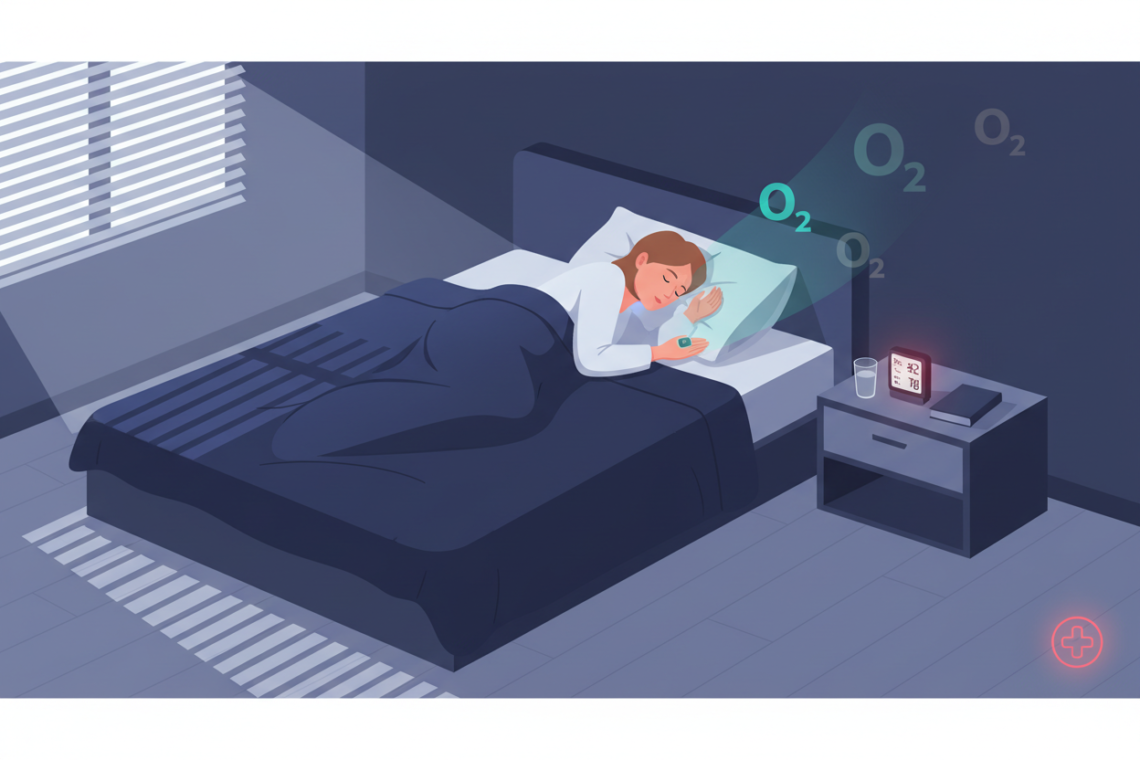
Emergency Protocol: What to Do When Oxygen Levels Drop at Night
Waking up gasping for air or feeling like you can’t breathe properly during the night is one of the most frightening experiences anyone can face. When oxygen levels drop while you’re sleeping, your body sends urgent signals that something isn’t right. Understanding what’s happening and knowing how to respond can literally be life-saving.
Nocturnal oxygen desaturation affects millions of people worldwide, yet many don’t realize they’re experiencing it until symptoms become severe. Whether you’re dealing with sleep apnea, chronic respiratory conditions, or sudden breathing difficulties, having a clear emergency protocol can make all the difference between a manageable situation and a medical crisis.
This comprehensive guide will walk you through recognizing the warning signs, implementing immediate response strategies, and knowing when to seek emergency medical care. You’ll also discover preventive measures that can help protect you from dangerous oxygen drops during sleep.
Recognizing the Warning Signs of Dropping Oxygen Levels
Your body has sophisticated ways of alerting you when oxygen levels become dangerously low. The most common immediate symptoms include sudden awakening with shortness of breath, rapid or irregular heartbeat, and an overwhelming sense of panic or anxiety. Many people describe feeling like they’re drowning or suffocating, even though they’re in a safe environment.
Physical signs that accompany oxygen desaturation often include bluish discoloration around the lips or fingertips, called cyanosis. You might also experience excessive sweating, dizziness, or confusion upon waking. Some individuals report a metallic taste in their mouth or severe headaches that seem to come from nowhere.
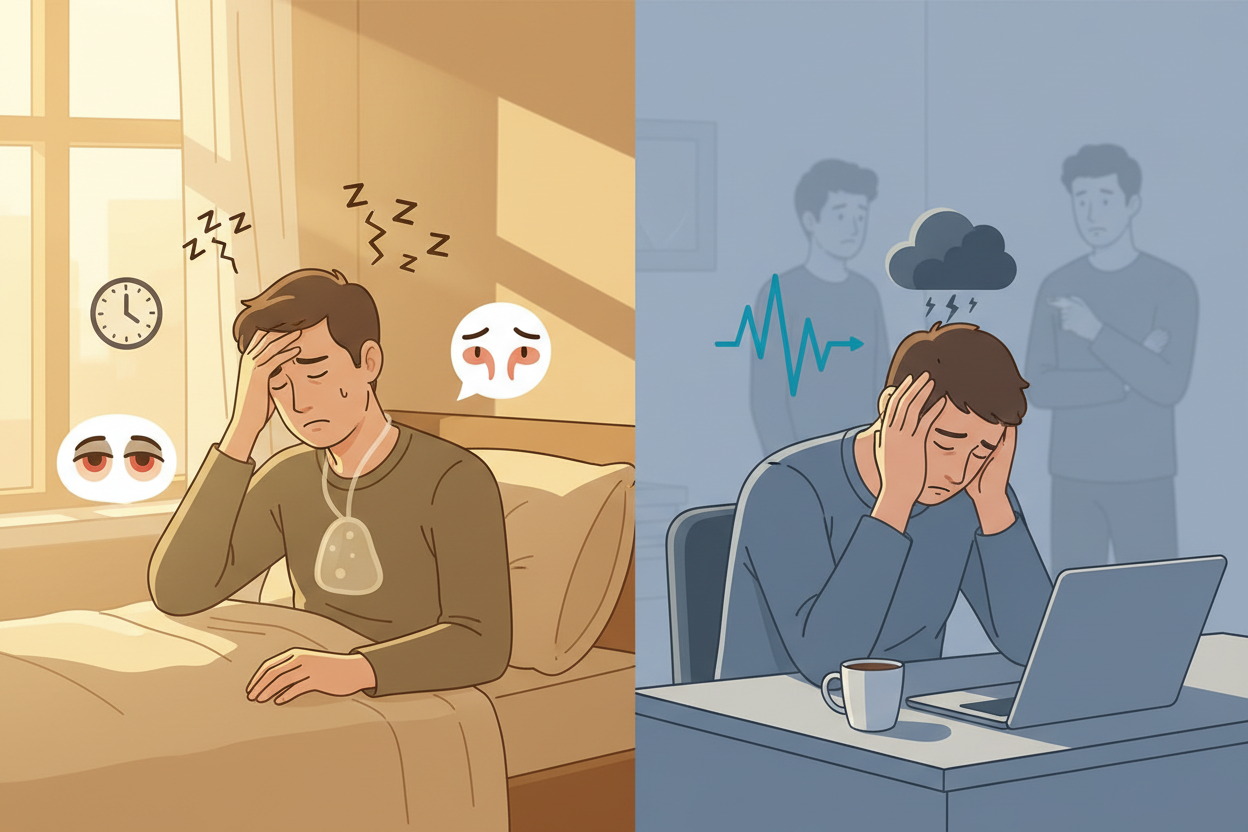
Chronic symptoms that develop over time can be more subtle but equally concerning. These include morning headaches that persist despite adequate sleep, excessive daytime fatigue that doesn’t improve with rest, and difficulty concentrating during the day. If you’re experiencing loud snoring followed by periods of silence, or if your partner notices you stop breathing during sleep, these are red flags that shouldn’t be ignored.
Immediate Response Steps When Oxygen Drops Occur
When you wake up struggling to breathe, your first instinct might be to panic, but staying calm is crucial for effective response. Start by sitting up immediately – this position helps open your airways and makes breathing easier. Avoid lying flat, as this can worsen breathing difficulties and make oxygen levels drop further.
Focus on controlled breathing techniques to maximize oxygen intake. Try the 4-7-8 method: inhale through your nose for 4 counts, hold your breath for 7 counts, then exhale slowly through your mouth for 8 counts. If this feels too restrictive during an emergency, simply focus on slow, deep breaths through your nose while keeping your mouth closed.
Remove any tight clothing around your neck or chest that might restrict breathing. Open windows or turn on fans to improve air circulation in your room. If you have a prescribed rescue inhaler or supplemental oxygen, use it according to your doctor’s instructions. For those with sleep apnea, immediately put on your CPAP or BiPAP machine if you weren’t already using it.
Monitor your symptoms closely during this time. If breathing doesn’t improve within 5-10 minutes, or if symptoms worsen, it’s time to consider emergency medical intervention. Keep a pulse oximeter nearby if you have one – oxygen saturation levels below 90% require immediate medical attention.
When to Call Emergency Services
Certain situations require immediate emergency medical care, and recognizing these scenarios can save your life. Call 911 immediately if you experience severe chest pain along with breathing difficulties, if your lips or fingertips turn blue or gray, or if you feel like you’re going to lose consciousness.
Other emergency indicators include inability to speak in full sentences due to breathlessness, rapid heart rate over 120 beats per minute that doesn’t slow down, or if breathing difficulties don’t improve after 10-15 minutes of intervention. If you have a pulse oximeter and your oxygen saturation drops below 88%, this constitutes a medical emergency.
Don’t hesitate to seek help if you’re unsure about the severity of your symptoms. Emergency room physicians would rather see you for a false alarm than have you suffer serious complications from delayed treatment. Remember that oxygen deprivation can cause rapid deterioration, and what seems manageable one moment can become life-threatening the next.
While waiting for emergency services, continue the breathing techniques mentioned earlier and try to stay as calm as possible. Have someone stay with you if available, and gather any relevant medical information, including current medications and known medical conditions.
Common Causes of Nighttime Oxygen Drops
Sleep apnea stands as the most frequent culprit behind nighttime oxygen desaturation. This condition causes repeated interruptions in breathing during sleep, with obstructive sleep apnea being the most common type. The soft tissues in your throat relax and block the airway, preventing proper oxygen flow to your lungs and bloodstream.
Chronic respiratory conditions like asthma, chronic obstructive pulmonary disease (COPD), or pulmonary fibrosis can worsen at night due to natural circadian rhythm changes in lung function. These conditions may cause inflammation or scarring that interferes with normal oxygen exchange, particularly when lying flat for extended periods.
Heart conditions, including congestive heart failure or irregular heart rhythms, can also lead to nighttime breathing problems. When your heart can’t pump blood effectively, fluid can accumulate in your lungs, making it harder to breathe and reducing oxygen levels. This is why many people with heart conditions sleep better with their head elevated.
Environmental factors shouldn’t be overlooked either. High altitude locations, poor air quality, or allergens in your bedroom can contribute to oxygen level drops. Even something as simple as sleeping in a poorly ventilated room or having a severe cold can temporarily affect your body’s ability to maintain adequate oxygen levels during sleep.
Prevention Strategies for Better Nighttime Oxygen Levels
Creating an optimal sleep environment forms the foundation of preventing nighttime oxygen drops. Ensure your bedroom has good ventilation and consider using an air purifier to remove allergens and pollutants. Maintain humidity levels between 30-50% to prevent airway irritation, and keep your sleeping area clean and dust-free.
Sleep positioning plays a crucial role in maintaining open airways throughout the night. Sleeping on your side rather than your back can prevent your tongue and soft tissues from blocking your airway. If you must sleep on your back, elevate your head with an extra pillow or adjustable bed to reduce the likelihood of airway collapse.
Lifestyle modifications can significantly impact your nighttime oxygen levels. Maintaining a healthy weight reduces the risk of sleep apnea, while avoiding alcohol and sedatives before bedtime prevents excessive muscle relaxation that can obstruct breathing. Regular exercise improves overall respiratory function, but avoid vigorous workouts within four hours of bedtime.
If you have diagnosed sleep apnea, consistent use of your CPAP or BiPAP machine is essential. Clean your equipment regularly according to manufacturer instructions, and replace filters and masks as recommended. For those with chronic respiratory conditions, work closely with your healthcare provider to optimize your treatment plan and ensure proper medication management.
Long-term Management and Medical Support
Addressing recurring nighttime oxygen drops requires comprehensive medical evaluation and ongoing management. Start by consulting with a sleep medicine specialist who can conduct proper sleep studies to identify the root cause of your breathing difficulties. These studies provide valuable data about your oxygen levels, breathing patterns, and sleep quality throughout the night.
Treatment options vary depending on the underlying cause but may include continuous positive airway pressure (CPAP) therapy, oral appliances, or surgical interventions for sleep apnea. For respiratory conditions, your doctor might adjust medications, recommend pulmonary rehabilitation, or prescribe supplemental oxygen for nighttime use.
Regular monitoring becomes essential for long-term success. Keep a sleep diary documenting your symptoms, sleep quality, and any factors that might influence your breathing at night. Home pulse oximetry can help track your oxygen levels, but always discuss results with your healthcare provider rather than making treatment decisions independently.
Building a support network that includes family members, healthcare providers, and potentially other individuals with similar conditions can provide valuable emotional support and practical advice. Many people find that joining support groups or online communities helps them stay motivated with treatment compliance and learn new management strategies.
Conclusion
Nighttime oxygen drops represent a serious health concern that requires both immediate response knowledge and long-term management strategies. By recognizing warning signs early, implementing proper emergency protocols, and working with healthcare professionals to address underlying causes, you can significantly reduce the risks associated with nocturnal oxygen desaturation.
Remember that prevention remains your best defense against dangerous oxygen level drops during sleep. Creating an optimal sleep environment, maintaining healthy lifestyle habits, and following prescribed treatments consistently can help ensure restful, safe nights. However, never hesitate to seek emergency medical care when symptoms are severe or don’t respond to initial interventions.
Your breathing health directly impacts every aspect of your well-being, from cognitive function to cardiovascular health. Taking proactive steps to protect your nighttime oxygen levels isn’t just about getting better sleep – it’s about safeguarding your overall health and quality of life. Stay vigilant, stay informed, and don’t ignore the warning signs your body provides.
Take Control of Your Nighttime Breathing
Don’t let sleep apnea silently accelerate your lung disease. Discover the natural breathing protocol that thousands of respiratory patients are using to restore healthy sleep patterns and protect their lung function.
