
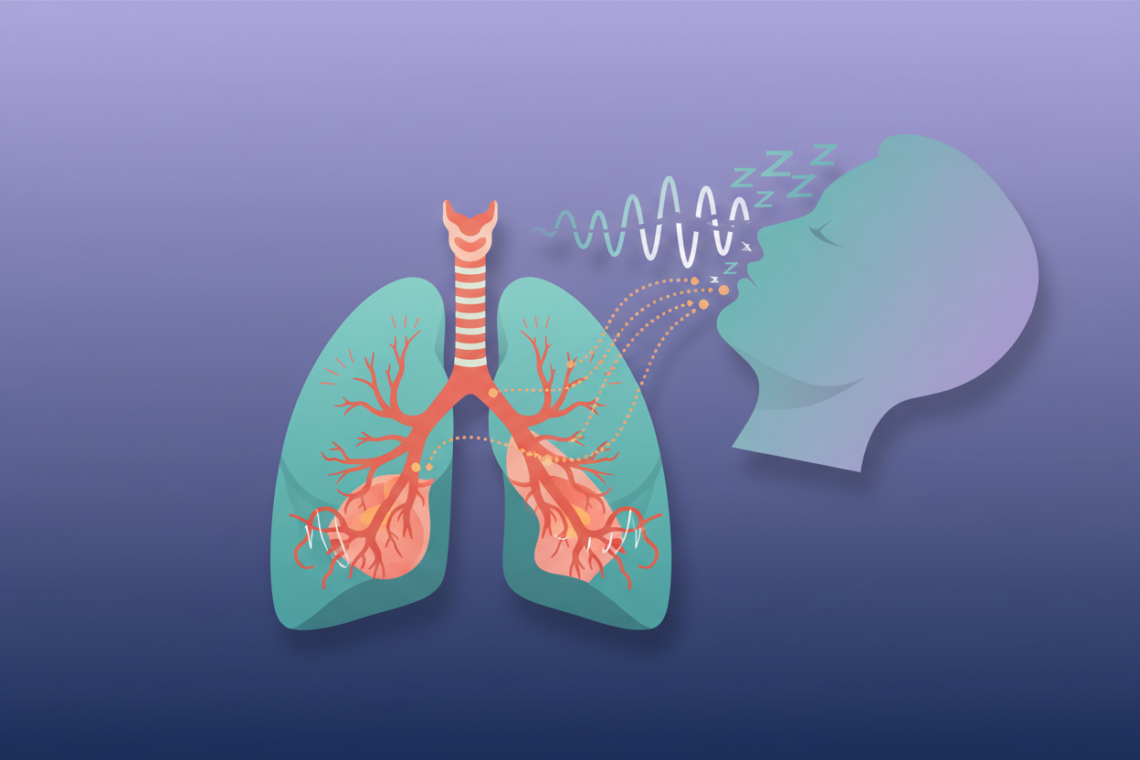
The Hidden Link: How Chronic Bronchitis Triggers Sleep Apnea
If you’ve ever found yourself gasping for air in the middle of the night or waking up feeling like you haven’t slept at all, you might be dealing with more than just one respiratory condition. The connection between chronic bronchitis and sleep apnea is like a domino effect that many people don’t realize exists until they’re caught in its grip. As someone who has spent years researching respiratory health, I’ve witnessed countless patients struggle with this double burden, often unaware that their daytime breathing problems are directly contributing to their nighttime sleep disruptions.
Understanding this hidden relationship isn’t just academic curiosity—it’s potentially life-changing information that could explain why your sleep quality has deteriorated alongside your respiratory symptoms. Let’s dive deep into how these two conditions intertwine and what you can do about it.
Understanding Chronic Bronchitis: More Than Just a Persistent Cough
Chronic bronchitis isn’t your typical winter cough that disappears after a few weeks. It’s a relentless condition characterized by inflammation of the bronchial tubes that carry air to your lungs. When we talk about chronic bronchitis, we’re describing a cough that produces mucus for at least three months in two consecutive years, accompanied by other symptoms that can make daily life challenging.
The hallmarks of chronic bronchitis include persistent coughing, excessive mucus production, shortness of breath during physical activity, and frequent respiratory infections. What makes this condition particularly insidious is how it gradually changes your breathing patterns throughout the day. Your airways become narrowed and inflamed, forcing your respiratory system to work overtime just to maintain normal oxygen levels.

Most people with chronic bronchitis develop compensatory breathing habits during waking hours. They might breathe more shallowly, take frequent breaks during activities, or unconsciously adjust their posture to ease breathing. However, these conscious adaptations disappear when sleep takes over, setting the stage for nighttime respiratory complications.
Sleep Apnea Explained: When Breathing Stops During Sleep
Sleep apnea is fundamentally different from chronic bronchitis, yet the two conditions share a troubling compatibility. While chronic bronchitis affects the lower airways, sleep apnea typically involves the upper airway—specifically, the collapse or obstruction of tissues in the throat and mouth during sleep.
There are three main types of sleep apnea, but obstructive sleep apnea (OSA) is by far the most common and the type most closely linked to chronic bronchitis. During OSA episodes, the soft tissues in your throat relax and block your airway, causing breathing to stop for 10 seconds or longer. Your brain eventually realizes oxygen levels are dropping and briefly wakes you up to restart breathing, though you might not remember these micro-awakenings.
The symptoms of sleep apnea extend far beyond snoring. People with this condition often experience morning headaches, daytime fatigue, difficulty concentrating, irritability, and the sensation of choking or gasping during sleep. What’s particularly concerning is that many individuals with sleep apnea don’t realize they have it, attributing their symptoms to stress, aging, or other health conditions.
The Physiological Connection: How One Condition Feeds the Other
The relationship between chronic bronchitis and sleep apnea operates on multiple physiological levels, creating a cascade of effects that can worsen both conditions simultaneously. Understanding these mechanisms helps explain why treating one condition without addressing the other often leads to limited success.
Chronic inflammation plays a central role in this connection. The persistent inflammation in your bronchial tubes doesn’t stay localized—it triggers systemic inflammatory responses throughout your respiratory system. This widespread inflammation can affect the tissues in your upper airway, making them more prone to swelling and collapse during sleep. When your throat tissues are already inflamed from the chronic bronchitis, they become more susceptible to the relaxation and obstruction that characterizes sleep apnea.
Oxygen levels represent another crucial link. Chronic bronchitis reduces your lungs’ efficiency at exchanging oxygen and carbon dioxide, leading to lower baseline oxygen levels throughout the day. When sleep apnea episodes occur on top of this already compromised oxygen status, the drops in blood oxygen become more severe and potentially dangerous. Your body struggles to maintain adequate oxygenation, leading to more frequent and intense awakening responses.
The mucus factor cannot be overlooked either. Chronic bronchitis produces excessive mucus that doesn’t magically disappear when you lie down to sleep. This mucus can pool in your airways when you’re horizontal, creating additional obstacles to airflow. Combined with the natural relaxation of throat muscles during sleep, this excess mucus can contribute to more frequent and severe apnea episodes.
Recognizing the Warning Signs: When Both Conditions Coexist
Identifying the coexistence of chronic bronchitis and sleep apnea can be challenging because many symptoms overlap or mask each other. However, certain warning signs should prompt you to consider whether both conditions might be affecting your health simultaneously.
Daytime fatigue that seems disproportionate to your chronic bronchitis symptoms is often the first clue. While chronic bronchitis can certainly cause tiredness due to increased effort required for breathing, the bone-deep exhaustion characteristic of sleep apnea adds another layer of fatigue. If you find yourself falling asleep during conversations, while watching television, or in other inappropriate situations despite getting what seems like adequate sleep time, sleep apnea might be the culprit.
Changes in your cough patterns, particularly at night, can also signal the presence of both conditions. Many people with chronic bronchitis notice their cough worsens when lying down, but if you’re experiencing episodes where coughing is preceded by gasping or choking sensations, sleep apnea might be triggering these events.
Morning symptoms provide another important diagnostic clue. While people with chronic bronchitis often experience morning cough and mucus production, the addition of severe morning headaches, dry mouth, or sore throat might indicate sleep apnea episodes are occurring throughout the night. The combination of both conditions often results in mornings that feel more like a battle to regain normal breathing than a refreshing start to the day.
The Vicious Cycle: How Each Condition Worsens the Other
Perhaps the most troubling aspect of the chronic bronchitis-sleep apnea connection is how each condition can worsen the other, creating a self-perpetuating cycle that becomes increasingly difficult to break without intervention.
Sleep apnea episodes cause repeated drops in oxygen levels and brief awakenings throughout the night. These oxygen fluctuations and sleep disruptions trigger stress responses in your body, including the release of inflammatory substances. For someone with chronic bronchitis, this additional inflammation can worsen the existing bronchial inflammation, leading to increased mucus production, more severe coughing, and greater airway restriction during waking hours.
Conversely, chronic bronchitis contributes to sleep apnea severity through several mechanisms. The chronic inflammation can cause swelling in upper airway tissues, making them more likely to collapse during sleep. The increased effort required to breathe during the day can lead to respiratory muscle fatigue, reducing the muscles’ ability to maintain proper airway tone during sleep. Additionally, medications commonly used to treat chronic bronchitis, particularly certain bronchodilators, can affect sleep quality and potentially worsen sleep apnea.
The sleep disruption caused by sleep apnea also impairs your immune system’s ability to manage the chronic inflammation of bronchitis. Poor sleep quality reduces your body’s production of anti-inflammatory substances and impairs the healing processes that might otherwise help manage chronic bronchitis symptoms. This creates a situation where each night of poor sleep makes your daytime respiratory symptoms worse, which in turn makes the next night’s sleep even more disrupted.
Treatment Approaches: Addressing Both Conditions Simultaneously
Successfully managing the combination of chronic bronchitis and sleep apnea requires a comprehensive approach that addresses both conditions simultaneously rather than treating them as separate issues. This integrated treatment strategy often yields better results than tackling each condition individually.
Continuous Positive Airway Pressure (CPAP) therapy remains the gold standard for sleep apnea treatment, but its benefits extend beyond just keeping airways open during sleep. For people with chronic bronchitis, CPAP can help reduce the inflammatory stress caused by repeated oxygen drops, potentially leading to improvements in daytime respiratory symptoms. The consistent positive pressure can also help clear mucus from airways, providing relief for both conditions.
However, CPAP therapy for people with chronic bronchitis requires careful consideration. The humidification settings become particularly important because the dry air from CPAP machines can worsen mucus production and airway irritation. Working with a sleep specialist who understands the complexities of respiratory comorbidities is essential for optimizing CPAP settings.
Medication management becomes more complex when both conditions are present. Bronchodilators used for chronic bronchitis can sometimes interfere with sleep quality, while sleep medications might worsen sleep apnea. The timing of medications becomes crucial—for instance, taking certain bronchodilators too close to bedtime might improve nighttime breathing but worsen sleep apnea severity.
Anti-inflammatory treatments can benefit both conditions simultaneously. Inhaled corticosteroids used for chronic bronchitis might help reduce upper airway inflammation that contributes to sleep apnea. Similarly, treating sleep apnea effectively can reduce systemic inflammation, potentially improving chronic bronchitis symptoms.
Lifestyle Modifications That Make a Difference
While medical treatments form the foundation of managing both chronic bronchitis and sleep apnea, lifestyle modifications can significantly impact both conditions and are often easier to implement than people expect.
Sleep positioning becomes critically important when both conditions coexist. Elevating the head of your bed by 6-8 inches can help with mucus drainage from chronic bronchitis while also reducing the likelihood of airway collapse during sleep apnea episodes. Side sleeping, particularly on your left side, can be beneficial for both conditions, though it may take time to adjust if you’re used to sleeping on your back.
Weight management, while challenging for people with respiratory conditions that limit exercise tolerance, can have profound effects on both chronic bronchitis and sleep apnea. Even modest weight loss can reduce the severity of sleep apnea episodes and decrease the inflammatory burden that worsens chronic bronchitis. The key is finding appropriate exercise options that work within your respiratory limitations.
Humidity control in your sleeping environment can significantly impact both conditions. Too little humidity can worsen airway irritation and mucus thickness, while too much can promote mold growth that triggers respiratory symptoms. Finding the optimal humidity level—typically between 40-50%—and maintaining it consistently can improve sleep quality and reduce daytime respiratory symptoms.
Timing of meals and beverages also matters more than most people realize. Eating large meals close to bedtime can worsen both conditions by increasing pressure on the diaphragm and promoting acid reflux, which can irritate already inflamed airways. Similarly, alcohol consumption can worsen both chronic bronchitis inflammation and sleep apnea severity.
When to Seek Professional Help
Recognizing when to seek professional help for the combination of chronic bronchitis and sleep apnea can be challenging, particularly because both conditions tend to develop gradually. However, certain red flags should prompt immediate medical attention.
If you’re experiencing severe morning headaches, episodes of gasping or choking during sleep that wake you up, or if family members report that you stop breathing during sleep, these warrant urgent evaluation. Similarly, if your chronic bronchitis symptoms are worsening despite treatment, or if you’re developing new symptoms like severe daytime fatigue or cognitive difficulties, the addition of sleep apnea should be considered.
The diagnostic process for both conditions has evolved significantly in recent years. Home sleep studies are now available for many people with suspected sleep apnea, making diagnosis more accessible and comfortable. However, people with chronic bronchitis might need more comprehensive in-lab studies to accurately assess how both conditions interact during sleep.
Working with a multidisciplinary team often provides the best outcomes. This might include a pulmonologist for chronic bronchitis management, a sleep specialist for sleep apnea treatment, and potentially other specialists depending on your specific situation. The key is ensuring all your healthcare providers communicate with each other about your treatment plan.
Living Well Despite Both Conditions
While having both chronic bronchitis and sleep apnea can feel overwhelming, many people successfully manage both conditions and maintain good quality of life. The key lies in understanding that this is a marathon, not a sprint, and that small, consistent improvements in management can lead to significant long-term benefits.
Developing a comprehensive daily routine that addresses both conditions can help you feel more in control of your health. This might include specific times for respiratory medications, consistent sleep and wake times, planned periods for airway clearance techniques, and regular monitoring of symptoms.
Technology can be your ally in managing both conditions. Smartphone apps can help track symptoms, medication timing, and sleep quality. Smart humidifiers can maintain optimal humidity levels automatically, while air quality monitors can alert you to environmental factors that might worsen your symptoms.
Building a support network is crucial for long-term success. This includes not just healthcare providers but also family members who understand your conditions, support groups (either in-person or online) with others facing similar challenges, and friends who can provide encouragement during difficult periods.
The hidden link between chronic bronchitis and sleep apnea represents both a challenge and an opportunity. While having both conditions can create a complex web of symptoms and treatments, understanding their connection empowers you to seek appropriate care and make informed decisions about your health. Remember that effective treatment is available, and with the right approach, you can break the cycle that keeps both conditions active and regain control over your breathing, your sleep, and your life. The journey might not always be easy, but recognizing this hidden connection is the first step toward breathing easier, both day and night.
Take Control of Your Nighttime Breathing
Don’t let sleep apnea silently accelerate your lung disease. Discover the natural breathing protocol that thousands of respiratory patients are using to restore healthy sleep patterns and protect their lung function.
