
Face Yoga for Sleep: Myofunctional Exercises That Change Lives
Have you ever considered that the secret to better sleep might literally be written all over your face? While most of us focus on meditation apps, blackout curtains, or counting sheep, there’s a fascinating world of facial exercises that could revolutionize your nighttime routine. Face yoga for sleep isn’t just another wellness trend – it’s a scientifically-backed approach that combines ancient wisdom with modern understanding of how our facial muscles impact our overall well-being.
I stumbled upon this practice during my own struggle with restless nights and tension headaches. After months of tossing and turning, a friend mentioned she’d been doing “face yoga” before bed. I’ll admit, I was skeptical. How could moving my face around possibly help me sleep better? But desperate times called for desperate measures, and what I discovered changed not just my sleep quality, but my entire approach to relaxation.
Understanding Myofunctional Therapy and Its Connection to Sleep
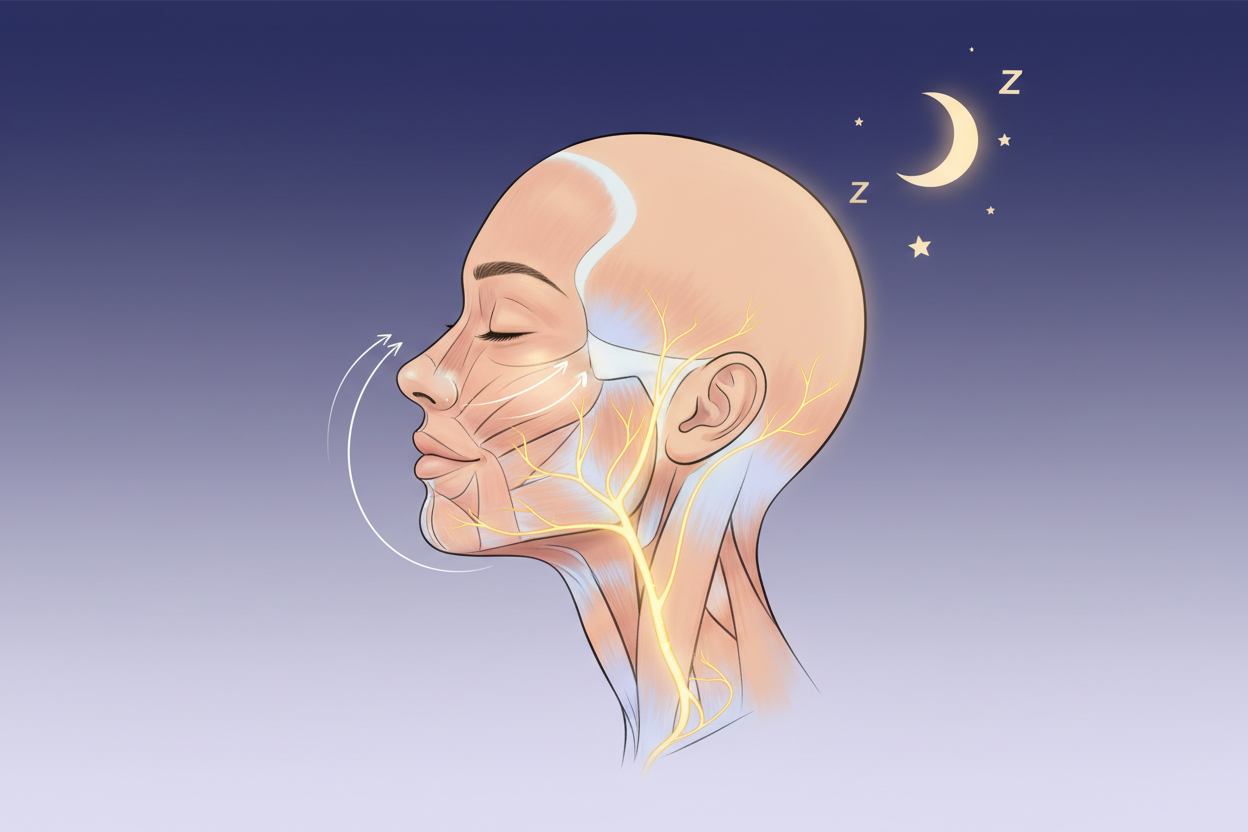
Myofunctional therapy focuses on the muscles of the face, mouth, and throat – areas that play crucial roles in breathing, swallowing, and yes, sleeping. These exercises target the orofacial muscles, which include everything from your jaw and tongue to the muscles around your eyes and forehead. When these muscles are tense, overactive, or improperly positioned, they can significantly impact your ability to fall asleep and stay asleep.
The connection between facial tension and sleep quality runs deeper than you might expect. Consider how stress manifests physically – we clench our jaws, furrow our brows, and tighten our facial muscles throughout the day. By evening, our faces carry the accumulated tension of our daily experiences. This muscular tension doesn’t magically disappear when we lie down; instead, it continues to send stress signals to our nervous system.
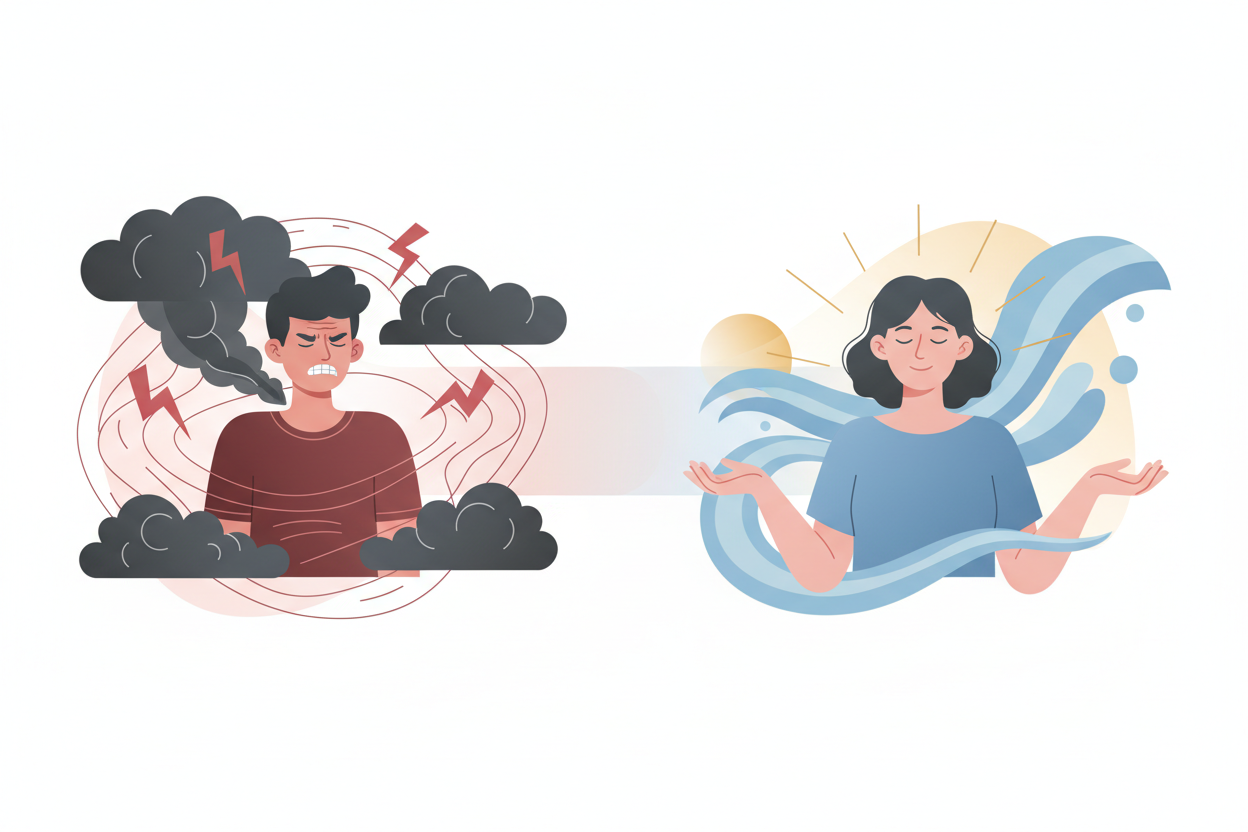
Research in sleep medicine has shown that facial muscle tension can interfere with the natural relaxation response needed for quality sleep. When we consciously release this tension through targeted exercises, we’re essentially giving our nervous system permission to shift into rest mode. It’s like switching from a high-alert state to a calm, receptive one – exactly what we need for restorative sleep.
The Science Behind Face Yoga and Sleep Quality
The scientific foundation for face yoga’s sleep benefits lies in several interconnected systems within our bodies. First, there’s the vagus nerve – our body’s longest cranial nerve that plays a crucial role in the parasympathetic nervous system. This nerve has branches that extend into facial muscles, particularly around the jaw and throat area. When we perform specific facial exercises, we can stimulate the vagus nerve, promoting the relaxation response that naturally prepares us for sleep.
Additionally, many people suffer from sleep-disordered breathing without even realizing it. Poor tongue posture, weak orofacial muscles, or improper breathing patterns can lead to snoring, sleep apnea, or simply restless sleep. Myofunctional exercises strengthen these muscles and improve their coordination, potentially reducing breathing disruptions during sleep.
The lymphatic system also benefits from facial exercises. Our faces contain numerous lymph nodes that help drain toxins and excess fluid. Gentle facial movements can stimulate lymphatic drainage, reducing puffiness and promoting the kind of physical comfort that supports better sleep. I’ve noticed that when I consistently practice face yoga, I wake up with less facial puffiness and feel more refreshed overall.
Essential Face Yoga Exercises for Better Sleep
Let me walk you through some of the most effective exercises I’ve incorporated into my bedtime routine. These aren’t complicated movements – in fact, their simplicity is part of their charm. You can do them while lying in bed, making them perfect for those moments when you’re already settled but your mind is still racing.
The jaw release exercise is perhaps the most immediately effective. Place your tongue gently on the roof of your mouth, then slowly open your jaw while keeping your tongue in position. Hold for five seconds, then close. This simple movement releases the incredible tension we hold in our jaw muscles from talking, chewing, and unconscious clenching throughout the day.
Eye socket massage involves using your fingertips to gently trace circles around your eye sockets, starting from the inner corners and moving outward. This exercise not only relieves tension around the eyes but also stimulates pressure points that traditional Chinese medicine associates with better sleep quality. The gentle pressure and circular motion create a meditative quality that helps quiet mental chatter.
Tongue exercises might feel unusual at first, but they’re incredibly powerful for improving sleep quality. Try pressing your tongue firmly against the roof of your mouth for ten seconds, then releasing. This strengthens the muscles that keep your airway open during sleep and can reduce snoring significantly.
Creating Your Personalized Bedtime Face Yoga Routine
Building a sustainable face yoga practice requires finding the right balance between effectiveness and simplicity. I recommend starting with just five minutes before bed – any longer and you might feel overwhelmed or lose interest. The key is consistency rather than duration.
Begin by creating a calming environment. Dim the lights, perhaps light a candle or diffuse some lavender essential oil. This isn’t just about the exercises themselves; you’re creating a ritual that signals to your body and mind that it’s time to transition into sleep mode. I’ve found that this environmental preparation amplifies the effectiveness of the exercises.
Start each session with three deep breaths while gently placing your hands on your face. Feel the warmth of your palms against your cheeks and allow your facial muscles to soften under this gentle touch. This simple beginning helps you connect with your body and sets an intention for relaxation.
Progress through your chosen exercises slowly and mindfully. Unlike other forms of exercise where we might push through discomfort, face yoga should always feel gentle and soothing. If any movement causes pain or excessive tension, modify it or skip it entirely. Your body’s feedback is the best guide for what works for you.
Real-Life Success Stories and Transformations
The transformative power of face yoga for sleep extends far beyond my personal experience. Sarah, a marketing executive I know, struggled with chronic insomnia for years. She’d tried everything from prescription sleep aids to expensive mattresses, but nothing provided lasting relief. After incorporating face yoga into her routine for just three weeks, she reported falling asleep 20 minutes faster on average and experiencing fewer middle-of-the-night awakenings.
What struck me most about Sarah’s story was how the practice affected more than just her sleep. She mentioned that her jaw pain from teeth grinding disappeared, her morning headaches became less frequent, and colleagues commented on how relaxed she looked during stressful meetings. This ripple effect seems common among people who commit to regular face yoga practice.
Another compelling case involves Mark, a shift worker whose irregular schedule made quality sleep nearly impossible. Traditional sleep hygiene advice didn’t apply to his situation – he needed to sleep during daylight hours and often felt wired when it was time to rest. Face yoga provided him with a portable, effective tool for relaxation that worked regardless of the time of day or his environment.
These stories highlight an important aspect of face yoga: its accessibility. Unlike many sleep interventions that require special equipment, specific environments, or significant lifestyle changes, face yoga can be practiced anywhere, anytime. This flexibility makes it particularly valuable for people with demanding schedules or unconventional living situations.
Addressing Common Concerns and Misconceptions
When I first started talking about face yoga, I encountered quite a bit of skepticism. The most common concern people express is whether these exercises might cause wrinkles or premature aging. This worry is understandable but largely unfounded when exercises are performed correctly. Face yoga, when done gently and mindfully, actually promotes better circulation and muscle tone, which can contribute to a more youthful appearance over time.
Another misconception is that face yoga requires significant time investment to be effective. While longer sessions can certainly be beneficial, even five minutes of targeted exercises can produce noticeable improvements in sleep quality. The key is regularity rather than duration. I’ve found that doing a few exercises consistently every night yields better results than sporadic longer sessions.
Some people worry about looking silly while performing the exercises, especially if they share a bedroom with a partner. I understand this concern – some of the facial expressions can feel unusual at first. However, most exercises can be done subtly, and many couples find that practicing together actually enhances their bedtime bonding routine.
There’s also a question about when results become apparent. While some people notice immediate relaxation benefits, sustainable improvements in sleep quality typically develop over two to four weeks of consistent practice. This timeline aligns with how long it generally takes to establish new neural pathways and muscle memory patterns.
Integrating Face Yoga with Other Sleep Wellness Practices
Face yoga works beautifully as a standalone practice, but it becomes even more powerful when integrated with other sleep wellness strategies. I’ve found that combining it with progressive muscle relaxation creates a comprehensive whole-body approach to bedtime preparation. After completing my face yoga routine, I often continue with gentle stretches or meditation, creating a seamless transition from active day mode to restful night mode.
The breathing component of face yoga naturally complements breathwork practices like the 4-7-8 technique or box breathing. Many of the facial exercises involve conscious breathing patterns that can serve as a bridge into deeper breathing practices. This integration helps maintain the relaxed state achieved through the facial exercises while further activating the parasympathetic nervous system.
Essential oils and aromatherapy can enhance the face yoga experience significantly. I particularly enjoy using a small amount of diluted lavender or chamomile oil on my fingertips during exercises that involve facial massage. The gentle scent creates an additional sensory cue for relaxation while the oils nourish the skin.
Technology can also play a supportive role. While I generally recommend limiting screen time before bed, there are several apps and online resources specifically designed for guided face yoga sessions. These can be particularly helpful when you’re first learning the exercises or want to explore new techniques.
Long-Term Benefits Beyond Better Sleep
What began as a quest for better sleep has evolved into a comprehensive wellness practice that impacts multiple aspects of my daily life. The improved facial muscle tone and reduced tension have translated into fewer headaches, less jaw pain, and even changes in how I carry stress throughout the day. I’ve become more aware of when I’m tensing my facial muscles during stressful situations and can consciously release that tension before it accumulates.
The mindfulness aspect of face yoga has been equally transformative. Taking a few minutes each evening to connect with my body through gentle, intentional movement has improved my overall body awareness. This heightened awareness extends beyond bedtime, helping me recognize and address physical tension before it becomes problematic.
Many practitioners report improvements in their overall facial appearance, including reduced puffiness, better skin tone, and a more relaxed expression. While these cosmetic benefits aren’t the primary goal, they’re certainly welcome additions to the sleep quality improvements.
Perhaps most importantly, face yoga has given me a sense of agency over my sleep quality. Instead of feeling helpless when faced with a restless night, I have concrete tools I can use to promote relaxation and prepare my body for rest. This psychological benefit – the confidence that comes from having effective self-care strategies – may be just as important as the physical effects of the exercises themselves.
Face yoga for sleep represents a beautiful intersection of ancient wisdom and modern understanding of how our bodies work. It’s a practice that honors the connection between physical tension and mental state while providing practical tools for improving one of the most fundamental aspects of our health: sleep quality. Whether you’re dealing with chronic insomnia, occasional restlessness, or simply want to enhance your bedtime routine, these gentle exercises offer a natural, accessible path to better rest and overall well-being.
Take Control of Your Nighttime Breathing
Don’t let sleep apnea silently accelerate your lung disease. Discover the natural breathing protocol that thousands of respiratory patients are using to restore healthy sleep patterns and protect their lung function.
