
Affiliate disclosure: This article contains affiliate links. We may earn a commission if you purchase through them, at no extra cost to you.
Beyond the Machine: Innovative Non-CPAP Hypoxemia Treatments
If you’ve ever watched a loved one struggle with a CPAP machine, you know the nightly ritual all too well. The mask adjustments, the noise complaints, and the inevitable morning when they wake up having torn it off in their sleep. For millions dealing with hypoxemia and sleep-related breathing disorders, the continuous positive airway pressure machine has long been the gold standard. But what if I told you that groundbreaking alternatives are reshaping how we approach oxygen deficiency treatment?
Hypoxemia, characterized by abnormally low oxygen levels in the blood, affects countless individuals worldwide. While CPAP machines have helped many, they’re not the perfect solution for everyone. The good news? Medical innovation has opened doors to exciting non-CPAP treatments that are proving just as effective, if not more so, for many patients.
Understanding Hypoxemia: More Than Just Low Oxygen
Before diving into innovative treatments, let’s establish what we’re dealing with. Hypoxemia occurs when your blood oxygen saturation drops below 90%, though symptoms can appear even at higher levels. This condition can stem from various causes including sleep apnea, chronic obstructive pulmonary disease, pneumonia, or even high-altitude exposure.
Traditional CPAP therapy works by maintaining continuous air pressure to keep airways open during sleep. While effective for many, studies show that up to 50% of patients struggle with CPAP compliance. The reasons are numerous: claustrophobia from the mask, skin irritation, dry mouth, or simply the disruption to their sleep routine.
This compliance challenge has sparked a revolution in alternative treatments, each targeting hypoxemia from different angles. These innovative approaches recognize that one size definitely doesn’t fit all when it comes to breathing disorders.
Oral Appliance Therapy: The Comfortable Alternative
One of the most promising non-CPAP treatments gaining traction is oral appliance therapy. These custom-fitted devices, resembling athletic mouthguards, work by repositioning the jaw and tongue to maintain open airways during sleep.
What makes oral appliances particularly appealing is their simplicity. There’s no electricity required, no masks to adjust, and no noise to disturb your partner. Recent clinical trials have shown that these devices can be as effective as CPAP for mild to moderate sleep apnea cases, with significantly higher patient satisfaction rates.
The key to success lies in proper fitting and regular adjustments. A qualified dentist or sleep specialist will create a personalized device based on detailed impressions of your mouth. While the initial adjustment period might involve some jaw tenderness, most patients adapt within a few weeks and report dramatically improved sleep quality.
Positional Therapy: Harnessing the Power of Sleep Position
Sometimes the simplest solutions are the most elegant. Positional therapy recognizes that many people experience hypoxemia primarily when sleeping on their backs. This position allows the tongue and soft tissues to collapse backward, obstructing the airway.
Modern positional therapy devices have evolved far beyond the tennis ball sewn into pajama backs. Today’s solutions include vibrating devices that gently alert you when you roll onto your back, specialized pillows designed to encourage side sleeping, and even smart wearables that track your position throughout the night.
Research indicates that positional therapy can reduce apnea events by up to 50% in position-dependent patients. The beauty of this approach lies in its non-invasive nature and the fact that it works with your body’s natural tendencies rather than against them.
Hypoglossal Nerve Stimulation: The Pacemaker for Your Tongue
Perhaps one of the most fascinating developments in hypoxemia treatment is hypoglossal nerve stimulation therapy. This innovative approach involves implanting a small device, similar to a cardiac pacemaker, that stimulates the nerve controlling tongue movement.
The system works by detecting breathing patterns and delivering mild electrical stimulation to the hypoglossal nerve, causing the tongue to move forward and keep the airway open. Patients control the device with a simple remote, turning it on before sleep and off upon waking.
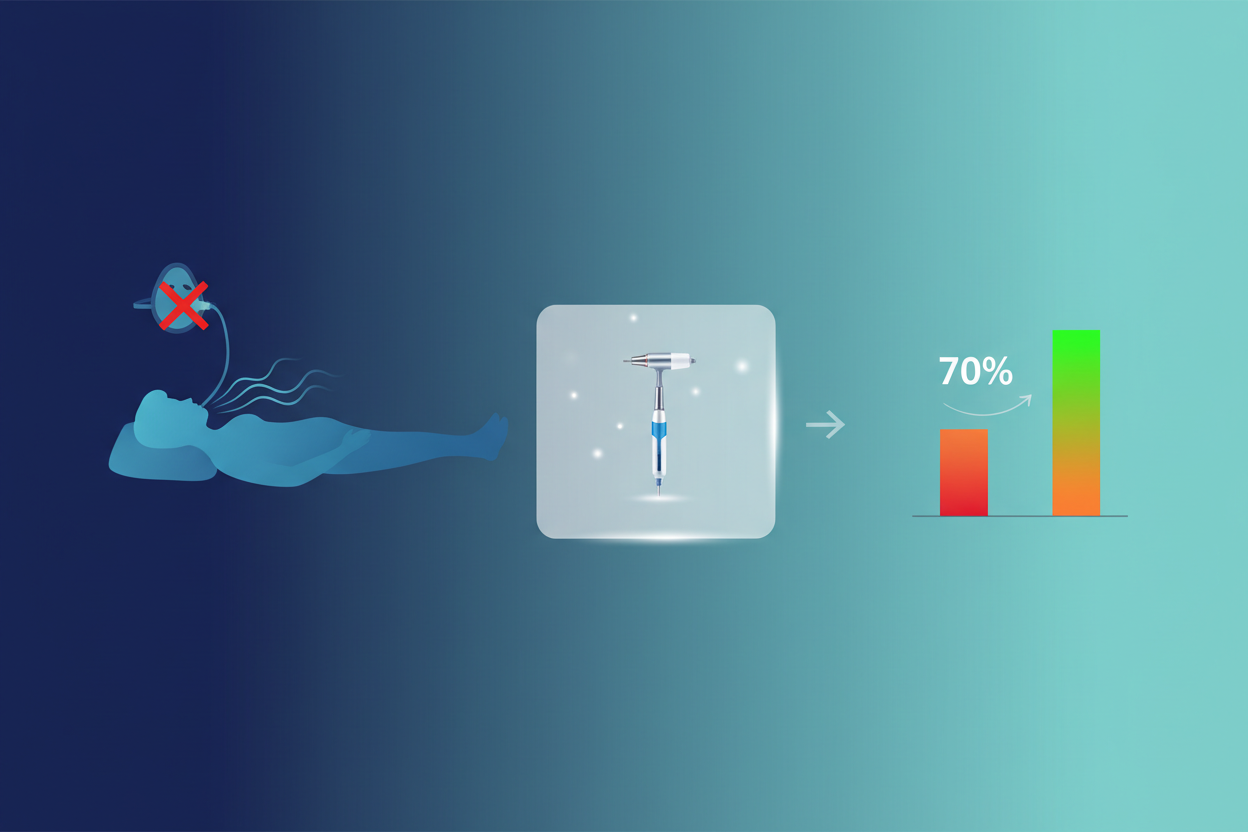
Clinical studies have shown remarkable results, with many patients experiencing a 70% or greater reduction in apnea events. The treatment is particularly effective for those who cannot tolerate CPAP therapy and meet specific anatomical criteria. While it requires a surgical procedure, the minimally invasive nature and high success rates make it an attractive option for suitable candidates.
Lifestyle Interventions: The Foundation of Better Breathing
While technological solutions grab headlines, we shouldn’t overlook the profound impact of lifestyle modifications on hypoxemia management. These interventions often work synergistically with other treatments, amplifying their effectiveness.
Weight management stands as perhaps the most significant lifestyle factor. Even modest weight loss can dramatically improve oxygen levels during sleep. A study published in the New England Journal of Medicine found that losing just 10% of body weight could reduce sleep apnea severity by 26%.
Exercise, particularly cardiovascular and respiratory strengthening activities, has shown remarkable benefits. Regular physical activity improves overall lung function, strengthens respiratory muscles, and can reduce the severity of breathing disorders. Yoga and specific breathing exercises have gained particular attention for their ability to improve oxygen utilization and reduce stress-related breathing irregularities.
Sleep hygiene modifications also play a crucial role. Maintaining consistent sleep schedules, creating optimal sleep environments, and avoiding alcohol and sedatives before bedtime can significantly impact breathing quality during sleep.
Oxygen Therapy: Direct Supplementation Approaches
For some patients, direct oxygen supplementation offers an effective alternative to CPAP therapy. Modern oxygen concentrators have become remarkably portable and quiet, making them viable for home use without the complexity of CPAP systems.
Nocturnal oxygen therapy works by directly increasing the oxygen content in inhaled air, compensating for the decreased efficiency of oxygen exchange during sleep. This approach is particularly beneficial for patients with underlying lung conditions or those living at high altitudes.
Recent developments in oxygen delivery systems include nasal cannulas designed specifically for sleep comfort and portable concentrators that adjust oxygen flow based on real-time monitoring of blood oxygen levels. These smart systems ensure optimal oxygen delivery while minimizing waste and maximizing comfort.
Emerging Technologies: The Future of Hypoxemia Treatment
The landscape of hypoxemia treatment continues to evolve rapidly, with several promising technologies on the horizon. Researchers are exploring everything from gene therapy approaches that could address underlying causes of breathing disorders to advanced biomaterials that could revolutionize oral appliance design.
One particularly exciting area is the development of closed-loop systems that combine multiple treatment modalities. These integrated approaches might include positional therapy devices that communicate with oral appliances, or oxygen concentrators that adjust output based on real-time sleep position monitoring.
Artificial intelligence is also making its mark, with algorithms capable of predicting breathing events and proactively adjusting treatment parameters. These smart systems promise to deliver personalized therapy that adapts to individual sleep patterns and breathing characteristics.
Choosing the Right Treatment Path
With so many options available, selecting the most appropriate non-CPAP treatment can feel overwhelming. The key lies in working with a qualified sleep specialist who can evaluate your specific situation, including the severity of your hypoxemia, underlying causes, lifestyle factors, and personal preferences.
Many patients find that combination approaches work best. For instance, someone might use an oral appliance as their primary treatment while incorporating positional therapy and lifestyle modifications for optimal results. The goal is creating a comprehensive treatment plan that fits seamlessly into your life while effectively managing your hypoxemia.
It’s worth noting that what works for one person may not work for another. The journey to finding your ideal treatment might involve trying different approaches or combinations thereof. Patience and open communication with your healthcare team are essential components of success.
The Road Ahead: Hope for Better Sleep
The evolution of non-CPAP hypoxemia treatments represents more than just medical advancement; it embodies a shift toward patient-centered care that recognizes individual needs and preferences. These innovative approaches offer hope to those who have struggled with traditional CPAP therapy, opening new pathways to better sleep and improved quality of life.
As research continues and technology advances, we can expect even more sophisticated and effective treatments to emerge. The future of hypoxemia management looks brighter than ever, with solutions that work with our bodies rather than against them, fitting into our lives rather than disrupting them.
If you’re currently struggling with CPAP therapy or have been avoiding treatment altogether due to concerns about traditional approaches, now is an excellent time to explore these alternatives. The landscape of hypoxemia treatment has never been more diverse or promising. Your path to better sleep and improved health may be just one conversation with a sleep specialist away.
Remember, effective treatment of hypoxemia isn’t just about the technology or method you choose – it’s about finding an approach that you can maintain consistently over time. The best treatment is the one you’ll actually use, night after night, year after year. With today’s innovative options, that perfect fit is more achievable than ever before.
Take Control of Your Nighttime Breathing
Don’t let sleep apnea silently accelerate your lung disease. Discover the natural breathing protocol that thousands of respiratory patients are using to restore healthy sleep patterns and protect their lung function.


