Affiliate disclosure: This article contains affiliate links. We may earn a commission if you purchase through them, at no extra cost to you.
Lip Service: Mastering Pursed Lip Breathing for Sleep Disorders
If you’ve ever watched someone sleep peacefully and wondered what their secret might be, the answer could be simpler than you think. Sometimes, it’s all about how they breathe. Pursed lip breathing, a technique that might sound fancy but is surprisingly straightforward, has been quietly helping people overcome sleep disorders and achieve the restorative rest they desperately need.
This gentle breathing method, originally developed for people with respiratory conditions, has found its way into the bedrooms of insomniacs, sleep apnea sufferers, and anyone struggling with nighttime anxiety. What makes it so special? It’s the way this technique naturally slows down your breathing, calms your nervous system, and prepares your body for deep, uninterrupted sleep.

Understanding Pursed Lip Breathing: The Basics
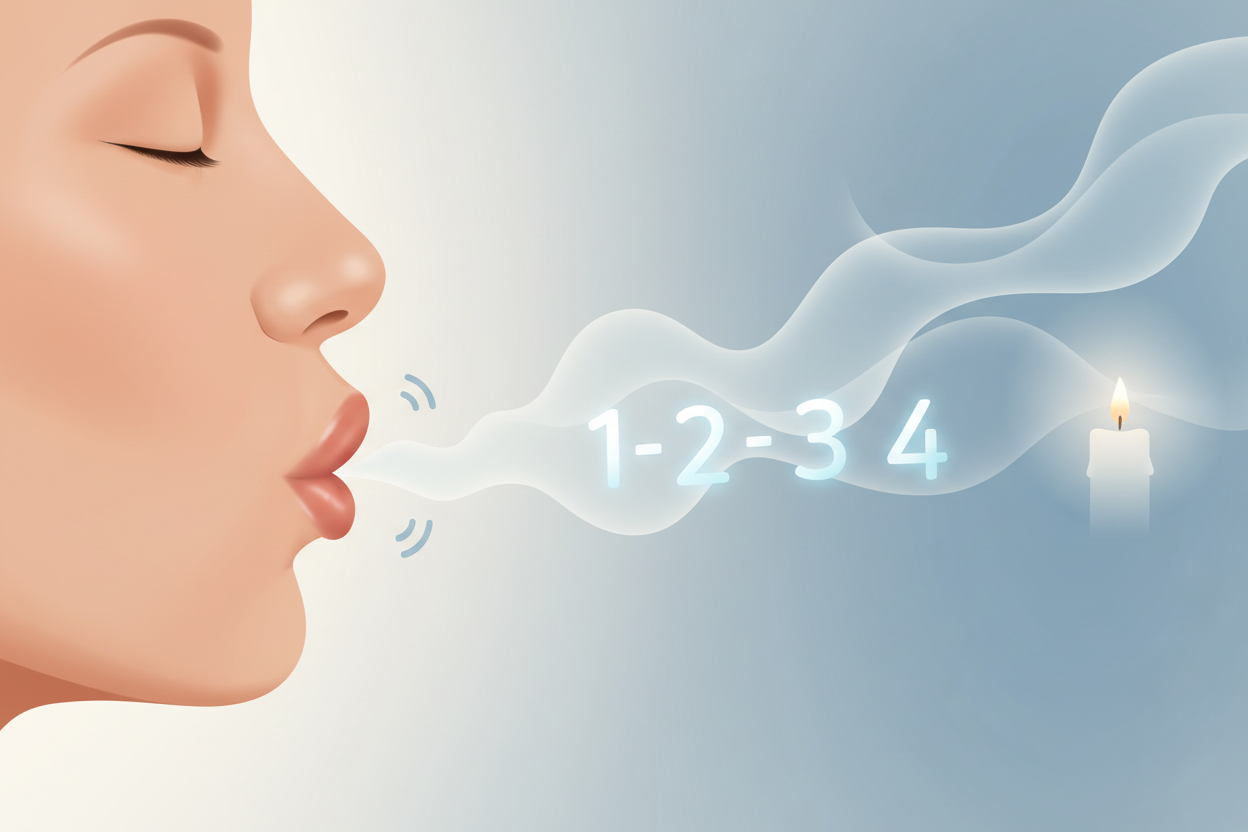
Pursed lip breathing is exactly what it sounds like – breathing through lips that are slightly pursed or puckered, as if you’re about to whistle or blow out a candle very gently. This simple adjustment to your normal breathing pattern creates a mild resistance that slows down your exhalation, allowing your lungs to empty more completely and efficiently.
The technique works by creating what respiratory therapists call “positive end-expiratory pressure.” Don’t let the technical term intimidate you – it simply means that the slight resistance helps keep your airways open longer, preventing them from collapsing prematurely. This is particularly beneficial for people whose sleep is disrupted by breathing difficulties.
When you practice pursed lip breathing, you’re essentially giving your respiratory system a gentle workout while simultaneously activating your body’s relaxation response. It’s like hitting two birds with one stone – improving your breathing mechanics while preparing your mind and body for sleep.
The Science Behind Sleep and Breathing Patterns
Your breathing pattern has a profound impact on your sleep quality, though most people don’t realize this connection. During sleep, your breathing naturally slows down and becomes more regular. However, various factors can disrupt this natural rhythm, leading to fragmented sleep and daytime fatigue.
Sleep disorders often involve some form of breathing irregularity. Sleep apnea causes repeated pauses in breathing, while anxiety-related insomnia can lead to rapid, shallow breathing that keeps your nervous system in a state of alertness. Even stress from daily life can create tension in your chest and shoulders, making it harder to breathe deeply and relax.
Research has shown that controlled breathing exercises can significantly improve sleep quality by activating the parasympathetic nervous system – your body’s “rest and digest” mode. When you practice pursed lip breathing before bed, you’re essentially telling your body that it’s safe to relax and prepare for sleep.
How Pursed Lip Breathing Helps Different Sleep Disorders
The beauty of pursed lip breathing lies in its versatility. This single technique can address multiple sleep-related issues, making it a valuable tool for anyone struggling with nighttime rest.
For people with sleep apnea, pursed lip breathing can help strengthen the muscles involved in breathing and improve overall respiratory function. While it’s not a replacement for medical treatment like CPAP therapy, it can be a helpful complementary practice that enhances the effectiveness of primary treatments.
Those dealing with insomnia often find that their minds race when they try to sleep. The focused, rhythmic nature of pursed lip breathing gives the mind something specific to concentrate on, breaking the cycle of anxious thoughts that can keep you awake. It’s like meditation disguised as a breathing exercise.
People with anxiety-related sleep disorders particularly benefit from this technique because it directly counteracts the rapid, shallow breathing that often accompanies anxious feelings. By slowing down and deepening your breath, you’re sending a clear message to your nervous system that there’s no immediate danger, allowing your body to shift into sleep mode.
Step-by-Step Guide to Mastering the Technique
Learning pursed lip breathing is refreshingly simple, but like any skill, it improves with practice. The key is to start slowly and be patient with yourself as you develop this new habit.
Begin by finding a comfortable position, either sitting up straight or lying down in bed. Place one hand on your chest and the other on your stomach to help you monitor your breathing pattern. You want to see more movement in your lower hand than your upper hand, indicating that you’re breathing from your diaphragm rather than your chest.
Inhale slowly through your nose for about two counts, allowing your stomach to rise as your lungs fill with air. Keep your shoulders relaxed and avoid lifting them as you breathe in. This nasal inhalation helps filter and warm the air while naturally slowing down your breathing rate.
Now comes the signature move: purse your lips as if you’re about to blow out a candle, but don’t make them too tight. Exhale slowly and steadily through your pursed lips for about four counts – twice as long as your inhalation. You should feel a gentle resistance as the air flows out, and you might hear a soft whooshing sound.
The rhythm is crucial: breathe in for two, breathe out for four. This 1:2 ratio helps activate your body’s relaxation response and promotes the kind of calm, steady breathing that naturally occurs during deep sleep.
Creating Your Bedtime Breathing Routine
Consistency is key when using pursed lip breathing for sleep disorders. Like brushing your teeth or putting on pajamas, this technique works best when it becomes a regular part of your bedtime routine.
Start your breathing practice about 15-20 minutes before you want to fall asleep. This gives you enough time to fully engage with the technique without feeling rushed. Dim the lights in your bedroom and eliminate distractions like phones or televisions. Create an environment that signals to your brain that it’s time to wind down.
Begin with just 5-10 minutes of pursed lip breathing when you’re first learning. As you become more comfortable with the technique, you can gradually extend your practice time. Some people find that 15-20 minutes is their sweet spot, while others prefer shorter, more frequent sessions throughout their bedtime routine.
Pay attention to how your body responds during these sessions. You might notice your shoulders dropping, your jaw unclenching, or a general sense of heaviness settling over your limbs. These are all positive signs that your body is transitioning into sleep mode.
Common Mistakes and How to Avoid Them
Even though pursed lip breathing is straightforward, there are several common mistakes that can reduce its effectiveness or make it feel uncomfortable.
One of the most frequent errors is making your lips too tight or pursed too dramatically. The resistance should be gentle – think of it as creating a soft, controlled flow rather than forcing air through a tiny opening. If you feel strain in your face or hear a loud whistling sound, you’re probably overdoing it.
Another mistake is trying to breathe too deeply or forcefully. This technique isn’t about taking the biggest breath possible; it’s about creating a smooth, controlled rhythm. Focus on breathing naturally and letting the pursed lips do the work of slowing down your exhalation.
Many beginners also forget about the timing ratio. Remember, your exhale should be about twice as long as your inhale. If you find yourself running out of breath or feeling dizzy, you might be exhaling too forcefully or for too long. Adjust the timing until you find a rhythm that feels comfortable and sustainable.
Finally, don’t expect immediate perfection. Like learning to ride a bike or play an instrument, pursed lip breathing takes practice. Some nights it will feel natural and effective, while other nights it might feel awkward or distracting. This is completely normal and part of the learning process.
Enhancing Your Practice with Environmental Factors
While pursed lip breathing is powerful on its own, you can amplify its benefits by paying attention to your sleep environment and other factors that influence your ability to relax.
Temperature plays a crucial role in both breathing comfort and sleep quality. A room that’s too warm can make breathing feel labored, while a space that’s too cold can create tension that interferes with relaxation. Most sleep experts recommend keeping your bedroom between 65-68 degrees Fahrenheit for optimal rest.
Consider the air quality in your bedroom as well. Dry air can make breathing exercises less comfortable and potentially irritate your respiratory system. A small humidifier can help maintain optimal moisture levels, especially during winter months when indoor air tends to be drier.
The position you choose for your breathing practice also matters. While you can do pursed lip breathing in any position, many people find it most effective when lying on their back with a pillow supporting their knees, or on their side with a pillow between their legs. These positions help keep your spine aligned and your airways open.
When to Seek Professional Help
Pursed lip breathing is a safe, natural technique that most people can practice without any concerns. However, it’s important to recognize when breathing difficulties or sleep disorders require professional medical attention.
If you experience severe sleep apnea symptoms like loud snoring, gasping for air during sleep, or extreme daytime fatigue, pursed lip breathing should complement, not replace, proper medical treatment. Sleep apnea can be a serious condition that requires professional diagnosis and treatment.
Similarly, if you have chronic respiratory conditions like COPD, asthma, or other lung diseases, it’s wise to discuss breathing exercises with your healthcare provider before incorporating them into your routine. They can provide guidance on how to adapt the technique to your specific needs.
For persistent insomnia or anxiety-related sleep disorders, consider working with a sleep specialist or mental health professional who can help you develop a comprehensive treatment plan that might include breathing exercises alongside other therapeutic approaches.
Building Long-Term Success
The real power of pursed lip breathing for sleep disorders emerges through consistent, long-term practice. Like any healthy habit, the benefits compound over time, leading to progressively better sleep quality and overall well-being.
Track your progress by keeping a simple sleep journal. Note how you feel before and after your breathing practice, how quickly you fall asleep, and how rested you feel in the morning. This information can help you fine-tune your technique and stay motivated as you see improvements over time.
Consider expanding your practice beyond bedtime. Many people find that using pursed lip breathing during stressful moments throughout the day helps them sleep better at night. It’s like making regular deposits in your relaxation bank account – the more you practice during the day, the easier it becomes to access that calm state when you need it most.
Remember that progress isn’t always linear. You might have weeks where your sleep improves dramatically, followed by periods where old patterns resurface. This is normal and doesn’t mean the technique isn’t working. Sleep is influenced by many factors, from work stress to seasonal changes, and breathing exercises work best as part of a holistic approach to sleep hygiene.
As you become more skilled with pursed lip breathing, you might find yourself naturally using the technique during the night if you wake up. Many practitioners report that they automatically begin pursed lip breathing when they notice their mind starting to race during nighttime awakenings, helping them return to sleep more quickly.
Pursed lip breathing offers a simple yet powerful tool for improving sleep quality and managing various sleep disorders. By mastering this gentle technique, you’re not just learning a breathing exercise – you’re developing a skill that can serve you for years to come. The beauty lies in its simplicity: no special equipment, no expensive treatments, just you, your breath, and the commitment to better sleep. Sweet dreams await those who take the time to breathe their way to better rest.
Take Control of Your Nighttime Breathing
Don’t let sleep apnea silently accelerate your lung disease. Discover the natural breathing protocol that thousands of respiratory patients are using to restore healthy sleep patterns and protect their lung function.