

Sunrise Solutions: Preventing Sleep Apnea Morning Headaches Naturally
Waking up with a throbbing headache isn’t exactly the sunrise greeting anyone hopes for. If you’re one of the millions dealing with sleep apnea, those morning headaches might feel like an unwelcome daily companion. But here’s the good news: you don’t have to accept this as your new normal. There are natural, effective ways to prevent those sleep apnea morning headaches and reclaim your mornings.
Sleep apnea affects roughly 22 million Americans, yet many don’t realize the connection between their disrupted sleep and those persistent morning headaches. When your breathing repeatedly stops and starts throughout the night, your brain doesn’t get the oxygen it needs, leading to that familiar pounding sensation when you wake up. The relationship between sleep apnea and morning headaches is more than just coincidental – it’s physiological.
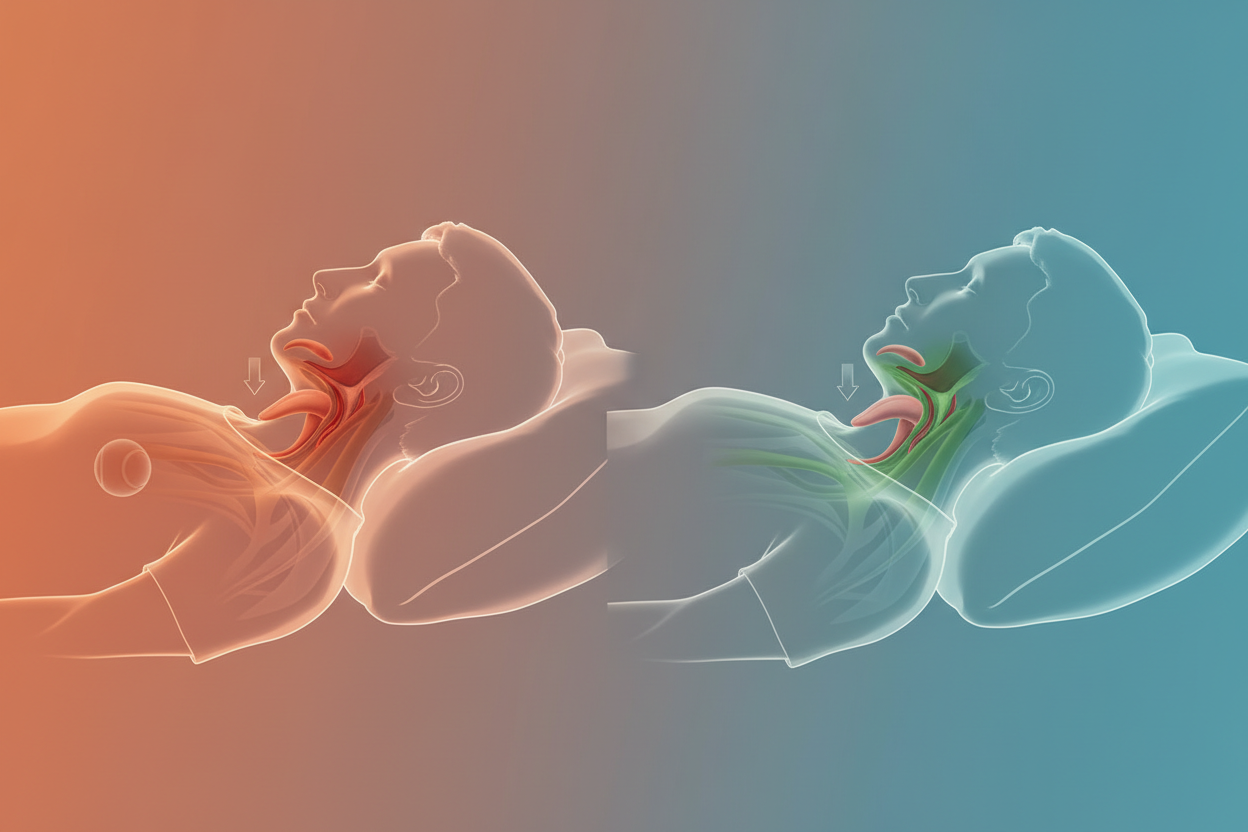
Understanding the Sleep Apnea Headache Connection
Before diving into solutions, it’s crucial to understand why sleep apnea triggers morning headaches in the first place. During sleep apnea episodes, your airway becomes partially or completely blocked, causing oxygen levels in your blood to drop. Your brain, being the demanding organ it is, doesn’t appreciate this oxygen shortage one bit.
When oxygen levels plummet, carbon dioxide builds up in your bloodstream. This imbalance causes blood vessels in your brain to dilate, creating that characteristic throbbing pain you experience upon waking. Additionally, the frequent micro-awakenings throughout the night prevent you from reaching deep, restorative sleep stages, leaving your brain foggy and your head aching.
The severity of these headaches often correlates with the severity of your sleep apnea. People with mild sleep apnea might experience occasional morning discomfort, while those with severe cases often wake up feeling like they’ve been hit by a truck. Understanding this connection is the first step toward finding relief.
Natural Sleep Position Strategies
One of the simplest yet most effective natural remedies involves adjusting how you sleep. Your sleep position can dramatically impact your airway’s openness throughout the night, directly influencing both your sleep apnea severity and morning headache frequency.
Sleeping on your back often worsens sleep apnea because gravity pulls your tongue and soft tissues backward, narrowing your airway. Instead, try sleeping on your side. This position naturally keeps your airway more open and reduces the likelihood of breathing interruptions. If you’re a chronic back sleeper, try using a body pillow or even sewing a tennis ball into the back of your pajama shirt to discourage rolling onto your back.
Elevating your head can also work wonders. Raising the head of your bed by 4-6 inches or using an adjustable bed frame helps gravity work in your favor, keeping your airway clearer. Some people find success with wedge pillows, though it’s important to elevate your entire upper body rather than just cranking your neck at an uncomfortable angle.
Breathing Exercises and Throat Strengthening
Your throat muscles play a starring role in sleep apnea, and like any other muscles in your body, they can be strengthened through targeted exercises. Regular throat and tongue exercises can significantly improve your sleep apnea symptoms and reduce those dreaded morning headaches.
Try this simple routine: press your tongue against the roof of your mouth and slide it backward. Hold for three seconds and repeat 20 times. Another effective exercise involves saying vowel sounds (A-E-I-O-U) out loud for three minutes several times daily. These exercises strengthen the muscles in your throat and tongue, helping keep your airway open during sleep.
Breathing exercises can also be incredibly beneficial. Practice diaphragmatic breathing by lying flat and placing one hand on your chest and another on your belly. Breathe slowly through your nose, ensuring the hand on your belly rises more than the one on your chest. This type of breathing strengthens your diaphragm and can improve overall respiratory function.
Lifestyle Modifications for Better Sleep
Sometimes the most powerful changes come from adjusting daily habits that you might not immediately connect to your sleep quality. Weight management, for instance, plays a crucial role in sleep apnea severity. Even modest weight loss can significantly reduce sleep apnea symptoms and morning headaches.
Alcohol consumption, particularly in the evening, can worsen sleep apnea by relaxing throat muscles and increasing airway collapse. If you enjoy an occasional drink, try to finish any alcohol at least three hours before bedtime. Similarly, sedatives and sleep medications can have the same muscle-relaxing effect, potentially worsening your symptoms.
Creating a consistent sleep schedule helps regulate your body’s internal clock and can improve sleep quality overall. Try to go to bed and wake up at the same time every day, even on weekends. Your body craves routine, and establishing regular sleep patterns can help minimize both sleep apnea episodes and resulting headaches.
Environmental Factors and Sleep Hygiene
Your bedroom environment significantly impacts your sleep quality and can either help or hinder your efforts to prevent morning headaches. Maintaining optimal humidity levels between 40-60% can prevent nasal congestion that might worsen sleep apnea. Dry air irritates nasal passages and throat tissues, while overly humid conditions can promote dust mites and allergens.
Temperature control is equally important. A cooler bedroom, typically between 65-68 degrees Fahrenheit, promotes better sleep quality and can reduce the likelihood of sleep disruptions. Your body naturally drops its core temperature as bedtime approaches, and a cool environment supports this natural process.
Consider investing in blackout curtains or an eye mask to eliminate light pollution. Even small amounts of light can disrupt your circadian rhythm and sleep quality. Additionally, removing electronic devices from your bedroom or using blue light filters can help your brain prepare for restorative sleep.
Dietary Approaches and Timing
What and when you eat can significantly impact your sleep apnea symptoms and morning headache frequency. Large meals close to bedtime can worsen sleep apnea by putting pressure on your diaphragm and making breathing more difficult. Try to finish eating at least three hours before bed.
Anti-inflammatory foods can help reduce overall inflammation in your body, including in your airways. Incorporate foods rich in omega-3 fatty acids like salmon, walnuts, and flaxseeds. Tart cherry juice, consumed about an hour before bed, naturally increases melatonin levels and may improve sleep quality.
Stay hydrated throughout the day, but taper off fluid intake in the evening to prevent frequent bathroom trips that can fragment your sleep. Dehydration can thicken secretions in your airways, potentially worsening sleep apnea symptoms.
Stress Management and Relaxation Techniques
Chronic stress can worsen sleep apnea symptoms and contribute to morning headaches through multiple pathways. Stress increases muscle tension, including in your throat and neck areas, and can disrupt normal sleep patterns. Learning to manage stress effectively can provide significant relief.
Progressive muscle relaxation involves systematically tensing and then relaxing different muscle groups throughout your body. This technique not only helps you fall asleep more easily but can also reduce overall muscle tension that might contribute to airway restrictions.
Meditation and mindfulness practices can help calm your mind and prepare your body for restorative sleep. Even just 10-15 minutes of meditation before bed can make a noticeable difference in sleep quality and morning headache frequency.
When Natural Methods Need Professional Support
While natural approaches can be incredibly effective, it’s important to recognize when professional medical intervention might be necessary. If you’re consistently implementing natural strategies but still experiencing severe morning headaches or other sleep apnea symptoms, don’t hesitate to consult with a healthcare provider.
Sleep studies can provide valuable insights into the severity of your sleep apnea and help determine the most appropriate treatment approach. Sometimes, combining natural methods with medical treatments like CPAP therapy provides the best results.
Keep a sleep diary tracking your symptoms, lifestyle changes, and headache patterns. This information can be invaluable for healthcare providers and helps you identify which natural strategies are most effective for your specific situation.
Creating Your Personal Morning Headache Prevention Plan
Successfully preventing sleep apnea morning headaches naturally requires a personalized approach. What works wonderfully for one person might need adjustment for another. Start by implementing one or two strategies at a time, giving each change at least a week or two to show results.
Consider beginning with sleep position changes and basic throat exercises, as these often provide relatively quick improvements. Once you’ve established these habits, gradually incorporate dietary modifications and stress management techniques.
Remember that consistency is key. Natural approaches often take time to show their full benefits, but the results can be long-lasting and improve your overall health beyond just preventing morning headaches. Track your progress and celebrate small improvements along the way.
Waking up headache-free is absolutely achievable with the right combination of natural strategies tailored to your specific needs. By addressing sleep apnea through multiple approaches – from sleep positioning and breathing exercises to lifestyle modifications and stress management – you’re setting yourself up for brighter, pain-free mornings. Your future self will thank you for taking these proactive steps toward better sleep and headache-free days.
Take Control of Your Nighttime Breathing
Don’t let sleep apnea silently accelerate your lung disease. Discover the natural breathing protocol that thousands of respiratory patients are using to restore healthy sleep patterns and protect their lung function.
