
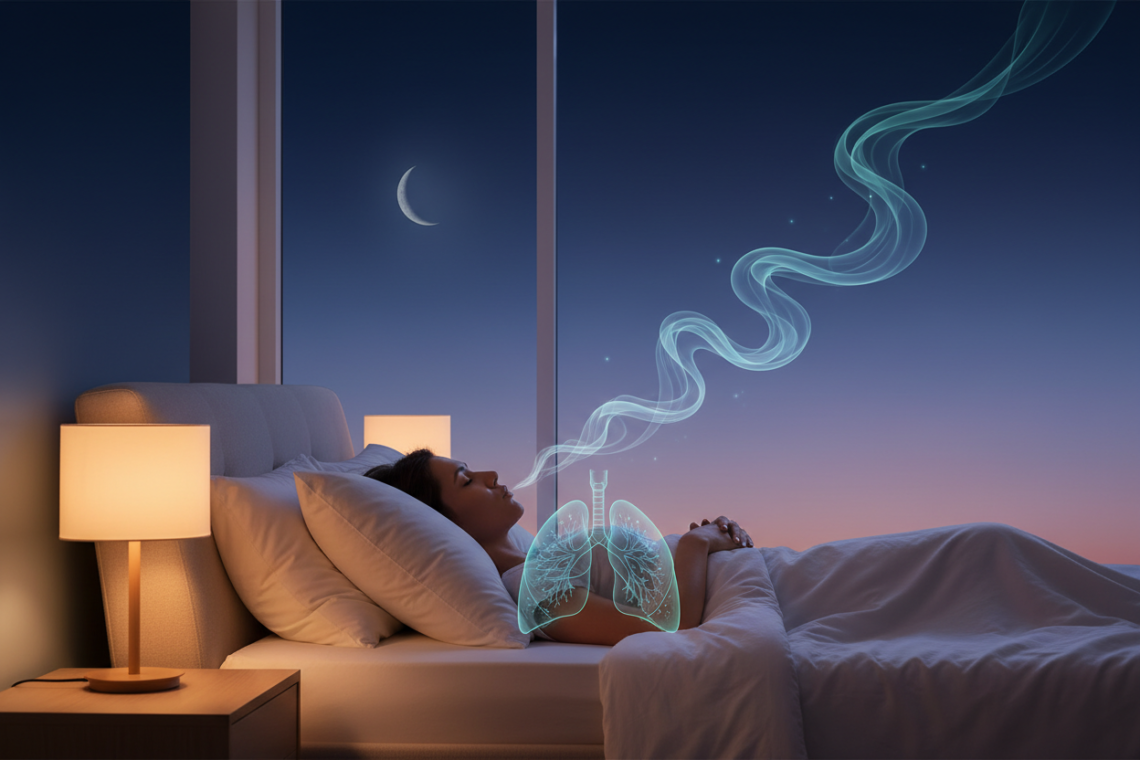
Breathe Better Tonight: Pursed Lip Technique for Sleep Disorders
If you’ve ever found yourself tossing and turning at night, struggling to catch your breath or feeling like you can’t quite settle into deep sleep, you’re not alone. Millions of people worldwide battle sleep disorders that leave them exhausted and frustrated. While there are countless remedies and treatments available, one surprisingly simple technique has been quietly helping people breathe easier and sleep better for decades: the pursed lip breathing method.
This gentle, accessible breathing technique doesn’t require expensive equipment or complicated procedures. Instead, it harnesses the power of controlled breathing to help regulate your nervous system, improve oxygen flow, and create the perfect conditions for restorative sleep. Whether you’re dealing with sleep apnea, anxiety-induced insomnia, or simply want to enhance your sleep quality, learning this technique could be the game-changer you’ve been searching for.
Understanding the Science Behind Pursed Lip Breathing
Pursed lip breathing isn’t just a folk remedy passed down through generations – it’s a scientifically backed technique that works on multiple levels to improve your respiratory function and overall well-being. When you breathe through pursed lips, you’re essentially creating a gentle resistance that slows down your exhalation and helps keep your airways open longer.
This controlled breathing pattern activates your parasympathetic nervous system, which is responsible for your body’s “rest and digest” response. Think of it as your internal dimmer switch, gradually lowering your stress levels and preparing your body for sleep. The technique also helps improve the exchange of oxygen and carbon dioxide in your lungs, leading to better oxygenation of your blood and tissues.
Research has shown that pursed lip breathing can significantly reduce the work of breathing, decrease shortness of breath, and improve exercise tolerance in people with various respiratory conditions. For sleep disorders, these benefits translate into easier breathing throughout the night and fewer disruptions to your sleep cycle.
How Sleep Disorders Affect Your Breathing Patterns
To understand why pursed lip breathing is so effective for sleep disorders, it’s important to recognize how these conditions impact your natural breathing patterns. During normal sleep, your breathing naturally slows down and becomes more regular. However, various sleep disorders can disrupt this process in different ways.
Sleep apnea, one of the most common sleep disorders, causes repeated interruptions in breathing throughout the night. These interruptions can last anywhere from a few seconds to over a minute, causing your oxygen levels to drop and forcing your brain to partially wake you up to resume breathing. This cycle can repeat hundreds of times per night, leaving you feeling exhausted despite spending adequate time in bed.
Anxiety-related sleep disorders often involve rapid, shallow breathing patterns that can make it difficult to relax and fall asleep. When you’re anxious, your body’s fight-or-flight response kicks in, increasing your heart rate and breathing rate. This heightened state of arousal is the opposite of what you need for quality sleep.
Even conditions like asthma or chronic obstructive pulmonary disease (COPD) can significantly impact sleep quality by making it harder to breathe comfortably while lying down. The pursed lip technique can help address many of these breathing-related sleep challenges by promoting slower, more controlled breathing patterns.
Step-by-Step Guide to Mastering Pursed Lip Breathing
Learning the pursed lip breathing technique is remarkably straightforward, but like any skill, it improves with practice. The beauty of this method lies in its simplicity – you can do it anywhere, anytime, without any special equipment or preparation.
Start by finding a comfortable position, either sitting upright or lying down with your head slightly elevated. Place one hand on your chest and the other on your abdomen to help you monitor your breathing pattern. Begin by relaxing your neck and shoulder muscles, allowing any tension to melt away.
Take a slow, deep breath in through your nose for about two counts. Focus on breathing from your diaphragm rather than your chest – you should feel the hand on your abdomen rise while the hand on your chest remains relatively still. This deep, diaphragmatic breathing helps maximize oxygen intake and promotes relaxation.
Now comes the key part: purse your lips as if you’re about to whistle or blow out a candle. Slowly exhale through your pursed lips for four to six counts, making the exhalation twice as long as your inhalation. The pursed lips create gentle resistance, helping to keep your airways open and promoting a more complete exhalation.
Repeat this cycle for several minutes, gradually allowing your breathing to become slower and more rhythmic. Don’t worry if it feels awkward at first – with practice, this breathing pattern will become second nature.
Incorporating Pursed Lip Breathing into Your Bedtime Routine
The key to maximizing the sleep benefits of pursed lip breathing is making it a consistent part of your nightly routine. Think of it as a bridge between your busy day and restful night – a signal to your body that it’s time to shift into sleep mode.
Begin incorporating the technique about 30 minutes before your desired bedtime. This gives your nervous system time to respond and helps establish a clear transition from wakefulness to sleep preparation. You might combine it with other relaxing activities like gentle stretching, reading, or listening to calming music.
Create a comfortable environment for your breathing practice. Dim the lights, ensure your bedroom is at a comfortable temperature, and minimize distractions like electronic devices. Some people find it helpful to practice pursed lip breathing while taking a warm bath or shower, as the steam can help open airways and enhance the relaxation effect.
If you wake up during the night feeling short of breath or anxious, you can use the technique to help you return to sleep. Keep your movements minimal and focus on the rhythmic pattern of your breathing. Many people find that just a few minutes of pursed lip breathing is enough to calm their nervous system and drift back to sleep.
Additional Benefits Beyond Better Sleep
While improving sleep quality is a significant benefit, pursed lip breathing offers numerous additional advantages that can enhance your overall quality of life. Regular practice of this technique can help reduce stress and anxiety levels throughout the day, not just at bedtime. Many people report feeling more centered and calm after incorporating pursed lip breathing into their daily routine.
The technique can also be incredibly useful during times of acute stress or panic. If you find yourself feeling overwhelmed at work or in social situations, a few minutes of pursed lip breathing can help reset your nervous system and restore a sense of calm. It’s a discreet tool that you can use virtually anywhere without drawing attention to yourself.
For people with chronic respiratory conditions, regular practice of pursed lip breathing can improve exercise tolerance and reduce the sensation of breathlessness during daily activities. This can lead to increased confidence in physical activities and an overall improvement in quality of life.
Some practitioners also report improved focus and mental clarity after establishing a regular pursed lip breathing practice. This makes sense from a physiological standpoint, as better oxygenation and reduced stress levels can enhance cognitive function and emotional regulation.
When to Seek Professional Help
While pursed lip breathing is a safe and effective technique for most people, it’s important to recognize when professional medical intervention might be necessary. If you’re experiencing severe sleep disorders, chronic shortness of breath, or other concerning symptoms, it’s crucial to consult with a healthcare provider.
Sleep apnea, in particular, can be a serious condition that requires medical treatment. While pursed lip breathing may help improve your overall breathing patterns and sleep quality, it shouldn’t be considered a replacement for proper medical treatment of diagnosed sleep disorders.
Signs that you should seek professional help include loud snoring, gasping or choking during sleep, excessive daytime fatigue despite adequate sleep time, morning headaches, or difficulty concentrating during the day. A sleep study or consultation with a sleep specialist can help identify the underlying cause of your sleep problems and determine the most appropriate treatment approach.
Remember that pursed lip breathing works best as part of a comprehensive approach to sleep health, which might include lifestyle modifications, medical treatments, or other therapeutic interventions as recommended by your healthcare provider.
Making It a Lasting Habit
Like any beneficial practice, the key to success with pursed lip breathing lies in consistency and patience. Don’t expect immediate dramatic results – while some people notice improvements within a few days, others may need several weeks of regular practice to experience the full benefits.
Start small and gradually build your practice. Even five minutes of pursed lip breathing before bed can make a difference, and you can gradually extend the duration as the technique becomes more natural. Consider setting a gentle reminder on your phone or incorporating it into an existing bedtime ritual to help establish the habit.
Track your progress by keeping a simple sleep journal, noting your sleep quality, how long it takes you to fall asleep, and how you feel upon waking. This can help you identify patterns and stay motivated as you see improvements over time.
Be patient with yourself as you learn. Some nights will be better than others, and that’s completely normal. The goal isn’t perfection but rather developing a useful tool that you can rely on whenever you need it.
Conclusion
The pursed lip breathing technique offers a simple yet powerful way to improve your sleep quality and overall well-being. By learning to control your breathing patterns, you’re essentially giving yourself a tool to regulate your nervous system, reduce stress, and create optimal conditions for restorative sleep.
Whether you’re dealing with a diagnosed sleep disorder or simply looking to enhance your sleep quality, this technique is worth exploring. It costs nothing, requires no special equipment, and can be practiced anywhere. Most importantly, it puts you in control of your breathing and, by extension, your sleep health.
Remember that good sleep is not a luxury – it’s a fundamental component of health and well-being. By taking the time to learn and practice pursed lip breathing, you’re making an investment in your long-term health that will pay dividends in improved energy, better mood, and enhanced quality of life. Tonight, as you prepare for sleep, take a few moments to breathe deeply, purse your lips, and let this simple technique guide you toward the restful sleep you deserve.
Take Control of Your Nighttime Breathing
Don’t let sleep apnea silently accelerate your lung disease. Discover the natural breathing protocol that thousands of respiratory patients are using to restore healthy sleep patterns and protect their lung function.
