
CPAP vs. Lung Function: Surprising Benefits for COPD Patients
When most people think about CPAP machines, they immediately associate them with sleep apnea treatment. But what if I told you that these remarkable devices are quietly revolutionizing care for COPD patients too? As someone who’s spent years researching respiratory health, I’ve witnessed firsthand how CPAP therapy is opening new doors for people struggling with chronic obstructive pulmonary disease.
The relationship between COPD and sleep disorders runs deeper than many realize. While COPD primarily affects daytime breathing, it creates a cascade of nighttime challenges that can significantly impact overall health and quality of life. This is where CPAP therapy steps in, offering unexpected benefits that extend far beyond what traditional COPD treatments typically provide.
Understanding COPD and Its Impact on Daily Life
Chronic obstructive pulmonary disease affects millions of people worldwide, making simple activities like climbing stairs or carrying groceries feel like monumental tasks. The condition encompasses both chronic bronchitis and emphysema, creating a perfect storm of breathing difficulties that worsen over time.
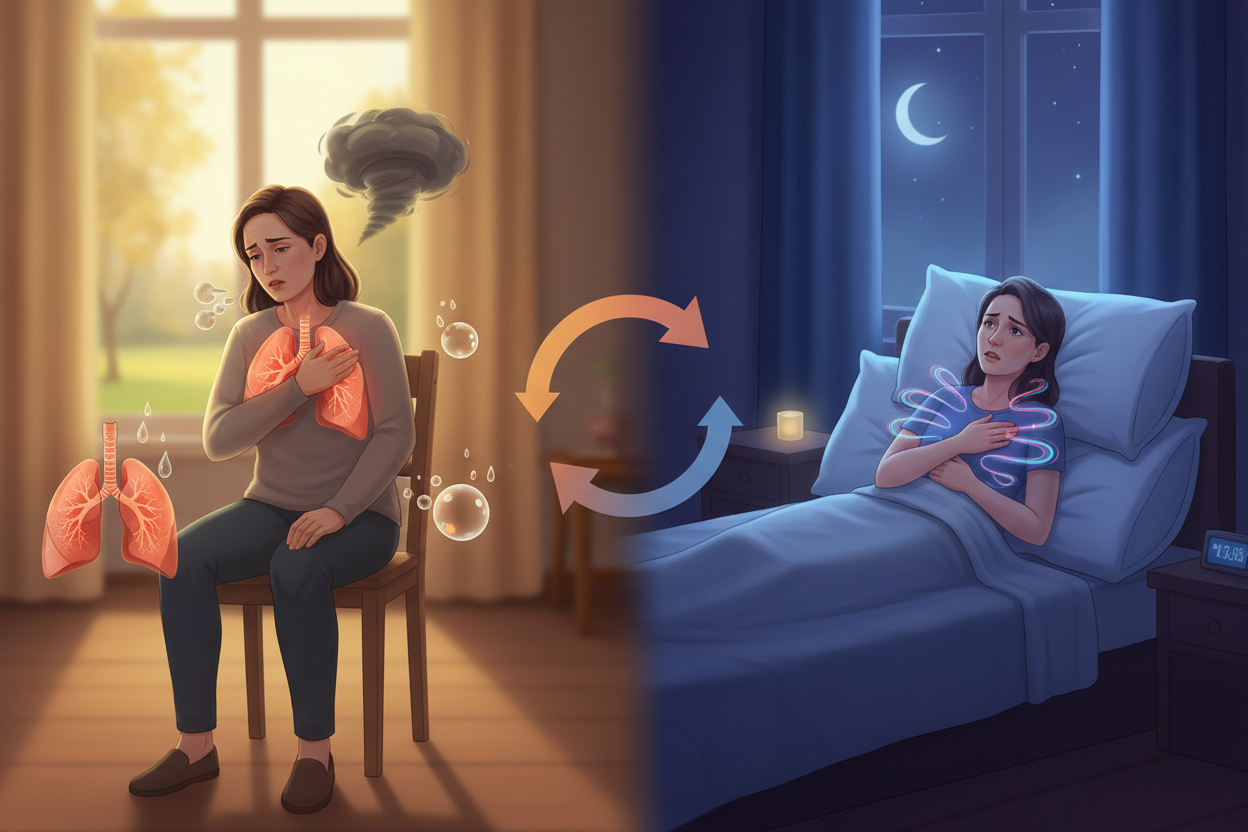
What makes COPD particularly challenging is how it affects every aspect of a person’s life. During the day, patients struggle with shortness of breath, persistent coughing, and fatigue. But the problems don’t stop when the sun goes down. Sleep becomes elusive as lying flat can worsen breathing difficulties, and the constant worry about nighttime breathing episodes creates a vicious cycle of anxiety and poor rest.

Traditional COPD management typically focuses on bronchodilators, anti-inflammatory medications, and oxygen therapy. While these treatments are essential, they don’t always address the complex sleep-related breathing issues that many COPD patients experience. This is where the story gets interesting, and where CPAP therapy enters the picture as an unexpected ally.
The Science Behind CPAP Therapy for COPD Patients
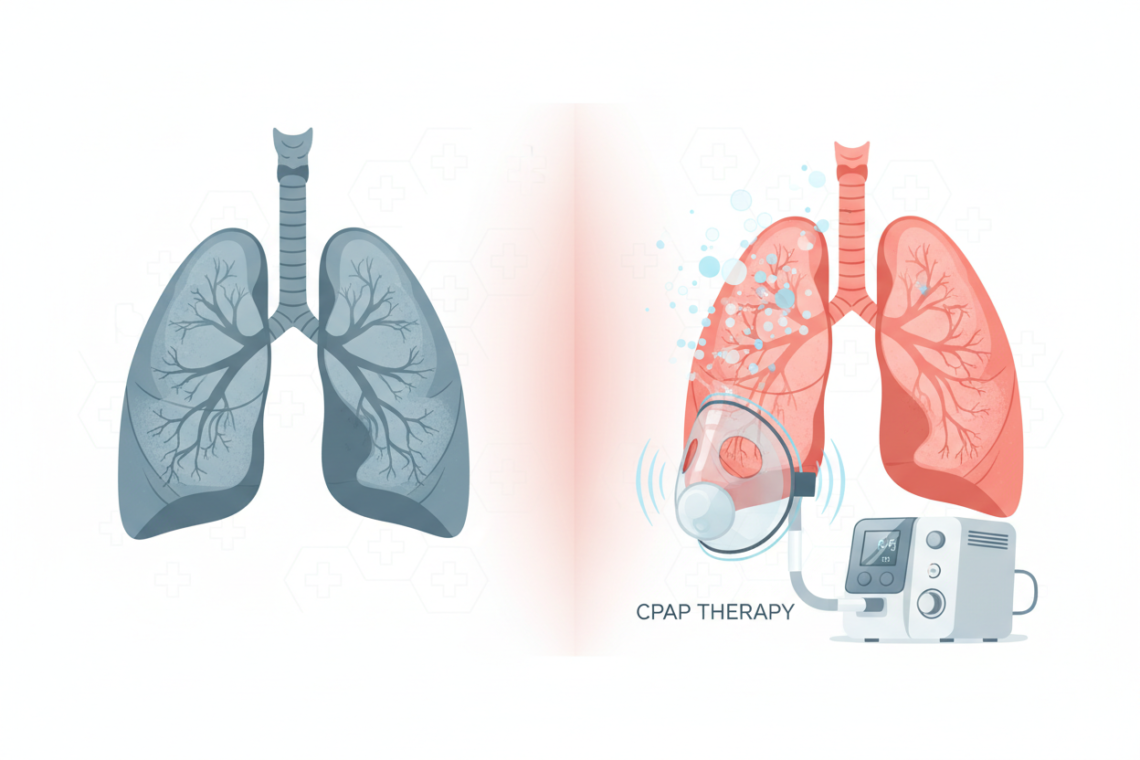
CPAP, or Continuous Positive Airway Pressure, works by delivering a steady stream of pressurized air through a mask, keeping airways open throughout the night. While this mechanism was originally designed to prevent the airway collapse seen in sleep apnea, researchers have discovered that it offers remarkable benefits for COPD patients as well.
The magic happens in how CPAP therapy addresses the unique breathing challenges that COPD patients face during sleep. When we lie down, gravity affects our breathing patterns differently than when we’re upright. For COPD patients, this positional change can exacerbate breathing difficulties, leading to fragmented sleep and decreased oxygen levels.
CPAP therapy provides what respiratory specialists call “positive end-expiratory pressure” or PEEP. This gentle pressure helps keep the small airways in the lungs open, preventing them from collapsing during expiration. Think of it as providing internal scaffolding for weakened lung structures, allowing for more efficient gas exchange throughout the night.
Recent studies have shown that this mechanical support can lead to measurable improvements in lung function tests, particularly in forced expiratory volume and overall respiratory efficiency. The consistent pressure also helps reduce the work of breathing, allowing respiratory muscles to rest and recover during sleep.
Unexpected Benefits Beyond Breathing
While improved nighttime breathing is the most obvious benefit, CPAP therapy for COPD patients delivers surprising advantages that extend into many areas of health and wellbeing. One of the most significant discoveries has been its impact on cardiovascular health.
COPD patients often develop what’s called “cor pulmonale” – a condition where the right side of the heart becomes enlarged due to lung disease. The consistent oxygen levels maintained through CPAP therapy can help reduce the strain on the heart, potentially slowing or even reversing some of this cardiac stress.
Sleep quality improvements are another game-changer. Many COPD patients report feeling more refreshed and energetic during the day after starting CPAP therapy. This isn’t just subjective improvement – sleep studies show deeper, more restorative sleep patterns when airways remain consistently open throughout the night.
Perhaps most surprisingly, some patients experience improvements in their daytime COPD symptoms. Better nighttime oxygenation appears to have a carryover effect, reducing morning fatigue and improving overall exercise tolerance. It’s as if giving the lungs a break at night allows them to function more efficiently during waking hours.
Real-World Success Stories and Clinical Evidence
The clinical evidence supporting CPAP therapy for COPD patients continues to grow, with studies showing measurable improvements in multiple health markers. A landmark study published in the American Journal of Respiratory and Critical Care Medicine found that COPD patients using CPAP therapy showed significant improvements in morning blood gas levels and reported better quality of life scores.
But beyond the numbers, the real-world stories are equally compelling. Take Margaret, a 67-year-old retired teacher who had struggled with severe COPD for over a decade. After starting CPAP therapy, she reported sleeping through the night for the first time in years and found herself able to tend to her garden again – an activity she thought she’d lost forever.
Another patient, Robert, discovered that his morning “COPD fog” – that groggy, breathless feeling that plagued his mornings – virtually disappeared after several weeks of CPAP use. His pulmonologist noted improvements in his spirometry tests and a reduction in the frequency of COPD exacerbations.
These stories highlight an important point: the benefits of CPAP therapy for COPD patients often extend beyond what traditional lung function tests can measure. Quality of life improvements, reduced anxiety about nighttime breathing, and better overall energy levels are equally important outcomes that patients and their families notice immediately.
Choosing the Right CPAP Setup for COPD Patients
Not all CPAP setups are created equal, especially when it comes to COPD patients who may have different needs than typical sleep apnea patients. The key is finding the right balance of pressure settings and mask comfort that addresses both sleep-disordered breathing and COPD-specific challenges.
Many COPD patients benefit from what’s called “BiPAP” or bilevel positive airway pressure, which provides different pressure levels for inhalation and exhalation. This can be particularly helpful for patients who struggle with the constant pressure of traditional CPAP machines or who have difficulty exhaling against the positive pressure.
Mask selection becomes crucial for COPD patients who may already struggle with feelings of breathlessness or claustrophobia. Nasal pillows or nasal masks often work better than full-face masks, as they feel less restrictive and allow for mouth breathing if needed. However, patients with chronic mouth breathing may require full-face masks for optimal therapy.
Humidification is another important consideration. COPD patients often have irritated airways, and the dry air from CPAP machines can exacerbate this irritation. Built-in humidifiers or heated tubing can make a significant difference in comfort and therapy adherence.
Overcoming Common Challenges and Concerns
Starting CPAP therapy can feel overwhelming for anyone, but COPD patients may face additional hurdles that need addressing. The most common concern is the fear that the positive pressure will make breathing more difficult rather than easier. This is understandable, given that COPD patients are already struggling with their breathing.
The key is gradual acclimatization and proper education. Many sleep centers now offer “CPAP desensitization” programs where patients can try the equipment during the day while awake, allowing them to become comfortable with the sensation before attempting overnight use.
Some patients worry about becoming dependent on the machine or that it might weaken their natural breathing muscles. However, research shows the opposite is true – by reducing the work of breathing at night, CPAP therapy actually allows respiratory muscles to rest and recover, potentially improving their function during the day.
Claustrophobia and mask intolerance are real challenges that require patience and often multiple mask trials. Working with experienced respiratory therapists who understand both COPD and sleep therapy can make the difference between success and abandonment of treatment.
The Future of CPAP Therapy in COPD Management
As our understanding of the relationship between sleep and COPD continues to evolve, we’re seeing exciting developments in how CPAP therapy is being integrated into comprehensive COPD care plans. New technologies are making machines quieter, more comfortable, and more responsive to individual breathing patterns.
Smart CPAP machines now offer detailed data about breathing patterns, leak rates, and therapy effectiveness, allowing healthcare providers to fine-tune treatment remotely. This is particularly valuable for COPD patients who may have difficulty traveling to frequent follow-up appointments.
Research is also exploring the potential for CPAP therapy to be used during COPD exacerbations as a way to avoid more invasive interventions like mechanical ventilation. Early studies suggest that early CPAP intervention during acute episodes might help patients recover more quickly and avoid hospital readmissions.
Making the Decision: Is CPAP Right for Your COPD?
The decision to try CPAP therapy as part of COPD management should always be made in consultation with healthcare providers who understand both conditions. Not every COPD patient will benefit from CPAP therapy, and individual factors like disease severity, other health conditions, and personal preferences all play important roles.
However, for COPD patients who also experience sleep-disordered breathing, chronic fatigue, or frequent nighttime awakening due to breathing difficulties, CPAP therapy represents a promising addition to traditional treatment approaches. The key is approaching it with realistic expectations and adequate support from experienced healthcare providers.
The growing body of evidence supporting CPAP therapy for COPD patients represents a shift toward more comprehensive, 24-hour management of this challenging condition. By addressing both daytime and nighttime breathing challenges, we’re opening new possibilities for improved quality of life and potentially better long-term outcomes.
As we continue to learn more about the complex relationships between sleep, breathing, and overall health, CPAP therapy stands out as a bridge between sleep medicine and pulmonary care. For COPD patients struggling with the multifaceted challenges of their condition, this bridge might just lead to better nights, brighter days, and renewed hope for managing their respiratory health more effectively.
Take Control of Your Nighttime Breathing
Don’t let sleep apnea silently accelerate your lung disease. Discover the natural breathing protocol that thousands of respiratory patients are using to restore healthy sleep patterns and protect their lung function.
