
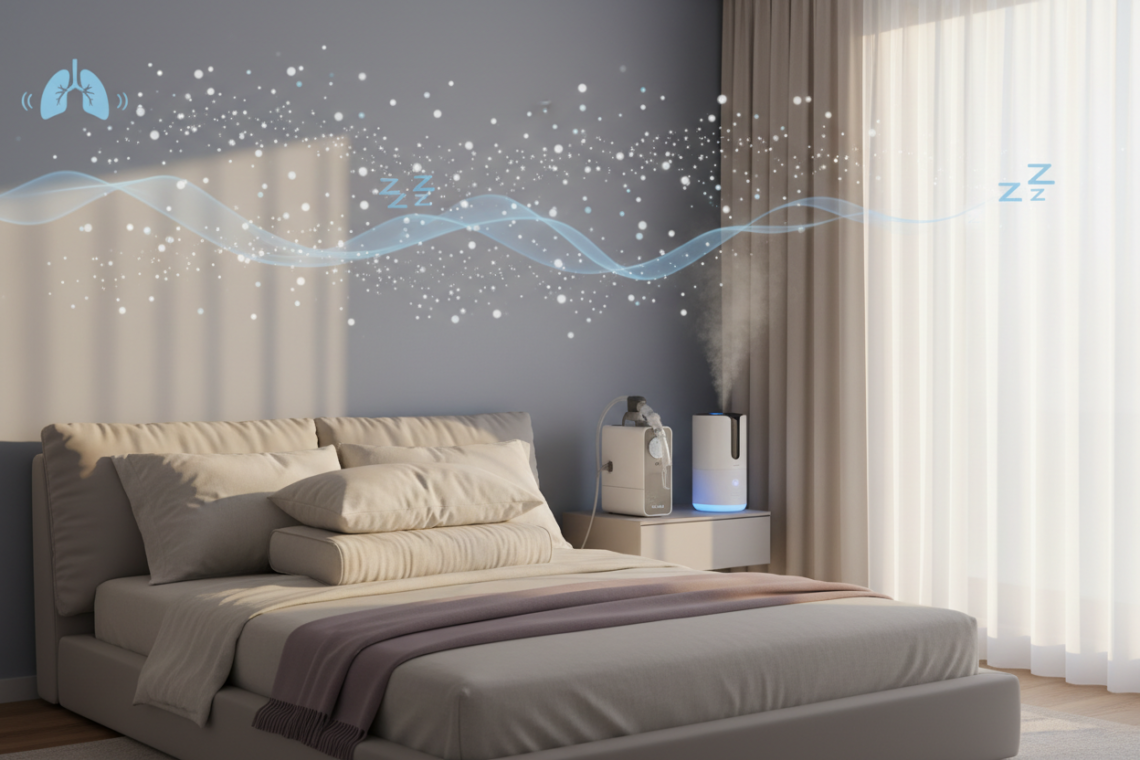
The Perfect Sleep Setup for Asthma and Sleep Apnea Sufferers
If you’re one of the millions of people dealing with both asthma and sleep apnea, you know how challenging it can be to get a good night’s rest. These two conditions often go hand in hand, creating a perfect storm that can leave you feeling exhausted, frustrated, and desperate for solutions. The good news? With the right sleep setup, you can significantly improve your breathing and sleep quality.
Living with respiratory challenges doesn’t mean you have to accept poor sleep as your new normal. By making strategic changes to your bedroom environment, sleep position, and nighttime routine, you can create an optimal sleep sanctuary that works with your body rather than against it. Let’s dive into the essential elements that make up the perfect sleep setup for managing both asthma and sleep apnea.
Understanding the Connection Between Asthma and Sleep Apnea
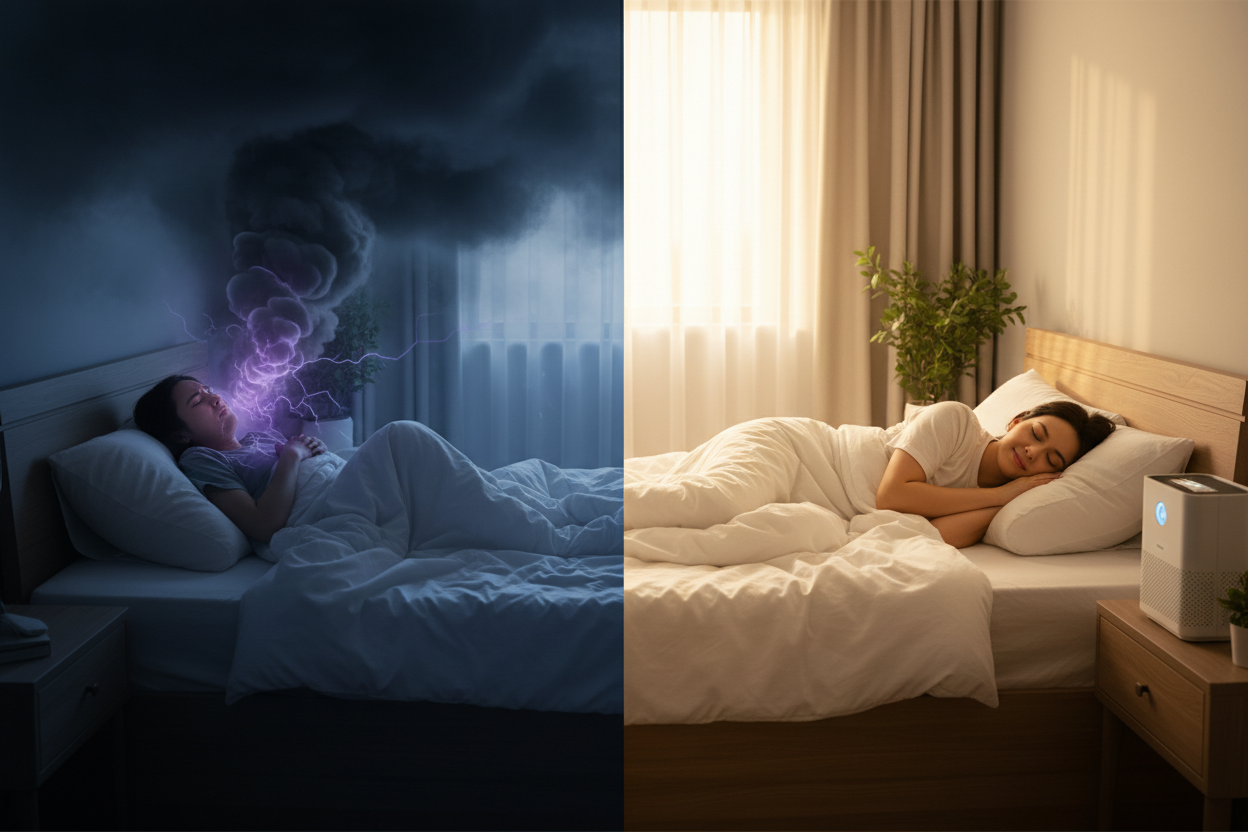
Before we explore solutions, it’s crucial to understand why asthma and sleep apnea often occur together. Research shows that people with asthma are significantly more likely to develop obstructive sleep apnea (OSA). The inflammation and airway narrowing characteristic of asthma can contribute to the airway collapse that defines sleep apnea.
During sleep, your throat muscles naturally relax. For someone with asthma, airways that are already inflamed and sensitive become even more vulnerable to obstruction. This creates a vicious cycle where poor sleep worsens asthma symptoms, and asthma symptoms make quality sleep nearly impossible.
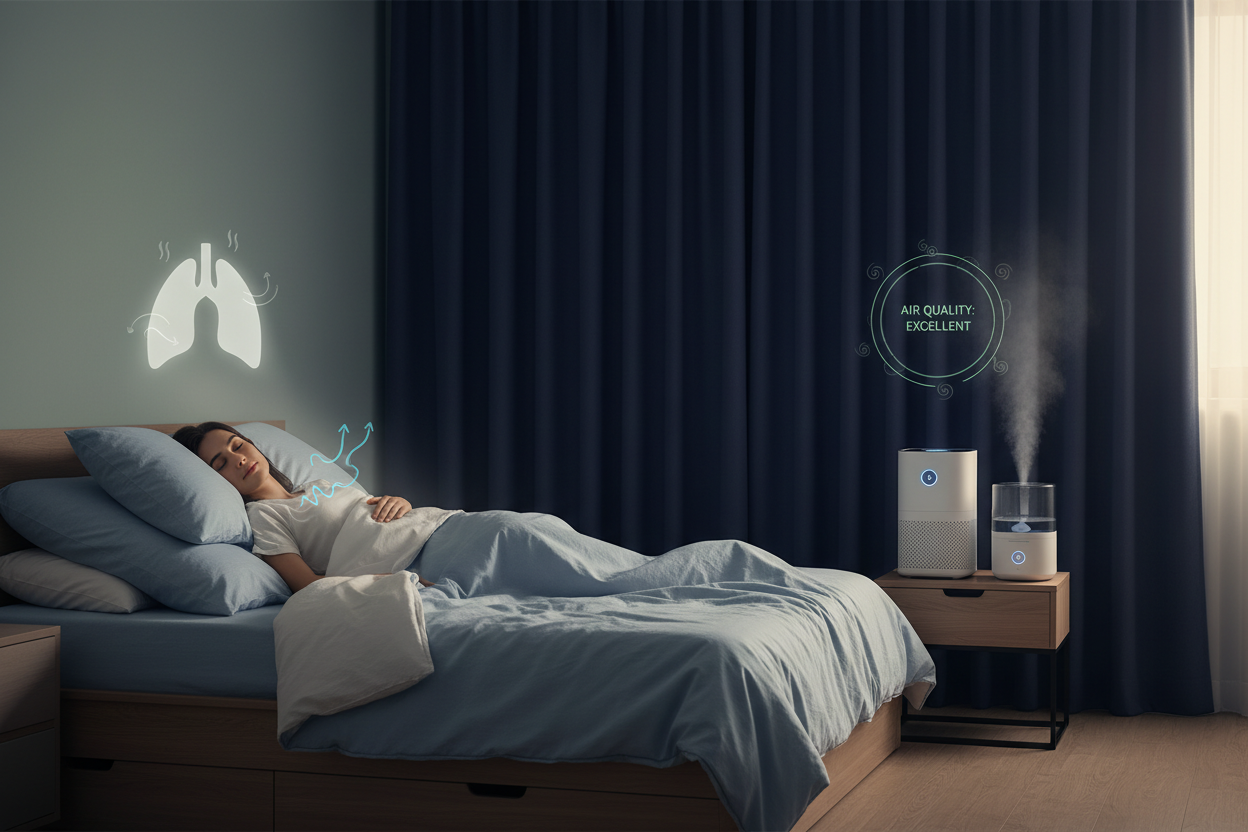
The relationship works both ways too. Sleep apnea can trigger asthma attacks through several mechanisms, including acid reflux, increased inflammation, and changes in nervous system activity. Understanding this connection helps explain why a comprehensive approach to your sleep environment is so important.
Optimizing Your Sleep Position for Better Breathing
Your sleep position plays a fundamental role in managing both conditions. The way you position your body can either promote clear airways or contribute to obstruction and breathing difficulties.
Elevating your head and upper body is one of the most effective strategies for dual management. When you sleep with your head raised 6-8 inches above your heart level, gravity helps keep your airways open while reducing the likelihood of acid reflux that can trigger asthma symptoms. This position also helps drain mucus more effectively, preventing the buildup that can worsen both conditions.
Side sleeping, particularly on your left side, offers additional benefits. This position prevents your tongue and soft tissues from falling back and blocking your airway, which is especially important for sleep apnea management. For asthma sufferers, side sleeping can also reduce pressure on your chest and lungs, making breathing easier throughout the night.
Avoid sleeping on your back whenever possible. This position allows gravity to pull your tongue and soft palate backward, increasing the risk of airway obstruction. Back sleeping can also worsen acid reflux, a common asthma trigger that tends to be more problematic at night.
Creating an Asthma-Friendly Bedroom Environment
Your bedroom environment can be your greatest ally or your worst enemy when it comes to managing asthma symptoms during sleep. Creating a clean, allergen-free space is essential for preventing nighttime asthma flares that can disrupt your sleep and worsen sleep apnea.
Start with your bedding choices. Hypoallergenic pillows and mattresses create a barrier against dust mites, one of the most common asthma triggers found in bedrooms. Look for materials like memory foam, latex, or specially treated fabrics that resist allergen accumulation. Wash your bedding weekly in hot water (at least 130°F) to eliminate dust mites and other allergens.
Air quality deserves special attention in your sleep sanctuary. Consider investing in a high-quality air purifier with a HEPA filter to remove airborne allergens, pet dander, and other irritants. Place the purifier close to your bed but ensure it operates quietly enough not to disturb your sleep.
Humidity control is another critical factor. Maintain indoor humidity levels between 30-50% to prevent mold growth while avoiding air that’s too dry, which can irritate your airways. A humidifier can help during dry seasons, but be sure to clean it regularly to prevent bacterial growth.
Choosing the Right Pillows and Mattress Support
The right pillow can make or break your sleep quality when you’re managing respiratory conditions. Your pillow choice affects your airway alignment, comfort level, and exposure to allergens throughout the night.
For optimal airway positioning, choose a pillow that maintains the natural curve of your neck while keeping your head elevated. Memory foam and latex pillows often provide the best support for this purpose. They conform to your head and neck shape while maintaining their structure throughout the night, preventing your airways from becoming misaligned.
Consider using multiple pillows or a wedge pillow to achieve the ideal elevation. A wedge pillow specifically designed for acid reflux and breathing issues can provide consistent elevation without the shifting that occurs with stacked traditional pillows. This stability is crucial for maintaining open airways throughout your sleep cycle.
Your mattress firmness also impacts your breathing. A medium-firm mattress typically provides the best support for maintaining proper spinal alignment while preventing you from sinking too deeply, which could affect your breathing position. If your current mattress is too soft, consider adding a firm mattress topper to improve support.
Managing Air Quality and Allergens
Poor indoor air quality can trigger asthma symptoms and make sleep apnea worse by increasing inflammation in your airways. Taking control of your bedroom’s air quality is essential for creating an environment that supports restful sleep.
Regular cleaning routines become even more important when you’re dealing with respiratory conditions. Vacuum your bedroom at least twice weekly using a vacuum with a HEPA filter. This removes dust, pet dander, and other allergens that can accumulate in carpets and upholstery. Don’t forget to vacuum your mattress monthly and consider using a mattress protector to create an additional barrier against allergens.
Be mindful of potential irritants you might not consider. Strong fragrances from candles, air fresheners, or cleaning products can trigger asthma symptoms. Opt for fragrance-free products in your bedroom and avoid using aerosol sprays that can linger in the air.
Plants can be beneficial for air quality, but choose them carefully. Some people with asthma are sensitive to certain plants or the mold that can grow in plant soil. If you want to include plants in your bedroom, stick to low-maintenance options like snake plants or peace lilies, and ensure proper drainage to prevent mold growth.
Temperature and Humidity Control Strategies
The temperature and humidity levels in your bedroom significantly impact both asthma symptoms and sleep apnea severity. Finding the right balance creates an environment that supports clear breathing and comfortable sleep.
Maintain your bedroom temperature between 65-68°F for optimal sleep quality. Cooler temperatures help your body’s natural temperature drop that signals sleepiness, while also reducing the likelihood of sweating that can worsen sleep apnea symptoms. However, avoid making your room too cold, as cold air can trigger asthma symptoms in some people.
Humidity control requires careful attention. Air that’s too dry can irritate your airways and worsen asthma symptoms, while excessive humidity promotes dust mite growth and can make breathing feel more difficult. Use a hygrometer to monitor humidity levels and adjust accordingly with a humidifier or dehumidifier.
Consider the timing of humidity adjustments. Running a humidifier during dry winter months can prevent airway irritation, but be sure to use distilled water and clean the unit regularly. In humid climates or during summer months, a dehumidifier might be necessary to prevent mold growth and reduce the feeling of heavy, difficult-to-breathe air.
Integrating CPAP Therapy with Asthma Management
If you use a CPAP machine for sleep apnea, proper integration with your asthma management plan is crucial for success. Many people worry that CPAP therapy might worsen their asthma, but with the right approach, it can actually improve both conditions.
Work with your healthcare providers to ensure your CPAP pressure settings account for your asthma. Sometimes, standard pressure settings need adjustment for people with reactive airways. Your sleep specialist and pulmonologist should communicate to find the optimal settings that keep your airways open without triggering asthma symptoms.
Pay special attention to CPAP equipment cleanliness. The warm, moist environment inside CPAP tubing and masks can harbor bacteria and mold if not properly maintained. Clean your equipment daily according to manufacturer instructions, and replace filters and other components as recommended. This prevents introducing irritants that could trigger asthma attacks.
Consider heated tubing and humidification features if your CPAP machine offers them. These features can prevent the dry air that sometimes triggers asthma symptoms while maintaining the therapy effectiveness you need for sleep apnea management.
Pre-Sleep Routine for Respiratory Health
Developing a consistent pre-sleep routine that addresses both asthma and sleep apnea can significantly improve your nighttime breathing and overall sleep quality. This routine should focus on clearing your airways, reducing inflammation, and preparing your body for restful sleep.
Start your routine 30-60 minutes before bedtime with gentle breathing exercises or meditation. These practices can help relax your airways and reduce the stress that often worsens both conditions. Simple techniques like diaphragmatic breathing or the 4-7-8 breathing method can be particularly effective.
Use your prescribed medications as directed, timing them appropriately for nighttime symptom control. If you use a rescue inhaler, keep it within easy reach of your bed. For those on controller medications, ensure you’re taking them at the optimal time for overnight symptom prevention.
Consider incorporating a warm shower or steam inhalation into your routine. The warm, moist air can help open your airways and clear mucus, making breathing easier as you settle into sleep. Just be sure the humidity doesn’t linger in your bedroom afterward.
When to Seek Professional Help
While optimizing your sleep setup can dramatically improve your quality of life, it’s important to recognize when professional intervention is necessary. Both asthma and sleep apnea are serious medical conditions that require ongoing medical management.
Schedule regular check-ups with both your pulmonologist and sleep specialist to ensure your treatment plans remain effective. As your conditions change over time, your sleep setup and medical treatments may need adjustments. Don’t hesitate to report new symptoms or changes in your sleep quality to your healthcare team.
Seek immediate medical attention if you experience severe breathing difficulties, chest pain, or other concerning symptoms. Having an action plan for asthma emergencies is crucial, especially during nighttime hours when symptoms can be more severe.
Consider a sleep study if your symptoms worsen or if you suspect your sleep apnea isn’t adequately controlled. Home sleep studies are now available for many people, making it easier to assess your sleep quality and breathing patterns in your own environment.
Conclusion
Creating the perfect sleep setup for managing both asthma and sleep apnea requires attention to multiple factors, from your sleep position and bedroom environment to your pre-sleep routine and medical equipment maintenance. While it might seem overwhelming at first, remember that small changes can lead to significant improvements in your sleep quality and overall health.
Start with one or two modifications that seem most relevant to your situation, then gradually implement additional strategies as they become routine. The investment in creating an optimal sleep environment pays dividends in better rest, improved daytime functioning, and better management of both respiratory conditions.
Remember that managing asthma and sleep apnea is a partnership between you and your healthcare team. Use the strategies outlined here as part of a comprehensive treatment plan that includes regular medical care, appropriate medications, and ongoing monitoring of your symptoms. With the right approach, restful, restorative sleep is absolutely achievable, even with these challenging conditions.
Take Control of Your Nighttime Breathing
Don’t let sleep apnea silently accelerate your lung disease. Discover the natural breathing protocol that thousands of respiratory patients are using to restore healthy sleep patterns and protect their lung function.
