Affiliate disclosure: This article contains affiliate links. We may earn a commission if you purchase through them, at no extra cost to you.
Bronchitis Meets Sleep Apnea: A Perfect Storm in Your Airways
If you’ve ever woken up feeling like you’ve been wrestling with your pillow all night, only to spend your day coughing and wheezing, you might be dealing with more than just one respiratory issue. When bronchitis and sleep apnea collide, they create what medical professionals often describe as a perfect storm in your airways – a challenging combination that can significantly impact your quality of life and overall health.
The relationship between these two conditions is more complex than many people realize. While they may seem unrelated at first glance, bronchitis and sleep apnea can actually feed into each other, creating a cycle that’s difficult to break without proper understanding and treatment. Let’s dive deep into how these conditions interact and what you can do about it.
Understanding the Individual Players
Before we explore how bronchitis and sleep apnea work together to wreak havoc on your respiratory system, it’s important to understand each condition individually. Think of this as getting to know the characters in a complex story before the plot unfolds.
Bronchitis is essentially inflammation of the bronchial tubes – those crucial pathways that carry air to and from your lungs. When these tubes become inflamed, they produce excess mucus, leading to that persistent cough that seems to follow you everywhere. There are two main types: acute bronchitis, which typically lasts a few weeks and is often caused by viral infections, and chronic bronchitis, which persists for months and is usually linked to smoking or long-term exposure to irritants.
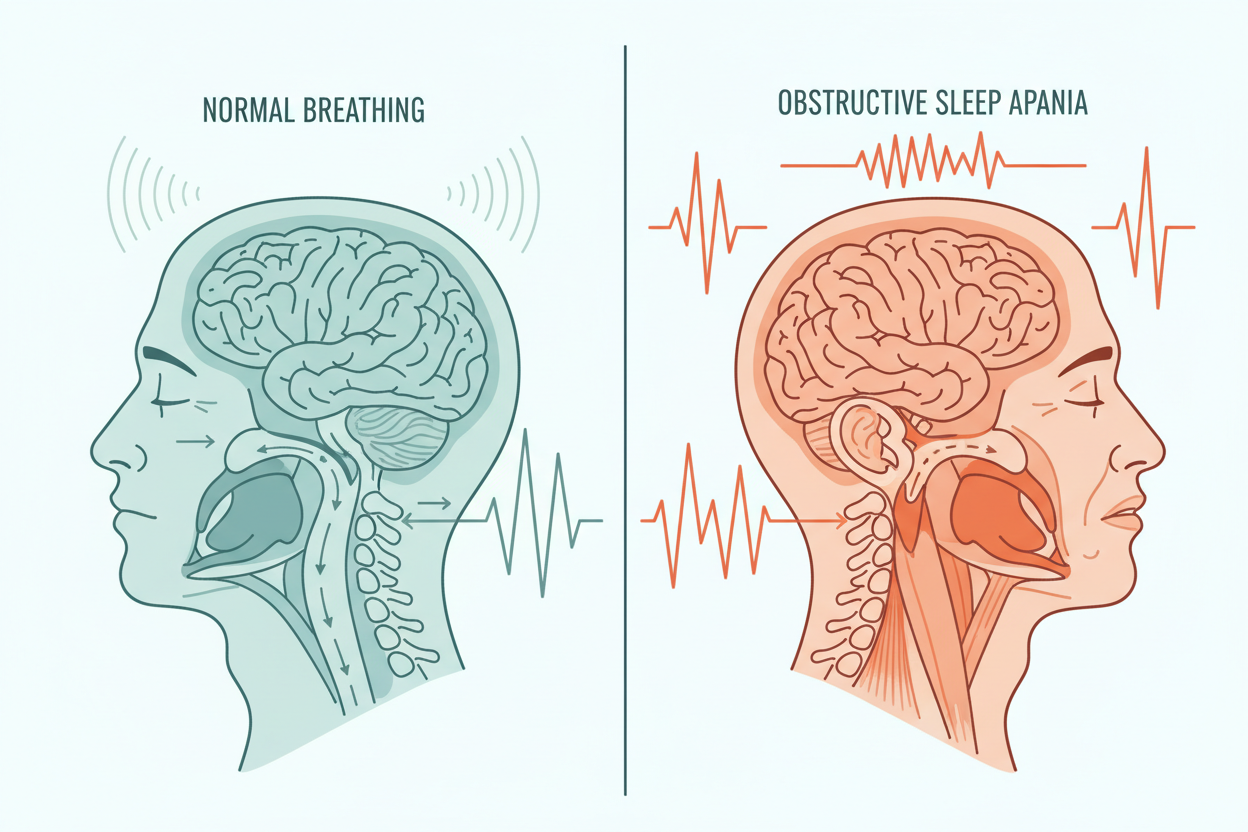
Sleep apnea, on the other hand, is a sleep disorder where your breathing repeatedly stops and starts throughout the night. The most common form, obstructive sleep apnea, occurs when the muscles in your throat relax too much during sleep, causing your airway to narrow or close completely. This leads to those characteristic loud snores followed by periods of silence – a pattern that can be quite alarming for bed partners to witness.
How Bronchitis and Sleep Apnea Create the Perfect Storm
When bronchitis and sleep apnea occur together, they don’t just coexist peacefully – they actively make each other worse. It’s like having two troublemakers in the same classroom who bring out the worst in each other.
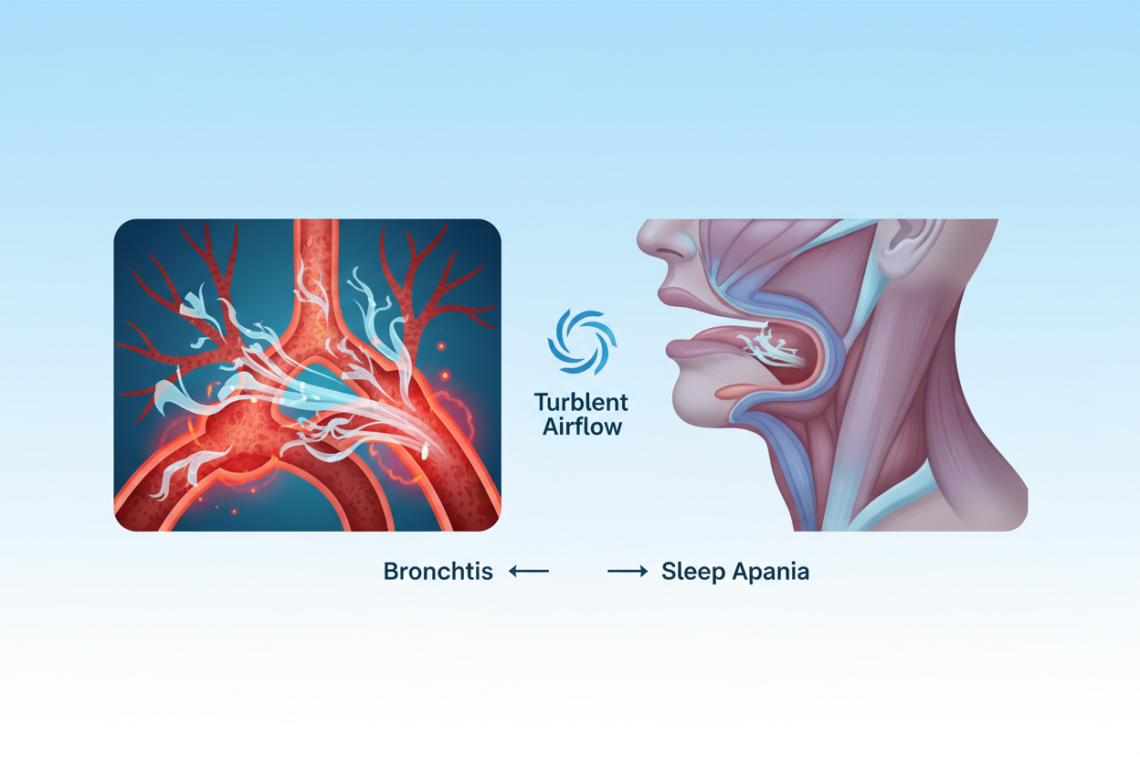
The inflammation and excess mucus production from bronchitis can narrow your already compromised airways, making the breathing interruptions from sleep apnea more frequent and severe. Imagine trying to breathe through a straw that’s not only partially blocked but also coated with sticky substances – that’s essentially what’s happening in your respiratory system.
Conversely, the repeated episodes of low oxygen levels that occur with sleep apnea can worsen the inflammation associated with bronchitis. Your body interprets these oxygen drops as stress, triggering inflammatory responses that can prolong and intensify bronchitis symptoms. It’s a vicious cycle that can leave you feeling exhausted during the day and restless at night.
Recognizing the Warning Signs
Identifying when you’re dealing with both conditions simultaneously can be tricky because many symptoms overlap. However, there are some telltale signs that suggest you might be experiencing this respiratory double-whammy.
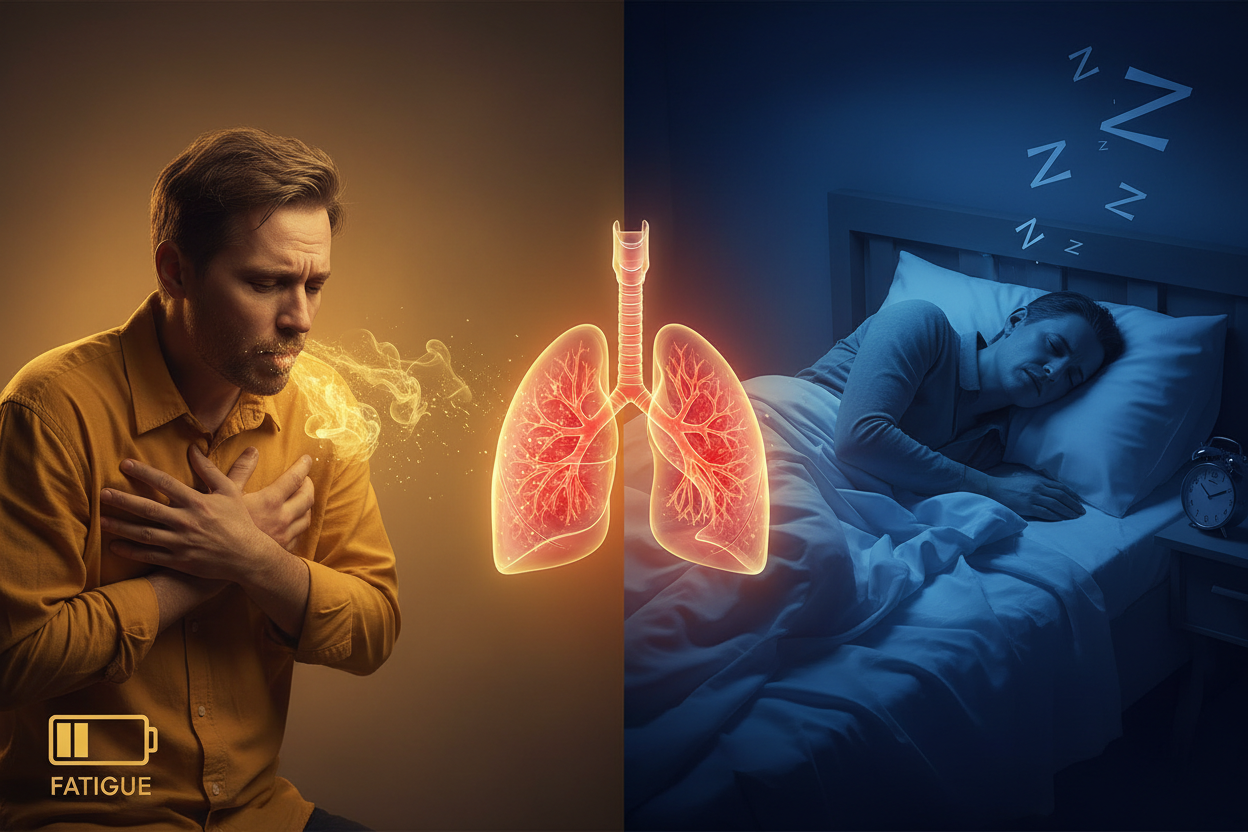
During the day, you might notice that your bronchitis symptoms seem more severe than usual. Your cough may be more persistent, your mucus production increased, and you might feel more short of breath than expected. The fatigue that comes with bronchitis can also be amplified by the poor sleep quality caused by sleep apnea, leaving you feeling like you’re running on empty even after what should have been a full night’s rest.
Nighttime symptoms can be particularly telling. You might experience more frequent awakenings due to coughing fits, or your partner might notice that your snoring is louder and more interrupted than usual. Some people describe feeling like they’re drowning in their own mucus when lying down, which can be especially pronounced when both conditions are present.
The Domino Effect on Your Health
The combination of bronchitis and sleep apnea doesn’t just affect your breathing – it can trigger a cascade of health issues that impact your entire body. Sleep deprivation from untreated sleep apnea can weaken your immune system, making it harder for your body to fight off the infection or inflammation causing your bronchitis.
Your cardiovascular system also takes a hit. The repeated drops in oxygen levels from sleep apnea put extra strain on your heart, while the inflammation from bronchitis can contribute to systemic inflammation throughout your body. This combination can increase your risk of high blood pressure, heart disease, and stroke over time.
Mental health effects are equally concerning. The chronic fatigue, interrupted sleep, and persistent symptoms can lead to increased stress, anxiety, and depression. Many people find themselves caught in a cycle where their physical symptoms worsen their mental state, which in turn can make their physical symptoms feel even more overwhelming.
Breaking the Cycle: Treatment Strategies That Work
The good news is that this perfect storm doesn’t have to rage indefinitely. With the right approach, you can effectively manage both conditions and break the cycle that’s been disrupting your sleep and your life.
For the bronchitis component, treatment typically focuses on reducing inflammation and managing symptoms. This might include bronchodilators to open up your airways, anti-inflammatory medications to reduce swelling, and expectorants to help clear mucus. If you’re dealing with chronic bronchitis, your doctor might also recommend pulmonary rehabilitation or breathing exercises to strengthen your respiratory muscles.
Sleep apnea treatment often involves lifestyle changes and medical devices. Continuous Positive Airway Pressure (CPAP) therapy is the gold standard treatment, providing a steady stream of air pressure to keep your airways open throughout the night. For some people, oral appliances that reposition the jaw and tongue can be effective, while others might benefit from surgical interventions.
Lifestyle Modifications That Make a Difference
While medical treatments are crucial, lifestyle changes can significantly impact how well you manage both conditions. Think of these modifications as the supporting cast that helps the main treatments shine.
Sleep position can make a huge difference. Elevating your head while sleeping can help reduce mucus accumulation in your airways and may also help keep your airway more open. Many people find that sleeping on their side rather than their back reduces both snoring and coughing episodes.
Humidity control in your bedroom is another game-changer. Dry air can irritate already inflamed bronchial tubes, while overly humid conditions can promote the growth of allergens like mold and dust mites. A humidifier can help maintain optimal humidity levels, especially during winter months when indoor air tends to be drier.
Diet and hydration also play important roles. Staying well-hydrated helps thin mucus secretions, making them easier to clear from your airways. Avoiding foods that can increase inflammation or mucus production, such as dairy products for some individuals, might also provide relief.
When to Seek Professional Help
While it might be tempting to tough it out or try to manage symptoms on your own, the combination of bronchitis and sleep apnea requires professional medical attention. This is particularly true if you’re experiencing severe symptoms or if your condition seems to be getting worse rather than better.
You should definitely consult a healthcare provider if you’re experiencing frequent nighttime awakenings due to breathing difficulties, if your daytime fatigue is severely impacting your ability to function, or if you’re developing signs of complications such as chest pain or high blood pressure.
A sleep study might be recommended to properly diagnose and assess the severity of your sleep apnea, while pulmonary function tests can help evaluate how well your lungs are working. These diagnostic tools provide valuable information that can guide your treatment plan and help monitor your progress over time.
Looking Forward: Managing Your Respiratory Health
Living with both bronchitis and sleep apnea can feel overwhelming, but with proper management, many people are able to significantly improve their symptoms and quality of life. The key is understanding that these conditions require ongoing attention and care, much like tending a garden – consistent effort yields the best results.
Regular follow-up appointments with your healthcare team are essential for monitoring your progress and adjusting treatments as needed. What works well initially might need tweaking as your condition changes or as new treatment options become available.
Prevention also plays a crucial role in long-term management. This includes avoiding known triggers for bronchitis, such as cigarette smoke and air pollutants, maintaining a healthy weight to reduce sleep apnea severity, and practicing good sleep hygiene to optimize your rest quality.
Remember that improvement often comes gradually rather than overnight. Be patient with yourself and celebrate small victories along the way. Better sleep quality, reduced coughing episodes, and increased daytime energy are all signs that your treatment plan is working, even if you don’t feel completely back to normal yet.
The perfect storm of bronchitis and sleep apnea may seem formidable, but with the right knowledge, treatment, and support, you can weather it successfully. Your airways may have been under siege, but with proper care and attention, you can reclaim peaceful nights and energetic days. Don’t let this respiratory challenge define your life – take control and breathe easier knowing that effective solutions are within reach.
Take Control of Your Nighttime Breathing
Don’t let sleep apnea silently accelerate your lung disease. Discover the natural breathing protocol that thousands of respiratory patients are using to restore healthy sleep patterns and protect their lung function.