
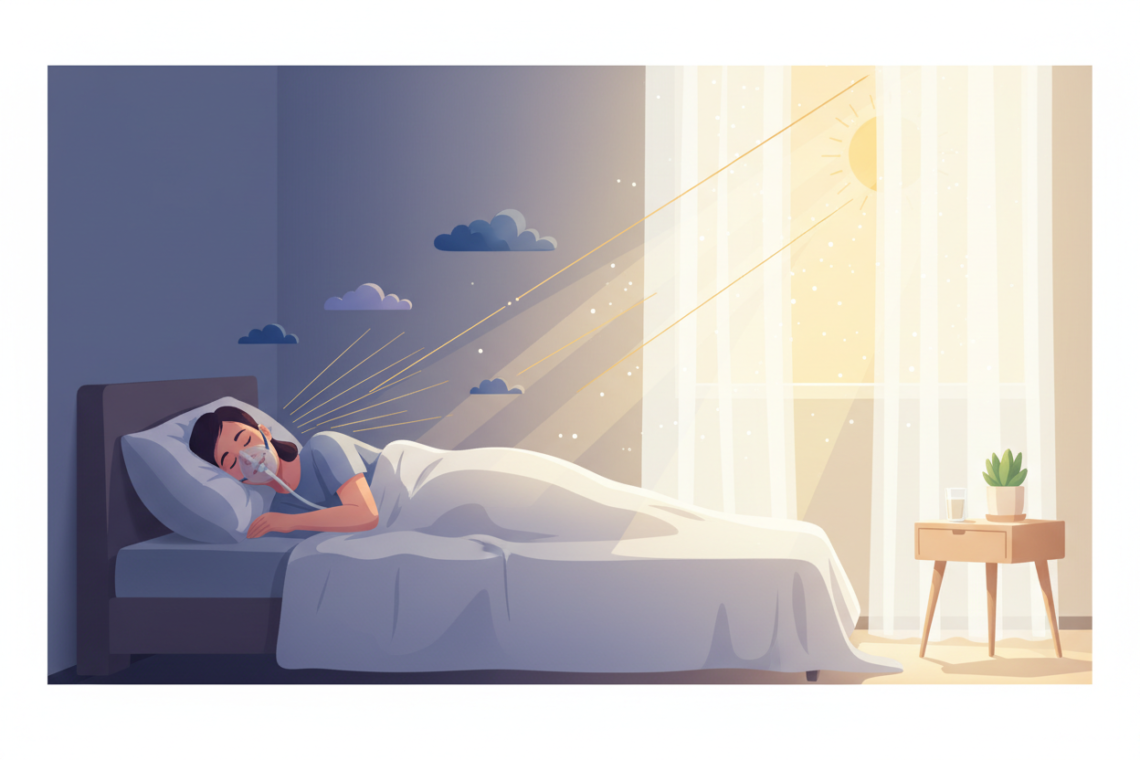
Headache-Free Mornings: Sleep Apnea Solutions That Work Overnight
If you’re waking up with pounding headaches and feeling like you haven’t slept at all, you’re not alone. Millions of people struggle with morning headaches caused by sleep apnea, a condition that disrupts your breathing throughout the night. The good news? There are proven sleep apnea solutions that can transform your mornings from miserable to refreshing, often showing results within the first few nights of treatment.
Sleep apnea doesn’t just rob you of quality sleep – it creates a cascade of health issues that start the moment you wake up. Those throbbing morning headaches are your body’s way of telling you that something serious is happening while you sleep. Understanding the connection between sleep apnea and morning headaches is the first step toward reclaiming your mornings and your health.
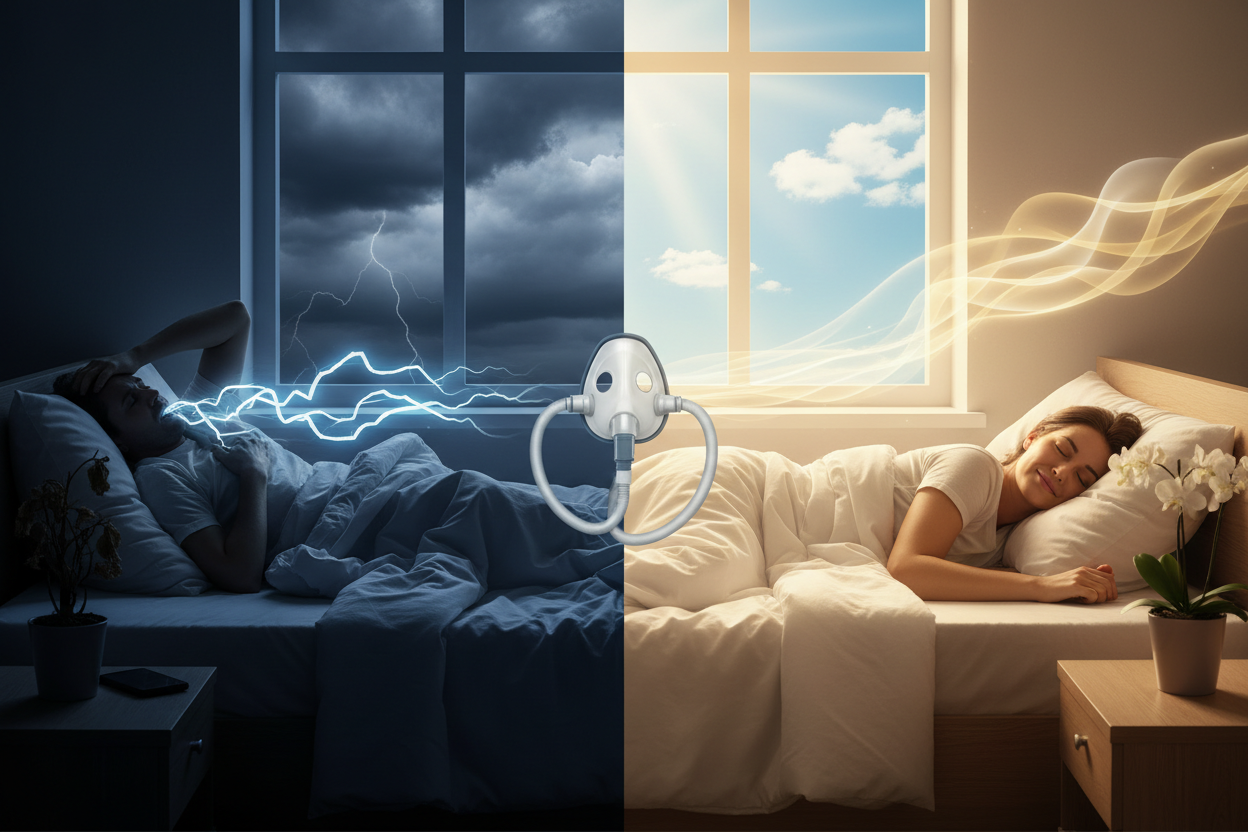
Understanding the Sleep Apnea-Morning Headache Connection
Sleep apnea causes repeated interruptions in your breathing during sleep, leading to drops in blood oxygen levels and increases in carbon dioxide. Your brain, desperate for oxygen, triggers frequent awakenings – even if you don’t remember them. This constant cycle of oxygen deprivation and arousal creates the perfect storm for morning headaches.
When your breathing stops during sleep apnea episodes, your blood vessels dilate to compensate for the lack of oxygen. This dilation, combined with the buildup of carbon dioxide, creates pressure in your head that manifests as intense morning headaches. These aren’t your typical headaches – they’re often described as crushing, throbbing pain that can last for hours after waking.

The severity of morning headaches often correlates with the severity of sleep apnea. People with moderate to severe sleep apnea report headaches that significantly impact their ability to function in the morning, affecting work performance, mood, and overall quality of life.
Immediate Sleep Apnea Solutions for Quick Relief
While comprehensive sleep apnea treatment requires medical evaluation, there are several immediate solutions that can provide relief starting tonight. These approaches focus on optimizing your sleep environment and breathing patterns to reduce apnea episodes and minimize morning headaches.
Positional therapy represents one of the most accessible immediate solutions. Many people experience fewer apnea episodes when sleeping on their side rather than their back. Gravity naturally keeps your airway more open in side-sleeping positions, reducing the likelihood of airway collapse that characterizes sleep apnea.
Elevating your head and upper body by 4-6 inches can also provide immediate relief. This slight elevation helps keep your airway open and reduces the pooling of fluids that can contribute to airway obstruction. You can achieve this elevation using an adjustable bed, wedge pillow, or by placing blocks under the head of your mattress.
CPAP Therapy: The Gold Standard Solution
Continuous Positive Airway Pressure (CPAP) therapy remains the most effective treatment for moderate to severe sleep apnea. CPAP machines deliver a constant stream of pressurized air through a mask, keeping your airway open throughout the night and preventing the oxygen drops that cause morning headaches.
Modern CPAP machines are far more comfortable and user-friendly than earlier models. Features like heated humidifiers, quiet motors, and various mask styles make CPAP therapy more tolerable for new users. Many people report dramatic improvements in morning headaches within the first week of consistent CPAP use.
The key to CPAP success lies in proper fitting and gradual adaptation. Working with a sleep specialist to find the right mask style and pressure settings is crucial. Some people prefer nasal masks, while others find full-face masks more comfortable. The investment in finding the right setup pays dividends in headache-free mornings.
Alternative Sleep Apnea Devices and Treatments
For those who struggle with CPAP therapy or have mild to moderate sleep apnea, alternative devices offer effective solutions. Oral appliances, custom-fitted by dentists trained in sleep medicine, reposition your jaw and tongue to maintain an open airway during sleep.
These mandibular advancement devices work by gently moving your lower jaw forward, which pulls your tongue away from the back of your throat. Many users find oral appliances more comfortable and convenient than CPAP machines, especially for travel. Studies show that properly fitted oral appliances can reduce sleep apnea episodes by 50-90% in suitable candidates.
Newer innovations include hybrid devices that combine the benefits of different approaches. Some oral appliances now incorporate tongue stabilization features, while others work in conjunction with positional therapy devices to provide comprehensive treatment.
Lifestyle Changes That Support Better Sleep
Sustainable sleep apnea management extends beyond devices and medical treatments. Strategic lifestyle modifications can significantly reduce the severity of sleep apnea and minimize morning headaches. Weight management stands out as one of the most impactful changes you can make.
Even modest weight loss can lead to meaningful improvements in sleep apnea symptoms. Excess weight, particularly around the neck and throat area, contributes to airway narrowing during sleep. A reduction of just 10-15 pounds can result in noticeable improvements in sleep quality and fewer morning headaches.
Alcohol and sedative medications relax the muscles in your throat, making airway collapse more likely. Avoiding these substances, especially within 4-6 hours of bedtime, can reduce sleep apnea episodes. Similarly, smoking contributes to inflammation and fluid retention in the upper airway, making sleep apnea worse.
Establishing a consistent sleep schedule helps regulate your body’s natural sleep-wake cycle, potentially reducing the severity of sleep apnea episodes. Going to bed and waking up at the same time every day, even on weekends, supports better overall sleep architecture.
Creating an Optimal Sleep Environment
Your bedroom environment plays a crucial role in managing sleep apnea and preventing morning headaches. Temperature control is particularly important – a cool room between 65-68 degrees Fahrenheit promotes deeper sleep and may reduce the frequency of apnea episodes.
Humidity levels also matter significantly for sleep apnea sufferers. Dry air can irritate nasal passages and make breathing more difficult, while overly humid conditions can promote congestion. Maintaining humidity levels between 30-50% creates optimal conditions for clear breathing throughout the night.
Allergen control becomes especially important when sleep apnea is present. Dust mites, pet dander, and other allergens can cause nasal congestion that worsens sleep apnea. Regular washing of bedding in hot water, using allergen-proof pillow and mattress covers, and maintaining clean air filters can reduce nighttime congestion.
When to Seek Professional Help
While self-help strategies can provide significant relief, persistent morning headaches combined with other sleep apnea symptoms warrant professional evaluation. Sleep specialists can conduct comprehensive sleep studies to determine the exact nature and severity of your sleep apnea, leading to more targeted and effective treatment.
Red flags that indicate the need for immediate medical attention include morning headaches that worsen over time, headaches accompanied by confusion or memory problems, and headaches that don’t respond to over-the-counter pain medications. These symptoms may indicate severe sleep apnea that requires urgent treatment.
A sleep study, either conducted in a sleep lab or at home with portable monitoring equipment, provides detailed information about your breathing patterns, oxygen levels, and sleep stages. This data allows sleep specialists to prescribe the most appropriate treatment approach for your specific situation.
Measuring Your Progress and Maintaining Success
Tracking your progress is essential for long-term success in managing sleep apnea and eliminating morning headaches. Keep a sleep diary that records your bedtime, wake time, morning headache severity, and any factors that might influence your sleep quality.
Modern technology offers sophisticated tools for monitoring sleep apnea treatment effectiveness. Many CPAP machines now include data tracking capabilities that record usage hours, leak rates, and apnea episodes. This information helps both you and your healthcare provider fine-tune your treatment approach.
Regular follow-up appointments with your sleep specialist ensure that your treatment remains effective as your needs change. Factors like weight fluctuations, aging, and other health conditions can affect sleep apnea severity, making periodic reassessment important for maintaining headache-free mornings.
Remember that successful sleep apnea management is often a combination of approaches rather than a single solution. What works best for you may evolve over time, and staying flexible in your treatment approach leads to the best long-term outcomes.
Waking up refreshed and headache-free isn’t just a dream – it’s an achievable goal with the right sleep apnea solutions. Whether you choose CPAP therapy, oral appliances, lifestyle modifications, or a combination of approaches, the key is taking action tonight. Your mornings, your health, and your quality of life will thank you for making sleep apnea treatment a priority. Start with the immediate solutions that resonate with you, and don’t hesitate to seek professional guidance for comprehensive, long-term relief from morning headaches caused by sleep apnea.
Take Control of Your Nighttime Breathing
Don’t let sleep apnea silently accelerate your lung disease. Discover the natural breathing protocol that thousands of respiratory patients are using to restore healthy sleep patterns and protect their lung function.
