
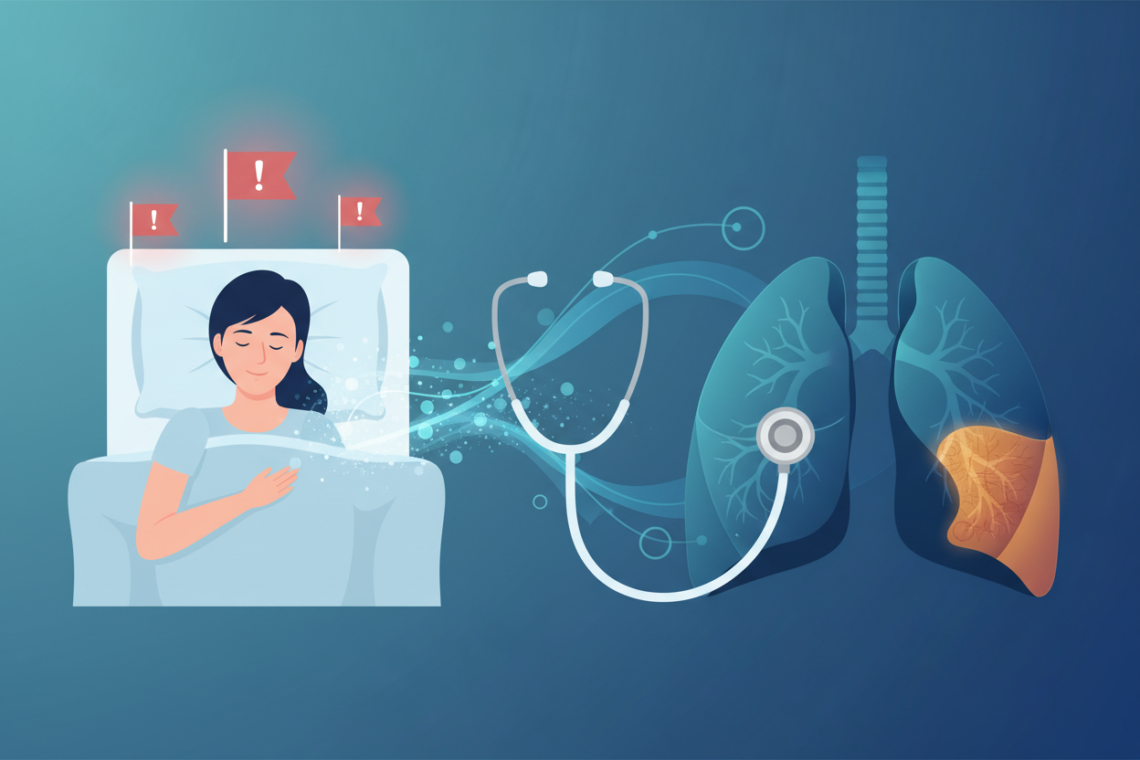
Red Flags: Sleep Apnea Symptoms COPD Patients Often Miss
Living with chronic obstructive pulmonary disease (COPD) is challenging enough on its own. Between managing medications, monitoring oxygen levels, and dealing with breathing difficulties, the last thing you need is another respiratory condition complicating your health. Unfortunately, many COPD patients unknowingly develop sleep apnea, a serious sleep disorder that often goes undiagnosed because its symptoms can easily be mistaken for typical COPD complications.
This dangerous overlap, known as overlap syndrome, affects up to 30% of COPD patients according to recent medical studies. The problem is that both conditions share similar symptoms, making it incredibly difficult for patients and even healthcare providers to recognize when sleep apnea has entered the picture. Understanding these often-missed red flags could be the key to improving your sleep quality, breathing, and overall health outcomes.
Understanding the COPD and Sleep Apnea Connection
Before diving into the warning signs, it’s important to understand why COPD patients are at higher risk for developing sleep apnea. COPD affects your lungs’ ability to exchange oxygen and carbon dioxide efficiently, while sleep apnea causes repeated interruptions in breathing during sleep. When these two conditions coexist, they create a perfect storm that can significantly worsen your respiratory health.
The relationship between COPD and sleep apnea isn’t just coincidental. Several factors make COPD patients more susceptible to developing sleep disorders. Chronic inflammation from COPD can affect the upper airway, medications used to treat COPD may impact sleep patterns, and the physical changes in breathing mechanics can contribute to airway collapse during sleep.
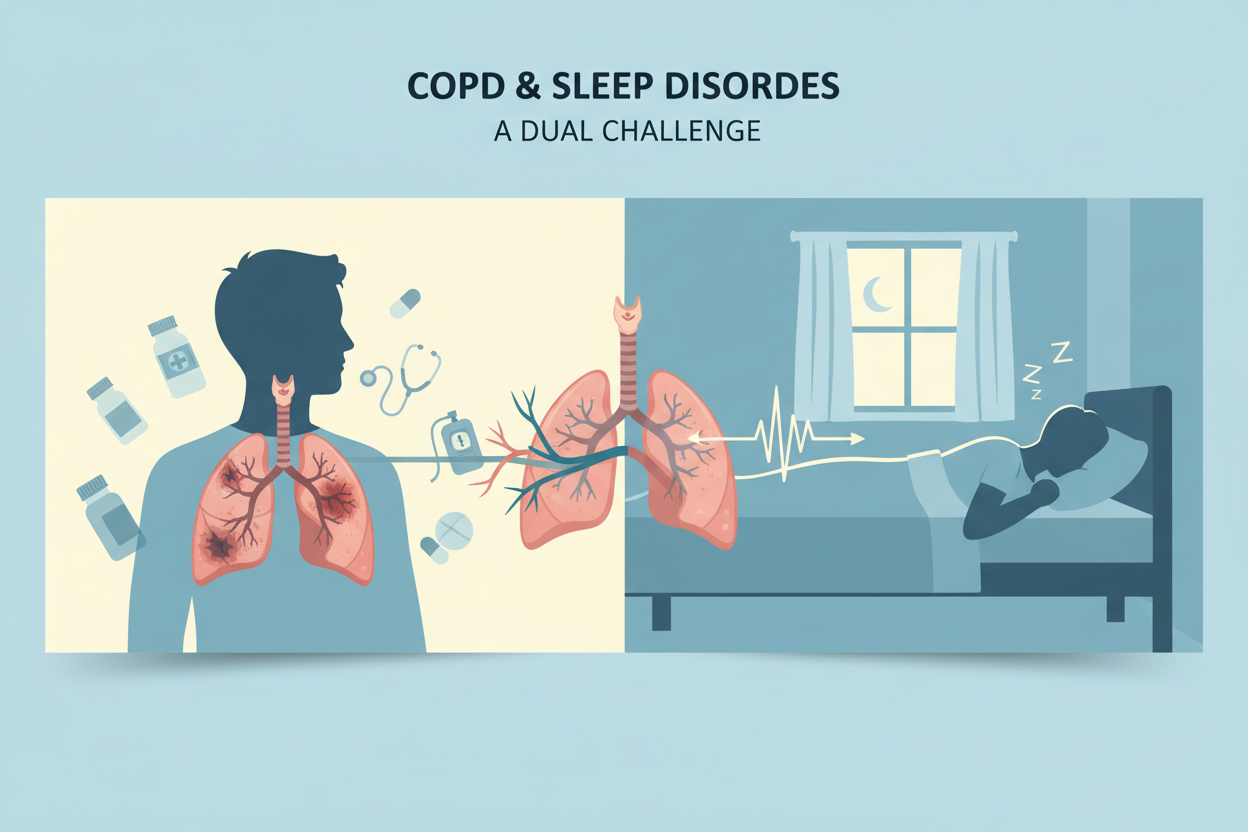
What makes this combination particularly dangerous is that each condition can worsen the other. Sleep apnea leads to fragmented sleep and oxygen desaturation, which can accelerate COPD progression. Meanwhile, COPD-related inflammation and breathing difficulties can make sleep apnea episodes more severe and frequent.
Morning Symptoms That Signal More Than Just COPD
One of the most telling signs that sleep apnea might be affecting your COPD management is how you feel when you wake up. While COPD patients often experience morning symptoms, certain red flags suggest something more is happening during your sleep hours.
Persistent morning headaches are one of the most commonly overlooked symptoms. While you might attribute grogginess to poor sleep quality from COPD-related coughing or breathing difficulties, frequent headaches upon waking could indicate that your brain isn’t getting enough oxygen during the night. These headaches typically occur because carbon dioxide levels build up in your blood when breathing stops repeatedly during sleep.
Another significant warning sign is waking up with a dry mouth or sore throat that’s more severe than usual. COPD patients often breathe through their mouth, but sleep apnea can intensify this, leading to extreme dryness and throat irritation that doesn’t improve with your typical COPD treatments.
Pay attention to your energy levels throughout the morning as well. If you’re finding it increasingly difficult to feel alert even after what seemed like a full night’s sleep, this could indicate that your sleep quality is being disrupted by undiagnosed breathing interruptions.
Daytime Fatigue Beyond Normal COPD Tiredness
Fatigue is unfortunately common for COPD patients, but there’s a distinct difference between the tiredness that comes from managing a chronic respiratory condition and the exhaustion caused by sleep apnea. Learning to recognize this difference could be crucial for your health.
Sleep apnea-related fatigue tends to be more overwhelming and persistent than typical COPD tiredness. You might find yourself struggling to stay awake during normally engaging activities like watching television, reading, or having conversations. This isn’t the same as feeling short of breath during physical activities, which is expected with COPD.
Many patients describe feeling like they’re in a mental fog that doesn’t clear even after rest. This cognitive cloudiness can affect your ability to manage your COPD effectively, remember to take medications, or follow treatment plans. If you’re noticing increased forgetfulness, difficulty concentrating, or problems with decision-making that seem disproportionate to your COPD symptoms, sleep apnea could be the culprit.
The timing of your fatigue can also provide clues. While COPD-related tiredness often correlates with physical exertion or breathing difficulties, sleep apnea fatigue tends to be most severe in the morning and may improve slightly throughout the day, only to return with a vengeance by evening.
Nighttime Warning Signs Often Attributed to COPD
Perhaps the most challenging aspect of identifying sleep apnea in COPD patients is that many nighttime symptoms are easily dismissed as part of the underlying lung condition. However, certain patterns and characteristics can help distinguish between the two.
Snoring that has recently become louder or more frequent is a significant red flag, especially if it’s accompanied by gasping or choking sounds. While COPD patients may snore due to airway inflammation, sleep apnea snoring typically follows a specific pattern: loud snoring followed by silence, then a gasp or snort as breathing resumes.
Night sweats that seem excessive compared to your usual COPD symptoms warrant attention. While some sweating can occur with COPD, especially during exacerbations, sleep apnea can cause profuse sweating due to the stress your body experiences when breathing repeatedly stops and starts.
Frequent nighttime urination that’s increased beyond what you typically experience with COPD medications could also signal sleep apnea. The repeated awakenings and hormonal changes associated with sleep breathing disorders can affect your body’s natural nighttime urine production cycles.
If your partner or family members report that your breathing seems to stop and start during sleep, this is perhaps the most obvious red flag. However, many COPD patients sleep alone or their partners may assume irregular breathing is simply part of the COPD condition.
Changes in COPD Management and Control
Sometimes the most subtle sign that sleep apnea has joined your COPD is a gradual decline in how well your existing treatments are working. If you’ve been managing your COPD effectively but suddenly notice that your symptoms seem harder to control, sleep apnea could be the hidden factor.
You might notice that your usual medications aren’t providing the same level of relief, or that your oxygen saturation levels are more variable than before. Sleep apnea can cause your oxygen levels to drop significantly during the night, which can worsen daytime COPD symptoms and make your condition feel less stable overall.
Increased frequency of COPD exacerbations without clear triggers is another warning sign. Sleep apnea places additional stress on your respiratory system and can make you more susceptible to infections and flare-ups. If you’re experiencing more frequent hospitalizations or urgent care visits despite following your treatment plan, it’s worth investigating whether sleep disorders are contributing to the problem.
Changes in your exercise tolerance or daily activity levels that can’t be explained by COPD progression alone should also raise suspicion. Sleep apnea’s impact on sleep quality and oxygen levels can significantly reduce your energy and stamina, making activities that were previously manageable feel overwhelming.
Mood and Cognitive Changes That Seem Unrelated
The connection between sleep disorders and mental health is well-established, but COPD patients might not realize that sudden changes in mood or thinking could be related to undiagnosed sleep apnea rather than the stress of managing their chronic condition.
Increased irritability, anxiety, or depression that seems disproportionate to your COPD symptoms could indicate that poor sleep quality is affecting your mental health. Sleep apnea disrupts the restorative stages of sleep that are crucial for emotional regulation and stress management.
Memory problems and difficulty learning new information, such as updates to your treatment plan or medication changes, might also be linked to sleep apnea. The repeated oxygen deprivation that occurs during sleep apnea episodes can affect brain function and cognitive performance.
Some patients report feeling more impatient with their COPD management routine or less motivated to follow their treatment plans. While this could be attributed to depression or adjustment difficulties, it might actually be a result of the chronic sleep deprivation caused by undiagnosed sleep apnea.
When to Seek Professional Evaluation
Recognizing these red flags is only the first step. Knowing when and how to seek appropriate medical evaluation is crucial for getting the help you need. The good news is that sleep apnea is highly treatable, and addressing it can significantly improve both your sleep quality and COPD management.
If you’re experiencing several of the symptoms mentioned above, especially if they’ve developed or worsened recently, it’s time to discuss sleep apnea screening with your healthcare provider. Don’t wait for your symptoms to become severe, as early intervention typically leads to better outcomes.
Your pulmonologist or primary care physician can refer you for a sleep study, which is the gold standard for diagnosing sleep apnea. These studies can now often be conducted at home, making them more convenient for COPD patients who may have mobility limitations or concerns about sleeping in an unfamiliar environment.
Be prepared to provide detailed information about your sleep patterns, daytime symptoms, and any changes in your COPD management. Keeping a sleep diary for a week or two before your appointment can provide valuable insights for your healthcare team.
The Path Forward: Managing Both Conditions
If you are diagnosed with sleep apnea in addition to COPD, remember that this isn’t a setback in your health journey—it’s an opportunity to improve your overall quality of life. Many patients find that treating sleep apnea actually makes their COPD more manageable and improves their energy levels significantly.
Treatment options for sleep apnea in COPD patients may include continuous positive airway pressure (CPAP) therapy, which can actually complement your existing COPD treatments. Some patients worry that adding another device to their nightly routine will be overwhelming, but most find that better sleep quality makes the adjustment worthwhile.
The key is working with healthcare providers who understand the unique challenges of managing both conditions simultaneously. This might involve coordination between your pulmonologist, sleep specialist, and other members of your healthcare team to ensure that treatments for both conditions work together effectively.
Don’t let the fear of another diagnosis prevent you from seeking evaluation if you’re experiencing these red flag symptoms. Sleep apnea is incredibly common, highly treatable, and addressing it could be the missing piece in optimizing your COPD management and overall health. Your future self will thank you for taking these warning signs seriously and advocating for comprehensive care that addresses all aspects of your respiratory health.
Take Control of Your Nighttime Breathing
Don’t let sleep apnea silently accelerate your lung disease. Discover the natural breathing protocol that thousands of respiratory patients are using to restore healthy sleep patterns and protect their lung function.
